


We’re shaping a more ResponsibleSteel industry.

We have the opportunity to do things differently.
ResponsibleSteel is a global, not-for-profit organisation created to maximise steel’s contribution to a sustainable world. Working collaboratively with our members, we have developed an independent standards and certification programme for steel via a process that uses the ISEAL Codes of Good Practice as a reference. Together, we are setting the global standard for responsibly produced net-zero steel.

We’re at a pivotal moment in the steel industry.
According to ResponsibleSteel's calculations using data from RMI and the International Energy Agency (IEA), the steelmaking process, from the extraction of raw materials to the production of steel, accounts for 10% of global GHG emissions. We face a collective challenge to transform the industry, reducing global emissions while ensuring a just transition for workers and local communities.
We have over 160 members working to deliver on our mission to drive responsible steel production.
According to the IEA's Net Zero Emissions Scenario, we need to reduce steel industry emissions by at least 90% by 2050, compared to 2022.
We have over 90 ResponsibleSteel certified sites globally.
Over 260,000 workers are covered by ResponsibleSteel certification.
Over 30% of furnaces covered by ResponsibleSteel certification are EAFs.
This is the future of steel.
Our members are at the heart of our work.
ResponsibleSteel’s membership consists of representatives from across the steel value chain, including businesses, NGOs, trade associations, and other organisations with an interest in our mission. This means our standards are uniquely shaped by multiple perspectives, and their adoption requires the support of both business and civil society members. We encourage organisations globally to join us to create lasting impact for people and the planet.





.png)
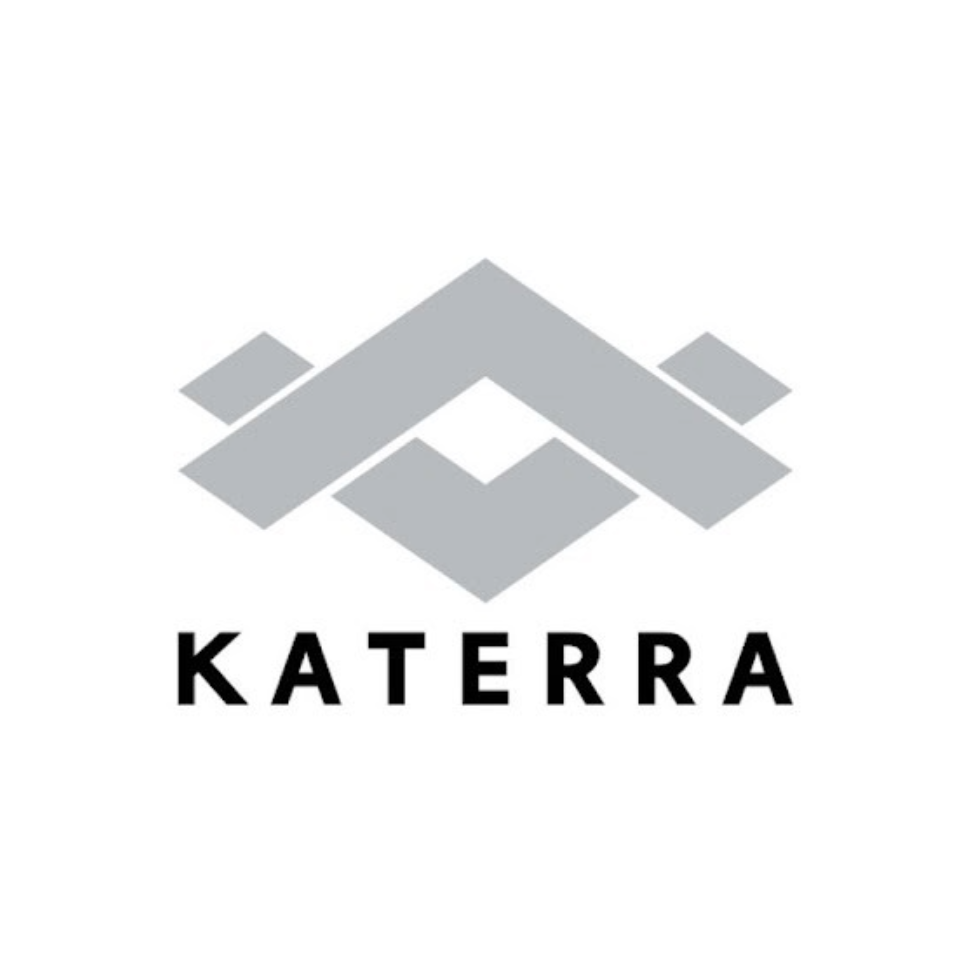
We have certified sites across the globe.

Latest news & events

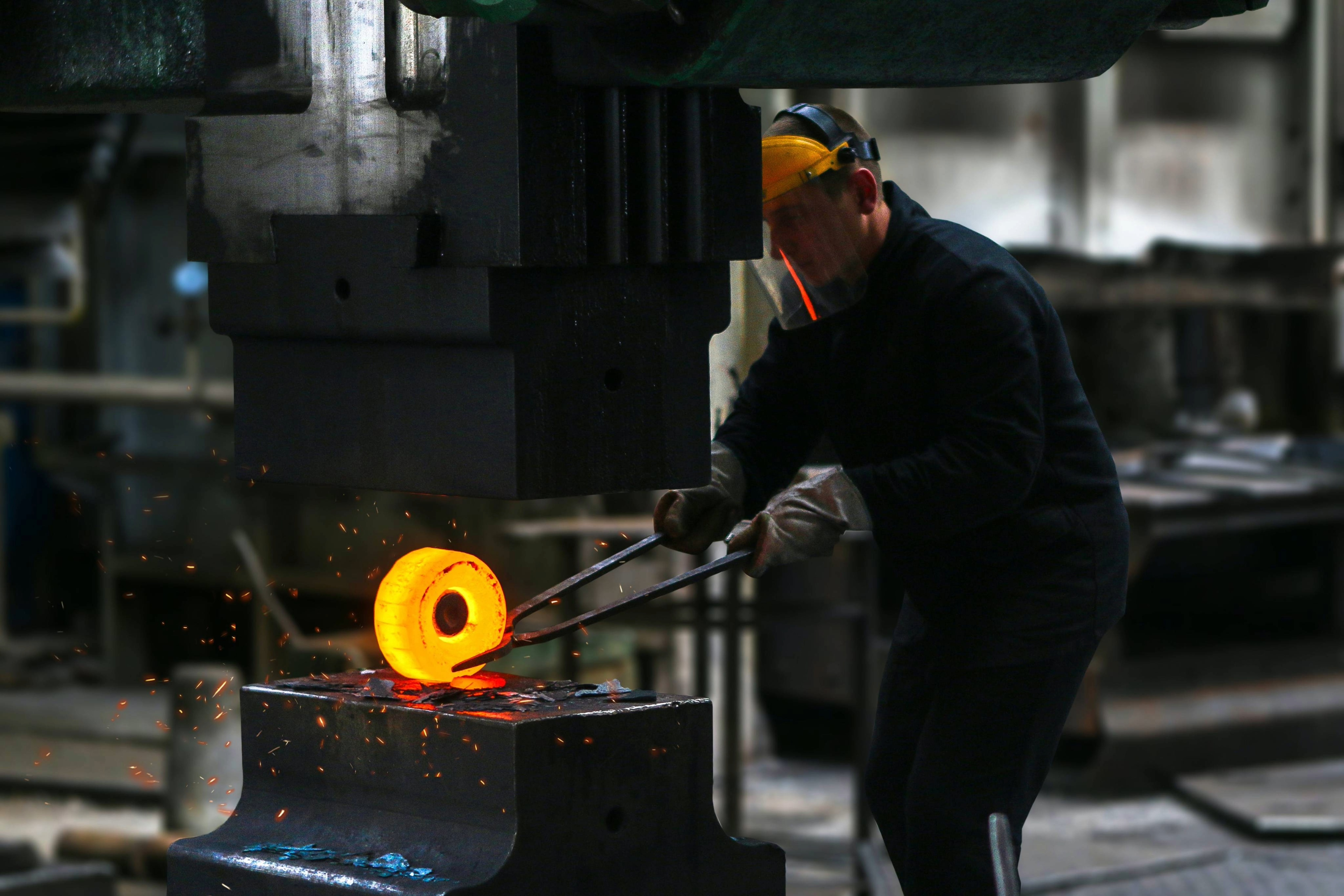

The September edition of the ResponsibleSteel Newsletter is out!
September marks an important milestone for ResponsibleSteel with the launch of the public consultation on proposed revisions to the International Production Standard. Stakeholders are now invited to review and provide feedback on proposals relating to greenhouse gas emissions, just transition, regulatory alignment, annual leave requirements and enabling product claims, helping to shape the future direction of responsible steel production.
In this edition, we share insights from our recent London Interoperability Roundtable, explore why identifying low-emissions steel requires looking beyond a single GWP number, reflect on discussions at Climate Week NYC, and highlight opportunities to get involved with ResponsibleSteel.
Highlights include:
- Launch of the public consultation on proposed revisions to the ResponsibleSteel International Production Standard
- Insights from the London Interoperability Roundtable
- Reflections from Climate Week NYC
- Webinar on EPD-DPL interoperability and comparable GHG emissions data
- ResponsibleSteel vacancies
- Upcoming ResponsibleSteel audits and events
Read the full September newsletter here.
.png)
Consultation now open: Help shape Version 3.0 of the ResponsibleSteel International Production Standard
The International Production Standard is the foundation of ResponsibleSteel's certification programme and a key tool for driving more socially and environmentally responsible steel production globally.
As the steel industry continues to evolve, it is essential that the Production Standard remains relevant, credible and effective. The proposed revisions will inform any revised Version 3.0 of the Production Standard and address a range of topics identified through stakeholder feedback, implementation experience and developments across the regulatory and sustainability landscape. These include:
- Climate Change & GHG Emissions
- Just Transition
- Evolving ESG and Regulatory Frameworks
- Annual Leave Requirements
- Enabling product claims
The survey is open from Wednesday 30 September until Monday 23 November (08:00 UTC).
We invite all interested stakeholders to review the proposed revisions and provide feedback through our consultation process. Your input will play an important role in ensuring the Production Standard remains practical, robust and responsive to the needs of the industry and wider society.
Find out more
Visit the main landing page for detailed information on the proposed revisions, supporting materials, timelines and how to participate - go to page
Focused Discussions
Want to discuss any of the proposed revisions in more detail? Complete our form to let us know which areas you’d like to explore, and we will be in touch - Fill in this form
Consultation Survey
If you are already familiar with the consultation process and proposed changes, you can complete the consultation survey here - Access the survey
We encourage you to share this consultation with colleagues and others who may have an interest in the futuredevelopment of the Production Standard. If you have any questions about the consultation or Standard Revision ingeneral, please contact standards@responsiblesteel.org.
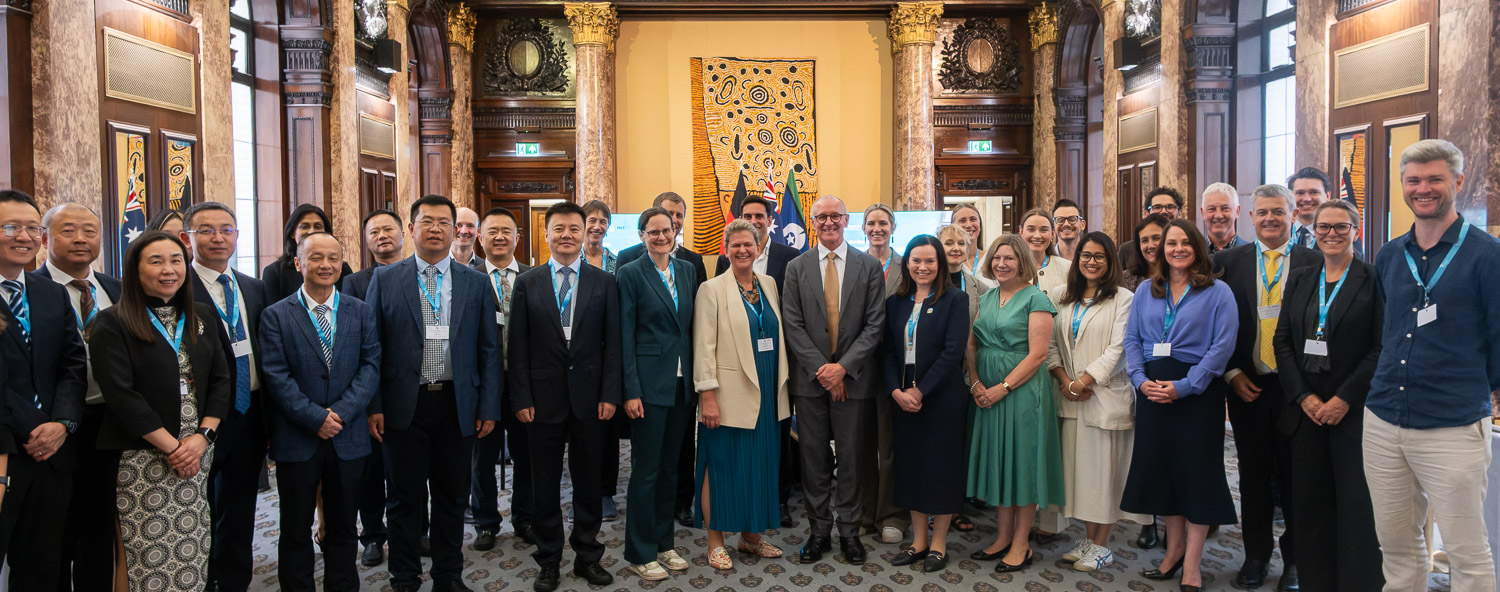
ResponsibleSteel and HILT CRC Convene Experts in London to Advance Low-Emission Steel Standards Interoperability
ResponsibleSteel and the Heavy Industry Low-carbon Transition Cooperative Research Centre (HILT CRC) brought together industry leaders, standards organisations, policymakers, researchers and civil society representatives for the London Interoperability Roundtable on 7 September at the Australia High Commission in London. The discussion focused on one of the most important challenges facing emerging low-emission steel markets: how different climate and steel standards can work together effectively across jurisdictions.
The roundtable explored how greater interoperability between standards can help reduce complexity, improve comparability and support the development of global markets for low-emission steel. Discussions drew on ResponsibleSteel's ongoing partnerships with the China Iron and Steel Association (CISA) and the Low Emission Steel Standard (LESS), whose combined memberships represent the majority of global steel production.
Opening remarks were provided by Hon Jay Weatherill AO, Australian High Commissioner to the United Kingdom, and the programme featured perspectives from Jiang Wei, Secretary General, China Iron and Steel Association (CISA); Dale Seymour, Independent Board Director, ResponsibleSteel; Åsa Ekdahl, Director of Climate Advocacy, worldsteel; Associate Professor Emma Aisbett, Australian National University; Jenny Selway, CEO, HILT CRC; Amy Jackson, Director of Programmes, ResponsibleSteel; Carmen Oswald, Secretary General, Low Emission Steel Standard (LESS); Feng Chao, Deputy Secretary General, CISA and Simon Sharpe, S-Curve Economics. The roundtable was chaired by Annie Heaton, CEO, ResponsibleSteel, and inspired contributions from around the table.
Participants highlighted the growing need for alignment in emissions accounting, measurement and assurance approaches, while recognising that policy thresholds and market requirements may continue to vary between regions.
By the close of the meeting, there was strong agreement that the conversation has evolved beyond whether interoperability is needed to how it can be implemented in practice. Participants identified two key priorities for future collaboration: developing common approaches to emissions accounting and verification, and building greater international alignment around claims, thresholds and definitions of low-emission steel.
The event forms part of ResponsibleSteel's wider work to support credible, transparent and internationally connected markets for responsibly produced, low-emission steel.
