

Strengthening climate transition planning: Revising the ResponsibleSteel Production Standard
Last year marked a decade since the signing of the Paris Agreement and six years since the launch of the ResponsibleSteel Production Standard. In that time, expectations on climate action have shifted dramatically. Global emissions continue to rise, and the 1.5°C warming threshold is now projected to be breached by 2034. To remain on a 1.5°C pathway, the Intergovernmental Panel on Climate Change (IPCC) indicates that global CO₂ emissions must fall by 45% by 2030 and reach net zero by 2050. Yet progress in the steel sector is lagging. According to the Mission Possible Partnership’s Global Project Tracker, only 9% of the required operational or committed near-zero steelmaking capacity was in place by the end of 2024.
Against a backdrop of rising global emissions and growing awareness of the consequences of inaction, ResponsibleSteel is undertaking a timely and necessary revision of its climate-related requirements, specifically criteria 10.1 (corporate commitment to the Paris Agreement), 10.2 (corporate climate-related financial disclosure), 10.5 (site-level emissions targets and planning), and 10.7.1 (GHG disclosure and reporting).
A collaborative revision process
From October to January, ResponsibleSteel convened five Working Group (WG) and Technical Advisory Group (TAG) meetings, bringing together 23 representatives from 15 member organisations across certification bodies, civil society, steelmakers, and the wider steel value chain.
As a participant from SteelWatch noted during the process, “Having a diverse group of members involved in the revision process of the standard helps to achieve a balance between what steelmakers deem feasible and where the standard needs to set the bar to trigger ambitious action. ResponsibleSteel has done well navigating and drawing on different perspectives, turning them into concrete proposals that can be submitted for the next steps of the revision process.”
Three guiding principles framed these discussions:
- Ambition: ensuring alignment with global climate goals and science-based pathways
- Feasibility: recognising real-world constraints, particularly in the near term
- Simplicity: avoiding unnecessary complexity while improving clarity and accountability
A key theme that emerged was the foundational importance of credible transition plans that move beyond aspiration and, at the same time, are grounded in realistic assumptions about technology readiness, capital investment cycles, and enabling conditions. As noted by SteelWatch, “Aligning corporate- and site-level requirements is essential in ensuring that top-level corporate ambition and targets translate into actual investment decisions today, and subsequent material transformation and emissions reductions on the ground.”
Moving beyond outdated decarbonisation roadmaps
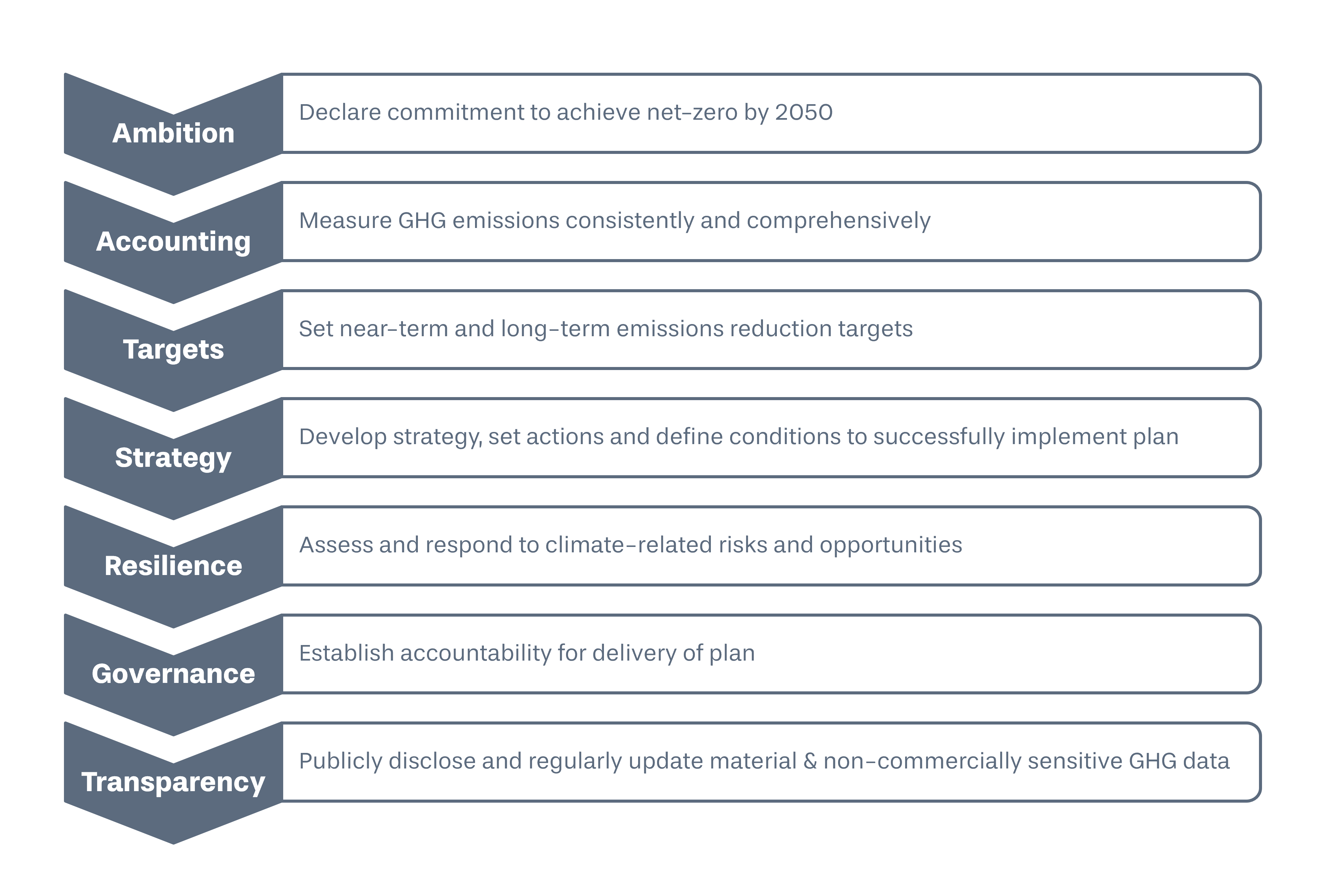
Under the current Production Standard, certified sites must demonstrate that they have a decarbonisation roadmap aligned with an existing model. However, the WG and TAG agreed that many of these models have not been updated in recent years and no longer reflect technological, economic, or policy realities. As a result, they risk undermining rather than strengthening transition planning. The revised approach moves away from a prescriptive reliance on external models and instead proposes to introduce an explicit requirement for a climate transition plan at the corporate and site level.
A participant from EMSTEEL, a ResponsibleSteel member and certified site, commented, “Revising the ResponsibleSteel Standard is an important step in strengthening the steel sector’s collective transition journey. The process provides members with a valuable opportunity to contribute practical insights, share operational experience, and help shape a standard that is both ambitious and implementable. ResponsibleSteel has done an excellent job in creating an inclusive and transparent revision process, encouraging constructive dialogue among members and ensuring diverse industry perspectives are reflected in the development of a stronger and more credible framework.”

What’s proposed to change in the Production Standard?
The proposed revisions strengthen and connect key elements of Principle 10, with a clearer and more coherent architecture across corporate and site levels.
Key improvements include:
- Quantitative, time-bound emissions reduction targets, covering Scope 1 and 2 emissions and material Scope 3 emissions
- Stronger links between corporate- and site-level planning, ensuring that corporate ambition translates into real investment decisions and on-the-ground transformation
- Improved intensity-based disclosures to support comparability, directly aligned with ResponsibleSteel’s broader harmonisation work
- Alignment with leading frameworks, such as IFRS S2 (International Financial Reporting Standards), while retaining flexibility for different regional and operating contexts
- Clearer guardrails for credibility, moving beyond temperature labels alone
There was strong agreement across the WG that clearer wording and guidance are essential to support consistent interpretation and implementation by sites and auditors alike.
Connecting the dots between the Production Standard’s criteria
One of the most important outcomes of the revision process so far has been a clearer set of connections between criteria that, while related, have not previously been well integrated.
In the current Production Standard:
- Corporate transition planning (10.1) is weakly connected to climate-related financial disclosures (10.2)
- Site-level transition planning (10.5) is not sufficiently aligned with corporate-level strategies
- Public GHG emissions disclosure requirements (10.7.1) are limited, focusing mainly on a site’s medium-term reduction target
The proposed changes aim to address these gaps by:
- Requiring climate transition plans to include climate-related financial risks and opportunities, including dependencies that may impose structural barriers, planned changes to business models and strategy;
- Aligning corporate- and site-level planning approaches to reduce carbon leakage risks and ensure consistency across operating boundaries; and
- Strengthening public disclosure requirements to better support accountability, comparability, and progress tracking over time.
Flexibility, credibility, and the reality of steelmaking
The WG and TAG discussions also surfaced a shared understanding of the structural barriers currently slowing decarbonisation in the steel industry. These include:
- Limited technology maturity at scale
- Supply chain and infrastructure constraints
- Energy availability and cost
- Inconsistent or insufficient policy support
- Weak demand signals for low-emission steel
- Trade and competitiveness pressures
Given the long investment timelines and asset lifetimes involved, feasibility in the near term is particularly critical. As such, there was strong support for a flexible, disclosure-driven approach that pairs quantitative targets with qualitative indicators of progress, allowing ResponsibleSteel to uphold high ambition and transparency while recognising that steelmakers cannot address systemic barriers alone.
As ResponsibleSteel’s Decarbonisation Analyst, Melav Salih observed, “A robust climate transition plan must embed decarbonisation within broader strategic and financial planning. It needs to recognise that steelmakers’ transition pathways are shaped by long-lived assets, billion-dollar investment decisions, and dependencies on an ecosystem of change that includes energy systems, infrastructure, policy, and markets.”
Looking ahead
As the Paris Agreement enters its second decade, and as legal, financial, and societal expectations on climate accountability intensify, ResponsibleSteel’s role as a credible, independent standard for the steel industry has never been more important.
By strengthening climate transition planning across corporate strategy, site-level action, financial disclosure, and public reporting, revisions to the Production Standard aim to support steelmakers in navigating this transition transparently and at pace.
Together with parallel work on harmonisation and disclosure alignment, the revisions to climate transition planning requirements represent a critical step toward turning climate commitments into credible, comparable, and feasible transition pathways for the global steel industry.
Learn more about the revision of ResponsibleSteel’s International Production Standard here.


The September edition of the ResponsibleSteel Newsletter is out!
September marks an important milestone for ResponsibleSteel with the launch of the public consultation on proposed revisions to the International Production Standard. Stakeholders are now invited to review and provide feedback on proposals relating to greenhouse gas emissions, just transition, regulatory alignment, annual leave requirements and enabling product claims, helping to shape the future direction of responsible steel production.
In this edition, we share insights from our recent London Interoperability Roundtable, explore why identifying low-emissions steel requires looking beyond a single GWP number, reflect on discussions at Climate Week NYC, and highlight opportunities to get involved with ResponsibleSteel.
Highlights include:
- Launch of the public consultation on proposed revisions to the ResponsibleSteel International Production Standard
- Insights from the London Interoperability Roundtable
- Reflections from Climate Week NYC
- Webinar on EPD-DPL interoperability and comparable GHG emissions data
- ResponsibleSteel vacancies
- Upcoming ResponsibleSteel audits and events
Read the full September newsletter here.

.png)
Consultation now open: Help shape Version 3.0 of the ResponsibleSteel International Production Standard
The International Production Standard is the foundation of ResponsibleSteel's certification programme and a key tool for driving more socially and environmentally responsible steel production globally.
As the steel industry continues to evolve, it is essential that the Production Standard remains relevant, credible and effective. The proposed revisions will inform any revised Version 3.0 of the Production Standard and address a range of topics identified through stakeholder feedback, implementation experience and developments across the regulatory and sustainability landscape. These include:
- Climate Change & GHG Emissions
- Just Transition
- Evolving ESG and Regulatory Frameworks
- Annual Leave Requirements
- Enabling product claims
The survey is open from Wednesday 30 September until Monday 23 November (08:00 UTC).
We invite all interested stakeholders to review the proposed revisions and provide feedback through our consultation process. Your input will play an important role in ensuring the Production Standard remains practical, robust and responsive to the needs of the industry and wider society.
Find out more
Visit the main landing page for detailed information on the proposed revisions, supporting materials, timelines and how to participate - go to page
Focused Discussions
Want to discuss any of the proposed revisions in more detail? Complete our form to let us know which areas you’d like to explore, and we will be in touch - Fill in this form
Consultation Survey
If you are already familiar with the consultation process and proposed changes, you can complete the consultation survey here - Access the survey
We encourage you to share this consultation with colleagues and others who may have an interest in the futuredevelopment of the Production Standard. If you have any questions about the consultation or Standard Revision ingeneral, please contact standards@responsiblesteel.org.
ResponsibleSteel and HILT CRC Convene Experts in London to Advance Low-Emission Steel Standards Interoperability
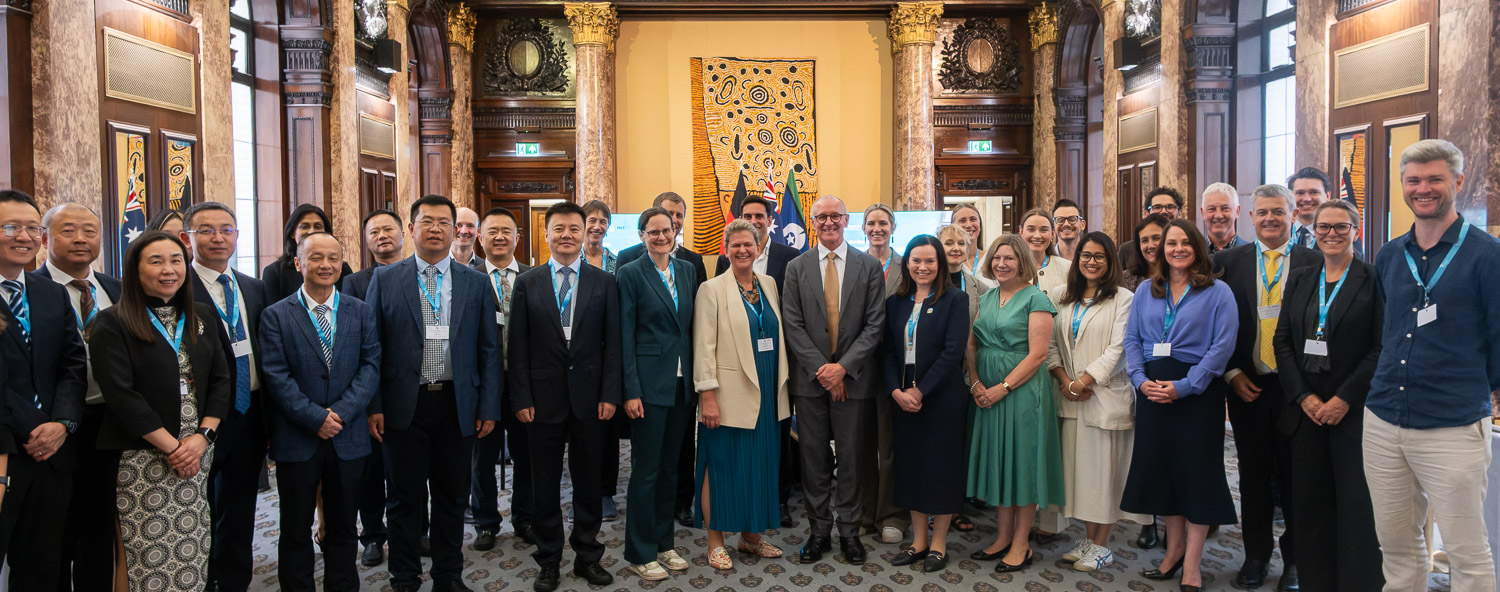
ResponsibleSteel and the Heavy Industry Low-carbon Transition Cooperative Research Centre (HILT CRC) brought together industry leaders, standards organisations, policymakers, researchers and civil society representatives for the London Interoperability Roundtable on 7 September at the Australia High Commission in London. The discussion focused on one of the most important challenges facing emerging low-emission steel markets: how different climate and steel standards can work together effectively across jurisdictions.
The roundtable explored how greater interoperability between standards can help reduce complexity, improve comparability and support the development of global markets for low-emission steel. Discussions drew on ResponsibleSteel's ongoing partnerships with the China Iron and Steel Association (CISA) and the Low Emission Steel Standard (LESS), whose combined memberships represent the majority of global steel production.
Opening remarks were provided by Hon Jay Weatherill AO, Australian High Commissioner to the United Kingdom, and the programme featured perspectives from Jiang Wei, Secretary General, China Iron and Steel Association (CISA); Dale Seymour, Independent Board Director, ResponsibleSteel; Åsa Ekdahl, Director of Climate Advocacy, worldsteel; Associate Professor Emma Aisbett, Australian National University; Jenny Selway, CEO, HILT CRC; Amy Jackson, Director of Programmes, ResponsibleSteel; Carmen Oswald, Secretary General, Low Emission Steel Standard (LESS); Feng Chao, Deputy Secretary General, CISA and Simon Sharpe, S-Curve Economics. The roundtable was chaired by Annie Heaton, CEO, ResponsibleSteel, and inspired contributions from around the table.
Participants highlighted the growing need for alignment in emissions accounting, measurement and assurance approaches, while recognising that policy thresholds and market requirements may continue to vary between regions.
By the close of the meeting, there was strong agreement that the conversation has evolved beyond whether interoperability is needed to how it can be implemented in practice. Participants identified two key priorities for future collaboration: developing common approaches to emissions accounting and verification, and building greater international alignment around claims, thresholds and definitions of low-emission steel.
The event forms part of ResponsibleSteel's wider work to support credible, transparent and internationally connected markets for responsibly produced, low-emission steel.
Beyond the GWP Number: Rethinking how we identify ‘low emissions’ steel
With every heat wave, the need for ‘low emissions’ steel intensifies. And yet awareness of the complexity of measuring and comparing emissions and GHG performance across the steel industry is also growing. The growing use of Environmental Product Declarations (EPDs), especially in the construction sector, signals a welcome shift towards greater transparency around emissions and other environmental impacts. But they also come with risks when used in isolation.
In the recently published report “From Data to Decisions: Comparable GHG Emissions Data for Steel Procurement”, ResponsibleSteel explores to what extent product-level Global Warming Potential (GWP) values reported in EPDs can be reliably linked to the underlying GHG emissions performance of the steelmaking site. Supported by a data collection and conversion process with four steelmaker members, the research suggests the answer is: not yet.
The research examined how GWP values for steel products are calculated in EPDs and whether these values, together with information on Secondary Materials, could be used to determine a steelmaking site's Decarbonisation Progress Level (DPL). This analysis is framed against the Steel Standards Principles' (SSP) Criteria for Transparency in GHG Reporting which is a benchmark already recognised across the sector to improve transparency, understanding and comparability of GHG metrics.
The findings reveal significant challenges in translating between product-level EPD data and site-level measures of decarbonisation.
GWP values for the same steel product could vary substantially even when calculated using the same Product Category Rule. EPDs also do not consistently disclose the use of Secondary Materials. To bridge these gaps, the research team collected more than 30 additional quantitative and qualitative data points directly from participating steelmakers. Even with this additional information, significant variation remained between cases, making the approach unsuitable for reliable conversion.
Three factors were particularly important: system boundaries, co-product allocation and background datasets. Methodological choices within EPDs can have a greater influence on the reported number than genuine differences between steel producers. Using EPD GWP thresholds alone to define 'low emissions' steel could therefore produce misleading procurement outcomes that can stall progress rather than driving meaningful emissions reductions.
This does not mean EPDs should be abandoned. They remain valuable and well-established tools for communicating environmental information, including declarations beyond the GWP value. Instead, the research points to three practical improvements: greater transparency about what each GWP value represents; tighter application of existing standards to reduce methodological variation; and a consistent approach to reporting scrap, distinguishing clearly between scrap, Secondary Material and recycled content.
Ultimately, the product-level GWP value and site-level decarbonisation metric answer different questions. The most credible approach is to use them together: EPDs can provide product-level environmental information, while complementary metrics such as ResponsibleSteel's DPLs can provide evidence of genuine decarbonisation performance.
The SSP Transparency Criteria reinforce this direction bycalling for disclosure of information such as the reporting boundary, steel production route, primary data share, scrap inputs and key accounting choices. Greater transparency of this kind would make it easier for buyers to understand what a reported GWP actually represents and how it can, and cannot, be compared with other emissions metrics.
The direction of travel is already clear. Initiatives including the Industrial Deep Decarbonisation Initiative (IDDI), Catena-X,CEN's draft steel-specific standard, ISO harmonisation work and the SSP are all pointing towards greater transparency and methodological consistency within EPDs.
If steel procurement is to genuinely drive decarbonisation, we need to move beyond a single GWP number. EPD programme operators, steelmakers, manufacturers, specifiers, standards bodies, policymakers and civil society should work together to make product-level emissions data more transparent, comparable and fit for purpose.
The goal is not to replace EPDs, but to make the information they provide more meaningful—and to ensure it is used alongside the right complementary metrics to identify genuinely lower-emissions steel.
What does this mean for steel procurement?
Procurement is one of the most powerful levers for change. But to genuinely drive decarbonisation, buyers need the right data, used in the right way.
We put forward the following recommendations to producers and users of the EPD system:
1. Make EPDs more transparent. Policies, labels and programmes using EPD GWP values for steel should recognise only EPD programmes that meet the SSP Criteria for Transparency in GHG Reporting and disclose key information, including crude steel emissions intensity and scrap share.
2. Look beyond GWP alone. ‘Low emissions’ steel specifications should consider both GHG emissions intensity and scrap share, using a defined, scrap-variable framework such as ResponsibleSteel’s DPLs. EPDs should therefore disclose these metrics alongside GWP, enabling specifiers and procurers to assess emissions performance more meaningfully.
3. Harmonise how steel EPDs are calculated. EPD programme operators, Programme Category Rule (PCR) developers and steel-sector stakeholders should work together to reduce methodological inconsistencies in calculating steel product GWP values, improving comparability while building on the EPD systems already in use.
Read the full report where we dive deeper into the methodology, findings and recommendations for applying DPLs and EPDs together in decision making.
Sign up for the upcoming webinar
This study builds on the findings of the recent policy paper, titled “Global Steel Decarbonisation: From complexity to coherence”.
The August edition of the ResponsibleSteel Newsletter is out!
August was a busy month for ResponsibleSteel, marked by the publication of our new report, From Data to Decisions: Comparable GHG Emissions Data for Steel Procurement, which explores how greenhouse gas emissions data can be used more effectively to support credible steel procurement decisions.
In this edition, we also share insights from our assessment of the International Production Standard against the Steel Standards Principles (SSP) Transparency Criteria, provide updates on preparations for our interoperability roundtable in London, and look ahead to Climate Week NYC, where ResponsibleSteel will be participating in discussions on steel decarbonisation and responsible sourcing.
Highlights include:
- Launch of our report From Data to Decisions: Comparable GHG Emissions Data for Steel Procurement
- Upcoming webinar exploring the report's findings and recommendations
- Assessment of the International Production Standard against the SSP Transparency Criteria
- Updates on interoperability and collaboration across the steel standards landscape
- ResponsibleSteel at Climate Week NYC
- New members and community updates
- Upcoming ResponsibleSteel audits and events
Read the full August newsletter here.

New report: Improving EPDs for GHG emissions data for steel procurement
As demand for low emission steel grows, buyers increasingly need reliable and comparable information to understand the emissions performance of the products they are purchasing. Environmental Product Declarations (EPDs) are an established tool for providing this information – but how effectively do they reflect genuine differences in steelmaking emissions?
ResponsibleSteel’s new report, From Data to Decisions: Comparable GHG Emissions Data for Steel Procurement, examines this question using real, verified site-level data from steelmakers.
What did we find?
The analysis demonstrates that GHG values reported at product level can vary significantly, even where products are assessed using the same Product Category Rule. Importantly, methodological choices – including system boundaries, approaches to co-product allocation and background datasets – can have a significant influence on reported emissions.
This means that relying on product-level GWP (Global Warming Potential1) values alone to identify and procure ‘low-emissions’ steel can produce misleading results, potentially rewarding methodological differences rather than genuine decarbonisation progress.
The report does not argue that EPDs are unsuitable for steel procurement. Rather, it highlights the importance of greater transparency, comparability and consistency in the way emissions information is calculated and communicated.
Towards more credible steel procurement
For markets to effectively recognise and reward genuine emissions reductions, buyers need confidence that the emissions data they use allows for meaningful comparison between products and producers.
The report sets out practical recommendations for strengthening the foundations of credible low-emissions steel procurement, including greater transparency around emissions calculations, clearer disclosure of crude steel emissions intensity and scrap content, and approaches that enable more meaningful comparison of steel products.
[1] Global Warming Potential (GWP) in an Environmental Product Declaration (EPD) is a standardised metric that measures how much heat a product's greenhouse gas emissions trap in the atmosphere, relative to carbon dioxide (CO₂).
The steel sector has an emissions data problem
By Dr. Alli Devlin (Decarbonisation Lead, ResponsibleSteel) and Melav Salih (Decarbonisation Advisor, ResponsibleSteel)
The steel sector needs emissions data that can be compared, not just data that can be reported.
That’s why it was a significant development when the Steel Standards Principles’ (SSP) Agreement on transparency in greenhouse gas emissions metrics for steel was published last December.
Established in 2023 by the Clean Energy Ministerial Industrial Deep Decarbonization Initiative (IDDI), International Energy Agency (IEA), ResponsibleSteel, Steel Breakthrough Agenda, World Steel Association and the World Trade Organisation, and launched at COP 28, the SSP now brings together over 65 endorsing organisations including standards bodies, steelmakers, industry associations and civil society.
December’s agreement sets out common disclosure points to improve comparability across steel standards and methodologies – ‘Transparency Criteria’ - which seven standards organisations and initiatives committed to aligning their reporting requirements to. This is an important first step towards achieving comparable GHG data disclosures across the steel landscape.
We recently tested the ResponsibleSteel International Production Standard against the Transparency Criteria, and found that our standards already meet nine of the thirteen criteria related to transparent reporting, on critical areas like system boundaries and co-product allocation. For the remaining four criteria, we have clear actions identified to increase transparency in our upcoming standard revision process related to:
- Ferrous scrap inputs
- Use of alternative fuels
- Use and allocation of market-/location-based electricity and contractual instruments, and
- Transmission losses from imported electricity.
This exercise highlights an important principle: transparency and comparability require standard setters to look critically at their own methodologies, not just call for alignment from others.
As demand for ‘low emissions’ steel grows through procurement, green building schemes and regulation, differences in system boundaries, allocation methods and datasets can have a major influence on reported emissions – sometimes obscuring the differences that matter.
Our call to the sector: standard-setters, EPD programme operators and certification bodies should assess and publish how their methodologies align with the SSP Transparency Criteria.
Alignment will only work if everyone is prepared to be transparent about where they stand and where they need to improve.
It also points to a bigger challenge: what will it take for site- and product-level steel emissions data to genuinely speak the same language?
If you’re interested in possible answers to this question, we are currently preparing a paper examining this question for EPDs and the ResponsibleSteel Decarbonisation Progress Levels (DPLs), which will be available soon.
Learn more about the ResponsibleSteel approach to GHG emissions accounting and classification
.jpeg)
Shaping Version 3.0 of the ResponsibleSteel International Production Standard
The revision of the ResponsibleSteel International Production Standard is picking up pace. Launched in late 2024 with a scoping consultation, the revision process is now reaching an inflection point: we have been consolidating input from the various Working Groups and other stakeholders’ feedback into a first draft for public consultation.
Below, we reflect on who ourstakeholders are, why their engagement matters, and how different perspectives can help drive the future of responsible steel production.
Why stakeholder engagement matters
Revising an international standard affects not only steel producers and workers, but also other businesses in the value chain, communities, auditors, civil society organisations, and governments — and more — worldwide. This requires a process that is transparent, credible, and robust.
The steel industry is under growing pressure to decarbonise, strengthen human rights protections, and improve transparency across supply chains. A credible sustainability standard must reflect not only technical expertise and best practice, but also the realities faced by those implementing, auditing, and impacted by the standard.
That is why stakeholder engagement sits at the heart of the revision process, ensuring that the Production Standard is informed by a diversity of perspectives, grounded in real-world experience, and trusted by not only steelmakers but industry stakeholders more widely.
Mapping stakeholders across the steel ecosystem
As part of our standard revision work, we identified a broad range of stakeholders who are either directly or indirectly affected by the Production Standard and its revision.
Groups most directly affected are ResponsibleSteel value chain members and certificate holders, certification bodies, and recognised standard-setting schemes, as they directly implement, assess, or depend on the Production Standard.
These stakeholders provide practical insight into how requirements function on the ground, including challenges related to auditing, implementation, and operational feasibility.
More widely, ResponsibleSteel seeks input from members across all stakeholder groups, including:
· civil society organisations and NGOs,
· industry representatives,
· governments,
· scientists and academics, and
· communities affected by steel production.
We also welcome perspectives from non-member organisations, including companies across the steel value chain, whose experience and expertise help strengthen the revision process.
Each group brings different expectations and priorities to the process — from scientific rigour and legal alignment to labour rights, environmental integrity, and local community impacts.
Creating multiple channels for participation
Recognising that stakeholders engage in different ways, we have developed a multi-channel communications and engagement strategy.
Engagement spans channels like in-person and online meetings, webinars, Working Groups, Technical Advisory Groups (TAGs), member reference groups, member newsletters, targeted outreach, social media, and public consultations.
This layered approach helps ensure that both highly engaged technical participants and broader stakeholder audiences can contribute meaningfully to the revision process.
From awareness to active participation
The revision process has progressed through several stages, from raising awareness and sharing information, to convening Working Groups, member reference groups and Technical Advisory Groups to explore key technical and social topics in greater depth. Throughout, ResponsibleSteel has sought to create meaningful opportunities for stakeholders to engage with and inform the development of the revised Production Standard.
The public consultation: a milestone for stakeholder engagement
One of the most important milestones for stakeholder engagement in the revision of the ResponsibleSteel International Production Standard will be the public consultation, expected to launch in late-Q3 2026.
While Working Groups and Technical Advisory Groups provide dedicated forums for technical discussion and expert input, the consultation opens the process to a much broader audience. It creates an opportunity for anyone with an interest in responsible steel production, from steelmakers and downstream manufacturers to civil society organisations, researchers, governments, workers, and affected communities, to have their voice heard.
This stage is about more than simply inviting comments. It is an opportunity to hear directly from stakeholders about their real-world experiences, identify issues that may not have emerged during technical discussions, and understand how the proposed revisions could affect different parts of the steel value chain. By bringing together a wide range of perspectives, the consultation helps strengthen both the quality of the Production Standard and confidence in the process used to develop it.
The consultation will be supported by webinars, outreach activities, newsletters, and detailed consultation materials designed to help stakeholders understand the proposed changes and provide informed feedback. Every submission will be reviewed and considered part of the revision process, helping to shape the final version of the Production Standard. ResponsibleSteel will share further details on how to participate in the coming weeks and months.
Learn more about the standard revision process here.

New report: How greater policy coherence can accelerate global steel decarbonisation
Steel is essential to modern economies, underpinning everything from buildings and transport to energy infrastructure and manufacturing. Yet the sector is also responsible for around 8% of global greenhouse gas emissions, making its decarbonisation a critical component of achieving global climate goals.
Today, ResponsibleSteel has published a new report, Global Steel Decarbonisation: From complexity to coherence, examining how fragmented policy frameworks are creating barriers to the transition to low-emission steelmaking.
Across the world, governments are introducing policies designed to reduce emissions from steel production while maintaining competitiveness, supporting jobs and strengthening industrial capacity. While these objectives are often aligned in principle, they are increasingly being pursued through separate and sometimes incompatible policy frameworks.
The result is a growing patchwork of regulations, reporting requirements, emissions methodologies and product classifications that can increase complexity for producers, create uncertainty for investors and make it more difficult for markets to recognise and reward genuine decarbonisation progress.
As Annie Heaton, CEO of ResponsibleSteel, explains:
“Right now, policy fragmentation is slowing down the very transition it is meant to accelerate. Greater alignment is entirely achievable, and essential, if we are to unlock investment and deliver steel decarbonisation at the pace required.”
A global review of steel decarbonisation policy
The report provides a global review of steel decarbonisation policy, with a particular focus on the European Union and India, two of the world's largest steel producers and consumer markets.
It examines the expanding mix of policies shaping the transition, including trade measures, sustainable finance frameworks, public procurement requirements, green steel labelling initiatives and ESG-related regulations.
While policy activity is accelerating in both regions, the report finds that many frameworks are built on different foundations. Diverging definitions of low-emission steel, inconsistent emissions accounting methodologies and varying approaches to recycled steel content can create friction across markets and weaken investment signals.
From complexity to coherence
The report argues that governments do not need to start from scratch. Instead, greater policy coherence can be achieved through stronger alignment between existing standards, certification systems and data requirements.
To support this, the report identifies a number of practical actions that policymakers can take:
- Establish more consistent approaches to measuring and reporting steel emissions.
- Reduce duplicated reporting requirements through greater recognition of independently verified data across jurisdictions.
- Develop common approaches to accounting for recycled and primary steel content, including the use of scrap-variable metrics.
- Strengthen traceability through credible chain-of-custody systems across steel supply chains.
- Better integrate environmental, social and governance considerations into steel decarbonisation policy frameworks.
Together, these measures can help create more transparent and competitive markets for low-emission steel, reward producers making genuine progress on decarbonisation and support the investment needed to accelerate the transition.
Download the report
Global Steel Decarbonisation: From complexity to coherence explores these challenges and opportunities in greater detail, providing practical recommendations for policymakers, industry stakeholders and investors seeking to support the transition to low-emission steel.
%20(1).jpg)
ResponsibleSteel Forum 2027 to bring the global steel community to Abu Dhabi
ResponsibleSteel has announced that its flagship global Forum will take place in Abu Dhabi, UAE, from 16–18 March 2027, bringing together more than 400 leaders from across the iron and steel value chain to accelerate progress towards responsibly produced, low-emission steel.
Hosted with the support of Lead Sponsor EMSTEEL, the ResponsibleSteel Forum 2027 will provide a global platform for collaboration, bringing together stakeholders from across the steel value chain. The Forum will focus on tackling real-world challenges, advancing practical solutions and accelerating the actions needed to scale responsible, low-emission steel production, while strengthening the policy, investment and market frameworks that will enable the industry's transition.
The multi-day programme will feature keynote discussions, plenary sessions, practical working sessions, targeted roundtables and networking opportunities designed to encourage collaboration and knowledge sharing. Participants will include steelmakers, raw material suppliers, downstream buyers from sectors including automotive, construction and energy, alongside policymakers, financial institutions, trade unions and civil society organisations. Together, they will explore the challenges facing the sector and identify practical solutions that can help accelerate progress while recognising leadership and innovation across the industry.
The MENA region is becoming increasingly important to the global steel transition, and the ResponsibleSteel Forum 2027 will reflect that momentum by bringing the global steel community to Abu Dhabi. With access to renewable energy, emerging hydrogen capabilities and strong industrial ambition, the region is well positioned to play a leading role in the shift towards near-zero steel. The Forum will also serve as an important bridge between COP31 and COP32, helping shape the steel sector's contribution to international climate discussions.
The Forum will be global in scope, bringing together participants from a broad and diverse range of countries and regions. It reflects the international nature of the iron and steel value chain and the shared need for credible standards, enabling policy, investment and stronger market signals to support the transition to responsible steel production.
The programme will focus on moving from ambition to implementation, including:
- Advancing credible standards and certification for responsible steel
- Scaling near-zero emissions iron and steel production
- Strengthening demand signals and green procurement
- Unlocking finance and investment for transition technologies
- Ensuring a just and inclusive transition across the value chain
Further details on the programme and speakers will be announced in due course.
ResponsibleSteel CEO Annie Heaton said the Forum comes at a pivotal moment for the industry, as the global transition continues to reshape steel production and the role of clean energy infrastructure becomes increasingly important.
"At a time when the global context continues to shift, we are acutely aware of the importance of clean energy infrastructure and the growing role of sunbelt economies in enabling the transition to low emission iron and steel. Against that backdrop, the ResponsibleSteel Forum 2027 will bring together leaders from across the value chain for what promises to be a timely global conversation on the future of responsible steel. By convening this multistakeholder community in the UAE, we aim to turn shared ambition into coordinated and coherent action and accelerate progress towards a more responsible, low-emission industry."
ResponsibleSteel Chair Gerry Tidd said the Forum reflects the organisation's founding belief that lasting progress depends on collaboration across the steel value chain and between a broad range of stakeholders.
"ResponsibleSteel was founded more than a decade ago, on the belief that real sustainability in steel requires collective action by multi-stakeholders. At a time of rapid technological and economic challenge for the sector, ResponsibleSteel plans to host the ResponsibleSteel Forum 2027 where we bring all our members and stakeholders together to address the near- and long-term future of sustainable steel.
The Forum 2027 will be held in the MENA region and hosted by leading steelmaker, EMSTEEL. The Forum will convene a worldwide collection of leaders from across our dynamic industry. It's a Forum not to be missed."
For EMSTEEL, hosting the Forum marks an important milestone for both the company and the wider region. Group CEO Eng. Saeed Ghumran Al Remeithi said the event reflects Abu Dhabi's growing role as an international centre for industrial transformation while providing an opportunity for stakeholders to align around practical solutions for the future of steel.
"Hosting the ResponsibleSteel Forum in Abu Dhabi for the first time in the MENA region is a strategic milestone for EMSTEEL, the UAE, and the global steel industry. It reflects Abu Dhabi's growing role as an international centre for industrial transformation and climate-focused dialogue, while reinforcing EMSTEEL's leadership in advancing responsible steel production. As decarbonisation continues to reshape operating models, investment decisions, and long-term competitiveness, this Forum will provide a critical platform to align global stakeholders around practical solutions that support a more resilient and sustainable steel sector."
Join us in Abu Dhabi
Registration will open soon. If you'd like to receive updates and be among the first to hear when registration opens, register your interest below.
Sponsorship opportunities
A range of sponsorship opportunities is available for organisations looking to showcase their leadership and engage with an international audience of industry decision-makers.
If you're interested in sponsoring the ResponsibleSteel Forum 2027, please contact alobo@responsiblesteel.org

The July edition of the ResponsibleSteel Newsletter is out!
This July, we were delighted to announce that the ResponsibleSteel Forum 2027 will take place in Abu Dhabi, UAE, from 16–18 March, hosted by EMSTEEL. We also launched our latest policy report, Global Steel Decarbonisation: From Complexity to Coherence, which explores how increasing policy fragmentation risks slowing the transition to low-emission steel.
In this edition, we share an article on the importance of stakeholder engagement in the ResponsibleSteel Standard Revision process, as well as an exciting opportunity to join our team as Communications Lead.
Highlights include:
- ResponsibleSteel Forum 2027, Abu Dhabi, UAE (16–18 March)
- Launch of our policy report: Global Steel Decarbonisation: From Complexity to Coherence
- Why stakeholder engagement matters in the Standard Revision process
- Aluminium Stewardship Initiative webinar on responsible shipping
- New standard released by the Science Based Targets initiative (SBTi)
- Career opportunity: Communications Lead at ResponsibleSteel
- Upcoming ResponsibleSteel audits
Read the full July newsletter here.
The June edition of the ResponsibleSteel Newsletter is out!
June was an eventful month. ResponsibleSteel took part in London Climate Action Week, marking our tenth anniversary with a well-attended Member Reception and a productive Finance Working Group focused on how the steel industry can unlock transition finance.
In this newsletter, we share reflections from our CEO, Annie Heaton, on ten years of ResponsibleSteel and introduce our updated strategy for navigating a changing economic and political landscape. We also highlight progress on global interoperability following a workshop with the China Iron and Steel Association (CISA), welcome TÜV India as an approved certification body, and share insights from a new UNIDO report on steel decarbonisation technologies.
Highlights include:
- Celebrating 10 years of ResponsibleSteel at our Member Reception during London Climate Action Week.
- Key outcomes from our Finance Working Group on enabling transition finance for the steel sector.
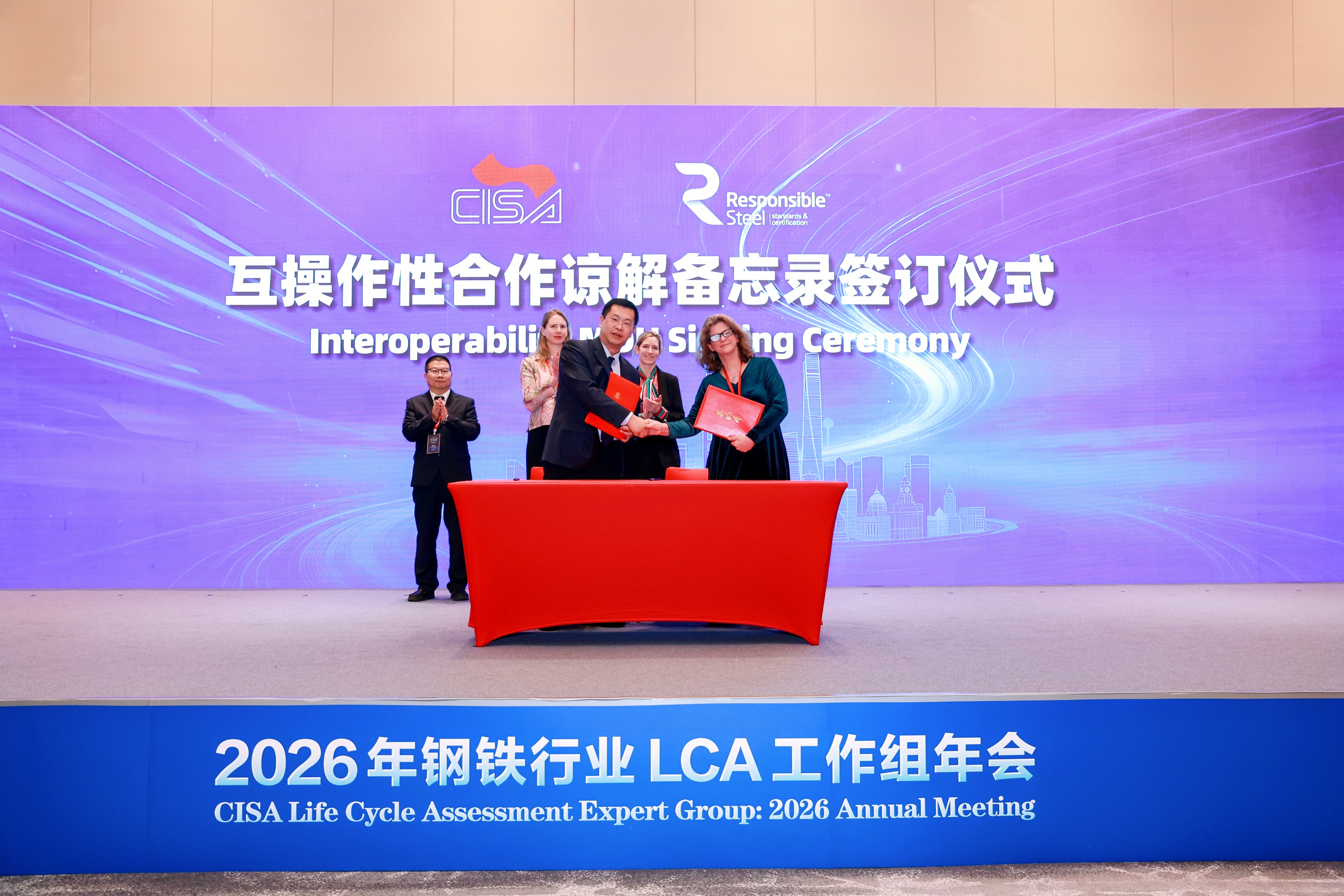
- Progress towards global interoperability following a workshop with CISA in Shanghai.
- Annie Heaton's webinar 'Green Steel, Standards and Synchronicity' as part of the IOM3 Cavendish Lecture Series.
- The approval of TÜV India as a ResponsibleSteel certification body.
- Two opportunities to join the ResponsibleSteel team: China Programme Lead and Communications Lead.
- Upcoming ResponsibleSteel audits.
Read the full June newsletter here.
