Driving just transitions in the mining and steel sectors
This report presents the outcome of a joint initiative between ResponsibleSteel and the Initiative for Responsible Mining Assurance (IRMA) exploring how voluntary sustainability systems (VSSs) can support a just transition in the mining and steel sectors. It aims to capture emerging expectations, highlight areas of alignment and disagreements, and provide a practical foundation for integrating just transition considerations into standards and assurance systems.
Heading

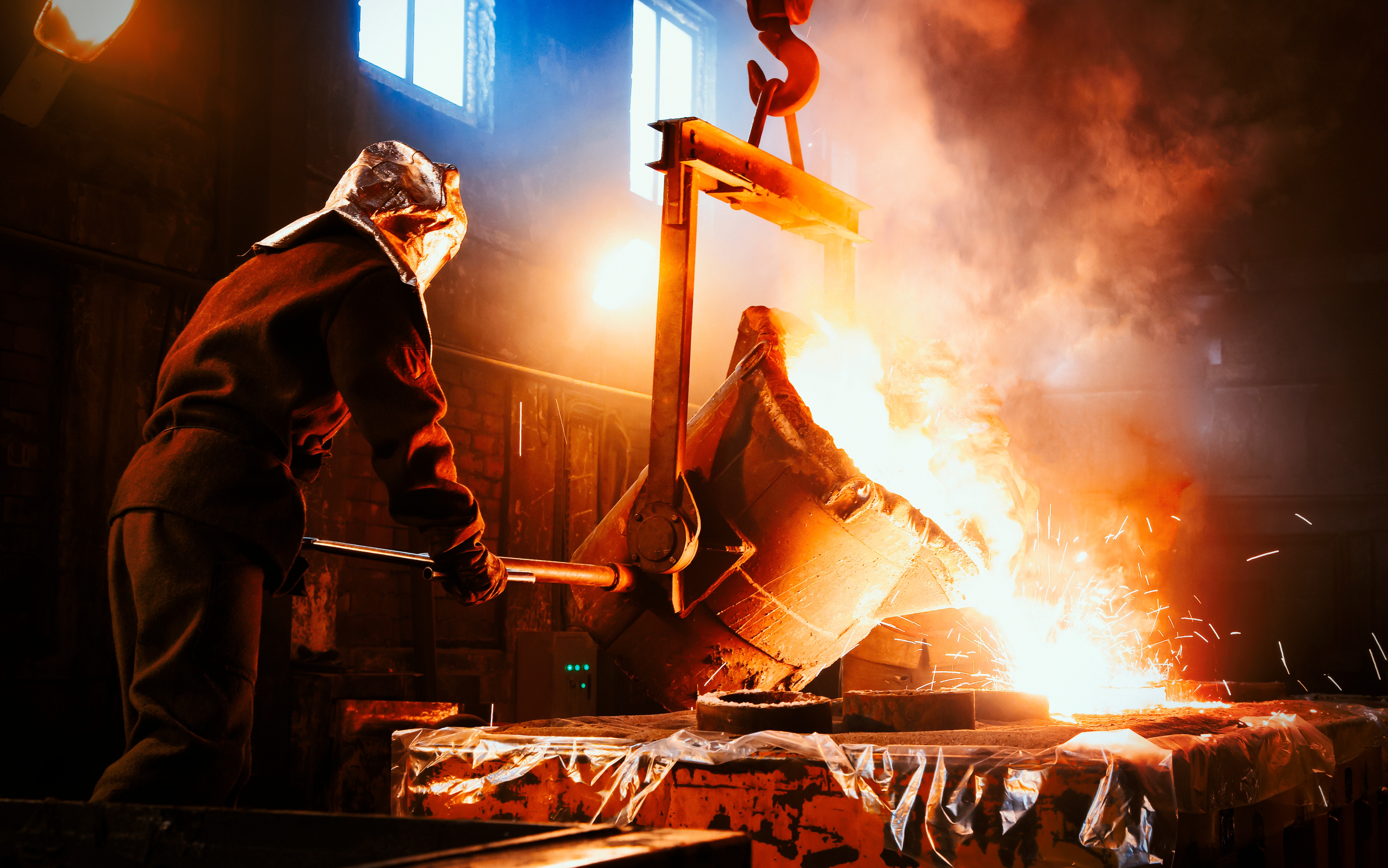
Industrial decarbonisation has increasingly become an urgent priority for governments and industry globally, and few sectors face stronger pressure to adapt than mining and steel.
The transitions ahead will drive structural changes stretching across mining, iron, and steel value chains and have the potential to reshape livelihoods, communities, and supply chains in ways that are only beginning to be fully analysed. Without careful planning, there is a real risk that workers and affected communities will be left behind.
As the push to decarbonise accelerates, we will see profound changes. Traditional steelmaking regions may see employment shifts as blast furnaces close, while demand for higher‑grade iron ore and expanded beneficiation is expected to rise. The move toward electric and hydrogen‑based steelmaking will require vast new renewable energy systems, alongside major changes to transport and logistics infrastructure. These shifts are already affecting the mining sector, especially with the reduced demand for coal, as is the increasing demand for critical minerals and metals. While these developments may be necessary for the shift to a lower carbon economy, we also have to be aware of the danger of redistributing, rather than eliminating, other associated social and environmental impacts along the value chain. This highlights the need for holistic, value chain-wide approaches to managing transition impacts.
At the same time, greater efforts are needed to ensure that those workers and communities most affected by the transition are adequately supported. Key stakeholder groups, including trade unions, communities and Indigenous rights organisations, are urging governments and industry to ensure that transitions are not only ‘fast’ but also ‘fair’ or ‘just’. Voluntary sustainability standards (VSSs) can play an important role in raising awareness about just transitions and providing principles and frameworks to guide industry practice.
About this report
This is the final report from a project to explore the potential role of VSSs in promoting and supporting just transitions, led by ResponsibleSteel and the Initiative for Responsible Mining Assurance (IRMA) and funded by a grant from the ISEAL Innovations Fund, which is supported by the Swiss State Secretariat for Economic Affairs (SECO). The project sought to identify the role standards can play towards socially responsible transitions in heavy industries such as steel and mining; and identify and engage relevant stakeholders to agree on an approach, framework or set of principles to take forward.
Explore related content
View All