
Celebrating 10 Years of ResponsibleSteel – and Looking Ahead
Celebrating 10 Years of ResponsibleSteel – and Looking Ahead
Celebrating 10 Years of ResponsibleSteel – and Looking Ahead
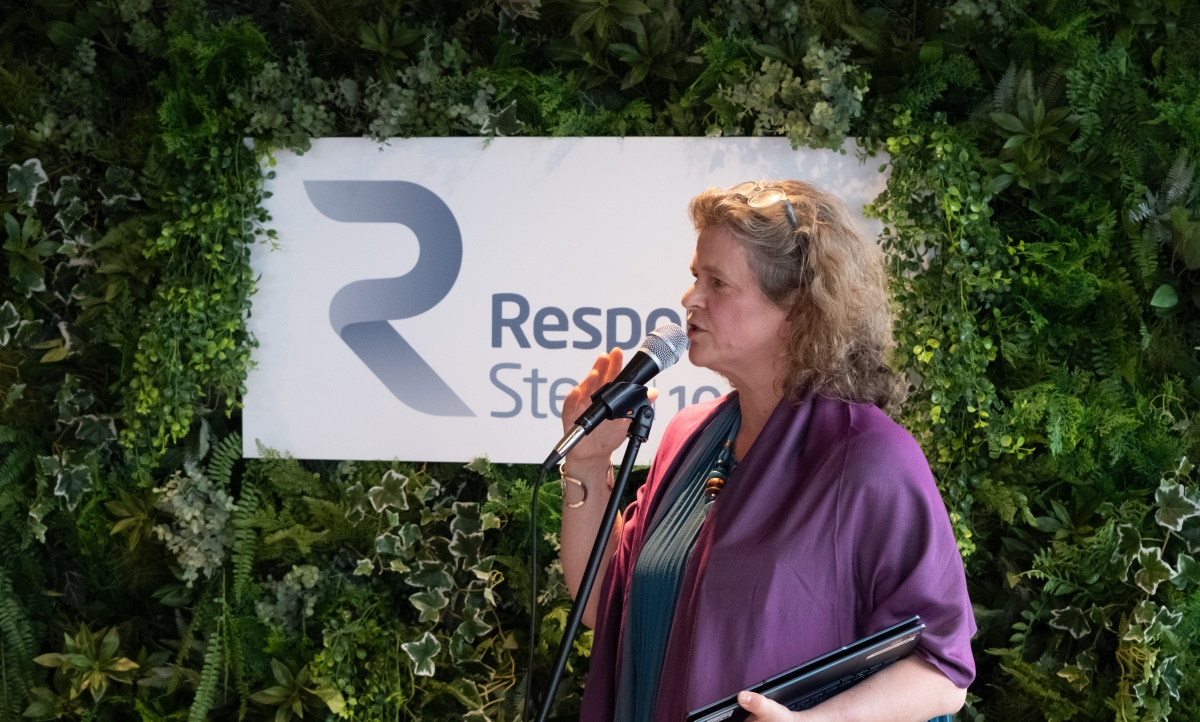
By Annie Heaton, CEO, ResponsibleSteel
Last week, we brought together stakeholders from across the steel value chain in London to mark ten years of ResponsibleSteel. Held during London Climate Action Week, it was an opportunity to reflect on progress and look ahead to the challenges shaping the industry’s future.
It’s remarkable to think how far we’ve come since the first ideas began to form in the Australian Steel Stewardship Forum, culminating in the registration of ResponsibleSteel in 2016.
In 2019, we launched the ResponsibleSteel International Production Standard, with site audits beginning the following year. We now have over 150 members and 90 certified sites, covering more than 270,000 workers.
What began as an ambitious vision - to create a global multi-stakeholder system that certifies what good looks like for steel - has grown into a truly respected movement in every continent.
We can be immensely proud of what ResponsibleSteel has achieved over the past decade. Yet, we know the steel industry operates in a complex and often volatile environment and we cannot afford to be complacent, as our Chair Gerry Tidd reflected at the reception last week.
A strategy for the future
Anniversaries are also a moment to reassess. To remain effective, we must continue to evolve. Investment is slowing, uncertainty is rising, and the pace of decarbonisation is under pressure. These challenges make the need for trusted standards, credible measurement, and effective collaboration more, not less, important.
Over the past year, we have worked with our Board and our members to develop a new strategy to advance our mission. Our work will focus on three priorities:
1. First, catalysing leadership in responsibly produced iron as well as steel – driving progress across the full value chain from raw material extraction through to finished steel,
2. Second, enabling a level playing field for steelmakers on GHG, via alignment and interoperability to enable a coherent trading system across the industry,
3. Third, helping to shape markets in which responsibly produced, low-emissions steel can thrive via public and private sector policy to drive demand and finance for responsible decarbonisation.
Central to this is working with our multi-stakeholder community to ensure our standards and assurance systems remain practical, credible and relevant.
With this strategy in mind, I want to share a few examples of how this strategy will be translated into action in the first year.
The first will be the introduction of our Accelerator Groups initiative - focused, collaborative groups bringing together stakeholders from across the value chain to address shared challenges, remove barriers to progress, and accelerate action. Initial Accelerators will focus on automotive value chains and transition finance.
Secondly, we have long recognised the importance of bringing China into the emerging global market for low-emissions steel. Building on our considerable progress since COP31 with the China Iron and Steel Association (CISA) on interoperable GHG measurement rules, alongside our work with LESS, our next focus is advancing interoperable verification, assurance, and GHG claims to support a trusted global market for low-emissions iron and steel.
Finally, we know that our stakeholders value opportunities to come together in person to exchange ideas, strengthen relationships, and build momentum for change. With that in mind, we are excited to be planning a major in-person event for early next year – keep an eye out for an announcement imminently.
We will, of course, be sharing more details on our strategy and these innovations in the weeks and months ahead.
Ten years ago, ResponsibleSteel began as an ambitious idea. Today, it is a global organisation helping to drive responsible production across one of the world's most important industries. As we celebrate this milestone, we remain focused on building a steel industry that is more responsible, resilient and sustainable.

Annie is the CEO of ResponsibleSteel and has spent 30 years in sustainability. Most recently she spent nine years shaping ArcelorMittal’s sustainability agenda, leading on stakeholder engagement, reporting, and investor relations. Prior to this, she worked with global renewable energy firm RES Group in their zero emissions head office, establishing their environmental education programme and initiating their sustainability programme as the company developed large- and small-scale wind, solar and biomass projects.
Annie graduated with a bachelor’s degree in Politics, Philosophy and Economics from the University of Oxford. She has completed several CPD courses in renewable energy, corporate social responsibility, human rights, and steelmaking.
