
Human rights in steel: ResponsibleSteel's approach
Human rights in steel: ResponsibleSteel's approach
Human rights in steel: ResponsibleSteel's approach
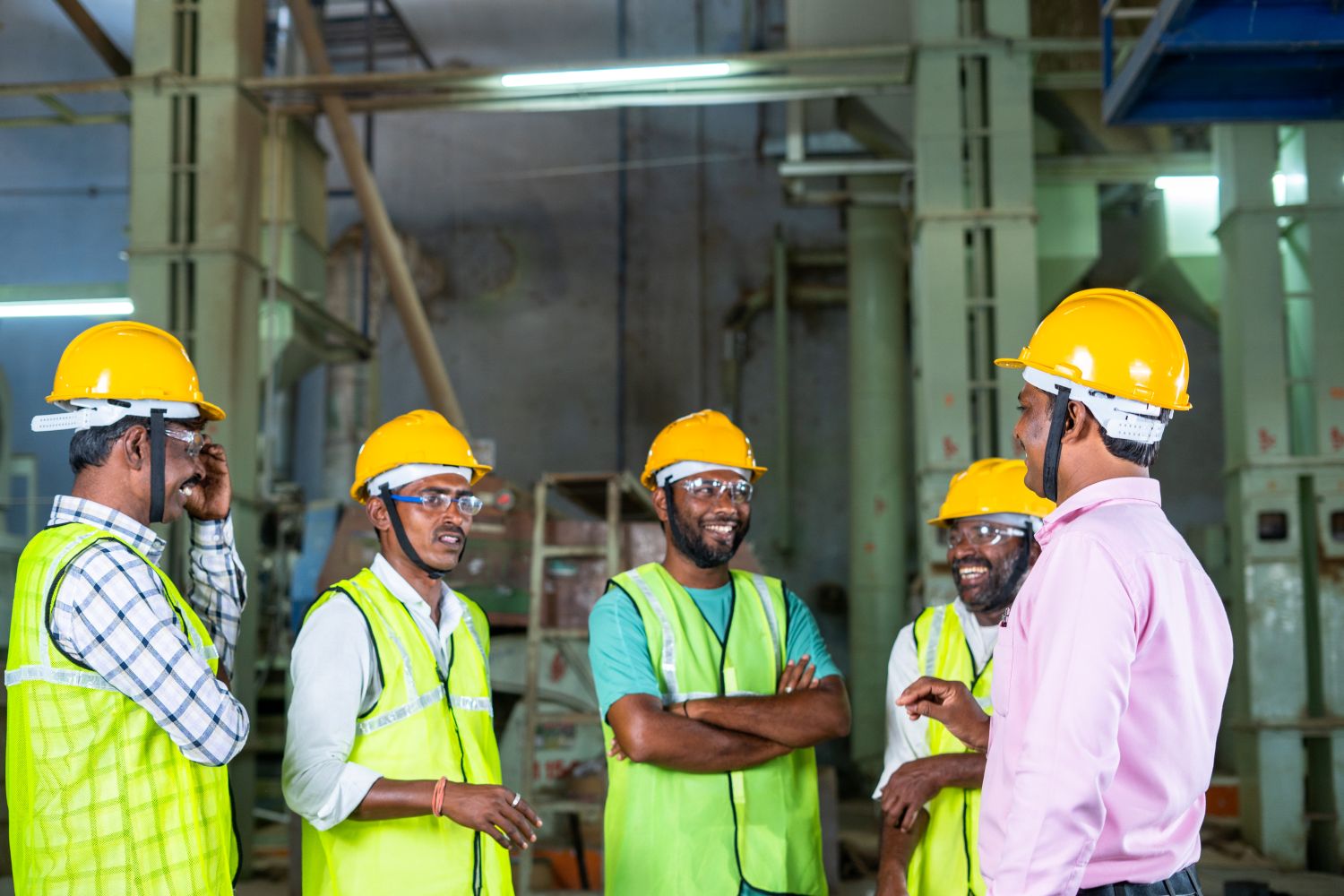
The steel industry is experiencing a significant transformation, with human rights increasingly recognised as a key aspect of that change. International Human Rights Day serves as a reminder of why this is so important. It commemorates the day in 1948 when the United Nations General Assembly adopted the Universal Declaration of Human Rights. This sets out a broad range of fundamental rights, protections and freedoms to which all of us are entitled, regardless of nationality, place of residence, gender or any other status.
According to the latest report by the OECD, the steel industry employs more than six million individuals worldwide. It’s a key pillar of the global economy and a major source of jobs. However, from the extraction of raw materials to the manufacturing of finished steel products, every step of the steelmaking process can pose significant risks to human rights. These risks can arise from unsafe labour conditions, the displacement of Indigenous communities, or environmental degradation that affects local populations. Ensuring steel is produced responsibly, with care and consideration for workers and local stakeholders, requires rigorous and multifaceted mitigation measures to minimise these risks.
That’s why ResponsibleSteel’s International Production Standard incorporates vital requirements to help safeguard workers, communities, and local ecosystems and foster a culture of safety and respect across the supply chain. Already, around nearly 90 sites have achieved ResponsibleSteel Core Site Certification, which assesses steelmakers against more than 300 core requirements. These span key social and environmental aspects of steelmaking, including human rights, health and safety, labour rights, and impacts on local communities. Sites undergo a robust, independent audit process involving documentation review, on-site visits, and extensive engagement with workers and local stakeholders. This isn’t just a box-ticking exercise – achieving certification demonstrates a clear commitment to upholding the full scope of ESG responsibilities.
The Human Rights Principle is central to our International Production Standard because it is a fundamental component to building an industry that is sustainable, safe and grounded in respect. Together, the 13 Principles embedded in our Production Standard ensure that the safety of workers, the wider community and the environment is prioritised at every stage of steel production.
This Human Rights Day serves as a reminder that the steel industry must consider and support the people who power it, and without strong frameworks in place to do so, there can be no true social or environmental progress.

