

Reflections from China: ResponsibleSteel's CEO Annie Heaton discusses building interoperability across global standards
Interoperability: Building a bridge between global standards
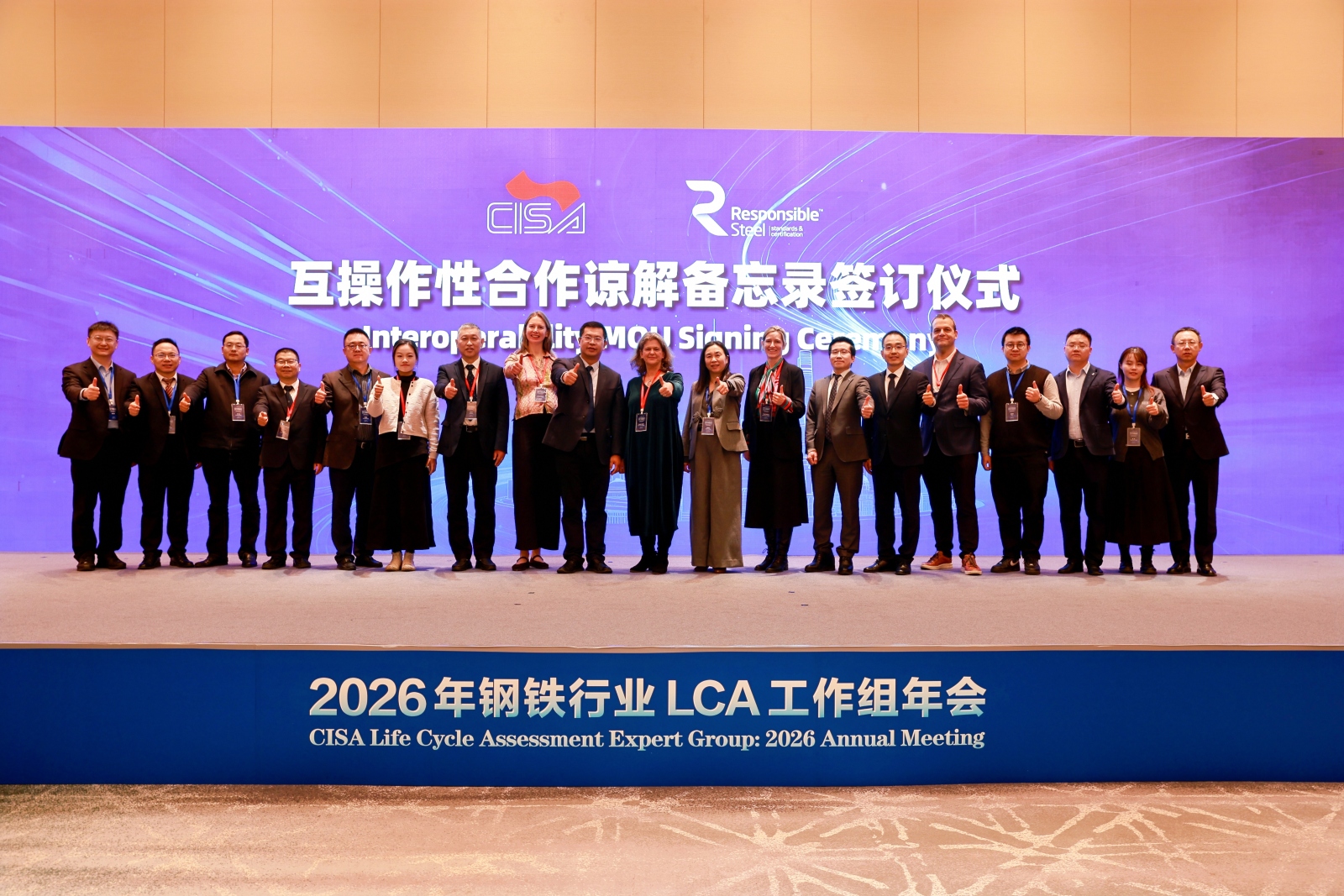
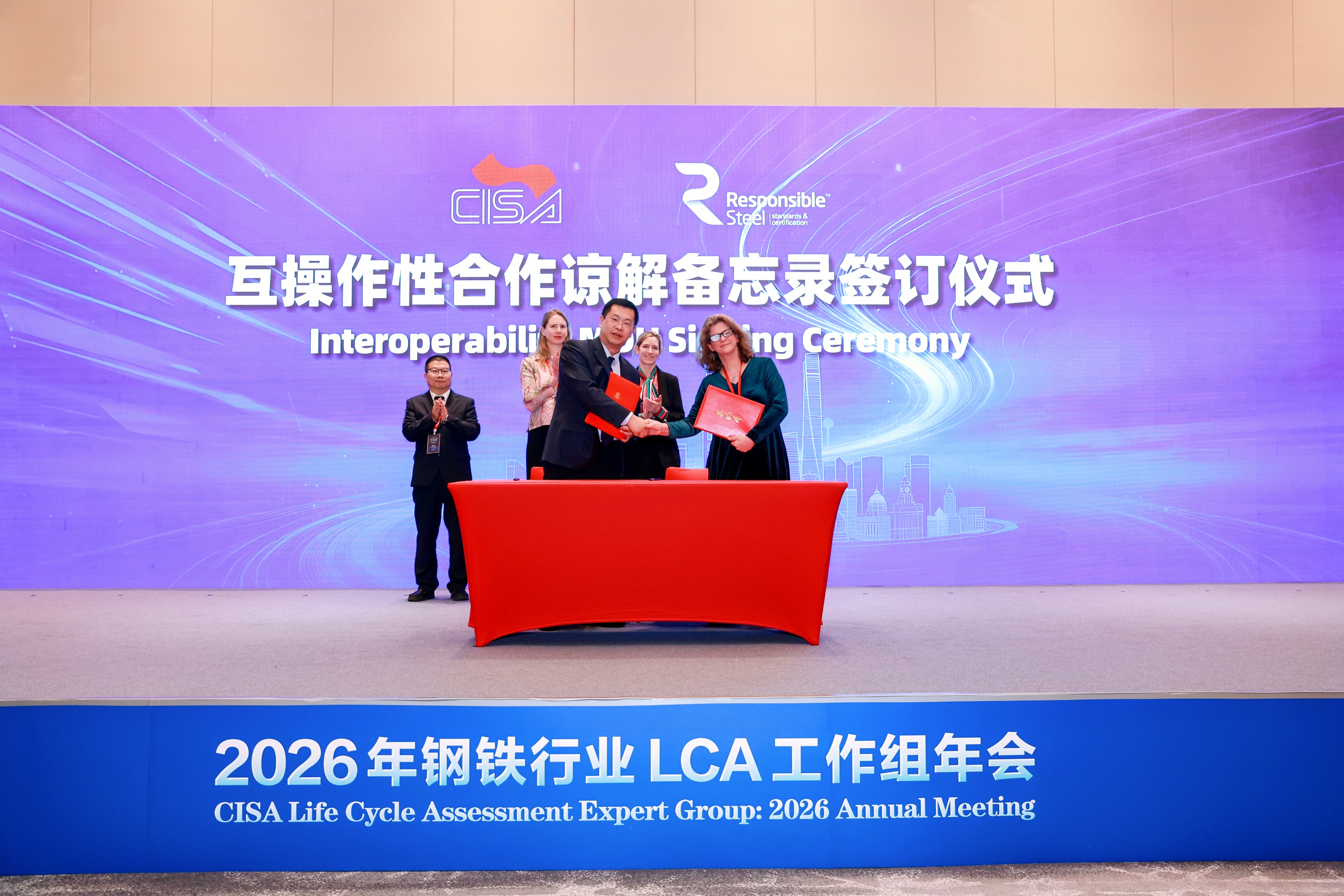
ResponsibleSteel's quest for a coherent market for decarbonised steel in 2026 got off to a constructive start this month. Following the announcement of our landmark agreements with the Chinese Iron and Steel Association (CISA) and the Low Emission Steel Standard (LESS) at COP30, ResponsibleSteel was in China in January to kick off our work on interoperability with CISA. This work in China complements our parallel project with Brussels-based LESS.
The goal? To build trusted data and claims on decarbonisation.
During our trip, our Director of Programmes, Amy Jackson, our Decarbonisation Lead, Alli Devlin, and myself had the opportunity to:
- Present to the Chinese steel value chain our C2F (China's low-carbon emission steel standard) interoperability MoU at CISA's annual LCA conference.
- Connect with our Chinese members, including SKF, World Resources Institute (WRI), Climate Group, VAMA (Valin ArcelorMittal Automotive JV), Penglai Dajin, and some of our certification bodies working in China, including Afnor and China Quality Certification Centre (CQC).
- Get to work on our C2F-ResponsibleSteel Interoperability Project, structuring the discussions around our Framework for Credible Interoperability.
- Visit the 15mtpa Zhanjiang steel plant, where a new DRI-EAF line was launched in Dec 2025. This has involved the production to date of iron reduced with hydrogen in a 1mtpa DRI plant. Whilst this is currently produced from refined coke oven gas, the project is a hugely significant demonstration of the potential to produce hydrogen-based DRI at an industrial scale.
.jpg)
What do ResponsibleSteel's interoperability projects look like in practice?
In short, interoperability means measuring emissions using rules that are as aligned as possible, and recognising the differences, to enable comparison on a like-for-like basis. Imagine the benefit this would bring for anyone wanting to distinguish what good looks like, for example, procurement teams, investors, and policymakers.
But making interoperability work in practice requires a lot more if we want a reliable, credible and sustainable system that generates high-quality, comparable data.
We've outlined the key components of this in our Framework for Credible Interoperability, which will inform both our work with LESS and CISA:
- Aligned GHG accounting rules
- A reliable calculation tool
- A robust assurance mechanism
- Credible claims protocols
- Good governance, oversight and resourcing
- Appropriate data management
- Strong operations management systems
This is how markets are built: first with innovation, then with the necessary rules and systems that enable good information to flow – so that steel buyers can understand, investors can evaluate, and steelmakers can compete, based on emissions performance that everyone can trust.

Jindal Steel & Power Joins ResponsibleSteel
Jindal Steel & Power has become the latest steelmaker to join ResponsibleSteel, demonstrating their commitment to our mission to be a driving force in the socially and environmentally responsible production of net-zero steel, globally.
Jindal Steel & Power (JSP) is an industrial powerhouse with a presence in steel, power, mining and infrastructure sectors in India and abroad. Led by Mr Naveen Jindal, the company’s success has been based on overarching goals to promote innovation, set new standards, enhance capabilities, and support company stakeholders.
ResponsibleSteel CEO, Annie Heaton commented, “We’re delighted to welcome Jindal Steel & Power to ResponsibleSteel. This is yet another prime example of the growing commitment of Indian steelmakers to building a more sustainable industry. As one of the largest steel-producing countries in the world, India has a critical role to play in driving steel decarbonisation. With JSP, we now have nearly 40% of India’s steelmaking capacity in our membership. We look forward to working closely with JSP as we continue to accelerate the rollout of the ResponsibleSteel International Standard globally.”
ResponsibleSteel steelmaking members commit to starting the certification process of at least one steelmaking site against the ResponsibleSteel International Standard within one year of joining. As one of the largest steel producers in India with a turnover of more than $7.6 billion, JSP has a significant presence in sectors like mining, power generation, and infrastructure. Through technologies like Coal to Liquid & Coal Gasification, JSP has worked to become a trailblazer and drive innovation in the steel industry.
Mr Bimlendra Jha, Managing Director for JSP stated, “By associating with ResponsibleSteel, JSP has reiterated its commitment to a more sustainable future by incorporating environment-friendly initiatives and technologies. JSP has been an ardent advocate and practitioner of sustainable development since its inception and is wholeheartedly committed to improving its sustainability performance. We aim to incorporate sustainability into our businesses by strengthening our economic, social & environmental pillars by mitigating the impact of our operations.”

Thyssenkrupp Materials Processing Europe Achieves First ResponsibleSteel Certification
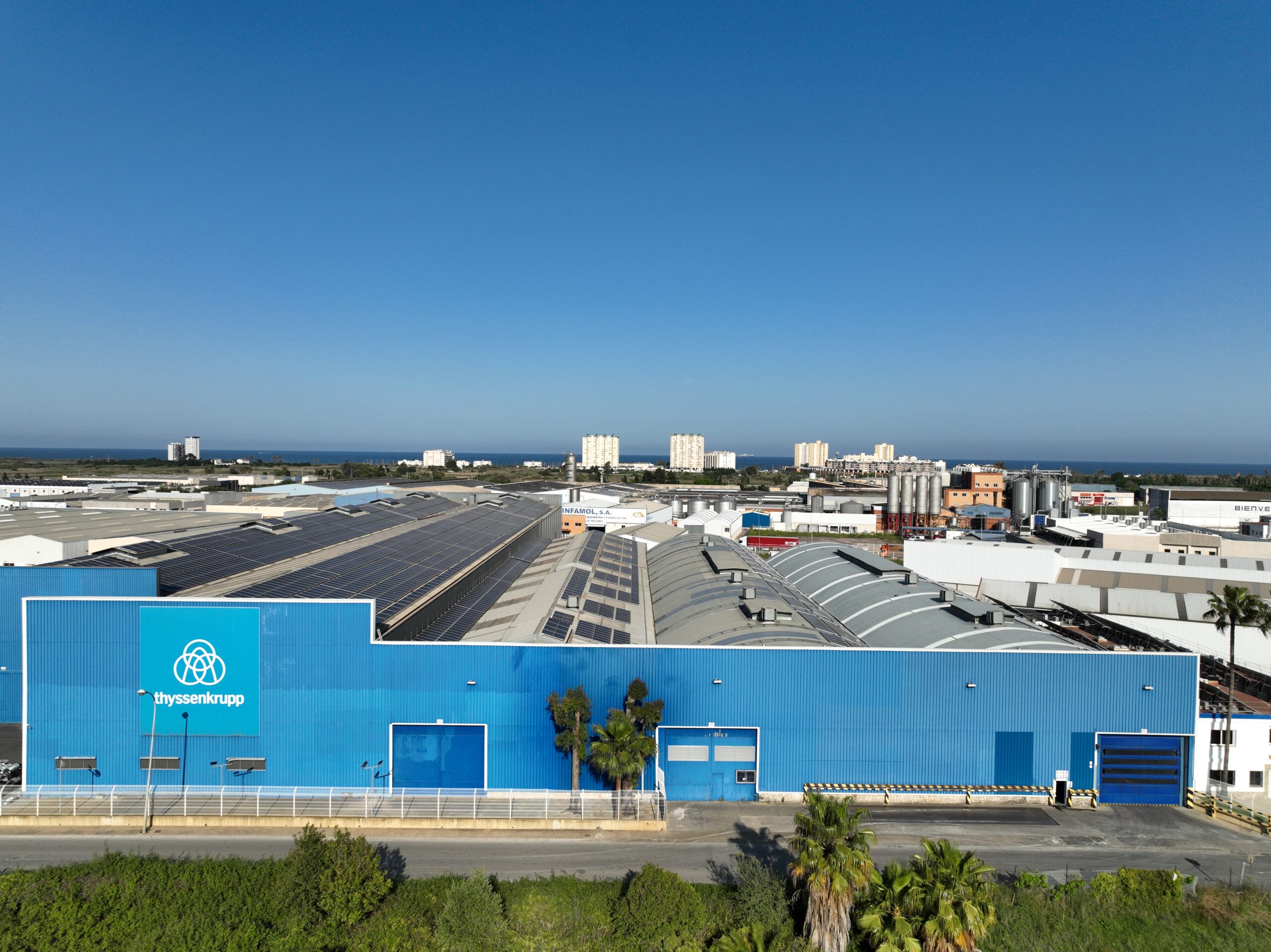
Following an independent audit conducted by DNV, thyssenkrupp Materials Processing Europe’s El Puig site has successfully obtained ResponsibleSteel certification. This is the organisation’s first certification globally and is an unprecedented milestone as the first steel-cutting service centre to obtain the certification.
The El Puig Steel Service Centre was founded in 1989 as a joint venture and has belonged to thyssenkrupp Materials Processing Europe since July 2016. This achievement was the result of a collective effort by the entire El Puig team to fulfil the 12 principles of ResponsibleSteel’s International Standard Version 1.1, covering a wide range of ESG criteria.
Oliver Bensing Carvalhal, CEO of thyssenkrupp Materials Processing Europe S.L, said, “This ResponsibleSteel certification reflects our commitment to our environment as well as acts as a differentiating factor between our competitors and us and endorses our path to a sustainable and decarbonised production process for future generations. It is not an easy task, but this is what responsible management is about, combining economic development, social inclusion, environmental sustainability and transparency to contribute to creating a more sustainable future for people and the planet. This certification positions us as a reference steel cutting service centre worldwide.”
Thyssenkrupp has set targets for 2030 to reduce the sum of its direct emissions (Scope 1) and its emissions from purchased energy (Scope 2) by 30% compared to 2018. Furthermore, the company aims to reduce indirect emissions from its value chain by 16%.
ResponsibleSteel CEO, Annie Heaton, commented: “We’re delighted to have thyssenkrupp’s El Puig site join the growing ranks of ResponsibleSteel certified sites. This achievement, the first for thyssenkrupp Materials, demonstrates their commitment to our mission to drive the responsible production of net zero steel and the importance of managing sustainability impacts all along the value chain. The site has worked to create a culture which promotes worker safety and wellbeing and has made significant environmental strides. Most notably, El Puig has reduced its water consumption rate by 40% and has already made progress reducing emissions, having lowered CO2 emissions by 25.6% between 2017 and 2021.”
Read the public audit summary here.
May 2023 Newsletter
Please view the May 2023 newsletter by clicking the link below:

From Commitment to Action: World Biodiversity Day 2023
We face a global biodiversity crisis. Biodiversity losses are running at unprecedented levels with up to a million species facing extinction in coming decades. The maintenance of biodiversity is an important and shared responsibility. That’s why the ResponsibleSteel International Standard requires sites to take stock of the risks and impact they have on biodiversity. Anne Sophie Pellier, Senior Programme Manager at Fauna & Flora and ResponsibleSteel Board Member, discusses how the steel industry is working to protect biodiversity.
World Biodiversity Day 2023 feels very significant. We are riding on a new wave of optimism with the adoption of the Kunming-Montreal Global Biodiversity Framework, setting out a goal to halt and reverse nature loss by 2030 – putting nature visibly and measurably on the path of recovery.
This comes at a critical time. We understand nature’s vital contributions to our planet and to society, and its interconnections with climate change. Yet nature is under threat like never before. Biodiversity loss stands in the World Economic Forum’s top five global risks, reflecting the potential for significant negative impacts for humanity within the next 10 years; for our food, water, economy, health and well-being.
We must act together and swiftly, putting nature loss on a par with climate change and aligning our new goal for nature with the net-zero Paris Agreement. If we fail to do so, the consequences will be catastrophic.
The business community is critical to this; not only due to the scale of its impact, but because biodiversity loss directly translates into business risk. Loss of ecosystem resilience, reputation damage and supply chain disruption can all have an impact.
Fauna & Flora: Why we value our membership of ResponsibleSteel
Fauna & Flora is a nature conservation charity protecting the diversity of life on Earth; for the survival of species and habitats, the planet and people. We have a long history of working with businesses, supporting them to put biodiversity at the heart of decision-making.
Being a member of ResponsibleSteel enables us to come together with other stakeholders to influence the industry’s commitment to biodiversity and help drive the development of the standards necessary for sector-wide change.
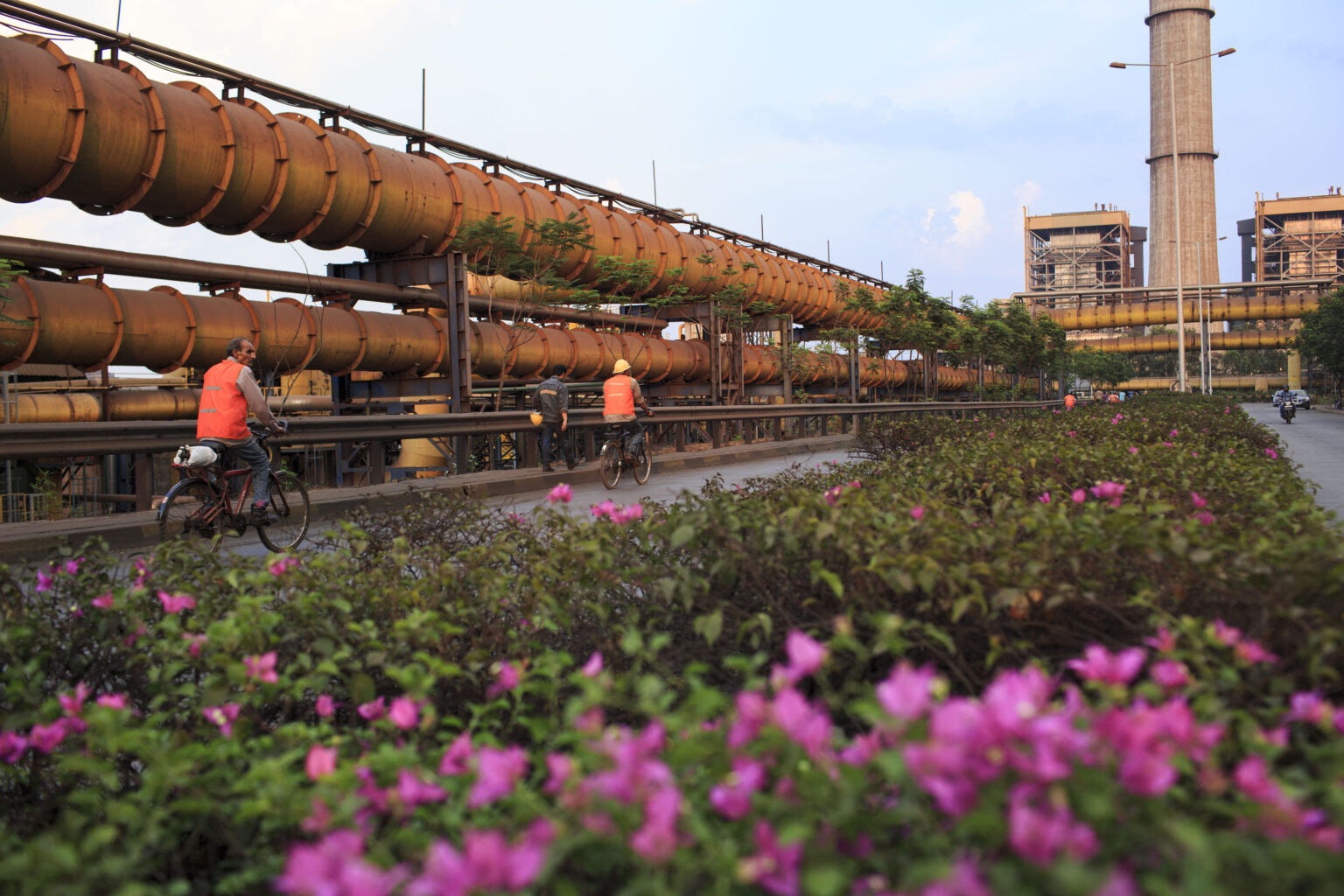
We are encouraged by the significant steps the industry is already taking to protect nature. At an operational level, steel companies are developing biodiversity plans, aiming to minimise negative impacts on biodiversity and to restore sites no longer used. Some are investing in reforestation and habitat restoration projects locally to offset residual impacts on biodiversity, and are seeking to reduce their supply chain impacts through the sustainable sourcing of raw and recycled materials.
As companies invest in reducing their carbon emissions and transitioning to more sustainable energy sources, this also brings positive benefits for biodiversity. In addition, we’ve seen how some are engaging in sectoral and company-specific partnerships, to share good practice and create consistency across the industry.
Achieving our 2030 ambitions for nature: what next for the steel industry and biodiversity?
If the steel industry is to build on this progress and continue to push boundaries, companies need to further integrate biodiversity into core business practices, and commit to becoming nature positive. Companies need to go beyond mitigation and identify opportunities to invest in habitat restoration where mining has caused damage, and to support conservation initiatives in regions of high biodiversity value. Importantly, companies must be transparent about their impact on biodiversity and support progress towards conservation goals.
If we are to spearhead the transformational change so urgently needed, companies should use their influence to engage and educate employees, customers and other stakeholders on the importance of protecting and restoring nature and the role they can play.
If we are to reverse nature loss at the scale and pace needed, progress should be underpinned by collaboration – with other businesses, government, civil society and local communities – to exchange knowledge and identify solutions to our shared challenges.
By Anne-Sophie Pellier, Senior Programme Manager in Corporate Sustainability, Fauna & Flora
Anne-Sophie Pellier works in partnership with businesses to bring about positive change for biodiversity, providing them with best practices for avoiding and mitigating their impact on nature’s assets. She has worked in biodiversity conservation and sustainable development for local communities for 13 years in Southeast Asia, Latin America and Europe, during which she developed her expertise on ecosystem services and natural capital. She joined the ResponsibleSteel Board in 2022.
New ResponsibleSteel 'meet the expert' webinar series
We're delighted to invite members to the first two in a new series of ResponsibleSteel’s ‘Meet the Expert’ webinars.
Our series will kickoff on Friday, May 26th with a deep dive briefing by the International Energy Agency (IEA) industrial decarbonisation team on the latest IEA report to the G7 on ‘Emissions Measurements and Data Collection for a Net Zero Steel Industry.’
Webinar: Emissions Measurements and Data Collection for a Net Zero Steel Industry
Date: Friday, May 26th
Time: 7:30 EDT (NYC)/ 12.30 BST (London) / 20:30 JST (Tokyo) / 21:30 AEST (Melbourne)
In addition, the World Steel Association (worldsteel) will share their plans to review their own CO2 methodology, and ResponsibleSteel CEO Annie Heaton will outline ResponsibleSteel’s work on furthering GHG alignment as part of the Steel Breakthrough Agenda.
This webinar will be an exclusive opportunity for ResponsibleSteel members to hear from the IEA, worldsteel, and ResponsibleSteel on building a robust, globally aligned framework for measuring progress towards a net zero steel industry.
Our second member-only webinar on Tuesday, May 30th in partnership with the International Labour Organization (ILO), will explore labour standards in the steel industry, particularly the implementation of the ResponsibleSteel International Standard across different labour contexts.
Webinar: Labour Rights and the ResponsibleSteel International Standard
Date: Tuesday, May 30th
Time: 8:00 EDT / 1:00 BST / 14:00 CEST / 17:30 IST / 21:00 JST / 22:00AEST
Representatives from ArcelorMittal Brazil and Borçelik will also join to discuss potential challenges to implementing the Standard which is based on the ILO Core Conventions.
This webinar will be an exclusive opportunity for ResponsibleSteel members to hear from the ILO, ResponsibleSteel and two ResponsibleSteel members on the importance of ensuring robust labour standards in the industry and the role the ResponsibleSteel Standard plays in this.
Both webinars will include Q&A sessions following the speaker presentations and ample opportunity for a broad and dynamic discussion with members.
If you are interested in participating please contact us.
Working together to ensure the health and safety of workers in an evolving steel industry
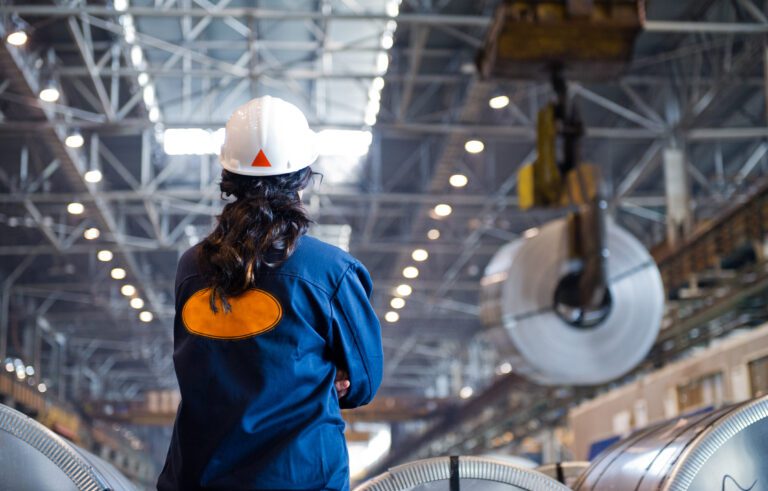
Industrial processes can be inherently hazardous, and when accidents or work-related illnesses occur they can have serious consequences. Consequently, the first priority of any steel site should be the health and safety of workers. That is why Occupational Health and Safety is a crucial component of the ResponsibleSteel International Standard. Patrick Correa, Director for Base Metals and Mechanical Engineering for IndustriALL Global Union, discusses how we must work together to continue to ensure the health and safety of workers in an evolving industry.
The Global Day for Safety and Health at Work is an opportunity to raise awareness about the importance of workplace safety and health for employees across all industries, not least in the steel sector, where workers face a variety of hazards and risks.
Steel production is a complex and demanding process that involves exposure to high temperatures, heavy machinery, hazardous chemicals, and other physical and environmental hazards. Steelworkers face a range of potential health and safety risks, including burns, cuts, respiratory problems, hearing loss, and more.
To address these risks and promote a safe and healthy workplace for all, robust occupational health and safety (OHS) measures are essential. This can include implementing safety protocols and guidelines, providing training and education on workplace hazards, conducting regular safety inspections, and ensuring workers have access to appropriate personal protective equipment (PPE).
Unions play a key role in advocating for health and safety. By joining a union, workers can leverage collective bargaining power to negotiate for safer working conditions, better PPE, and other crucial protections.
But despite improved OHS in the sector, increasing automation, changing job requirements, evolving health and safety risks and a lack of investments from companies to ensure adequate OHS policies and resources, pose new challenges.
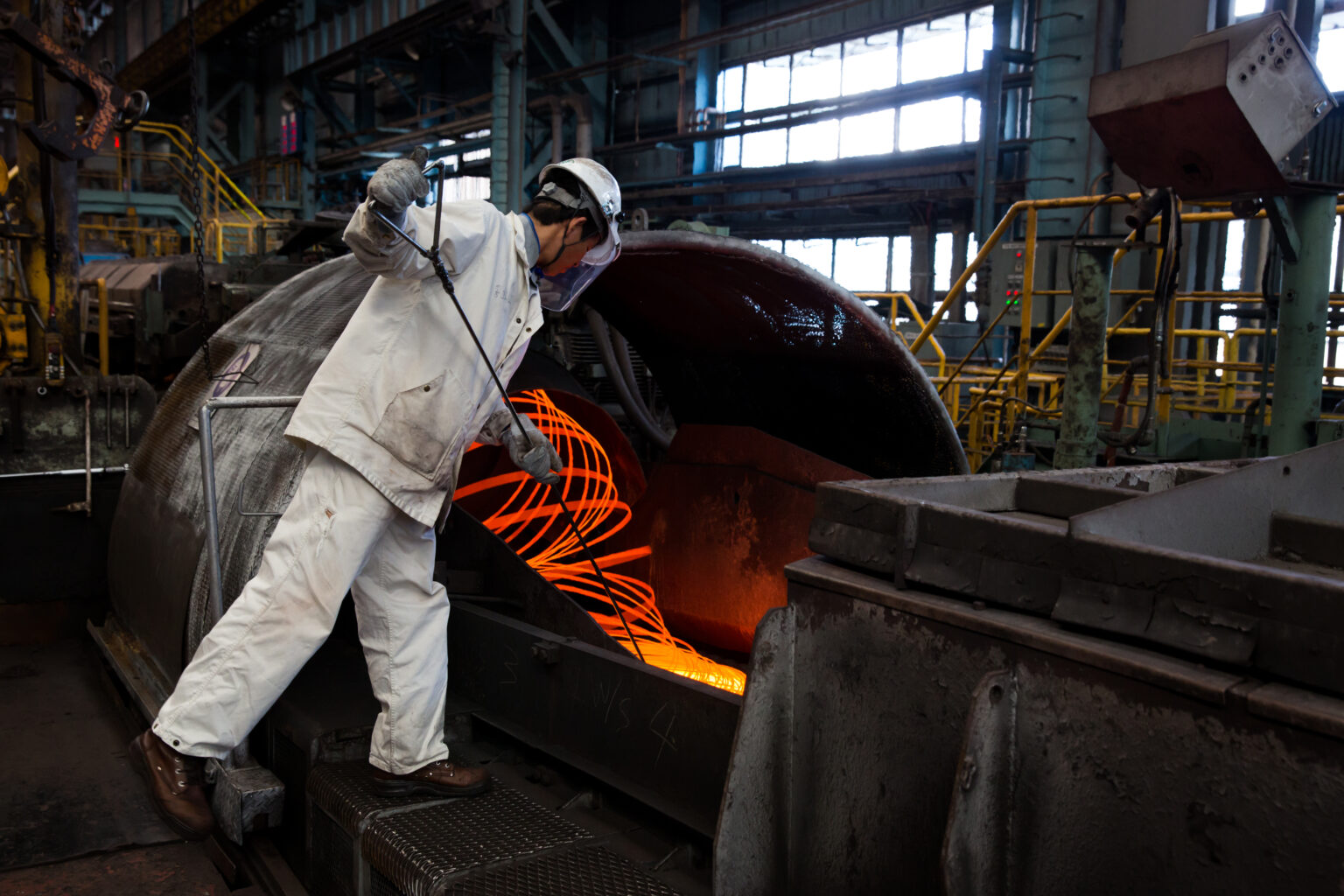
As more tasks become automated, the nature of steelworkers’ jobs will change and with that, the risks and hazards they face. Unions and employers must work together to identify and address emerging OHS concerns, like potential risks associated with robotic machinery.
As our understanding of workplace hazards and their impact on worker health and well-being continues to evolve, it is critical that OHS measures keep pace. This means that workers, unions, and employers must remain vigilant and proactive in identifying and addressing emerging risks, such as those associated with new chemicals or materials.
The Global Day for Safety and Health in the workplace is an important reminder of the critical importance of occupational health and safety in the steel sector. By promoting robust OHS measures together with the unions and addressing emerging challenges and opportunities, we can ensure a safer and healthier workplace for all steelworkers.
By Patrick Correa, Director for Base Metals and Mechanical Engineering, IndustriALL Global Union
Patrick Correa has worked in international trade unionism for 25 years, including as International Director of the CGT Métallurgie in France. He has been a member of the executive committee of IndustriALL Global Union and IndustriALL Europe and European trade union coordinator for Renault, GE Power, Engie, Nexans and Lisi. Patrick has a Master 2 degree in labour law from the University of Paris II Pantheon-Assas.
April 2023 Newsletter
Please view the April 2023 newsletter by clicking the link below:
Collective Creativity will Strengthen Sustainability
The United Nations designated 21 April as World Creativity and Innovation Day, citing that the “concept of creativity is open to interpretation, from artistic expression to problem-solving in the context of economic, social and sustainable development.” Dietmar Grimm, Vice President of Corporate Strategy & Sustainability Solutions for Trimble, discusses why we urgently need to capitalise on today’s innovations to drive future change.
Now, more than ever, creativity and innovation are needed to accelerate efforts to achieve the UN’s Sustainable Development Goals (SDGs). Trimble is committed to ensuring that our mission, solutions, and initiatives align with and support the objectives of the SDGs. And joining forces with industry initiatives like ResponsibleSteel underscores that alignment.
Innovation has always been and always will be at the heart of Trimble. For almost 50 years, the company has pushed the boundaries of technology to help our customers work better, faster, safer, cheaper, and greener across the industries we serve. These are not separate goals, but actually five, highly intertwined principles. Trimble’s contribution toward helping customers operate more efficiently enables them to operate more sustainably. Examples include reducing idle time on machinery, lowering fuel consumption and emissions and reducing construction waste – all through data driven insights and decisions.
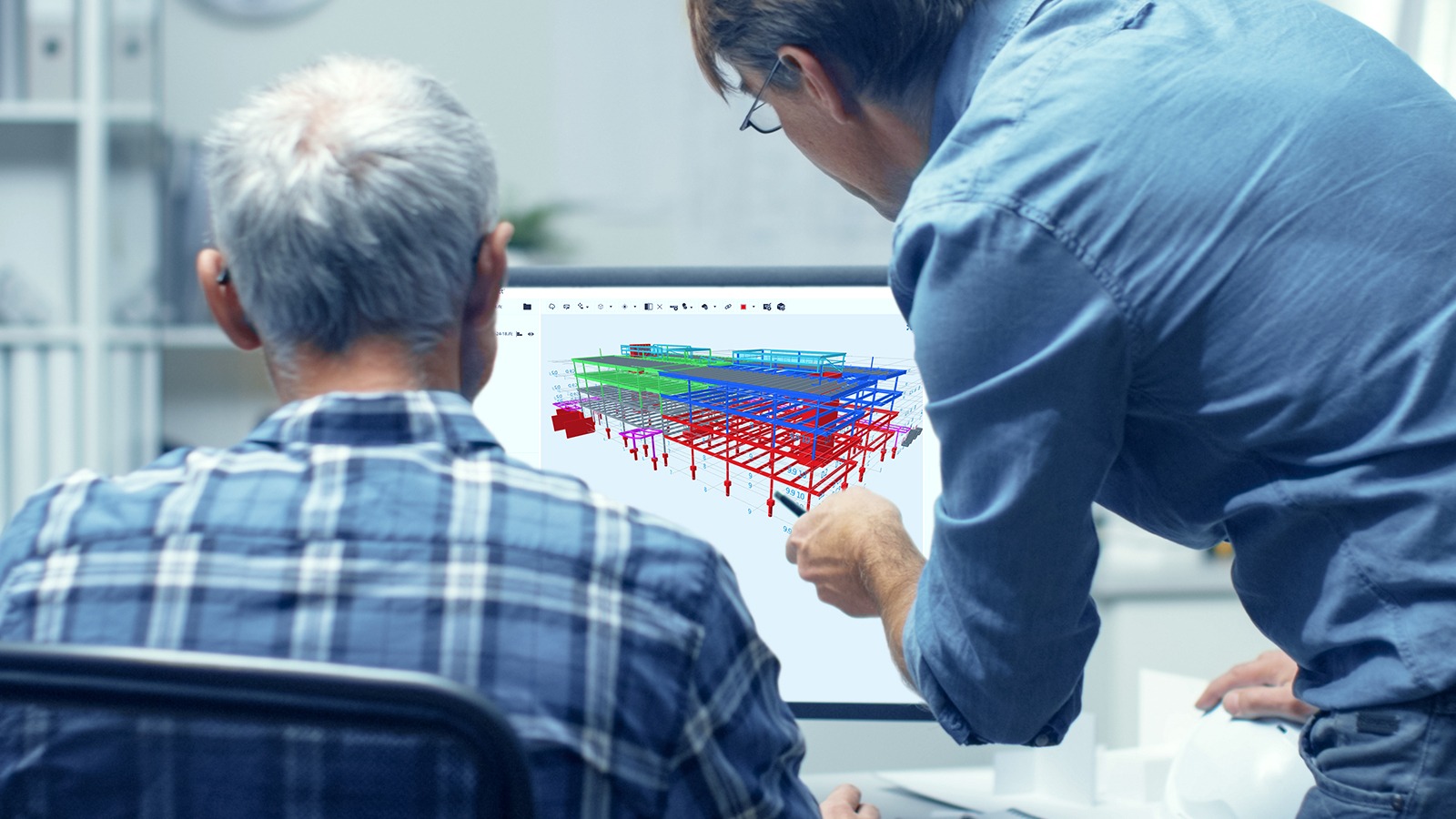
In the world of steel, our design software has enabled some of the most intriguing and intricate designs for buildings, bridges, and other structures. Technology provides endless possibilities to architects to come up with designs that really push the limits. That same technology now needs to give us the input to drive down carbon emissions across all of the construction continuum. All phases that make up an asset’s lifecycle – design, build, operate – carry emissions. That’s why our Sketchup design software portfolio includes tools that help designers make the most environmentally-friendly design decisions at the earliest possible stage, taking into consideration the effects of a building’s orientation, the local climate, the use of materials, the number and type of windows, and the application of HVAC technology. All with an eye to creating designs with the smallest environmental footprint over the long term.
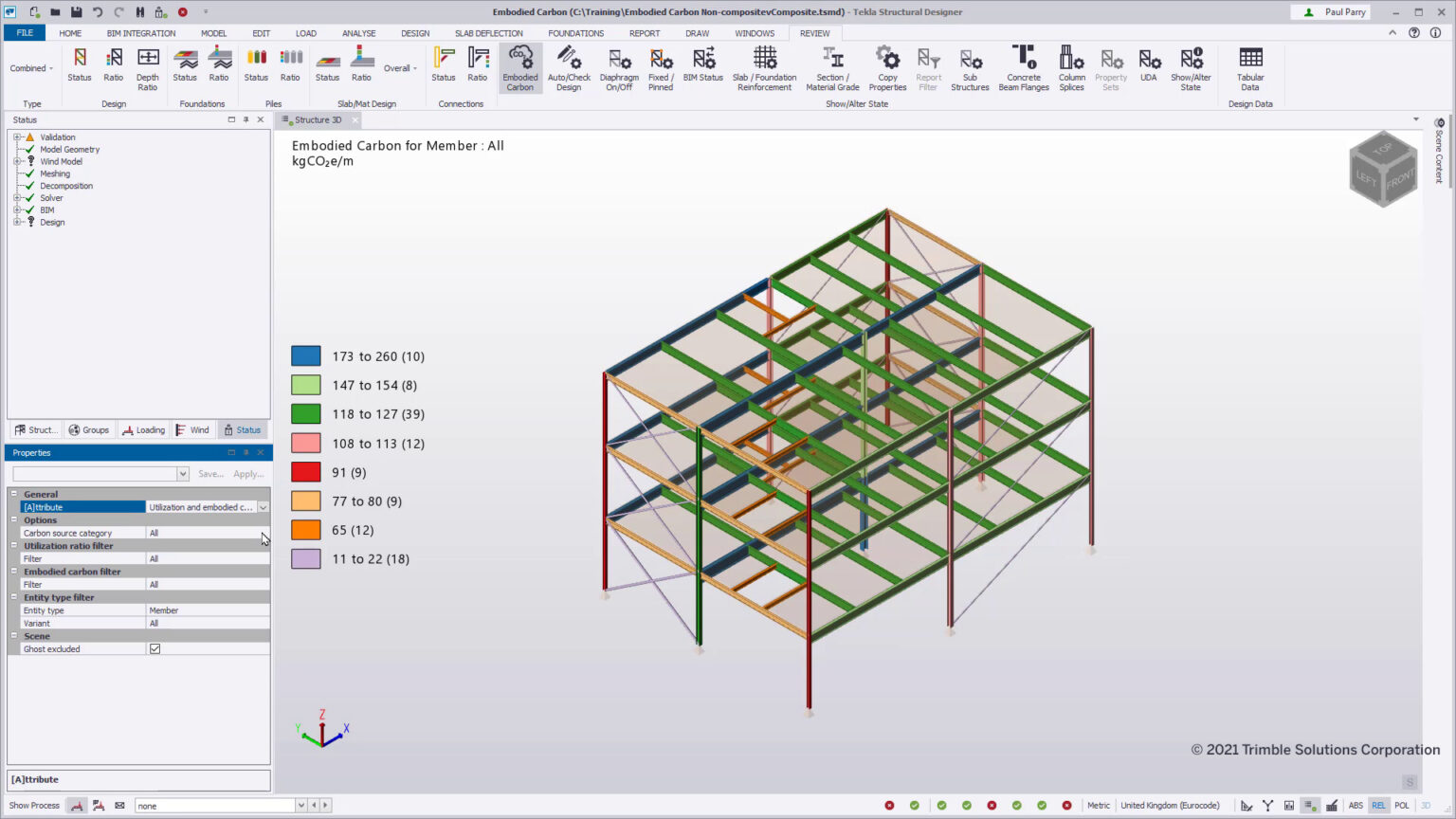
We incorporated a carbon calculator in our Tekla structural design software and worked with the One Click LCA automated life cycle emissions assessment software to offer our users enhanced visibility of the environmental impact of their structural designs. And it is also why Trimble strives to connect the traditionally separated workflows within the construction industry: to make data flow across projects to provide short- and long-term insights.
With the wider steel and construction industries being some of the largest industrial emitters of CO2, industry-wide sharing of data is crucial. With more data availability, designers can more readily come up with awe-inspiring and creative designs that still ensure our cities’ livability for decades to come. Working together with the wider industry in bodies like ResponsibleSteel has the potential to spark some interdisciplinary thinking. Many solutions to the global sustainability challenges are still years out. But we have opportunities to drive real emissions down already today if we build on the successes we already accomplished to make even more deliberately sustainable choices in all aspects of business operations. We need to challenge ourselves — on this day even more than on others — to dig deep into our collective wells of innovation and creativity and find new and lasting solutions together.
By Dietmar Grimm, VP Corporate Strategy & Sustainability Solutions, Trimble Inc.

As VP Corporate Strategy and Sustainability Solutions at Trimble, Dietmar Grimm is helping the company drive profitable systems change across industries to a more productive, efficient, and sustainable, low-carbon, diverse, and equitable future for all communities.
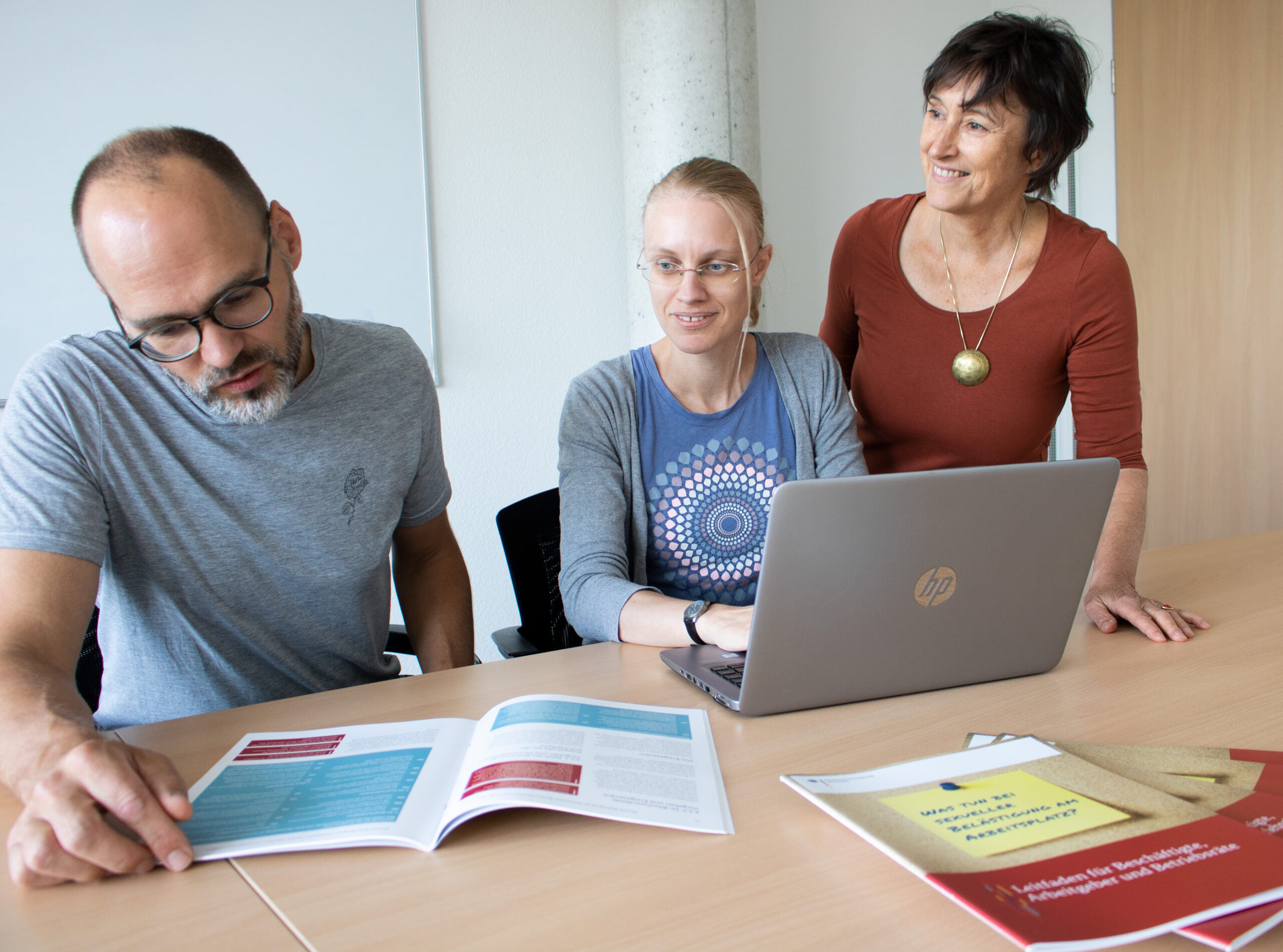
Harassment has no place in a ResponsibleSteel-certified site: Jana Loos on ArcelorMittal Bremen’s zero tolerance for harassment
ArcelorMittal Bremen in Germany was one of the first sites to become certified against the ResponsibleSteel Standard. As part of the certification process, the site had to address issues involving workplace harassment which had been raised by several female employees. Jana Loos, leader and spokesperson for ArcelorMittal Bremen’s anti-harassment project explains how the site tackled these issues and why it is so important to be vigilant and help to empower and support those who might be at risk.
A female worker received feedback from her team leader: “I like how you told the whole team that you won’t continue to tolerate their sexist comments towards you. However, my wife would never have allowed this to happen in the first place.”
Oftentimes, sexual harassment in the workplace does not constitute an overt criminal offence but is more subtly pervasive. In many cases, clumsy communication crosses the boundaries of what is appropriate in a professional environment. Or it transforms a normal social situation into an awkward one – simply because of one word too much, one touch in the wrong place or too long a gaze.
A while back, several women working at ArcelorMittal Bremen’s steel factory had the courage to disclose their experiences and seek help. A group of health experts, working council members and labour union members found the official processes wanting and united to tackle the issue. Shortly after, ArcelorMittal Bremen founded a project group to implement the social management standards required to obtain certification against the ResponsibleSteel Standard. This was the deciding factor that gave the topic the significance it needed.
The ResponsibleSteel Standard includes requirements which ensure a site identifies any risks, takes the necessary action to address such risks, and monitors the outcomes to determine where improvement is needed. Principle 6 of the recently updated ResponsibleSteel International Standard V2.0 specifically aims to make sure that “certified sites respect the rights of workers and support worker well-being.” Certified sites make the commitment to uphold labour rights and human rights, including maintaining a zero-tolerance policy for workplace harassment. Furthermore, certified sites must have effective procedures in place to understand and address any concerns raised by workers or their representatives.
Now, a few years later, ArcelorMittal Bremen has a contact person and a broad communications campaign on harassment. Trainings on the topic are implemented at all levels – comprising a seminar for new apprentices, leadership training and an awareness guide for all employees.
However, the path has not been smooth. With female staff making up only 8.6% of the workforce, some employees do not understand and even ridicule the topic. One male employee commented: “I, for my part, would like to be harassed one day!” The project team often need to stand up to such uninformed or hostile attitudes and provide basic education around these issues. The most important aim is a respectful working environment. There is no need to slander a specific person for a rude comment. Instead, the project group focuses on the empowerment of women – their approach is to equip women with the knowledge and training they need to tackle harassment situations confidently as well as raise overall awareness of the situation.
Since the beginning of the project, a noticeable change has taken place. Sexual harassment is a topic that is being talked about – even by the management board during official staff meetings with around 1,000 attendants. The goal is not “zero cases reported” – because this does not equal “zero cases” in actuality. In an atmosphere of mutual respect and encouragement, people experiencing harassment will have the courage to speak up and talk about their experiences. Therefore, the goal must be “as many cases reported as possible”.
We encourage any other organization to walk a similar path and provide their staff with all they need to tackle harassment situations. We firmly believe that this is a very important aspect of producing “responsible steel.”
By Jana Loos, Project Leader, ArcelorMittal Bremen
Please note: In the text, we only mention women being harassed by men, because this is the only constellation, we have come across so far in our organization, but we are fully aware that members of the LGTBQ+ community are exposed to similar harassment and of course, men might be harassed as well.
Maximising Circular Economics for Decarbonising Steel
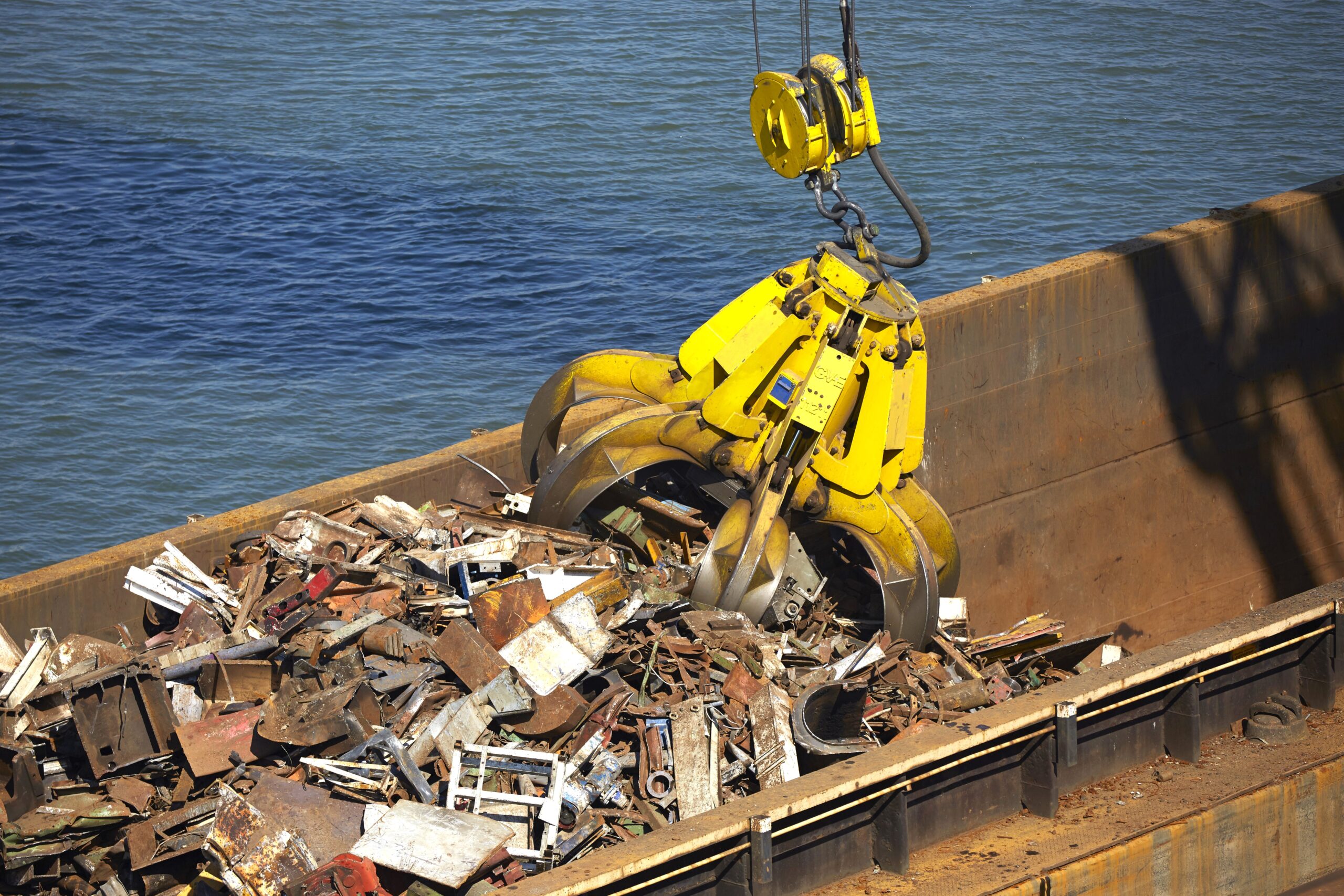
The climate challenge for the steel industry is now well-established. Steelmaking currently accounts for between 7% and 9% of global CO2 emissions. We have not only the opportunity to do things differently across the industry, but it is vital if we are to drastically reduce the amount of emissions emitted from the steel value chain, and so have a real and lasting impact on people and the planet.
Steel is often talked about as the world’s most circular material. Maximising the recovery and use of recycled steel (i.e. scrap steel) is a critical lever and the most natural way to drive decarbonisation in the steel industry. The rates of scrap recovery today are extremely high – the highest of all materials. Worldsteel estimates that steel is recovered at a rate of 85% on average – far more from some product markets. Still, there is always opportunity for further progress. And yet, frustratingly, scrap alone is just not sufficient to meet global steel demand, and even if the use of scrap was maximised, published models tell us that it won’t provide more than half of what we need to get us to net zero by 2050 (International Energy Agency, 2020).
Clearly, as more and more buildings, cars and washing machines reach the end of their useful life, we must ensure that every last tonne of scrap is recovered, in order to produce lower-footprint steel products. But this alone will not be enough if we are serious about net zero by 2050.
It is absolutely vital that we also incentivise the decarbonisation of the only other alternative, the reduction of iron ore, however this is done, and however much scrap is available to complement it. And this is why the ResponsibleSteel International Standard adopts a ‘sliding-scale’ approach to incentivise decarbonisation across all steelmaking, regardless. In effect, our thresholds provide an equitable and effective mechanism for assessing progress on core decarbonisation across the sector and have been echoed and endorsed in numerous reports, proposals and schemes, by the International Energy Agency (IEA), Science Based Targets Initiative (SBTi), the Sustainable Steel Principles, the German Steel Federation and the Australian Green Buildings Council.
There is also a third dimension here. Let’s not forget that to maximise the progress to a net zero world, we need product design to create more value from every tonne of steel we produce and so reduce demand overall. A car made with stronger steel requires less material. Ball bearings that last longer will not need to be replaced so often. In each market, therefore, policymakers will need to reward product design that lengthens the product lifetime, reduces the amount of steel needed for a given purpose, and rewards the reuse and remanufacturing of steel products.
All these three elements – scrap recycling, demand efficiency, and decarbonisation progress – will be needed to get the steel sector to net zero within the next three decades. But how much the first two of these levers can contribute will be critical to understanding the scale of the decarbonisation progress challenge. In the coming months, ResponsibleSteel will be publishing further analysis of both scrap availability and steel demand to shed further light on what is undoubtedly the industry’s biggest challenge.
ArcelorMittal Vega Becomes ResponsibleSteel Certified
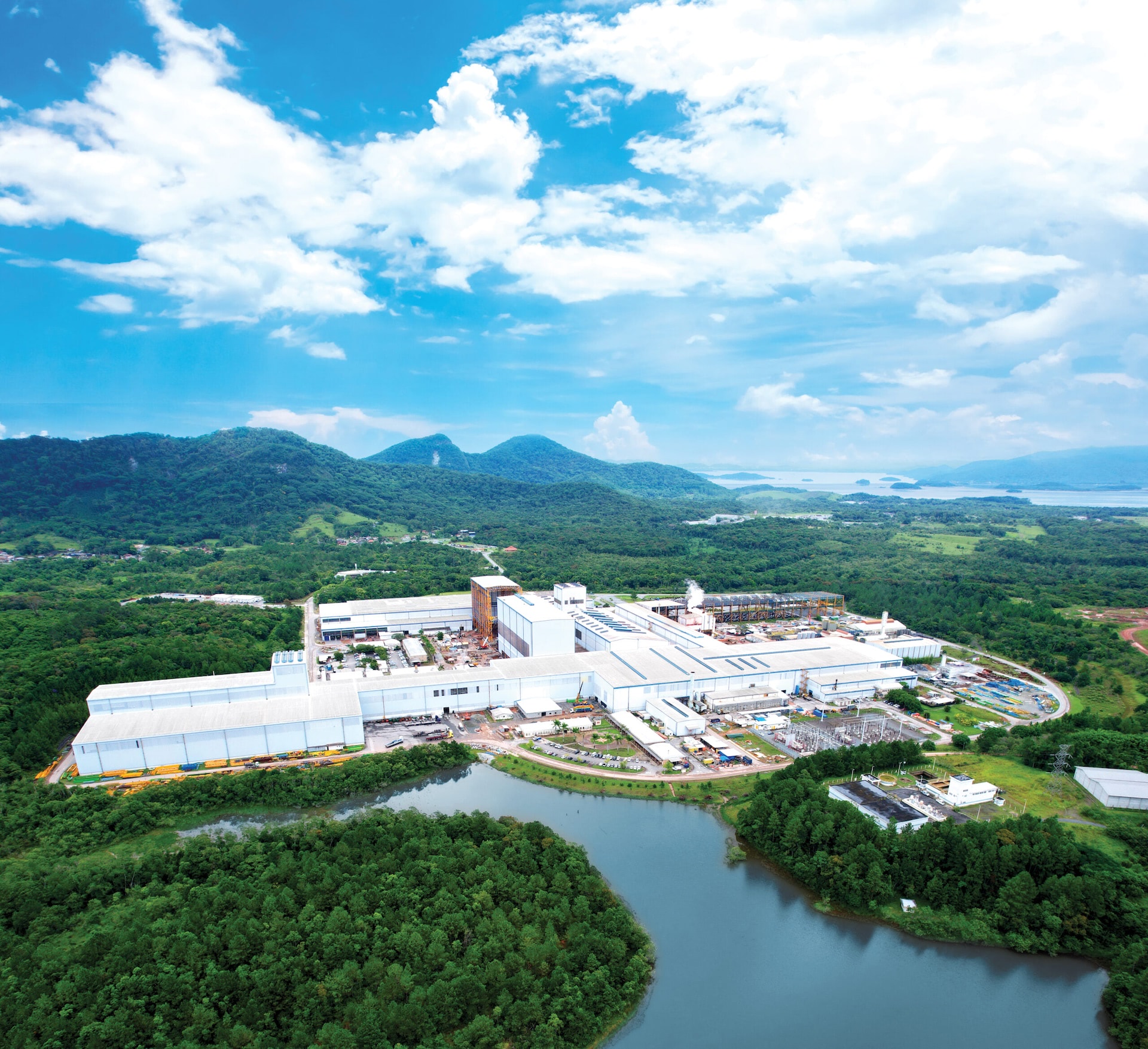
ArcelorMittal Vega in São Francisco do Sul, Santa Catarina, has recently been successfully audited and certified against the ResponsibleSteel International Standard, recognising not only the site’s efforts to implement responsible production processes, but also efforts to implement social and sustainability transformations and encourage diversity and inclusion.
The certification’s rigorous auditing process lasted around a year and took place during the largest expansion works completed in Vega’s history, requiring an investment of US$350 million. The audit was performed by the independent consulting firm DNV (Det Norske Veritas). Auditors observed the processes implemented onsite and interviewed a range of company leaders, employees, suppliers, third parties, and representatives from the government and entities and institutions from within the local community.
ArcelorMittal Vega is the group’s third Brazilian unit to receive ResponsibleSteel certification, ArcelorMittal Tubarão and ArcelorMittal Monlevade having obtained certification in 2022. ArcelorMittal aims to have all of the group’s production units in Brazil certified in the coming years.
For Jorge Oliveira, CEO of ArcelorMittal Aços Planos LATAM, this achievement demonstrates the company’s commitment to responsible and sustainable steel production and its respect for individuals. “ResponsibleSteel certification also reinforces our main purpose, which is to manufacture smart steels for people and the planet, and represents a milestone in Vega’s history, given that this year marks two decades of operations,” Oliveira affirmed.
ResponsibleSteel’s CEO, Annie Heaton commented, “This is the third certification of ArcelorMittal’s operations in Brazil and highlights the growing momentum in the sector to produce responsibly sourced net zero steel in South America. ArcelorMittal Vega has produced a clear roadmap to achieving their target of net zero emissions by 2050. And it’s critical that the responsible production of steel goes beyond decarbonization, ensuring effective management of resources and respect for workers and local communities. This certification demonstrates ArcelorMittal Vega’s commitment to meeting ResponsibleSteel’s broad set of ESG requirements. An example of this is their commitment to greater gender equality, with a goal of achieving up to 25% women in leadership positions by 2030. This is a significant adjustment in a traditionally male-dominated industry.”
The report by DNV highlighted the site’s Environmental Management System and the site’s commitment to preserving biodiversity in the region by promoting the identification and continuous monitoring of species of fauna and flora present in its Private Natural Heritage Reserve (RPPN), which occupies one third of the industrial site, in addition to the preparation of a Biodiversity Master Plan. Through means of its Water Master Plan, Vega also seeks to guarantee a reduced impact on public water sources by reusing an average of 98% of water collected onsite.
“Receiving this global certification in a year that marks 20 years of operation at the Vega unit as we move towards our largest expansion efforts to date demonstrates that we remain steadfast in our objective for sustainable steel production and commitment to community development, individual safety and respect for the environment,” Sandro Sambaqui, General Manager of ArcelorMittal Vega, stated. The expansion, which began in 2021, is expected to expand the site’s annual production capacity from 1.6 million to 2.2 million tonnes.
The audit report also recognised initiatives implemented to promote inclusion, diversity and social transformation. For example, the site has introduced incentive to increase representativeness among the female workforce in positions that were previously largely held by men. The Technical Sustainability Program, which, since 2018, has aimed to train, place value and offer qualifications to young people living in São Francisco do Sul within the region’s labor market, has contributed to achieving gender equity. Approximately 89% of the students participating in the program are employed at ArcelorMittal Vega or other companies in the region – a development opportunity that has also benefited female professionals. All of ArcelorMittal’s Brazil units have set targets to increase the number of women throughout all areas of the company, including operational, administrative and leadership positions, to 25% of the workforce by 2030.
Read the audit summary here.
Trimble Joins ResponsibleSteel
Trimble has become the first Building Information Modeling (BIM) software technology provider to join ResponsibleSteel. Trimble’s Tekla software is one of the construction industry’s most widely used software product suites for the design, engineering, fabrication and detailing of steel structures.
With owners and operators of both building and infrastructure assets increasingly expecting their construction partners to choose sustainably sourced materials, there is a growing opportunity and urgency for the steel industry to minimize its environmental impact. With Trimble’s Tekla software solutions, engineering, detailing and construction firms and fabrication workshops can more effectively calculate and plan the use of steel in steel structures and in steel reinforcement in concrete structures.
Tekla’s Embodied Carbon Calculator enables designers and detailers to assess the potential environmental implications of designs to quickly compare various structural options’ carbon impact. Additionally, a plugin to Tekla Structures enables the upload of material quantities in a design to One Click LCA, a lifecycle assessment software that helps users calculate and reduce the environmental impacts of their designs.
“Thanks to its industry-wide nature, ResponsibleSteel has the ability to bring about impactful change to the way steel is created, sold, sourced and applied,” said Päivi Puntila, director, Business Development and Sustainability Lead for the Structures Division at Trimble. “As one of the key players in design software for steel structures, Trimble solutions have contributed to making construction more sustainable by raising efficiencies, helping avoid waste during construction, and enabling data reporting on the climate impact of projects. Our membership of ResponsibleSteel is further proof of our commitment to helping protect and build a better world to drive a sustainable future.”
Annie Heaton, ResponsibleSteel’s CEO, commented, “As the only global multi-stakeholder initiative for the responsible production of steel, we have created a platform where companies from across the steel value chain can come together to learn and work together to shape the future of the industry. Trimble, as a leading software supplier for the construction industry working to improve productivity, safety, transparency, and sustainability, will be a valuable addition to the ResponsibleSteel membership community. Buildings and construction make up around 39 percent of global carbon emissions, 11 percent of which is from construction and the manufacture of building materials such as steel. Tekla software allows engineers to measure and compare the carbon footprint of different structural designs, helping to reduce their environmental impact.”
“Companies, through industry associations, are uniting to advance sustainability to empower collective action. Associations provide opportunities to share best practices, collaborate on challenges important in their industries and set standards on GHG emission and the sourcing of input materials,” said Dietmar Grimm, vice president, Trimble Corporate Strategy and Sustainability. “By aligning with ResponsibleSteel, Trimble and Trimble technologies can play an important role in helping to drive the production and use of low-carbon steel as well as help position the construction industry as a sustainability innovator.”
In 2022, Trimble received approval for its emissions reduction targets by the Science Based Targets initiative (SBTi), a coalition of the CDP, the United Nations Global Compact, the World Resources Institute, and the World Wide Fund for Nature, joining a growing number of companies taking urgent action on climate change. Trimble has also joined forces with other companies and climate leaders in the Business Ambition for 1.5°C campaign, the We Mean Business Coalition and the Race to Zero Campaign.
