

Reflections from China: ResponsibleSteel's CEO Annie Heaton discusses building interoperability across global standards
Interoperability: Building a bridge between global standards
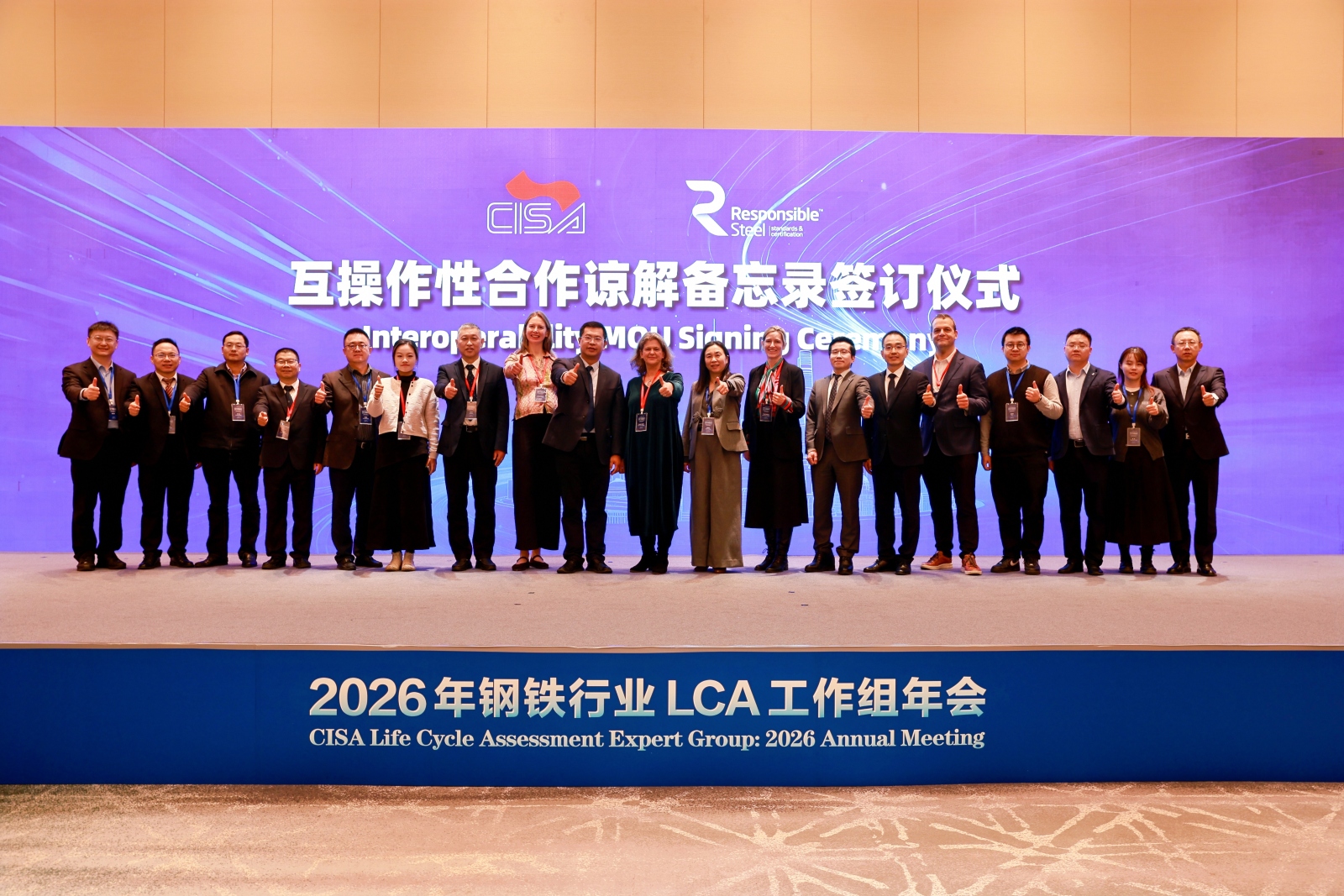
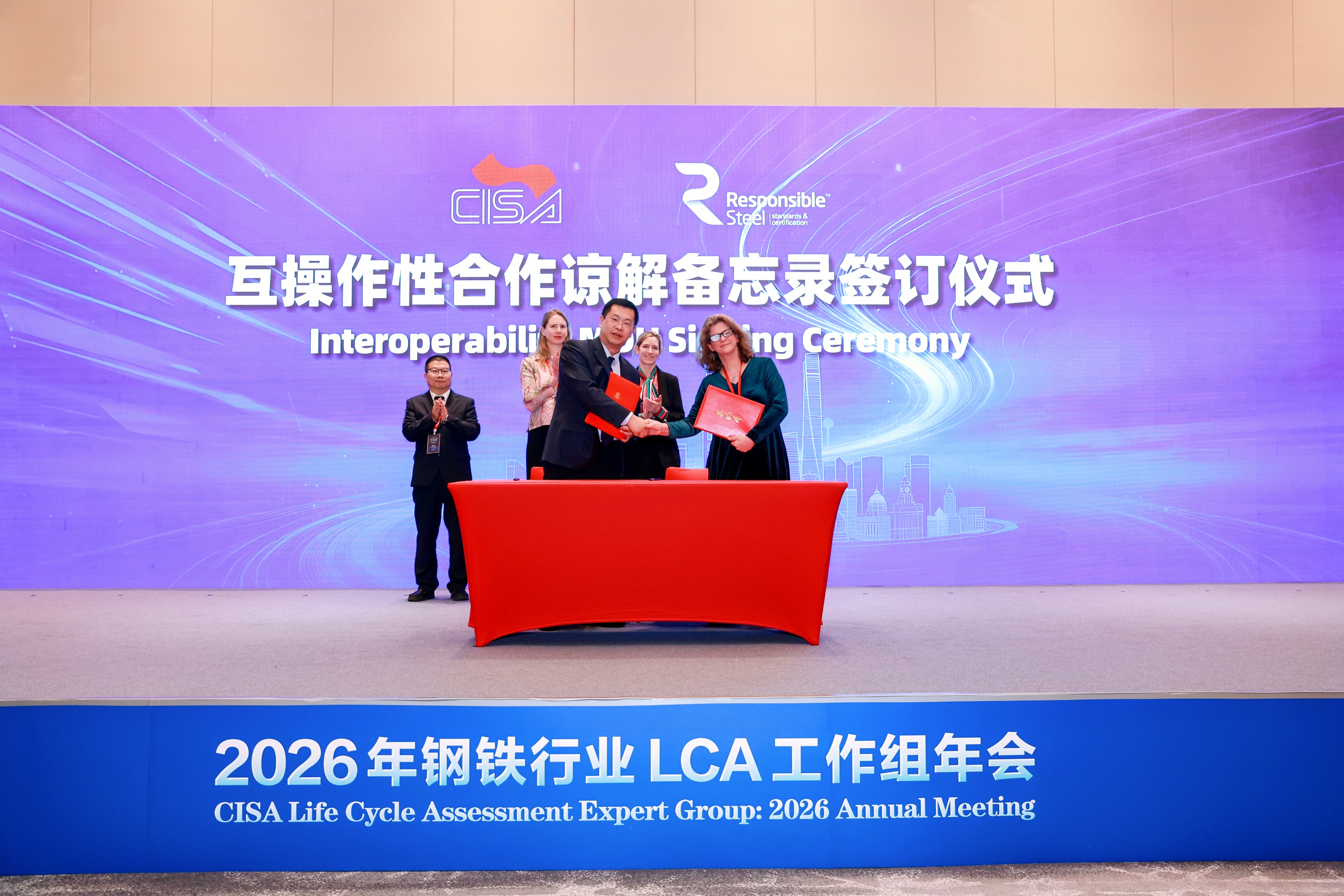
ResponsibleSteel's quest for a coherent market for decarbonised steel in 2026 got off to a constructive start this month. Following the announcement of our landmark agreements with the Chinese Iron and Steel Association (CISA) and the Low Emission Steel Standard (LESS) at COP30, ResponsibleSteel was in China in January to kick off our work on interoperability with CISA. This work in China complements our parallel project with Brussels-based LESS.
The goal? To build trusted data and claims on decarbonisation.
During our trip, our Director of Programmes, Amy Jackson, our Decarbonisation Lead, Alli Devlin, and myself had the opportunity to:
- Present to the Chinese steel value chain our C2F (China's low-carbon emission steel standard) interoperability MoU at CISA's annual LCA conference.
- Connect with our Chinese members, including SKF, World Resources Institute (WRI), Climate Group, VAMA (Valin ArcelorMittal Automotive JV), Penglai Dajin, and some of our certification bodies working in China, including Afnor and China Quality Certification Centre (CQC).
- Get to work on our C2F-ResponsibleSteel Interoperability Project, structuring the discussions around our Framework for Credible Interoperability.
- Visit the 15mtpa Zhanjiang steel plant, where a new DRI-EAF line was launched in Dec 2025. This has involved the production to date of iron reduced with hydrogen in a 1mtpa DRI plant. Whilst this is currently produced from refined coke oven gas, the project is a hugely significant demonstration of the potential to produce hydrogen-based DRI at an industrial scale.
.jpg)
What do ResponsibleSteel's interoperability projects look like in practice?
In short, interoperability means measuring emissions using rules that are as aligned as possible, and recognising the differences, to enable comparison on a like-for-like basis. Imagine the benefit this would bring for anyone wanting to distinguish what good looks like, for example, procurement teams, investors, and policymakers.
But making interoperability work in practice requires a lot more if we want a reliable, credible and sustainable system that generates high-quality, comparable data.
We've outlined the key components of this in our Framework for Credible Interoperability, which will inform both our work with LESS and CISA:
- Aligned GHG accounting rules
- A reliable calculation tool
- A robust assurance mechanism
- Credible claims protocols
- Good governance, oversight and resourcing
- Appropriate data management
- Strong operations management systems
This is how markets are built: first with innovation, then with the necessary rules and systems that enable good information to flow – so that steel buyers can understand, investors can evaluate, and steelmakers can compete, based on emissions performance that everyone can trust.

March 2023 Newsletter
Please view the March 2023 newsletter by clicking the link below:

Climate Leaders to Drive Decarbonisation in South Korean Steel
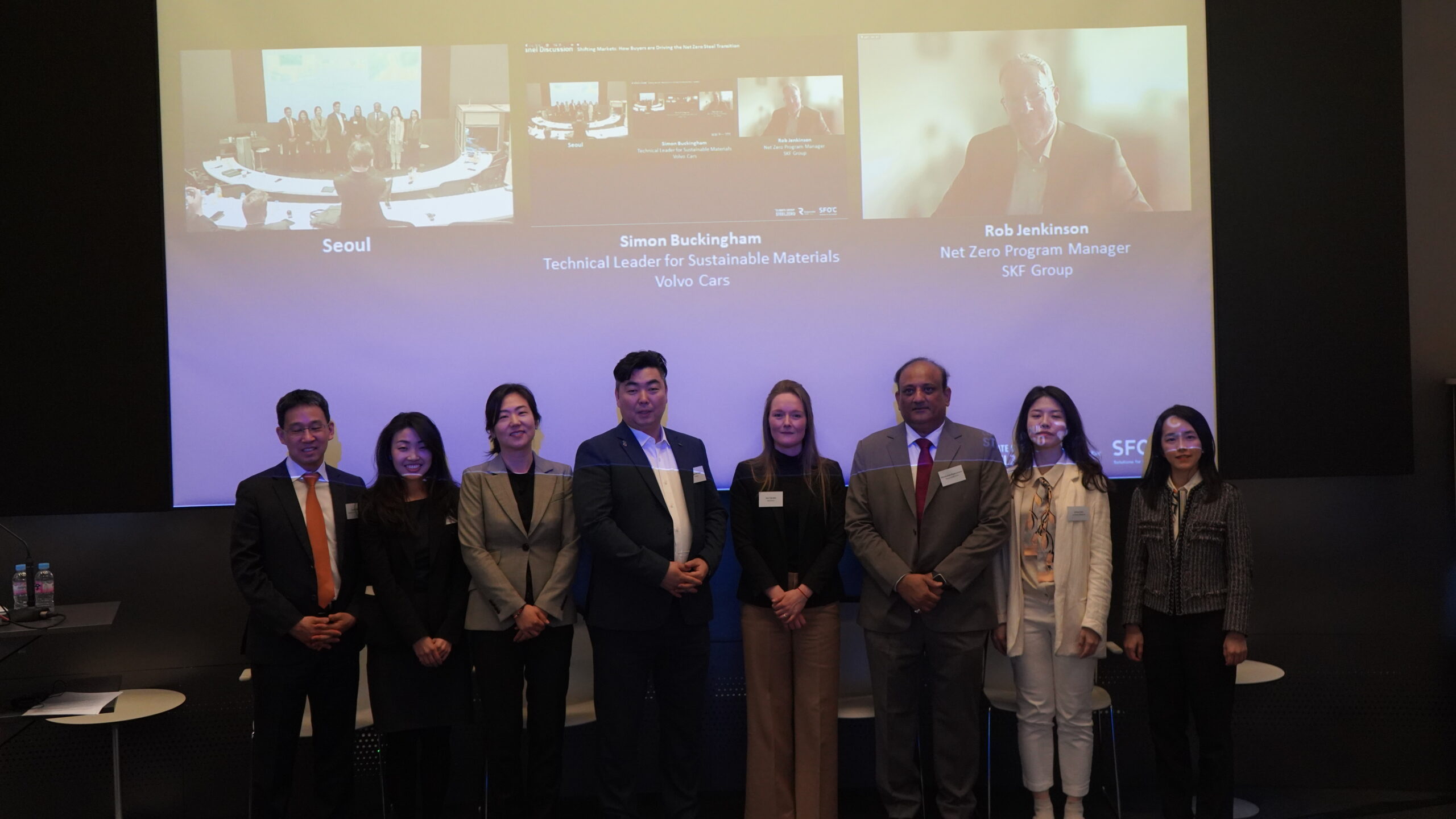
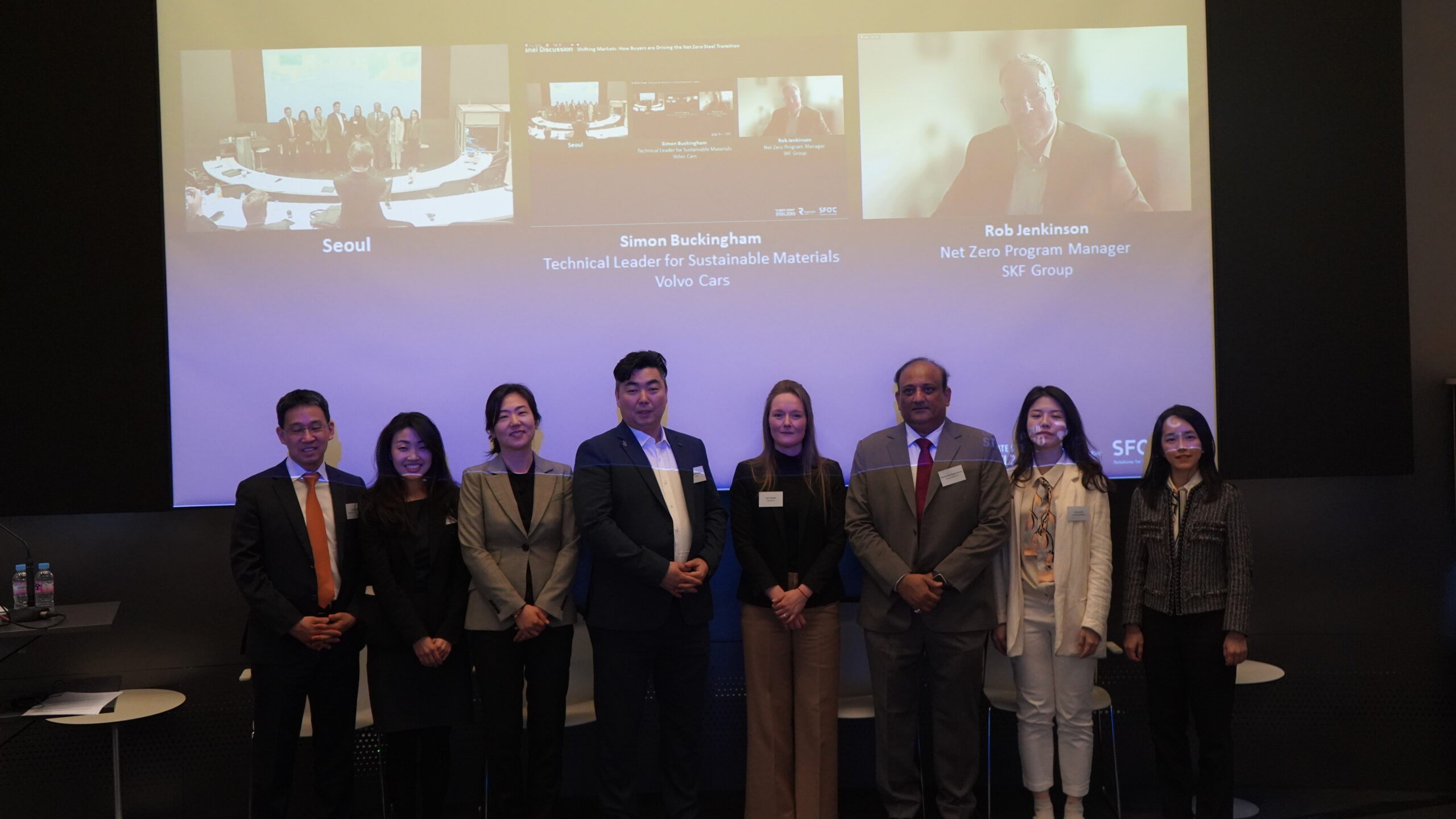
On Thursday March 23rd, the Climate Group (SteelZero), ResponsibleSteel and Solutions for Our Climate (SFOC) held a special multi-stakeholder industry seminar to discuss decarbonisation of the steel industry and pragmatic solutions to tackle climate change. The event, “Decarbonising South Korean Steel – Aligning Customer Demand and Production Pathways” is the first of its kind to be held in South Korea.
Industry experts and practitioners across the steel value chain gathered to share their expertise on steel decarbonisation pathways and corporate climate leadership. The event brought together corporates with investors and civil society to discuss the most effective and pragmatic routes to rapid decarbonisation, technical breakthroughs and the role companies across the steel value chain can play to support the growing sustainable steel market in South Korea.
South Korea’s steel industry is a major domestic industrial and economic sector, and a dominant player on the world stage. In 2021, South Korea ranked as the world’s 6th largest steel-producing country, with 71.4 million tons of crude steel accounting for a 3.8% share of global production. Additionally, the South Korean steel industry is an important material supplier for major related industries such as automotive, construction and shipbuilding, with a huge inter-industrial linkage.
Attendees included some of the leading players in the steel industry – both steel producers and downstream customers such as POSCO, Hyundai Steel, SeAH Steel, SeAH Besteel, Donguk Steel, Hyundai Motor Group, Schneider Electric, WSP, A.P. Moller Maersk, Ørsted and others.
Annie Heaton, CEO at ResponsibleSteel said, “In 2022, POSCO together with ResponsibleSteel announced the certification of Pohang and Gwangyang Steelworks against the ResponsibleSteel Standard – one of the biggest steel sites in the world to achieve this accolade. This event will build on this momentum, create new partnerships and accelerate steel decarbonisation in South Korea and across the global steel value chain.”
Jen Carson, Head of Industry, Climate Group said, “All players right across the steel industry have a key role to play in accelerating decarbonisation. That’s why it’s incredibly important that steelmakers, steel consumers, policy makers, investors and civil society come together and take action on net zero steel. This conference is a pivotal moment in building a shared understanding of the current progress on lower emissions steel production in South Korea. And crucially, the opportunities for net zero steel production and procurement.”
Anna Song, Lead – Steel, Industry, SFOC said, “The steel industry around the world plays a vital role in curbing industry emissions to be on track with the 1.5 degree Paris Agreement, and Korean steel is no exception. The steel buyers on the demand side will play an especially significant role this decade because they create the business need for a rapid transition towards decarbonisation of the Korean steel industry.”
The event signalled an important exchange of ideas between key global and Korean industry players across the steel value chain. Momentum on steel decarbonisation is expected to continue building in the coming months, with the annual SteelZero Summit set to take place in Singapore on June 8, as part of the broader Climate Group Asia Action Summit. The Summit will focus on bringing together decision makers and business leaders from the steel and energy sectors to accelerate Asia’s role as an economic, green powerhouse – with a clear path to net zero. It’s part of the roadmap to Climate Group’s flagship event Climate Week NYC.
Celebrating Women in Steel: Gender equity, slow but steady steps
To celebrate International Women’s Day, Sofia Trombetta, Director of People, Health and Wellness at ArcelorMittal Long Steels LATAM and a global sponsor of diversity and inclusion for ResponsibleSteel Member ArcelorMittal, explores the slow but steady progress being made in the company as well as the wider industry to promote gender equity.
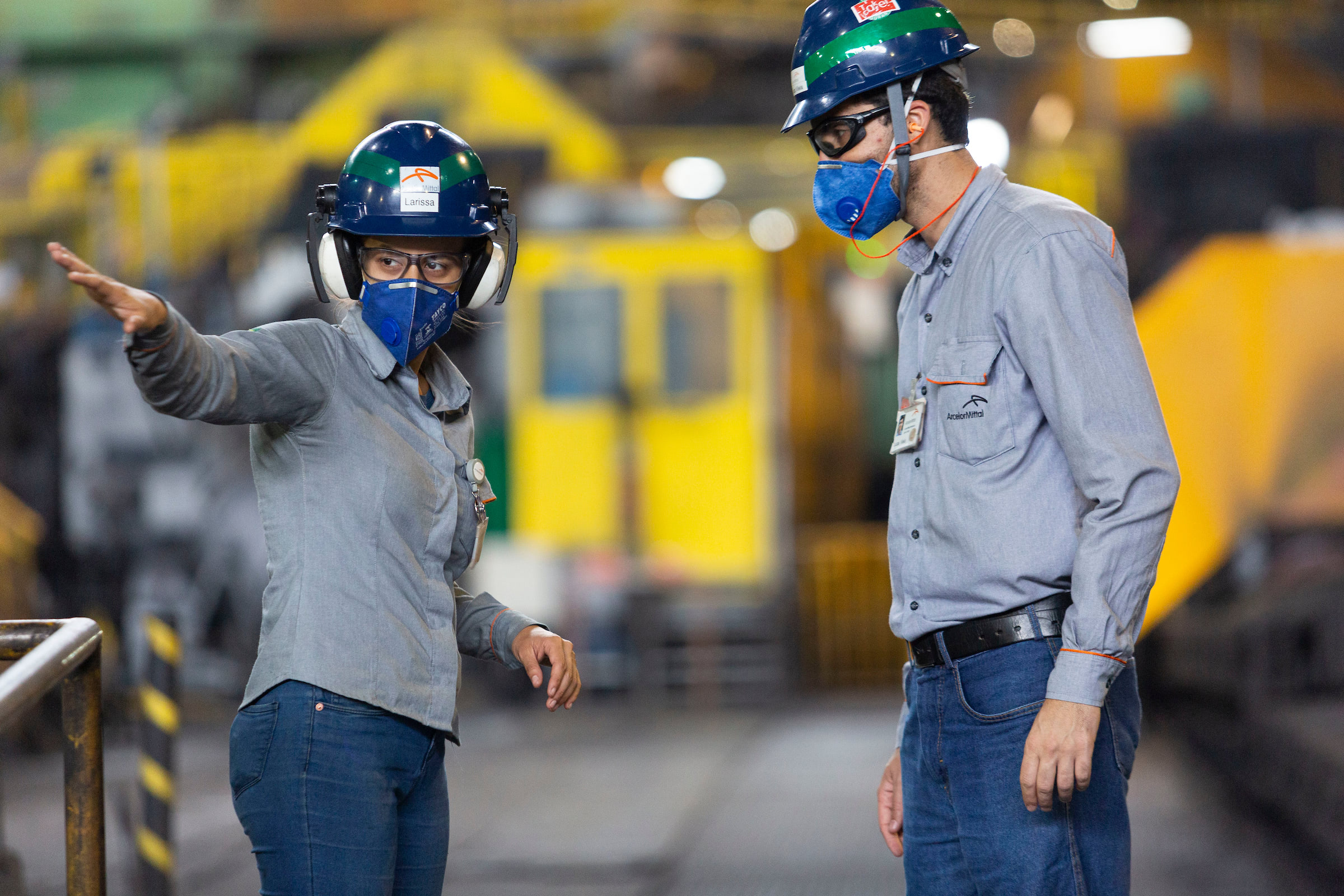
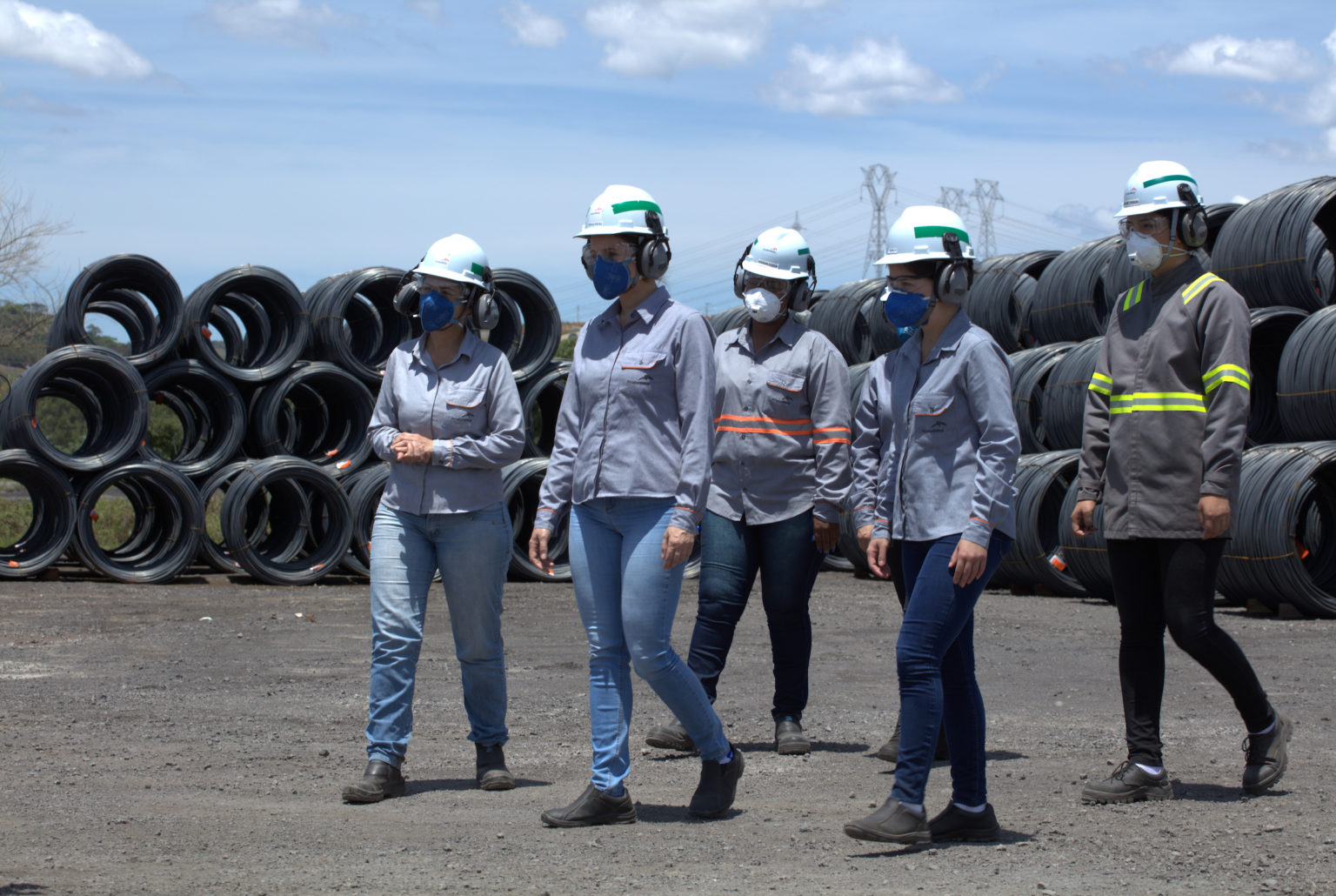
Despite advances in women’s rights and the greater occupation of spaces in the public and private spheres, society remains unequal in gender issues. In the global steel industry, the scenario is not different. We are a company of a traditional and mostly male sector. Aware of our responsibility, ArcelorMittal leads this transformation to build a more equitable community.
According to the World Economic Forum, gender inequality at work will only end in 253 years. Companies play an essential role in accelerating this process of social evolution. Research shows that more diverse teams (with more women and people with different backgrounds and profiles) bring better results to companies. In the case of its Brazilian operation, ArcelorMittal joined UN Women in 2020 and launched the goal of having 25% of women in leadership positions in its workforce by 2030.
To move in this direction, the company has adopted Woman Career Pathing, which focuses on mentoring and developing women in leadership with the goal of career acceleration. Another initiative is STEAM Girls, aimed at girls from 13 to 18 years old, with the objective of contributing to the improvement of teaching and learning in Science, Technology, Engineering and Mathematics. And the project “Elas na Siderurgia” aims to train women who were apprentices.
In addition, ArcelorMittal’s Tubarão unit – located in the municipality of Serra (ES) and the first steel plant in the Americas to obtain certification of its operations against the ResponsibleSteel Standard – is also aligned with this purpose. The plant, together with the unit of Vega (SC), held the 2nd edition of the Woman Award last year. The trophy was created to identify and recognize women, in various areas of activity, who are at the forefront of business or transformative social projects in the States of Espírito Santo and Santa Catarina, and for its third edition this year, will launch a public notice at national level. The action reinforces the company’s commitments to encourage female empowerment.
At the steel plant in Monlevade (MG) – another unit in Brazil to receive ResponsibleSteel certification – the company’s specific goal for women in leadership positions gained the attention of auditors during the certification process. The company has about 14,000 employees, approximately 14% of whom are women and 21% of those hold leadership positions. A breakthrough that already demonstrates the effect of our gender-inclusive actions.
Diversity and Inclusion is a theme that has been on the agenda at a global level since the creation of the ArcelorMittal Group’s Gender Diversity Steering Committee. In 2019, with the constitution of the Diversity and Inclusion Committee in the Brazilian operation, the company began the effective design of a program that supports the definition of the strategy and the setting of metrics and KPIs. In this way, ArcelorMittal in Brazil promotes respect, acceptance and appreciation of diversity not only as concepts, but as values in daily practice.
And the initiatives that support these values are not restricted to ArcelorMittal’s internal workforce. We have revisited several programs to promote greater representation of women in the company. The I AM Qualificar program offered technical training and qualification courses in steel processes for residents of Itatiaiuçu, Itaúna, Mateus Leme and the wider region. At the time, campaigns were created to specifically attract the female population of these locations. In another program, called I AM Expert, there was an increase in applications from women for the vacancies offered. The last cycle of the Apprentice program had countless girls interested in entering the industrial sector.
The company wants to create a more welcoming, fair and plural environment for women. We understand this is a challenging journey, but we are committed to achieving this goal by 2030.
By Sofia Trombetta, Director of People, Health and Wellness at ArcelorMittal Long Steels LATAM
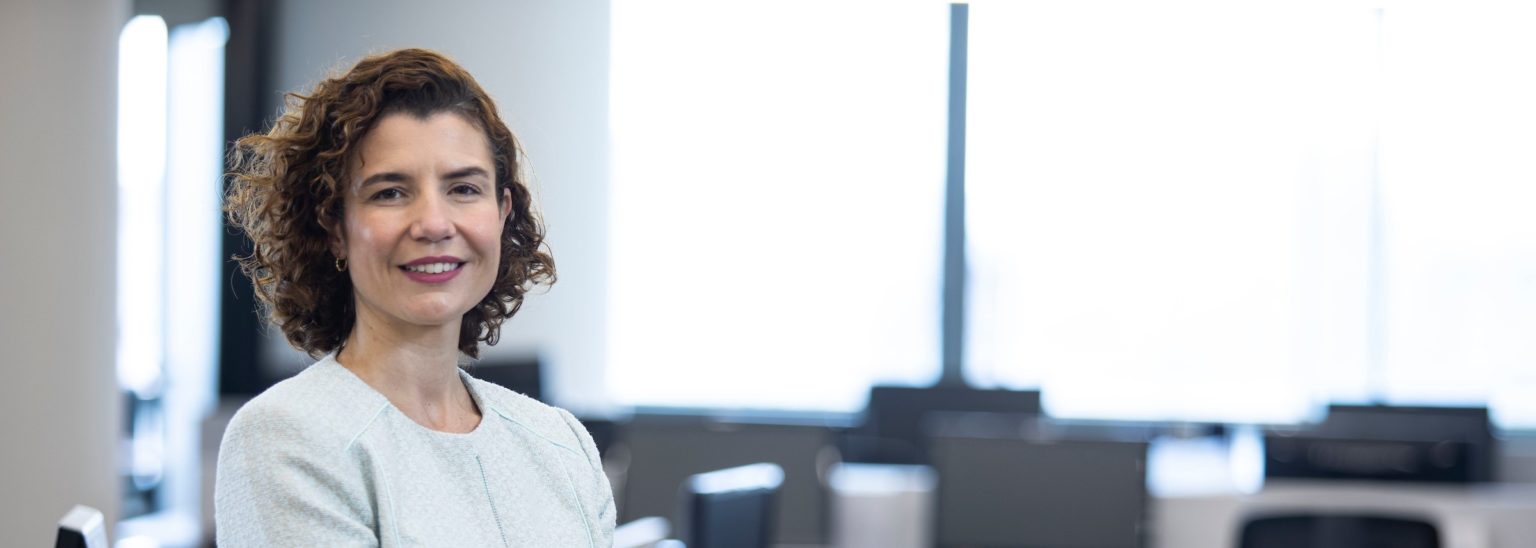
Sofia Trombetta is Director of People, Health and Wellness at ArcelorMittal Long Steels LATAM and a global sponsor of diversity and inclusion in the ArcelorMittal Group.

Decarbonising South Korean Steel: Aligning Customer Demand and Production Pathways
On Thursday March 23rd, the SteelZero, ResponsibleSteel and Solutions for Our Climate (SFOC) will be hosting a special multi-stakeholder industry seminar in Seoul to discuss decarbonisation of the steel industry and pragmatic solutions to tackle climate change.
The event will bring together industry experts, businesses across the steel value chain, investors, and civil society to share their expertise on steel decarbonisation pathways and discuss the most effective and pragmatic routes to rapid decarbonisation, technical breakthroughs and the role companies across the steel value chain can play to support the growing sustainable steel market in South Korea.
South Korea’s steel industry is a major domestic industrial and economic sector, and a dominant player on the world stage. In 2021, South Korea ranked as the world’s 6th largest steel-producing country, with 71.4 million tons of crude steel accounting for a 3.8% share of global production. Additionally, the South Korean steel industry is an important material supplier for major related industries such as automotive, construction and shipbuilding, with a huge inter-industrial linkage.
The event will feature an important exchange of ideas between key global and Korean industry players across the steel value chain. Momentum on steel decarbonisation is expected to continue building in the coming months, with the annual SteelZero Summit set to take place in Singapore on June 8, as part of the broader Climate Group Asia Action Summit. The Summit will focus on bringing together decision makers and business leaders from the steel and energy sectors to accelerate Asia’s role as an economic, green powerhouse – with a clear path to net zero. It’s part of the roadmap to Climate Group’s flagship event Climate Week NYC.
Contact us to find out more.
Aperam Earns Second ResponsibleSteel Certification for Aperam South America
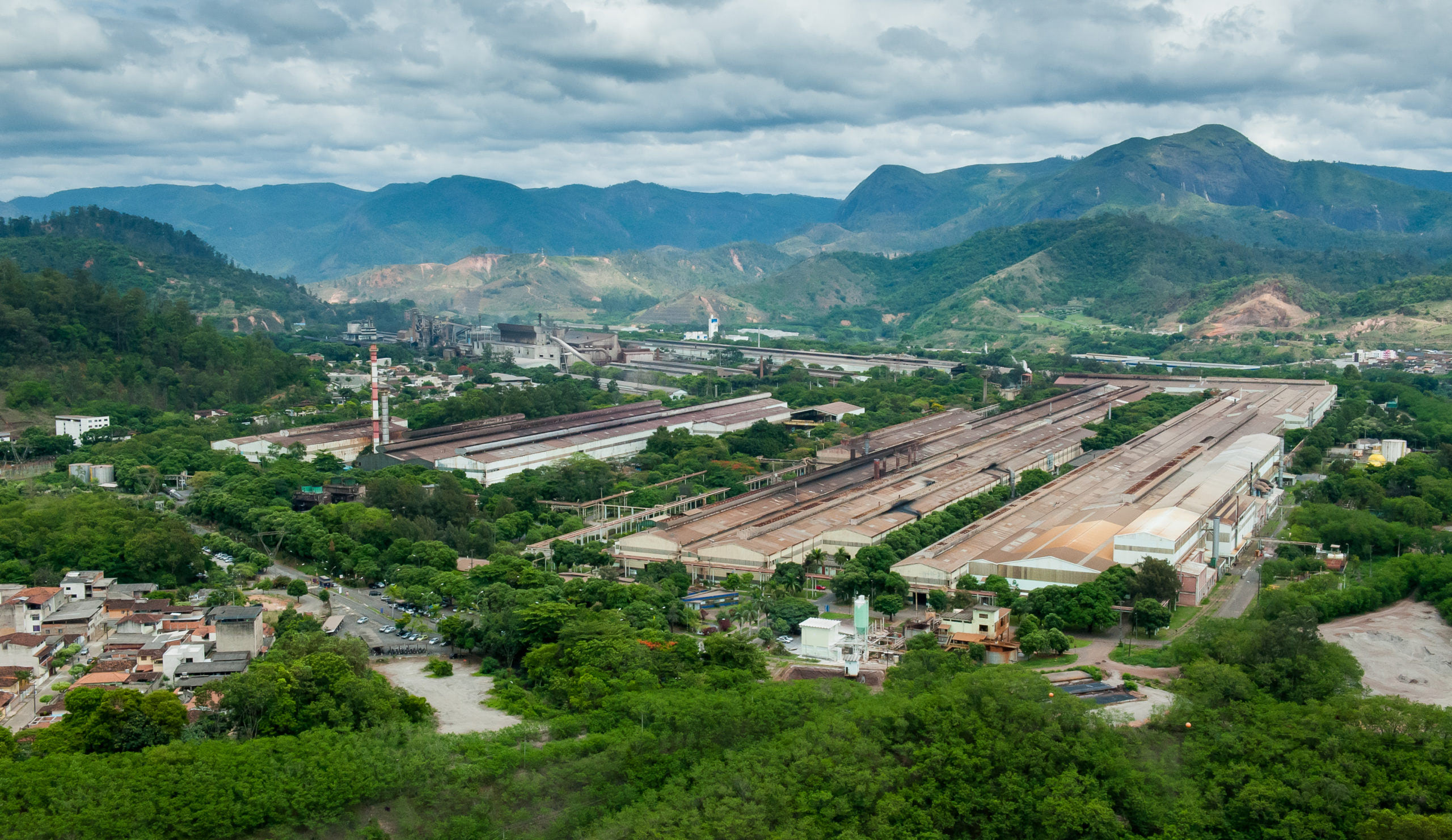
Following a rigorous audit process by AFNOR lasting around 12 months, Aperam South America has achieved certification against the ResponsibleSteel Standard Version 1.1.
According to Aperam South America’s CEO, Frederico Ayres Lima, the site decided to pursue certification against the ResponsibleSteel Standard to further strengthen its commitment to sustainability and, strategically, to promote and make corporate responsibility more widely recognised.
Lima commented, “ResponsibleSteel is critical to our goal of striving for leadership in environmental excellence. We have one of the smallest carbon footprints in the industry and strive to adopt best practices in terms of ethics, governance, community engagement and corporate citizenship.”
He added, “This certification reinforces our commitment to sustainability, since it is part of our mission to offer the market steel solutions produced in a responsible manner.”
To obtain certification, the auditors interviewed a wide range of stakeholders and conducted several technical visits. In total, the auditors conducted over 60 interviews to map stakeholders’ perceptions of Aperam South America.
For the company’s Executive Manager of Health, Safety and the Environment, Robson Machado, this was a challenge that brought a different perspective on some issues. “It was an opportunity to reflect on our practices and see the improvements we can make,” stated Machado.
Aperam South America is an integrated producer of Flat Stainless, Electric and Special Steel. It has a total production capacity of 900,000 tonnes of steel per year and employs over 4000 workers and contractors.
ResponsibleSteel CEO Annie Heaton commented, “We’re very proud to have Aperam South America join a growing number of sites globally that have been certified against the ResponsibleSteel Standard. It is the second Aperam site to become certified, Aperam Stainless Europe being one of the earliest sites to achieve ResponsibleSteel certification back in 2021. This indicates Aperam’s continued determination to show leadership in each region they operate in. Aperam South America is working to build an inclusive and diverse working environment, one which also aims to give back to the local community. Just one example is the inclusion and diversity plan led by volunteers which the site has put in place to combat discrimination and stereotyping.”
Heaton continued, “The site also set up the OIKOS biological reserve through Aperam’s Acesita Foundation, and this has become not only a thriving hotspot for biodiversity but an important environmental education centre for the area, helping to preserve the nearby habitat for future generations and reflecting the site’s commitment to both people and the planet.”
Read the full audit summary here and watch Aperam South America’s CEO make the announcement here.

February 2023 Newsletter
Please view the February 2023 newsletter by clicking the link below:

ArcelorMittal Warszawa Obtains ResponsibleSteel Certification
We’re proud to announce that ArcelorMittal Warszawa has recently earned ResponsibleSteel Certification. The site, after a successful audit carried out by auditors from DNV (Det Norske Veritas) Poland, received the certificate at the end of January confirming that the site had fulfilled the criteria required to earn certification against the ResponsibleSteel Standard.
ResponsibleSteel CEO Annie Heaton stated, “It’s inspiring to see ArcelorMittal’s continued dedication to achieving site certification for all sites across Europe, reflecting the company’s unswerving commitment to working with ResponsibleSteel to build a sustainable, net-zero industry. ArcelorMittal Warszawa is the 8th electric arc furnace steel site to be certified against the ResponsibleSteel International Standard and has demonstrated a keen sense of responsibility towards the environment as well as to the site’s workers and nearby populations. The site consults regularly with local stakeholders and organises community site visits. The site has also invested significantly in reducing pollution, particularly noise pollution, and has committed to a 35% reduction in CO2 emissions by 2030. We look forward to supporting them as they work to fulfil this goal.”
ArcelorMittal Warszawa is a state-of-the-art mini mill, located in Poland. It started operations in 1957, becoming a reputed producer of carbon and special steel long products. ArcelorMittal Warszawa’s production cycle is based on Electric Arc Furnace (EAF) scrap recycling. The company is producing increasing volumes of products branded XCarb™ – (an umbrella brand that groups together all of the reduced, low, and zero carbon steel making activity of ArcelorMittal). Products manufactured by ArcelorMittal Warszawa are used in the automotive, machinery engineering, bearing and construction industries.
Commenting on the certification, Artur Gierwatowski, CEO of ArcelorMittal Warszawa stated, “This certificate is a great recognition for us at ArcelorMittal Warszawa but also a commitment to our stakeholders. Our customers, our employees and members of local communities expect us to produce high quality steel respecting the highest social and environmental standards. The ResponsibleSteel certificate recognizes that we are succeeding in doing it. This makes us very proud, and constitutes a commitment to further ArcelorMittal Warszawa’s sustainable development in coming years.”
The certification audits against the ResponsibleSteel Standard were performed between May and September 2022. They were designed to verify that the steel site’s activities meet a set of rigorously defined requirements, which auditors validate not only on the basis of documentation but also via a number of interviews with internal and external stakeholders. They take into account a broad range of social and environmental criteria including business integrity, relations with employees and communities, human rights and labour rights, climate change and greenhouse gas emissions, water management, waste and noise emissions, and biodiversity.
View the certificate here.

January 2023 Newsletter
Please view the January 2023 newsletter by clicking the link below:

JSW Steel Joins ResponsibleSteel
JSW Steel, one of India’s leading steel manufacturers, has today joined ResponsibleSteel, the only global multi-stakeholder standard and certification initiative for responsibly sourced and produced steel.
JSW Steel is the flagship business of the diversified, US$ 22 billion JSW Group, which is expanding across markets with innovation, digitalization, and sustainability as its key anchors. With efficient integrated operations and a clear vision for the future, JSW is executing its strategic growth plan in line with the growing steel demand.
Annie Heaton, ResponsibleSteel’s CEO, commented, “We are delighted that JSW has joined ResponsibleSteel as a member and very much welcome the commitment to sustainability standards this represents. It is another great example of leadership in the steel industry, and particularly important to see this in India given its role in driving decarbonisation both at home and globally. By joining us, JSW is committing to achieving certification against the ResponsibleSteel International Standard, which in the world of decarbonisation and ESG has no equal. Certification of a steelmaking site requires hard work across the board to integrate not only decarbonisation plans into the site’s strategy but all material environmental and social improvements, which means investment and technological know-how plus a strong commitment from the company’s management and its employees. We look forward to working with JSW as they move forward on their journey of decarbonisation and sustainable development.”
Over the last three decades, JSW Steel has grown from a single manufacturing unit to become India’s leading integrated steel company with a capacity of 28.5 MTPA in India and the USA (including capacities under joint control). Its next phase of growth in India will take its total capacity to 38.5 MTPA by FY25. The Company’s manufacturing unit in Vijayanagar, Karnataka is the largest single-location steel-producing facility in India with a capacity of 12 MTPA. JSW Steel has always been at the forefront of research and innovation. It has a strategic collaboration with global leader JFE Steel of Japan, enabling JSW to access new and state-of-the-art technologies to produce and offer high-value special steel products to its customers. These products are extensively used across industries and applications including construction, infrastructure, automobile, electrical applications, and appliances.
Seshagiri Rao, JMD & Group CFO stated, “The move to join ResponsibleSteel is to collaborate and work with other businesses in creating values, tools, and policies, to accelerate the growth of the steel industry in a sustainable manner and enhance sustainability within our supply chain, so that customers are confident that the steel they use has been sourced and produced responsibly at every stage.”
He continued, “At JSW we understand our responsibility towards making our planet better and are happy to join ResponsibleSteel to demonstrate our commitment through participating in the international certification programme.”
JSW Steel has set ambitious sustainability targets including reducing its specific CO2 emissions by 42% by FY2030 from 2005, aligning its target with the Sustainable Development Scenario (SDS) of the International Energy Agency (IEA) and India’s Nationally Determined Contributions.
Read the full press release here.

ResponsibleSteel joins ISEAL as a Community Member
We are delighted to announce that ResponsibleSteel has recently been approved as an ISEAL Community Member, joining a growing group of members committed to supporting and improving sustainable practices.
ISEAL supports ambitious sustainability systems and works to help members improve these systems to achieve maximum impact. ResponsibleSteel joins several ISEAL Community Members from the mining, metals and minerals sector and looks forward to having the opportunity to share knowledge and experience in order to develop and support sustainable growth in the steel industry.
Annie Heaton, ResponsibleSteel’s CEO commented, “As the only global multistakeholder standard for steel, our aim is to be a driving force in the socially and environmentally responsible production of net-zero carbon steel. We strive to ensure that our ResponsibleSteel International Standard is the most trusted standard for responsibly sourced and produced steel and a leading authority on ESG issues in the industry.”
She continued, “Obtaining ISEAL Community Membership is a critical step on this journey and will help us improve our systems and our credibility as a global standard. We plan to work towards becoming ISEAL Code Compliant over the next few years. We look forward to working with other members of the community and sharing knowledge and experience in order to ensure our work has the greatest impact possible.”
As the only global multi-stakeholder standard and certification initiative for responsibly sourced and produced steel, we are committed to continuously improving our Standard, maximising steel’s contribution to a sustainable world. The ResponsibleSteel International Standard covers a range of sustainability issues: climate change, pollution, and human rights concerns by taking into account both direct and upstream greenhouse gas emissions, air and water pollution, pollution from mining coal and iron ore, labour standards, and more.
ISEAL’s Executive Director, Karin Kreider, commented, “I am very excited to have ResponsibleSteel join ISEAL as a Community Member. Their standards address climate change, pollution, and human rights in various stages of the steel supply chain — the world’s most widely used material. I look forward to a fresh perspective from a new member in the mining and minerals sector and working together in the coming months and years.”
ISEAL members are sustainability systems and accreditation bodies dedicated to delivering benefits for people and the planet. They are committed to continually improving their systems and impacts through learning and innovation; collaborating with stakeholders and peers; and are transparent and truthful about how their systems work and how they measure their impacts.
We are proud to become an ISEAL Community Member and look forward to joining a growing number of sustainability initiatives that are working to drive positive change for both people and the planet.

ResponsibleSteel and global banks agree MoU for the rapid decarbonization of steel
As world leaders prepare to gather in Davos next week for the World Economic Forum, ResponsibleSteel is delighted to announce it has agreed an MoU with the Sustainable STEEL Principles Association (“SSPA”). This is a huge and positive step toward harmonization and greater collaboration between the two organisations and paves the way for the facilitation of the faster decarbonisation of steel.
Annie Heaton, CEO of ResponsibleSteel said, “With the clock ticking on climate change, we need pragmatic solutions to tackle climate change especially, in relation to heavy industry. These solutions need to be based on technological breakthroughs, innovation and creative problem solving. They also need to be global. None of this will be possible without a radical step change in how we finance these breakthroughs so industries like steel can decarbonize rapidly and be a force for good. The MoU between the SSPA and ResponsibleSteel signifies a continued determination by banks, the steel industry and wider stakeholders to achieve real progress towards net zero by 2050, and all the complexities which that entails.”
Steel decarbonization has come under the spotlight recently at global leaders’ meetings, for example COP26 and COP 27, which is right given the significant contribution of the industry to global greenhouse gas emissions. Amidst the proliferation of initiatives now focusing on steel decarbonization, this MoU signals a clear recognition that more work must be done to avoid a divergence of standards and work towards alignment, where possible.
Both the SSPA and ResponsibleSteel have pragmatic and expert pathways towards rapid sustainability. The SSP provide a framework for banks to assess the decarbonization of the steel companies within their portfolios, as well as the climate alignment of their steel lending portfolio. ResponsibleSteel provides an international standard for steel sites to be certified against.
Erik van Doezum, Global Steel Lead at ING and Chair of the SSP said, “The decarbonization of the steel sector globally requires significant investments to be made, and financing will be needed to facilitate these. Banks therefore will have to identify high quality decarbonization business plans, allowing them to guide their assets into investments compatible with a 1.5C future. Building consistent and transparent data via reporting requirements for the steel sector will be paramount to facilitating financing for the decarbonization of the sector. This will enable all parties – steelmakers, lenders and other stakeholders – to use and understand common measures of progress. That is why we believe that this MoU between Responsible Steel and the SSPA is important – it signifies the importance of collaboration towards those ends.”
Much analysis and scrutiny has gone into understanding the dynamics of the steel sector in the development of both the new ResponsibleSteel GHG requirements and those of the Sustainable STEEL Principles. The SSPA and ResponsibleSteel have now signaled a continuing desire to cooperate in the interest of complementarity between standards.
In addition to this MoU announced today, ResponsibleSteel is setting up a Finance Working Group (FWG) with key voices from the steel industry, global finance, investment and civil society. Its goal will be to facilitate dialogue including benchmarking carbon requirements within the ResponsibleSteel Standard and certification programme in order to facilitate capital flows to meet decarbonization requirements. The initial round of discussion will start this month and the FWG hopes to report on its recommendations by December 2023.

ArcelorMittal Monlevade becomes certified against the ResponsibleSteel Standard
The ArcelorMittal site, located in João Monlevade in the state of Minas Gerais, has recently been certified against the ResponsibleSteel Standard following a year-long process involving a rigorous audit conducted by DNV (Det Norske Veritas).
Founded in 1937, the Monlevade plant produces long carbon steels with special characteristics for the manufacture of auto parts such as steel cords for tyres, bars for shock absorbers, helical springs, fasteners, steel wool, cables, and welds. Its steel is present in three out of four tires used in Brazil.
ResponsibleSteel CEO Annie Heaton commented, “this is an exciting accomplishment which has been a long time in the works. It’s a reflection of the dedication and hard work ArcelorMittal Monlevade has put in to ensure they are meeting the highest standards of responsible steel production. In addition to achieving carbon neutrality by 2050, they have set an interim commitment of reducing scope 1 and 2 emissions by 10% by 2030. They have also taken great care to meet the needs of workers and the local community and to implement practices which protect the surrounding natural environment.”
DNV Brasil’s auditors visited all the facilities of the Monlevade site and interviewed stakeholders and the site’s leadership to assess the operations and processes according to the principles of the ResponsibleSteel Standard. They interacted with employees, contractors, representatives of the City Council and social projects, and community leaders, among others.
“The ResponsibleSteel certification is one of the most complex to be achieved. It assesses governance standards, from decarbonization of processes to respect for human rights, local communities and employees, from the safety of employees and processes to the responsible use of natural resources,” explained Fabiano Cristeli, head of operations at ArcelorMittal Monlevade.
He continued, “the Biodiversity Master Plan, the high rate of water recirculation, which is 98.77%, as well as the suppliers’ training on conduct and anti-corruption policies outstood. Other actions were well rated in the report, including the fight against child labour, the preparation of teams of volunteers, and the support for social projects in the region, such as the Chords project, which consists of teaching classical music to children and youngsters.” The company’s goals of having 25% of women in leadership positions by 2030 and of being carbon neutral by 2050 also drew the auditors’ attention.
The Monlevade site will also be receiving investments of BRL 2.5 billion by 2024 to facilitate its expansion. The expansion is expected to increase production capacity from 1.2 million tons to 2.2 million tons of steel per year and create 650 jobs onsite, plus generate further jobs during the expansion process. The investment will enable the implementation of another sinter plant and a new blast furnace, in addition to other improvements. Following the expansion, the Monlevade plant will be one of the largest long carbon producers in the country.
The audit report was reviewed by an independent Assurance Panel and the certificate is valid for three years. It is the second one obtained by an ArcelorMittal operation in Brazil following the certification of the Tubarão site in March 2022. ArcelorMittal’s goal is to certify all plants in Brazil by December 2023.
Read the full press release here or watch the video announcement by ArcelorMittal South America Long CEO Jefferson de Paula here.
