

Reflections from China: ResponsibleSteel's CEO Annie Heaton discusses building interoperability across global standards
Interoperability: Building a bridge between global standards
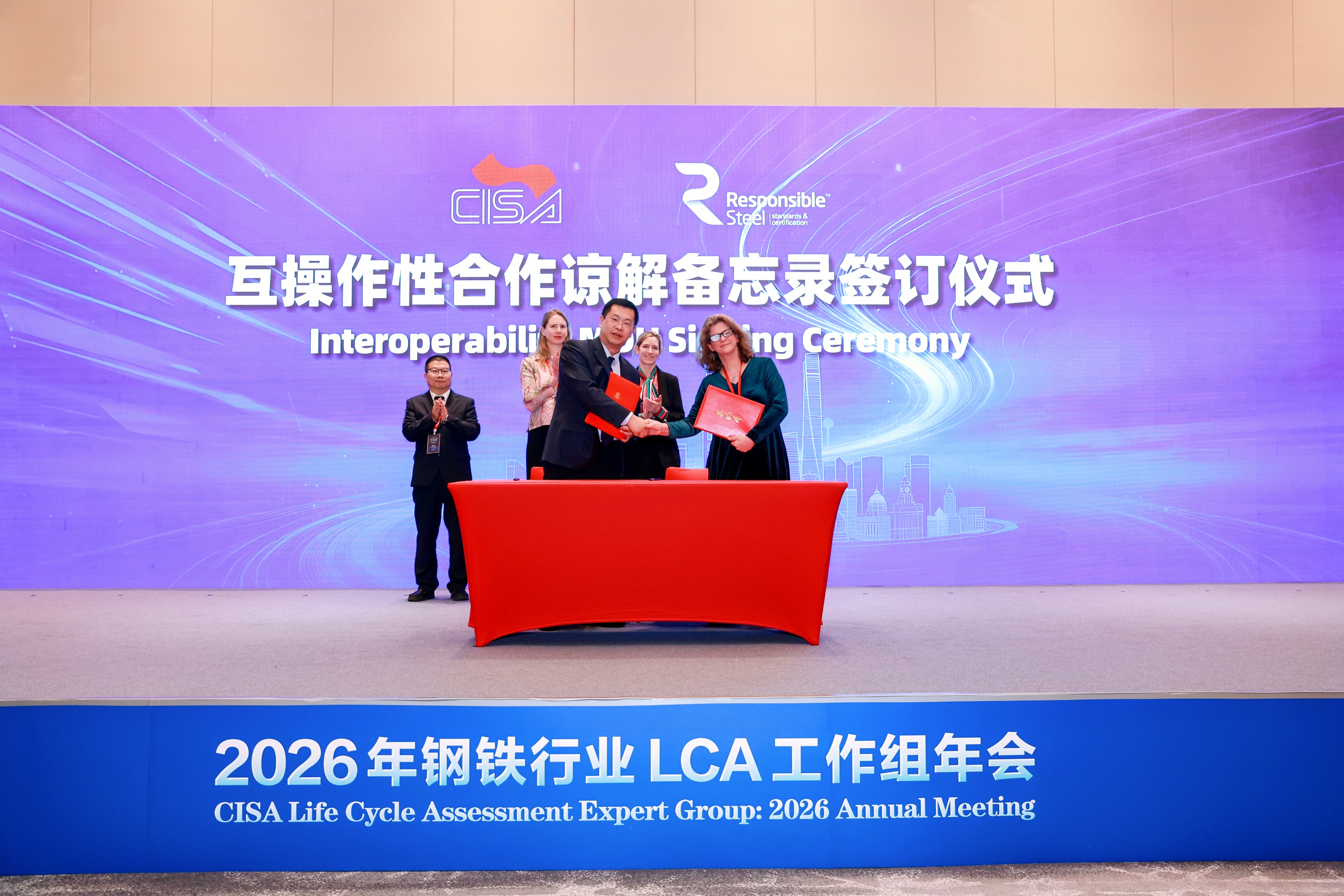
ResponsibleSteel's quest for a coherent market for decarbonised steel in 2026 got off to a constructive start this month. Following the announcement of our landmark agreements with the Chinese Iron and Steel Association (CISA) and the Low Emission Steel Standard (LESS) at COP30, ResponsibleSteel was in China in January to kick off our work on interoperability with CISA. This work in China complements our parallel project with Brussels-based LESS.
The goal? To build trusted data and claims on decarbonisation.
During our trip, our Director of Programmes, Amy Jackson, our Decarbonisation Lead, Alli Devlin, and myself had the opportunity to:
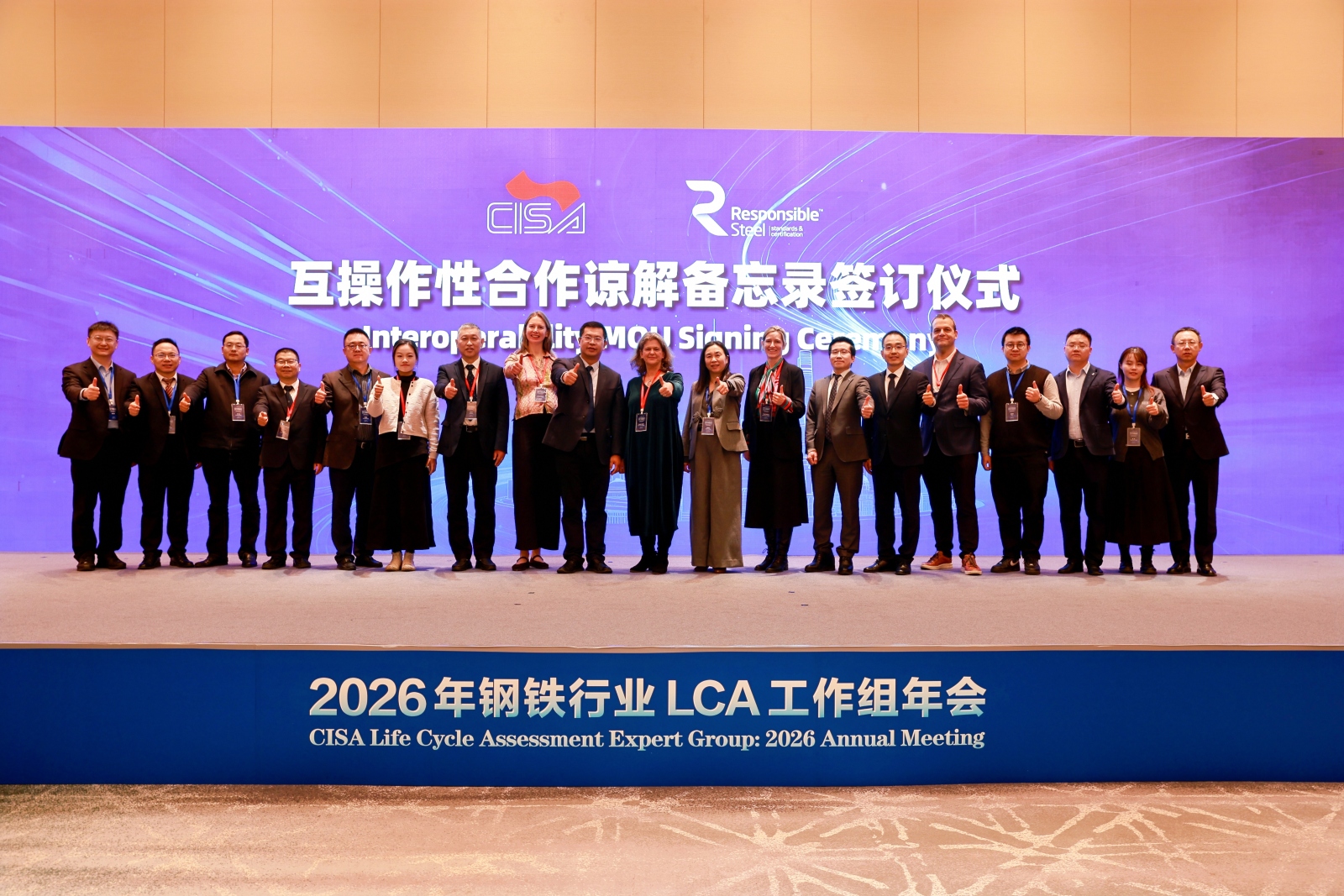
- Present to the Chinese steel value chain our C2F (China's low-carbon emission steel standard) interoperability MoU at CISA's annual LCA conference.
- Connect with our Chinese members, including SKF, World Resources Institute (WRI), Climate Group, VAMA (Valin ArcelorMittal Automotive JV), Penglai Dajin, and some of our certification bodies working in China, including Afnor and China Quality Certification Centre (CQC).
- Get to work on our C2F-ResponsibleSteel Interoperability Project, structuring the discussions around our Framework for Credible Interoperability.
- Visit the 15mtpa Zhanjiang steel plant, where a new DRI-EAF line was launched in Dec 2025. This has involved the production to date of iron reduced with hydrogen in a 1mtpa DRI plant. Whilst this is currently produced from refined coke oven gas, the project is a hugely significant demonstration of the potential to produce hydrogen-based DRI at an industrial scale.
.jpg)
What do ResponsibleSteel's interoperability projects look like in practice?
In short, interoperability means measuring emissions using rules that are as aligned as possible, and recognising the differences, to enable comparison on a like-for-like basis. Imagine the benefit this would bring for anyone wanting to distinguish what good looks like, for example, procurement teams, investors, and policymakers.
But making interoperability work in practice requires a lot more if we want a reliable, credible and sustainable system that generates high-quality, comparable data.
We've outlined the key components of this in our Framework for Credible Interoperability, which will inform both our work with LESS and CISA:
- Aligned GHG accounting rules
- A reliable calculation tool
- A robust assurance mechanism
- Credible claims protocols
- Good governance, oversight and resourcing
- Appropriate data management
- Strong operations management systems
This is how markets are built: first with innovation, then with the necessary rules and systems that enable good information to flow – so that steel buyers can understand, investors can evaluate, and steelmakers can compete, based on emissions performance that everyone can trust.

Biocarbon in steelmaking: A natural path to decarbonisation with real challenges - Karmanterra
In this blog, authored by Karmanterra, the opportunities and challenges of using biocarbon in steelmaking are explored. Biocarbon offers a natural pathway to reduce emissions and support compliance under frameworks such as the EU ETS, but scaling its use requires reliable biomass supply chains, investment in infrastructure, and careful technical integration. Drawing on developments in regions like the American Southeast, Karmanterra highlights how nature-based solutions can play an important role in the steel industry’s journey to net zero.
As global pressure mounts on industries to decarbonise, the steel sector, one of the world’s largest industrial carbon emitters, faces growing scrutiny. In Europe, regulatory frameworks like the EU Emissions Trading System (EU ETS) are intensifying incentives for companies to find lower-carbon pathways. One promising solution gaining momentum is biogenic carbon, commonly known as biochar or biocarbon, as a substitute for fossil-based coal and coke in steelmaking.
Why biocarbon?
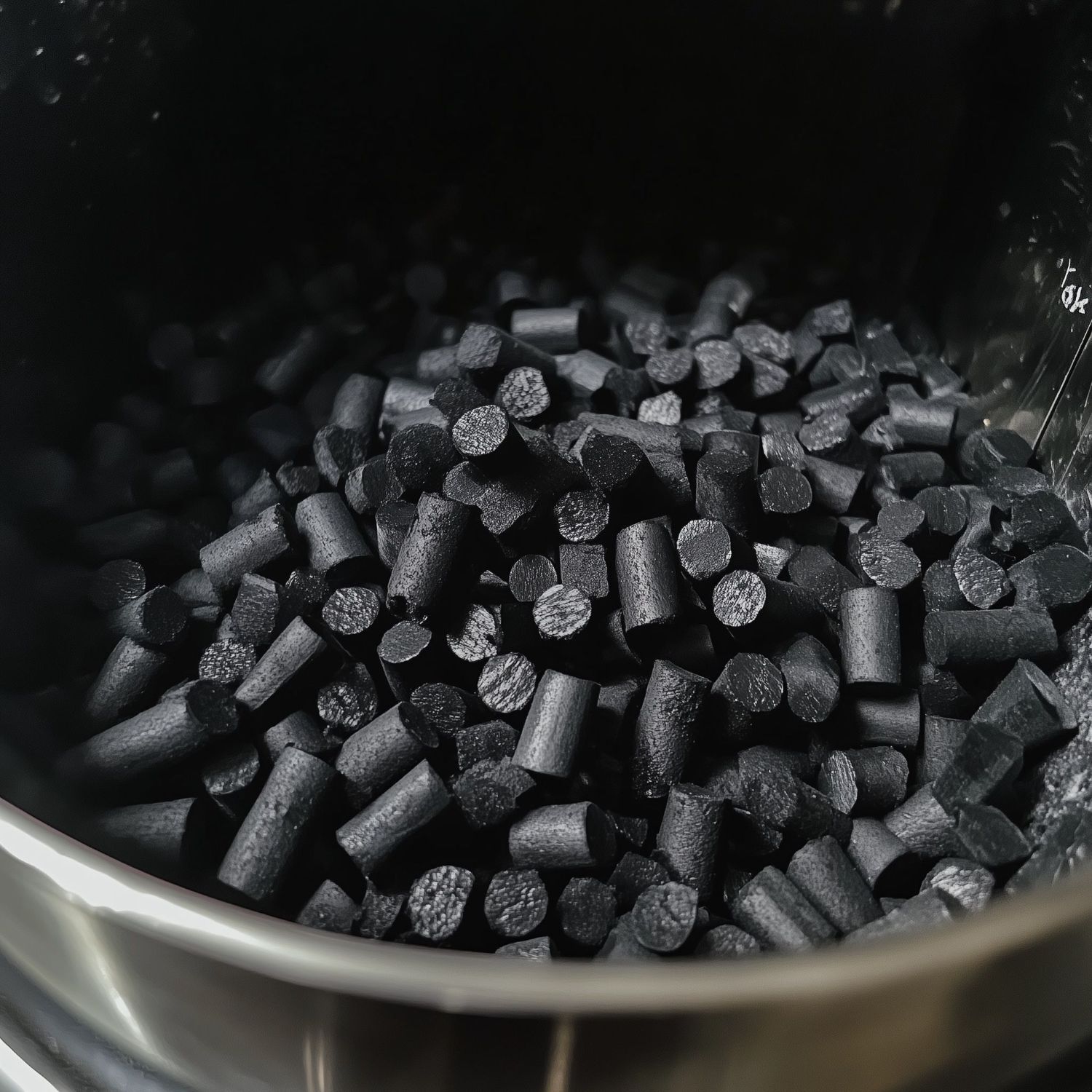
Biocarbon is produced by pyrolyzing or gasifying biomass such as forestry residues, agricultural waste, or other organic matter in the absence of oxygen. The resulting material is rich in carbon and can replicate many of the properties of coal or coke in metallurgical processes. From an environmental standpoint, the carbon in biocarbon is considered biogenic—originating from recently living organisms—rather than geologic sources like coal that release fossil carbon when burned. This distinction is critical under the EU ETS, where biogenic emissions are generally exempt from compliance costs.
By replacing fossil-based reductants with biocarbon, steelmakers can lower their reported emissions and reduce liabilities under carbon pricing mechanisms. This could transform steel’s traditionally high-carbon footprint into a more circular, nature-aligned process.
The challenges of scaling a nature-based solution
Despite its promise, the integration of biocarbon into steelmaking faces significant challenges. The steel industry consumes tens of millions of tonnes of coal and coke annually. Replacing even a fraction of this with biocarbon requires a consistent, large-scale biomass supply chain, which is both a logistical and environmental hurdle.
Forestry residues, agricultural byproducts, and energy crops may seem abundant, but sourcing sustainable biomass on an industrial scale demands a sophisticated supply chain close to pyrolysis sites to limit logistical costs and carbon emissions. Proximity to rail or ports is also essential for delivery to steel mills.
Pyrolysis facilities capable of producing metallurgical-grade biocarbon are still limited in number and capacity. The capital expenditure required to build out this infrastructure is significant, and without long-term offtake agreements, financing remains difficult.
Technical differences also exist between biocarbon and traditional coke. Biocarbon generally has lower mechanical strength, different combustion characteristics, and higher reactivity, affecting furnace operation, energy efficiency, and product quality. Naturally derived biogenic materials often contain higher levels of trace minerals such as silicone, boron, and phosphorus, which can be particularly challenging for stainless steel production. As a result, integrating biocarbon into blast furnace and EAF operations requires careful adjustment of feedstocks and may not be feasible in all plant configurations and furnace types.
The American Southeast as a supply source
The American Southeast offers ample opportunity for global biocarbon development. Often called the American wood basket, the region is dominated by fast-growing Southern yellow loblolly pine. Timber inventories remain high, notably in Mississippi, Alabama, Virginia, and Arkansas, where sawtimber volumes are projected to rise by about 17% over the next 10 years.
This abundance of resources could provide the steel industry with the capacity and cost structure to scale up biocarbon adoption. We at Karmanterra have received accreditation from the Sustainable Biomass Program (SBP) to verify and account for the sustainable nature of our biomass to meet the needs of the EU ETS and other cap and trade programs.
Regulatory incentives and the path forward
Policy support is strengthening. The EU ETS continues to tighten, making low-carbon alternatives more economically attractive. Several countries now offer subsidies or tax incentives for industrial decarbonisation, improving the investment climate for biocarbon.
Hybrid steelmaking routes—such as direct reduced iron (DRI) using hydrogen—could work alongside biocarbon, creating flexible, multi-pathway decarbonisation strategies.
Still, for biocarbon to become a viable solution, it will require cross-sector collaboration: from biomass suppliers and pyrolysis operators to steel producers and policymakers. It will need investment in infrastructure, standardised quality specifications, and robust sustainability criteria to ensure that biocarbon use doesn’t create new problems.
Conclusion
Biocarbon offers a real opportunity to reduce steelmaking’s climate impact while offering a pathway to regulatory relief under cap-and-trade systems like the EU ETS. Realising this potential will mean overcoming a complex mix of scale, supply, and technical challenges. As industries and governments accelerate toward net zero, nature-based solutions like biocarbon must be embraced—not as silver bullets, but as integral components of a diversified decarbonisation strategy.
Click here to learn more about Karmanterra.
Note: All opinions expressed within guest blogs are of the author alone, and do not reflect the views of ResponsibleSteel. If you are one of our members/partners and would like to submit a guest blog, please read the editorial guidelines on our website for more information.


The future of steel sustainability: In conversation with Philippe Aubron, Head of Global Automotive at ArcelorMittal
Philippe Aubron, ArcelorMittal’s Head of Global Automotive, joined ResponsibleSteel’s Board of Directors earlier this year. We asked him a few questions on the industry’s most promising developments, growing demand for sustainable, low-emission steel, and the value of ResponsibleSteel in supporting the shift towards sustainable practices.
1. You’ve witnessed the steel industry evolve significantly over the past three decades. What do you think are the most important changes shaping the sector today?
Over the past 30 years, the steel industry has undergone a profound transformation. Today, the most significant change is the shift toward sustainability and decarbonisation. This is driven by both regulatory pressure and customer demand, particularly in sectors like automotive. Digitalisation and advanced manufacturing technologies are also reshaping how we produce and use steel, enabling greater efficiency, traceability, and innovation. The industry is no longer just about volume and cost—it’s about value, responsibility, and long-term impact.
2. What role do you see ResponsibleSteel playing in helping the industry deliver on its sustainability commitments?
ResponsibleSteel provides a credible, independent multistakeholder standard that supports transparency and continuous improvement across a broad range of ESG criteria. It helps steelmakers demonstrate responsible practices and gives customers confidence in the sustainability of their supply chains. Importantly, ResponsibleSteel is also working to align with other standards, such as the Low Emission Steel Standard (LESS) and the Initiative for Responsible Mining Assurance, to ensure interoperability and reduce complexity for producers and customers alike. This harmonisation is essential to building trust and accelerating the transition across the industry.
3. What value does ArcelorMittal see from being part of ResponsibleSteel?
The ResponsibleSteel International Production Standard is not just about emissions—it encompasses over 500 ESG criteria, from biodiversity to human rights. As the industry evolves, ResponsibleSteel will be instrumental in setting credible benchmarks and enabling customers to make informed choices. The Production Standard has been warmly received by all ArcelorMittal sites that have undertaken the certification process, which proved valuable in helping to identify opportunities to further improve ESG practices and performance. It has served to strengthen our management systems, ensuring we continue to embed robust ESG standards across our operations.
4. Where (regionally or technologically) do you see the most promising developments in sustainable steel production emerging?
ArcelorMittal is already producing low carbon emission steel in various locations around the world, although Europe remains a frontrunner due to its regulatory ambition. However, the technological path is complex and requires strong policies to address global steel overcapacity, unfair trade, carbon leakage, clean energy cost and availability, and prioritising scrap for circularity and decarbonisation within the EU. A framework to address these issues and more was set out by the European Commission in its Steel and Metals Action Plan which was published earlier this year. However, what is lacking is speed of implementation—the framework outlined in the Steel and Metals Action Plan needs to be converted into effective legislation. We remain hopeful that this can be achieved as soon as possible.
5. As Head of Global Automotive for ArcelorMittal, how is demand for low-emission and sustainable steel evolving among automotive customers? What are going to be the industry’s biggest challenges in meeting this demand?
Automotive OEMs are increasingly integrating sustainability into procurement, driven by Scope 3 emissions targets and consumer expectations. Demand for low-carbon steel is gradually increasing, but the real challenge lies in scaling supply to meet demand at a competitive cost. While some customers are already securing volumes for upcoming vehicle launches, the majority remain hesitant to absorb the higher cost associated with the 'green premium'—despite clear signals that the shift is underway. The industry must overcome high production and energy costs, limited availability of green inputs, and the need for harmonised standards. Also, more work can be done to increase circularity—for example, scrap steel buybacks—and recycling, and therefore create closed loops.
6. What drew you to join the ResponsibleSteel Board at this moment in the industry’s transition?
This is a pivotal moment for the steel industry. The decisions we make now will shape the sector’s impact on climate, communities, and the economy for decades to come. I joined the ResponsibleSteel Board to help ensure that the transition is ambitious, credible, and inclusive. With my background in automotive and global operations, I hope to bring a practical perspective to the table and help bridge the gap between producers and end-users.
August 2025 Newsletter
This month marks a major milestone: EMSTEEL Group is the first site in the MENA region to achieve ResponsibleSteel™ Certification – a benchmark in a region set to play a vital role in the industry’s transition.
We invite members to share feedback on potential updates to ResponsibleSteel's GHG claims through our survey. Your input will inform the Board’s next meeting, so please make sure your voice is heard.
Our new case study, with SIJ - Slovenian Steel Group, highlights how certification provides a clear sustainability roadmap, delivering benefits such as stronger worker wellbeing and community trust. You can also explore our latest member blog from Maxion Wheels, a Reuters opinion piece from our CEO, Annie Heaton, and our upcoming Just Transition webinar in partnership with Initiative for Responsible Mining Assurance (IRMA).
Finally, we’re delighted to welcome Titan Wind Energy as our newest member and share information on upcoming events and opportunities to get involved.
In this edition, read about:
- EMSTEEL's first certification
- ResponsibleSteel's GHG claims survey
- Our first case study with SIJ Group
- Welcoming our newest member
- Take part in our standard revision
Read our latest newsletter here for more.

ResponsibleSteel: A key pillar of Maxion Wheels’ Responsible Sourcing Policy
At Maxion Wheels, our commitment to sustainability is deeply embedded in our business strategy. As a leading global manufacturer of both aluminum and steel wheels, we understand the critical role we play in the automotive industry and the broader societal impact of our operations. Our annual steel requirement amounts to 800,000 tons, covering our operations across North and South America, Europe, Africa, and Asia.
Scope 3 emissions from the steel we purchase make up the largest share of our total emissions at 56%. Reducing these upstream emissions is strategically important to Maxion Wheels’ goal of becoming a net-zero operation by 2040. To this end, we have entered into future partnership agreements with selected steel manufacturers that offer a green vision and a solid decarbonisation strategy. We actively encourage our steel suppliers to offer more sustainable options, enabling Maxion Wheels to develop solutions that fulfil our customers’ expectations.
Strong industry standards and frameworks help unify the supply chain around shared sustainability values. They also make supply chain sustainability governance more efficient and less resource-intensive. The ResponsibleSteel International Production Standard provides a benchmark on sustainable best business practices for the steel industry, and ResponsibleSteel’s Principles align with our own values as well as the expectations we have of our supplier network.
Our responsible sourcing policy reflects this commitment by awarding credit points to steel suppliers in their annual performance rating, if they are members of ResponsibleSteel. We collaborate with steel manufacturers who are committed to reducing their emissions and implementing closed-loop systems. These manufacturers are not only dedicated to minimising their environmental footprint but also to enhancing the overall sustainability of their operations. By targeting these forward-thinking steel producers, we ensure that our supply chain supports our sustainability goals.
Our ResponsibleSteel membership is a testament to our commitment to sustainability and responsible sourcing. With our holistic supply chain risk management, we continuously monitor and evaluate our suppliers, recognising and rewarding those who excel in responsible practices.
At Maxion Wheels, we are proud to be at the forefront of this important movement, leading the way towards a sustainable, net-zero future as a proud member of ResponsibleSteel.
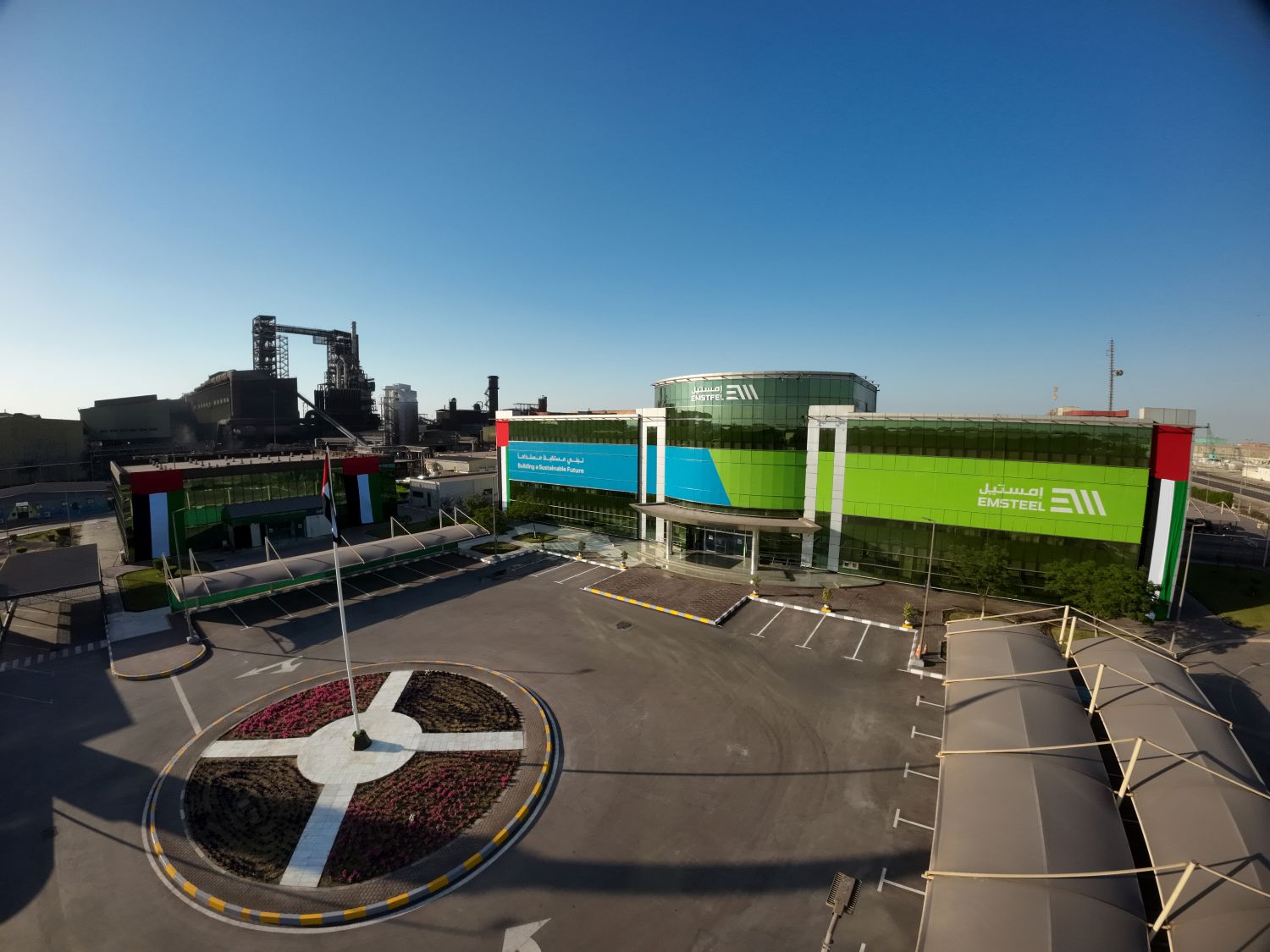
EMSTEEL Achieves ResponsibleSteel Core Site Certification – A First for the MENA Region
Emirates Steel Industries Co. PJSC (EMSTEEL) has earned Core Site Certification under the ResponsibleSteel International Production Standard, introducing ResponsibleSteel certification to the MENA region and establishing a key benchmark for the region’s steel sector.
Located in the Abu Dhabi Industrial City, EMSTEEL operates a fully integrated facility producing 4.2 million tonnes of direct reduced iron annually and over 7 million combined tonnes of steel products such as billets, beam blanks, blooms, and reinforcing bars. The audit, conducted by CARES, assessed performance against more than 300 social, environmental, and governance requirements.
Annie Heaton, CEO of ResponsibleSteel, said,“The certification of EMSTEEL marks the arrival of ResponsibleSteel certification in the MENA region and sets an important benchmark for the region’s steel industry. The site certification recognises EMSTEEL’s established governance systems, as well as transparent engagement with a wide range of stakeholders. As a region that plays a growing role in the global steel supply chain, the MENA region is poised to become an important piece of the puzzle in the industry’s transition. This certification not only shows that sustainability standards can be applied effectively across different regions but also reflects the sustained progress being made by companies like EMSTEEL. We look forward to continuing our work with EMSTEEL and other regional leaders on the journey to a more responsible steel value chain.”
EMSTEEL's decarbonisation strategy aims to cut Scope 1 and 2 emissions by 40% by 2030 from a 2019 baseline, more than double the UAE’s 19% reduction requirement, and to achieve net zero by 2050. The company’s five-pillar plan involves carbon capture, 100% clean electricity by 2030, enhanced energy efficiency, increased scrap use, and the adoption of green hydrogen having launched the region’s first hydrogen-based steel pilot project with Masdar in 2023.
Saeed Ghumran Al Remeithi, Group Chief Executive Officer, EMSTEEL, commented, “Achieving the ResponsibleSteel™ certification is a proud milestone for us and is a testament to our relentless commitment to sustainability, innovation and responsible growth. As the first company in the MENA region to meet this global benchmark, we’re proud to continue driving national advanced manufacturing goals, while setting industry benchmarks for decarbonising the steel value chain.”
With over 2,700 employees and contractors, EMSTEEL plays a key role in the UAE’s industrial landscape and supports a broad network of stakeholders. Representatives from government agencies, academic institutions, and the local community were consulted as part of the audit, reflecting the company’s ongoing commitment to stakeholder engagement and continuous improvement across the steel value chain.
Take a look at the certificates and public audit summaries here.
July 2025 Newsletter
The July edition of the ResponsibleSteel™ newsletter is now live.
This month, we mark a significant milestone: thyssenkrupp Steel’s Duisburg site, the largest steel production site in Europe, is now ResponsibleSteel Core Site Certified. This certification reflects a strong commitment to independently verified, credible progress.
We're also inviting members and stakeholders to get involved in our Certified Steel campaign, which demonstrates how ResponsibleSteel certification supports buyers and investors in making informed, sustainable choices.
Understanding and addressing the social impacts of the net zero transition remains a priority. Together with IRMA Initiative for Responsible Mining Assurance ,we’ve published a new blog and will be hosting a webinar exploring how voluntary sustainability standards can contribute to a Just Transition.
Click here to read the full newsletter.
Exploring the role of standards in driving a responsible transition in steel and mining: A collaborative journey between IRMA and ResponsibleSteel
As the global shift toward decarbonisation gains momentum, so too do the questions around how the transition will affect people and communities. While emerging technologies bring a cleaner future, they also bring with them significant disruption, particularly in heavy industries like steel and mining. New technologies, shifting production geographies, and economic restructuring can create unintended social consequences such as job losses, community displacement, and weakened local economies.
In response to this, two Voluntary Sustainability Standards, the Initiative for Responsible Mining Assurance (IRMA) and ResponsibleSteel have come together to explore what a just transition looks like for these sectors, and to explore the role of standards in steel and mining to drive a responsible transition. This joint project, supported by the ISEAL Innovations Fund and the Swiss State Secretariat for Economic Affairs (SECO), seeks to understand the social impacts of transitions and how voluntary sustainability standards can help ensure that this transformation is fair, inclusive, and responsible.
This collaboration reflects a growing recognition of the value in shared learning between the steel and mining sectors. By working together, IRMA and ResponsibleSteel are exchanging insights, comparing approaches, and learning from each other’s experiences to strengthen how just transition principles are understood and applied.
A shared vision rooted in multi-stakeholder governance
IRMA and ResponsibleSteel were both founded on the principle of multi-stakeholder governance. Their boards include labour unions, civil society, and industry (Purchasers, Indigenous Rights Holders, Investors-IRMA), as well as affected communities in IRMA’s case, ensuring that decisions are not only transparent but also equitable. This approach forms the foundation of our collaboration on the just transition. Together, we bring complementary strengths: IRMA’s standard addresses upstream mining operations at the site level, while ResponsibleSteel covers the downstream steel production process.
The two initiatives are jointly exploring how standards can help mitigate adverse social impacts of decarbonisation, such as the economic consequences of site closures or workforce displacement. Our goal is to provide a common foundation that recognises diverse regional realities and reflects the voices of workers, Indigenous Rights Holders, communities, and industry actors alike in our voluntary sustainability systems.
Laying the groundwork: Research and stakeholder engagement
The first phase of the project centred on an in-depth literature review of over 200 sources, including international standards, academic and practitioner literature, case studies, and online materials, with a focus on content relevant to the steel and mining sectors. This review explored how voluntary sustainability standards, global frameworks, and national policies approach just transition issues, highlighting areas of alignment as well as gaps. Insights were drawn from 11 standards and frameworks relevant to the steel and mining sectors, along with case examples from seven additional countries. Building on this foundation, the team conducted over 30 stakeholder in-depth interviews with voices across industry, labour, Indigenous rights holders, supply chains, policymakers, academia, and civil society. These conversations were then complemented by two multi-stakeholder workshops in Johannesburg and Brussels, which brought together workers, unions, companies, NGOs, Indigenous representatives, and decision-makers. Each phase has contributed valuable, grounded perspectives that continue to shape the direction and priorities of the project.
Key insights from the project so far
What has become clear and consistent throughout both the literature review and the stakeholders' engagement so far is the contested nature of the term ‘Just Transition’. As we all live in different worlds with different contexts of reality, everyone brings their own understanding and priorities when thinking about a just transition. As voluntary sustainability standards, we must be thoughtful in how we define and interpret this term. We need a flexible framework where local context can be well reflected, and the context and priorities are defined by local stakeholders.
Another key insight that emerged from all activities was the critical importance of an inclusive governance and management system that accommodates a meaningful stakeholders' engagement process and inclusive decision making at every step of the way to achieve a just transition. This also presents a challenge - inherent tension between the urgency of just transition issues and the often time-consuming nature of stakeholders' engagement. It is not just about having a process itself, but it is about recognising and addressing the existing power imbalance between stakeholders, and ensuring that the process facilitates meaningful consultation, which, in essence, means providing equitable access to consultation and decision-making processes.
Moving forward
Drawing on their sectoral expertise, multi-stakeholder governance models, and shared commitment to transparency and accountability, IRMA and ResponsibleSteel are exploring how standards can support a just transition in practice. This project marks an initial step toward building a stronger foundation for future efforts, recognising that meaningful progress will depend on continued collaboration and engagement.
Join the conversation
As this joint project progresses, ResponsibleSteel and IRMA would like to continue the conversation with stakeholders. An important milestone in this journey is an upcoming webinar, which will provide an opportunity to share key findings, share what we heard from those who contributed to the project, and explore how voluntary sustainability standards can play a meaningful role in supporting a responsible transition in the steel and mining sectors.
We invite you to join us for a webinar hosted by IRMA and ResponsibleSteel :
Date: Thursday, 4 September
To make it easier for participants in different time zones to join, the same session will be offered at two different times.
Session 1:
10:00–11:30 CEST / 10:00–11:30 SAST (South Africa)
9:00–10:30 BST (UK)
3:00–4:30 PM Southeast Asia (Jakarta Time)
Click here to register for session 1.
Session 2:
16:00–17:30 CEST / 16:00–17:30 SAST (South Africa))
15:00–16:30 BST (UK)
10:00–11:30 AM US Eastern Time (EDT)
Click here to register for session 2.
Find out more about IRMA here.
SKF: Advancing decarbonisation through ResponsibleSteel
At SKF, we believe that the journey to net zero must be a collective one, built on shared standards, collaboration across the value chain, and a commitment to continuous improvement. As a global industrial technology leader and significant buyer of steel, purchasing more than half a million tons annually, we recognise the important role we play in supporting the transformation of the steel industry.
Steel is a critical material in our products and represents around 70% of our upstream carbon footprint. In recognition of this, we’ve made the decarbonisation of our steel supply chain a strategic focus. However, we also recognise that genuine progress needs more than internal ambition; it requires industry-wide alignment and credible frameworks to guide action.
That’s why SKF joined ResponsibleSteel. We see ResponsibleSteel as a vital platform for advancing a shared understanding of what responsible steel production looks like - one that integrates environmental, social, and governance (ESG) principles with robust standards for emissions and broader sustainability performance. The initiative’s multi-stakeholder governance and assurance frameworks provide the transparency and consistency needed to support informed decision-making and accelerate change.
We are proud to have contributed to the development of ResponsibleSteel’s International Production Standard, which provides a much-needed framework for measuring and improving the climate performance of steel producers. We actively encourage our steel suppliers to engage with the ResponsibleSteel Standard and consider how it can support their own sustainability journeys. Through SKF’s Sustainability Standard for Suppliers, we promote alignment with ResponsibleSteel’s 13 Principles and reporting expectations with steel and steel component suppliers. We believe that by raising awareness and fostering dialogue around ResponsibleSteel’s approach, we can help build momentum for more sustainable practices across the value chain.
In parallel, we are working closely with selected steelmakers to explore and scale low-carbon technologies. This includes partnerships to develop steel made from recycled content and hydrogen-reduced iron (H-DRI), as well as pilot projects that demonstrate the feasibility of greener steel in industrial applications. These collaborations are helping to demonstrate what’s possible and inspire broader adoption across the sector.
We also use our voice to advocate for systemic change. Through our involvement in initiatives such as ResponsibleSteel and SteelZero, we support the development of policy and market mechanisms that can accelerate the transition towards a net-zero steel industry. We believe that demand-side signals from buyers, combined with clear standards and supportive policy, are key to unlocking investment and innovation.
At SKF, we see responsible steel not only as a material choice but as a strategic lever for climate action, resilience, and long-term value creation. We’re proud to stand with ResponsibleSteel and its members in advancing this vision, and we look forward to continuing the journey together.
ResponsibleSteel publishes verified emissions data: The next step towards transparent, consistent emissions accounting and disclosure
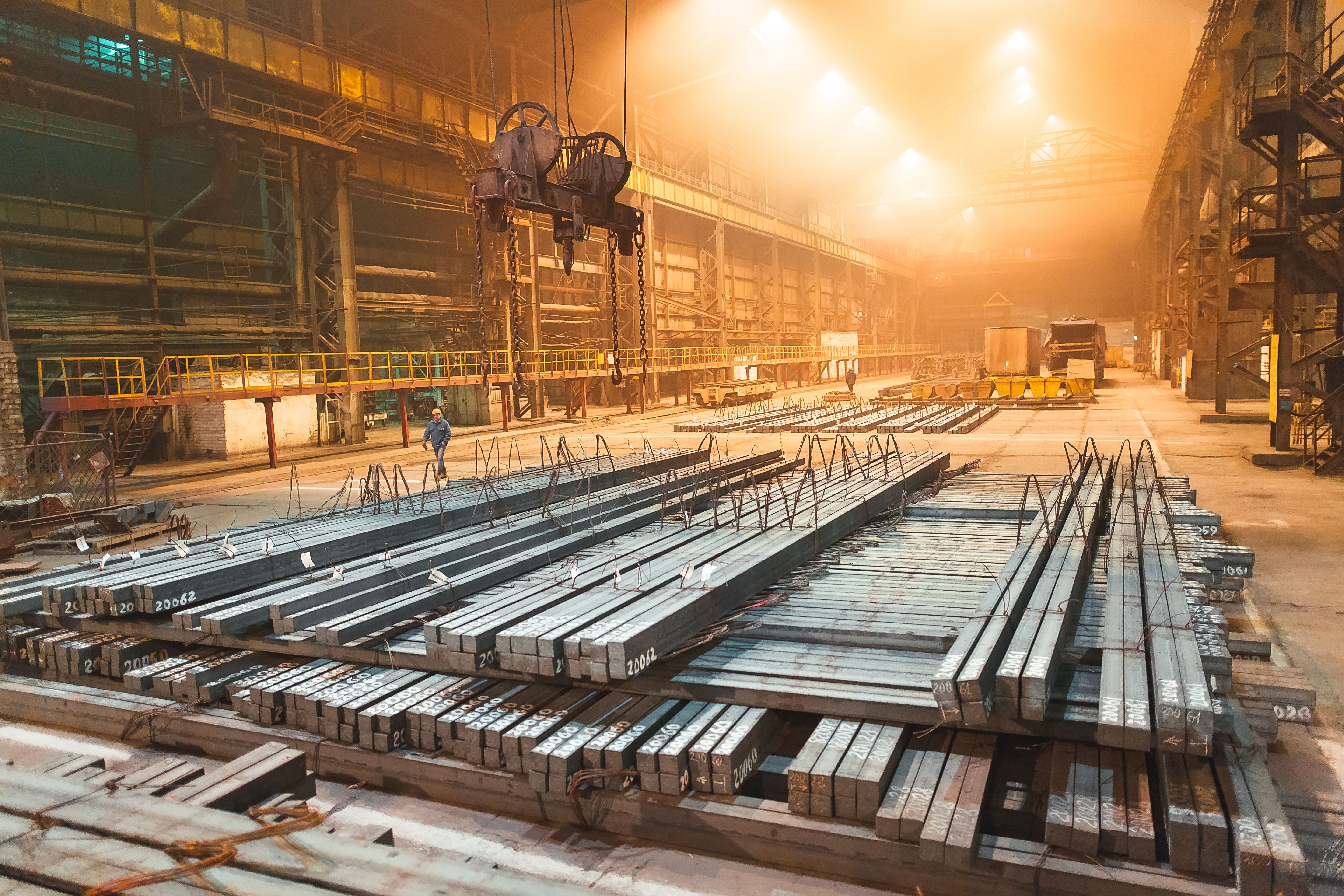
ResponsibleSteel has published verified greenhouse gas (GHG) emissions data from Certified Sites as part of its members’ commitment to transparent emissions accounting and data disclosure.
As pressure for credible climate action grows, clear, consistent and comparable emissions data is essential. It enables steel buyers, investors, policy makers and other stakeholders to effectively assess the emissions performance of steel production sites and make informed decisions, helping to drive progress on industry decarbonisation.
Today, we mark an important early milestone on the journey towards transparent and consistent emissions accounting and data disclosure. Following multi-stakeholder agreement on what is necessary for credible data disclosure as part of the development of the Production Standard, we are now publicly disclosing these GHG data points. But this is just the beginning.
Moving forward, we aim to see wider adoption of ResponsibleSteel’s accounting methodology for the globally comparable metric of cradle-to-crude steel GHG emissions intensity at site level, and more sites working toward achieving ResponsibleSteel Certified Steel. With this shift, we will move towards being able to compare data reliably, enabling like-for-like assessments of emissions performance.
Whilst we are already seeing incremental emissions reductions across some steelmaking sites, in the coming years, we hope to celebrate deeper emissions reductions, verified based on robust, comparable data.
What data are sites required to disclose?
Under Principle 10 of the ResponsibleSteel International Production Standard, sites are required to disclose emissions data depending on their level of certification:
Core Site Certification
Sites certified against ResponsibleSteel’s Core requirements must measure, record and verify their total site-level GHG emissions using a regionally or internationally recognised methodology. The site may choose to use the ‘cradle-to-crude’ emissions accounting methodology developed by ResponsibleSteel, but it is not mandatory. Core Site Certification can apply to steelmaking sites as well as upstream or downstream manufacturing sites in the value chain.
Certified Steel
Sites that have achieved certification against ResponsibleSteel’s Progress Level requirements to market and sell products as Certified Steel must use the consistent ‘cradle-to-crude’ emissions accounting methodology developed by ResponsibleSteel. This enables like-for-like comparison of crude steel GHG emissions intensity across sites globally. Only steelmaking sites can be certified to sell Certified Steel. These sites must disclose their:
- Crude steel emissions intensity;
- Proportion of scrap used as metallic input;
- The Decarbonisation Progress Level achieved; and
- Product-level carbon footprint data.
All data published on ResponsibleSteel’s website has been independently verified by third-party auditors to ensure accuracy, which is then also reviewed by ResponsibleSteel’s Assurance Panel and Secretariat.
It’s important to note that while disclosing emissions at site level aids in the comparability of data, the Production Standard also permits the disclosure of a weighted average across a portfolio of sites instead, provided the portfolio meets the requirements for a ‘strategic business unit’ as defined in the ResponsibleSteel Glossary. In some cases, due to the nature of the business unit, a portfolio may consist of both certified and non-certified sites.
Disclosure of portfolio-level data on the ResponsibleSteel website represents a valuable next step and in time, we anticipate more steelmakers will opt to publish site-level data to strengthen transparency, enable clearer insights, and support decarbonisation progress.
Why are there gaps in the data?
It’s important to note that not all data is available yet. This could be because:
- A site is preparing for an upcoming surveillance or re-certification audit, after which the most recent data will be published; or
- A site was certified under an earlier version of the Production Standard. Public disclosure of GHG emissions data became a formal requirement with the publication of Version 2.0 of the Production Standard in September 2022. Sites certified under an earlier version are not obliged to publish this data on ResponsibleSteel’s website until it comes time for re-certification.
Working towards transparent, comparable emissions data measurement and reporting
Comparability of GHG emissions data is only meaningful when consistent measurement methodologies are applied. This includes (but is not limited to) aligning on emissions boundaries, the types of GHGs included, the use of default data, and the allocation methods for scrap and co-products.
For this reason, data from Core Site Certifications, while valuable, is not directly comparable across sites, as each may use different recognised methodologies.
To obtain certification to sell Certified Steel, however, sites must use ResponsibleSteel’s methodology to calculate their data, allowing for clear and consistent comparisons between steelmaking sites worldwide.
To strengthen comparability and accelerate the industry’s transition, ResponsibleSteel encourages all steelmaking sites, whether pursuing Core Site Certification or not, to adopt its emissions accounting methodology and to publish their data.
Learn more about ResponsibleSteel’s emissions accounting methodology here.
To explore the data disclosed by ResponsibleSteel Certified Sites, visit our new webpage.
ResponsibleSteel: How did we get here?
Steel is everywhere. It’s in the buildings we live and work in, the cars we drive, and the wind turbines we’re relying on for a low-carbon future. It’s strong, versatile and essential. But it also comes with a heavy social and environmental footprint, having a profound impact on people and the planet.
As global attention increasingly began to zero in on climate and sustainability issues, industries like agriculture, textiles, and timber began developing standards to measure and improve their impacts. But steel, despite being one of the most widely used and most carbon-intensive materials globally, remained largely outside this conversation. There was no common language, no shared benchmark, and no way of independently measuring industry progress.
An idea takes shape
The concept for a global standard for steel started to take shape between 2011 and 2015, developed initially by the Australian Steel Stewardship Forum. The foundations were laid for an international, non-profit, multi-stakeholder organisation to tackle the most pressing sustainability issues in the steel industry.
By 2015, industry stakeholders, including BlueScope and ArcelorMittal, began coming forward to support the initiative, recognising the need for an independent initiative to drive and measure industry progress. In 2016, the first face-to-face council meetings were held, and the organisation was incorporated as the Steel Stewardship Council.
The development of the first Standard
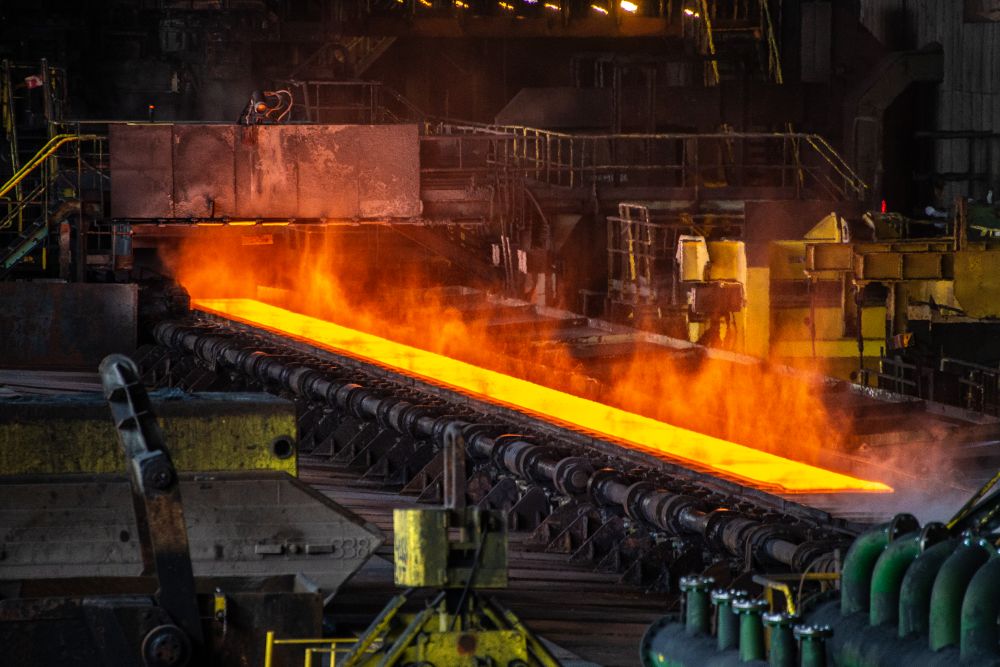
Developing a sustainability standard for one of the world’s most complex industries was no small task. But by 2017, the first working draft of ResponsibleSteel’s Production Standard had been developed using ISEAL’s Codes of Good Practice as a reference.
Over the next two years, input from over 70 organisations and 180 individuals helped shape and strengthen the standard. In 2019, the ResponsibleSteel International Production Standard Version 1.0 was approved by both business and civil society members, marking a critical milestone in making responsible steel a global reality.
The first ResponsibleSteel Certified Sites
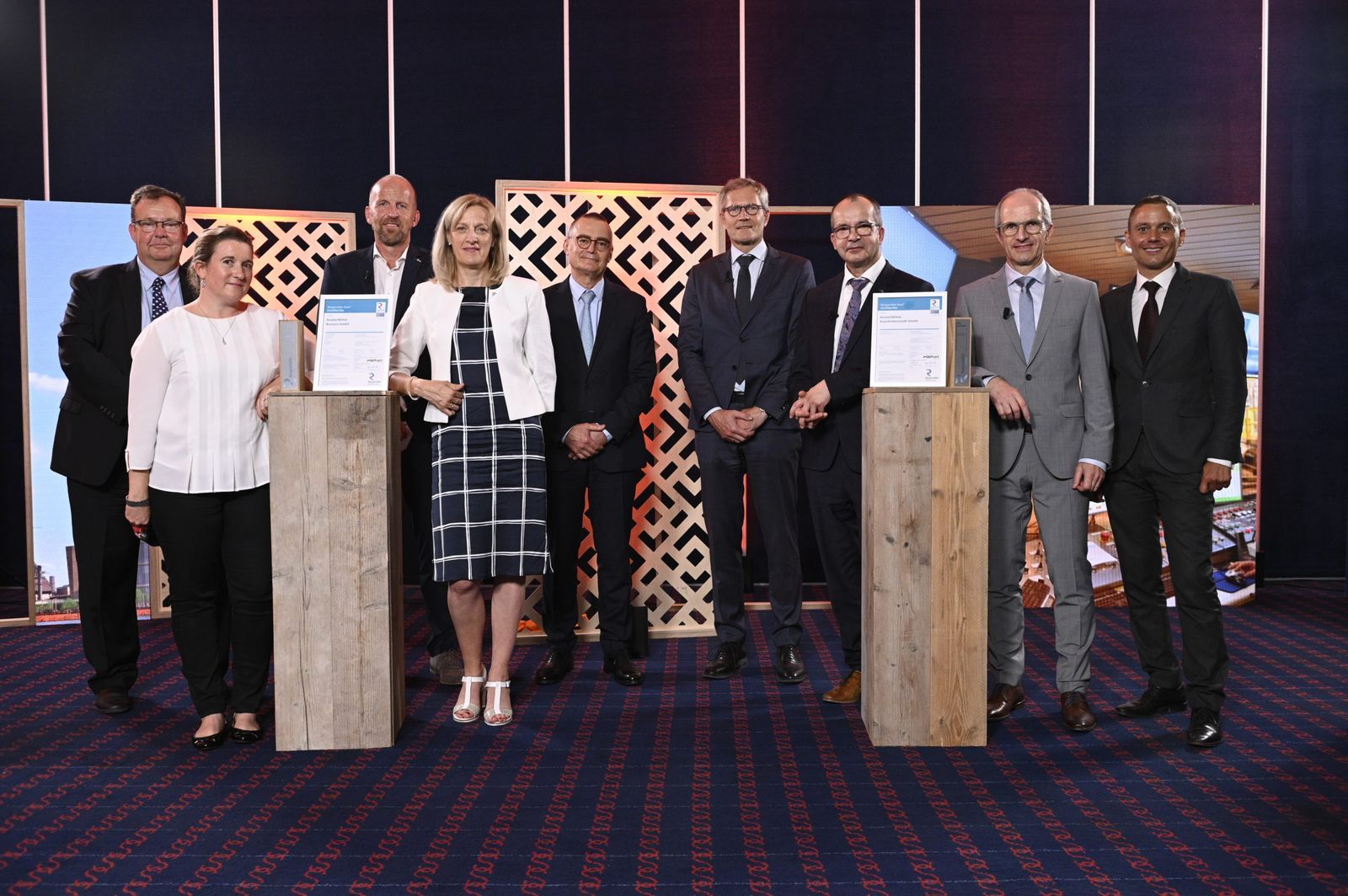
Within two months of launching the Standard, the first steel sites began the audit process. Despite setbacks caused by the COVID-19 pandemic, the world’s first ResponsibleSteel certifications were awarded in 2021 to four ArcelorMittal sites in Belgium, Germany, and Luxembourg.
Momentum quickly grew. By 2022, sites in Australia, North and South America, and Asia were certified, and by November, ResponsibleSteel Certified Sites spanned five continents and covered over 100 million tonnes of steel production.
Raising the bar: Certified Steel
Even before the first certificates were issued, work had already begun on a more ambitious task to define what truly low-emission, responsibly sourced steel should look like.
This led to the development of rigorous requirements on decarbonisation and materials sourcing. These requirements were refined through member working groups, public consultations, and a 12-month test phase, before being finalised as part of the ResponsibleSteel International Production Standard Version 2.1, published in 2024.
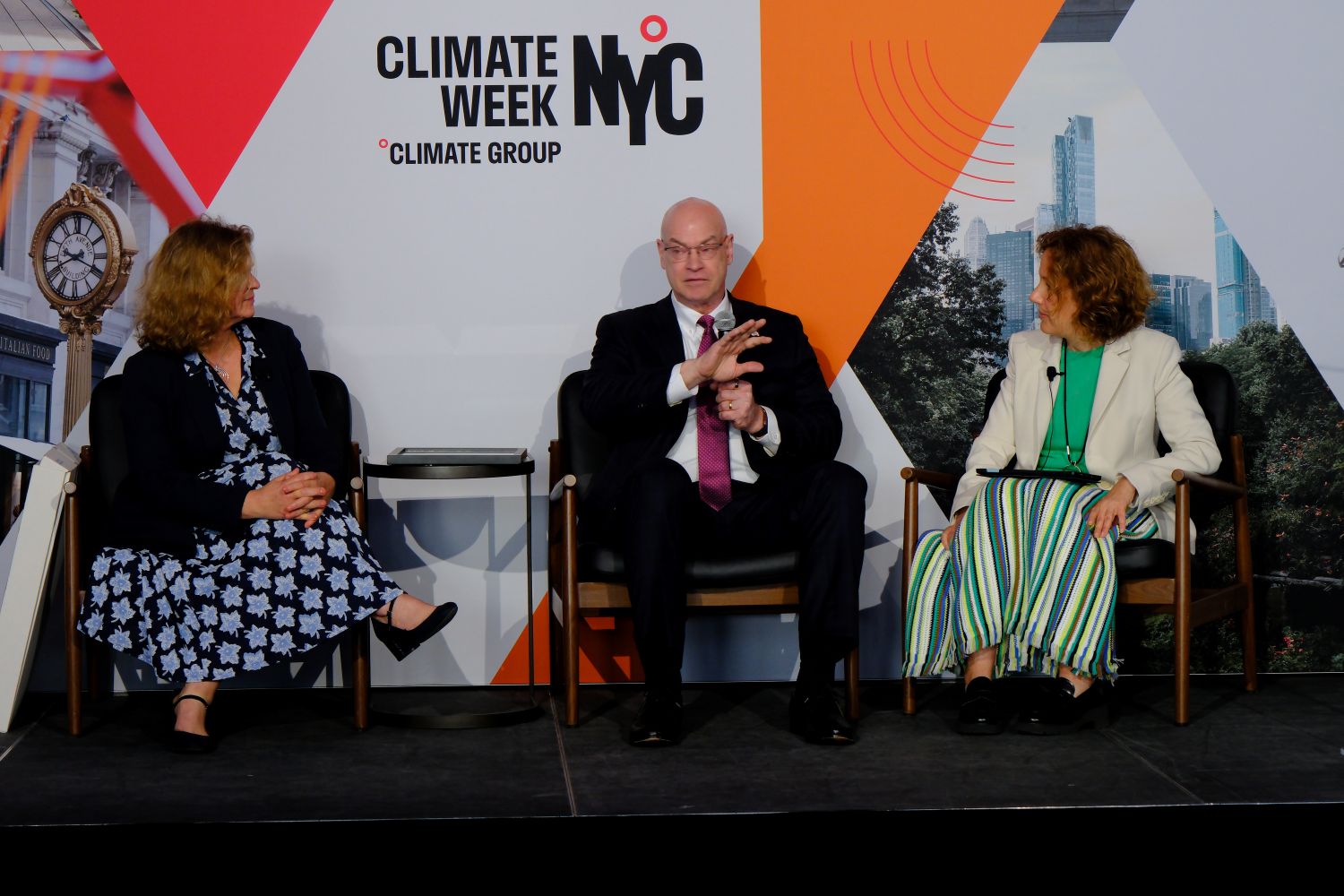
Version 2.1 marked the green light for steelmakers ready to take their ResponsibleSteel journey to the next level: Certified Steel. In September 2024, at Climate Week NYC, U. S. Steel’s Big River Steel was unveiled as the first site globally to market and sell Certified Steel.
What’s next?
What began as a small initiative has become a global multi-stakeholder movement. Today, the ResponsibleSteel community numbers over 160 members from across the steel value chain and civil society organisations.
With the support of our members and partners, we continue to work to improve our standards and certification programmes. This includes work on the revision of the Production Standard to ensure it remains aligned with the needs of the industry and our planet, and the development of a Chain of Custody Standard to enable downstream buyers to make credible claims relating to the amount of Certified Steel in their products.
Together, we’re striving to construct an ecosystem to support a positive industry transition by engaging the full value chain, as well as policymakers and finance institutions, and by championing consistent, comparable emissions measurement to support alignment across standards and build a market for low-emission and near-zero steel.
Join the Movement
Steel is at the heart of the global economy – and the climate challenge. The work we do now will shape the industry of the future.
Find out how you can get involved here.

thyssenkrupp Steel achieves its first ResponsibleSteel certification
thyssenkrupp Steel has achieved Core Site Certification for its Duisburg site, the company's first certification against the ResponsibleSteel International Production Standard.
Situated in Germany’s industrial heartland in the Ruhr region, the Duisburg site is at the centre of thyssenkrupp Steel’s operations. In continuous operation since 1891, its location on the Rhine enables fully integrated steel production. The site has an annual pig iron capacity of approximately 11.7 million tonnes from four blast furnaces and a crude steel capacity of around 11 million tonnes. Looking ahead, thyssenkrupp Steel aims to reduce its Scope 1 and 2 emissions by 30% by 2030 compared to 2018 levels and cut Scope 3 emissions across the value chain by at least 16%.
Annie Heaton, CEO of ResponsibleSteel, commented, “The certification of thyssenkrupp Steel’s Duisburg site marks a major milestone as the largest steelmaking site in Europe to achieve ResponsibleSteel certification to date. It reflects thyssenkrupp’s commitment to rigorous, international sustainability standards and an assurance system that involves multiple stakeholders and goes beyond carbon emissions to include other environmental and social requirements. With plans underway to introduce direct reduction technology, this certification represents an important step on the site’s path towards responsible, lower-emission steel production. And at a time of growing pressure and uncertainty for the industry, thyssenkrupp’s achievement is evidence of the practical steps being taken to drive real, measurable progress.”

thyssenkrupp Steel serves a broad customer base across 48 countries, with key markets including the automotive industry, mechanical engineering, industrial machinery, special vehicle manufacturing, household appliances, packaging, energy, and construction.
Marie Jaroni, Chief Transformation Officer at thyssenKrupp Steel, states: "Achieving ResponsibleSteel certification is a significant milestone for our company. It assures our customers that we uphold the highest standards of environmental and social responsibility. This bolsters confidence in our products and processes and underscores our dedication to a sustainable future."
Duisburg employs over 16,000 workers and contractors, representatives of which were consulted as part of the site’s audit alongside several external stakeholders. Representatives from the union, embassy, local authorities, water management body, worker support network, academic, community members, and neighbours were invited to give their input to the audit.
Take a look at the certificates and public audit summaries here.

Holding steel to a higher standard: What is ResponsibleSteel?
Steel is everywhere. It’s in the buildings we live and work in, the cars we drive, the bridges we cross, and the products we use every day. It's an essential material in the modern world and critical to the renewable energy transition.
But steel also comes with a cost. It’s a major source of emissions, contributing to 10% of global energy-related emissions, and the way it’s produced can have serious impacts on local communities and ecosystems. With growing pressure to reduce emissions, improve supply chain practices, and meet evolving regulations, the steel industry faces a huge challenge.
That’s where ResponsibleSteel comes in.
We're a global not-for-profit organisation created to maximise steel’s contribution to a sustainable world. Our mission is to be a driving force in the production of socially and environmentally responsible near-zero steel, steel that buyers and investors can get behind.
ResponsibleSteel supports:
- Steelmakers to demonstrate good practice on social and environmental issues, and measurable progress on decarbonisation
- Steel buyers and investors to make informed decisions and reduce risk in their supply chains and portfolios
Together, we have the opportunity to do things differently and support the industry's transition to a responsible, low-emission future.
What we do
ResponsibleSteel is the global standards and certification initiative for the steel industry. Working collaboratively with over 160 members from across the steel supply chain and civil society, we have developed the ResponsibleSteel International Production Standard via a process that uses the ISEAL Codes of Good Practice as a reference.
The ResponsibleSteel International Production Standard contains 13 Principles covering key environmental, social and governance issues identified and agreed upon by our members for the responsible production of steel. The Production Standard evaluates the full picture—not just carbon emissions, but also labour rights, human rights, water use, biodiversity, raw material sourcing, and other key issues that affect people and the planet.
Certification against the Production Standard combines all the complexities of good social and environmental performance in one indication. Steelmaking sites must undergo rigorous, third-party audits to become certified, ensuring that a site is meeting the highest environmental and social standards.
Certification provides steelmakers with a clear framework for improvement and helps buyers, investors, and other stakeholders understand whether a site is operating responsibly.
How it works
Certification is broken down into Core Site Certification and Steel Certification, or ‘Certified Steel’.
Core Site Certification against the Production Standard is the first step sites can take on their ResponsibleSteel journey. Sites undergoing Core Site Certification are evaluated against over 300 core requirements, covering the key social and environmental aspects of steelmaking such as pollution, biodiversity, water stewardship, labour rights and local communities. Core Site Certification is a major achievement, requiring commitment at the corporate level and across all of the site’s operations.
Now, steelmaking sites can build on their Core Site Certification, pursuing certification against the Production Standard’s Progress Level requirements for decarbonisation and responsible materials sourcing. The Production Standard defines four Progress Levels for the measurement of decarbonisation and responsible materials sourcing. Steelmaking sites that achieve at least Progress Level 1 for both are able to market and label their products as ‘Certified Steel’.
Why it matters
The need for reliable, consistent, comparable data in the steel industry has never been greater. Governments are introducing stricter climate disclosure regulations. Steelmakers and buyers are under pressure to reduce emissions and meet consumer demand for more sustainable products. And investors want to know which steelmakers are producing responsibly and planning for the future.
Certified Steel helps steelmakers show progress, build trust, and stand out in a competitive market. And it gives buyers and investors the confidence that a site has not only met the strong environmental and social criteria required for Core Site Certification, but is also making measurable progress on decarbonisation and materials sourcing. Certified Steel:
- Assures that steelmakers are meeting the highest social and environmental standards
- Offers credible, comparable emissions data to simplify decision-making
- Reduces supply chain and financial risks, protecting reputation and value
Working together to shape steel’s future
The industry will not transform overnight. And the transition cannot be left to steelmakers alone. Driving progress in the industry will require clear demand signals from steel buyers and backing from investors. That’s why we are working closely with buyers and investors to forge a path to a sustainable future for steel. Together, we’re helping to build a global market that is better for people, for business, and for the planet.
If you want to learn more, get involved, or see how ResponsibleSteel could support your work, we’d love to hear from you. Let’s take steel from strength to strength.
Learn more about ResponsibleSteel standards and certification here.
Are you a steel buyer or investor? Find out how you can get involved here.
