Introduction to ResponsibleSteel for stakeholders
This document provides stakeholders with a concise introduction to ResponsibleSteel, detailing its principles, objectives, and benefits in sustainable steel production.
Heading

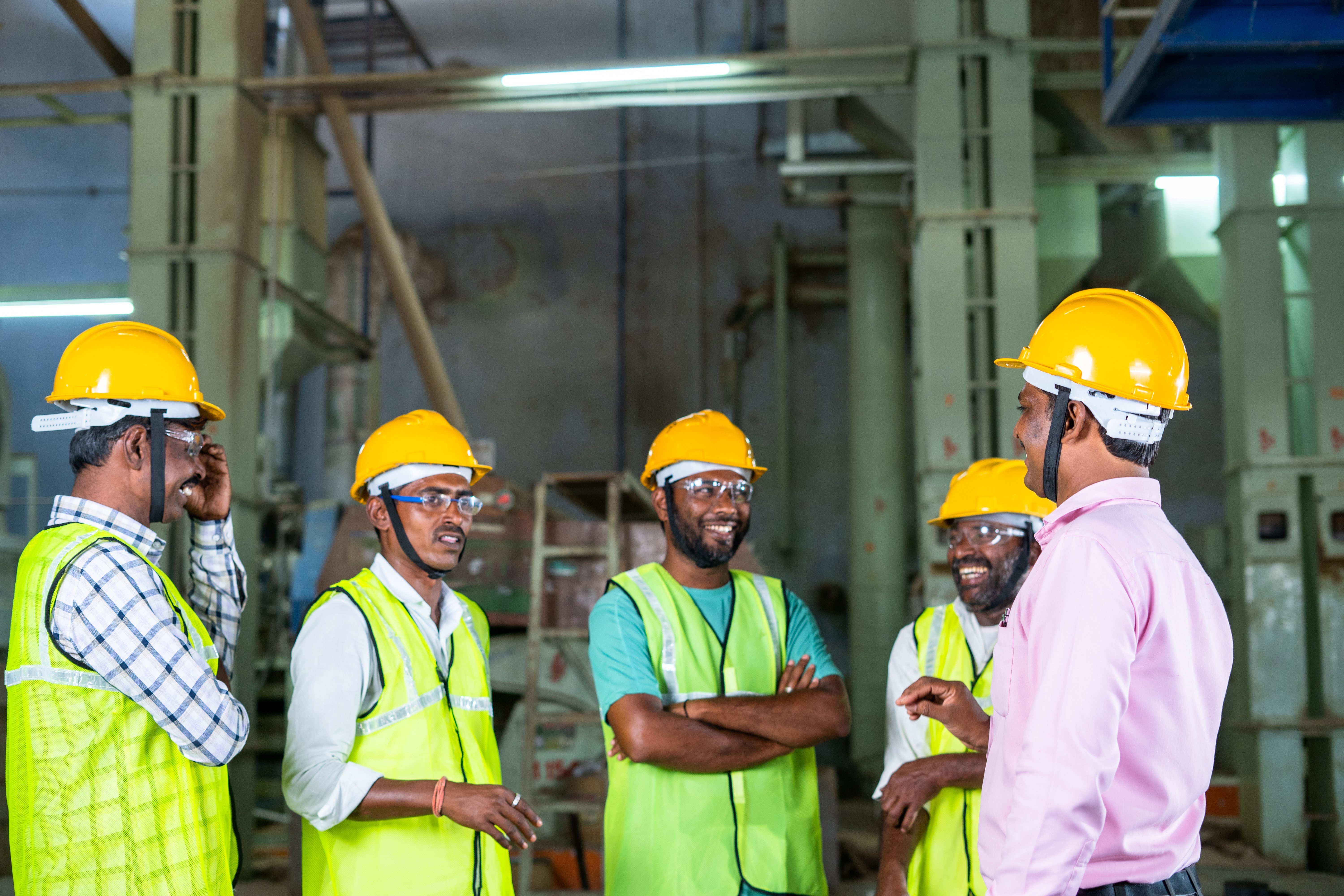

Steel is the world’s largest materials industry and steel is essential to almost every aspect of modern life. It is used to build cars, washing machines, ovens, refrigerators, houses, bridges, railways, ships...
Steel is an important economic factor globally. It is also essential for wind and solar power installations that enable the renewable energy transition needed to address climate change.
However, steel production and processing also come with sustainability challenges. It is a considerable contributor to CO2 emissions, results in harmful emissions to air and water, affects biodiversity and creates noise. Working in the steel sector can also lead to health problems and accidents and there can be violations against human rights.
What is ResponsibleSteel?
Discussions about these challenges led to the creation of the ResponsibleSteel programme. ResponsibleSteel offers an independent platform to connect producers and users of steel with civil society to help the steel sector address its sustainability issues. We have developed the International Production Standard that covers all the environmental and social topics mentioned above and that defines what steel sites have to do to call themselves "responsible". Since early 2020, steel sites can apply for certification against this Standard.
The assessments against the International Production Standard are carried out by independent auditors. They study reports, data, records and other documentation provided by the site, review media and scientific publications on the site that are related to the International Production Standard's topics, visit the site to see operations first-hand, and interview site management, workers and external stakeholders. Their assessment is summarised in the audit report that is reviewed by an independent panel. Only if the panel is satisfied with the quality of the audit report, can a site that has shown to meet the International Production Standard be certified. The audit report is published on the ResponsibleSteel website. A certificate is valid for three years. Certified sites have to pass a follow-up audit and a re-certification audit to remain certified.
Why should you get involved?
Stakeholders are important sources of information for the auditors. A stakeholder is anyone who is affected by the activities of a steel site, or who has good reason to be interested in its activities. For example, living close to a steel site may make you a stakeholder if the noise or emissions from the site have an impact on you. Working at a government authority makes you a stakeholder because you have to make sure that the site complies with relevant rules and regulations.
Key stakeholders
Key stakeholder groups for steel sites are:
- Communities and their representatives
- Government authorities
- Politicians
- Labour unions
- Marginalised groups
- Religious leaders
- Civil society organisations
- Academics
The ResponsibleSteel programme requires that stakeholders are allowed to have their say in ResponsibleSteel audits. Your input helps ensure that:
- the issues important to you or your organisation are taken into consideration
- the assessment of the steel site is well-informed and comprehensive
- the outcome of the assessment is consistent with the ResponsibleSteel International Production Standard.
How you can provide input to assessments
A site audit happens in two stages. During the first stage, the certification body's auditors collect and review relevant information. Stakeholders can provide reports, data and other kinds of information related to the site and to the ResponsibleSteel Production Standard to the auditors. At this stage, they can also announce their interest in being interviewed on the site during the second stage of the assessment.
The sites that have applied for ResponsibleSteel certification are listed here.
The list also shows which certification bodies work on which assessments. You can get in touch with them to let them know you are a stakeholder and want to provide input to the site's assessment. The certification body will then keep you informed of the audit’s progress.
Certification bodies are required to allow stakeholders to submit comments on a site at any time, whether an audit is going on or not. On their website, they usually offer a way to provide comments on sites participating in the ResponsibleSteel programme. In case you cannot find a way to contact them, the ResponsibleSteel team is happy to assist you.
If you have announced that you want to be interviewed, the auditors will be in touch with you to arrange a date, place and time for the conversation with you. If the interview cannot happen in person, you can agree on other ways to speak to them, for example via phone or Skype/Zoom.
Make the most of your engagement
Anything that is not covered by the ResponsibleSteel International Production Standard cannot be considered by the auditors, so it is important to focus your input on the topics covered by the ResponsibleSteel International Production Standard.
If you can substantiate your input with reports, studies and other kinds of evidence, this will help the auditors appraise your points and cross-check them with other information they receive.
The auditors will keep your identity unknown, so you can feel comfortable about being open and honest. It is most helpful if the auditors get the full picture about any issues or concerns you may have in relation to the site that is being assessed.
You should be aware that ResponsibleSteel certification is voluntary. The auditors do not have regulatory powers, so they cannot force a site to change its practices. They also cannot change the law. Audits against the ResponsibleSteel International Production Standard aim to establish whether a steel site meets the ResponsibleSteel Production Standard or not.
If you feel that a site does not meet the ResponsibleSteel Production Standard or that the auditors have not given due consideration to your input, you should raise this first with the site or the auditors. If you are not satisfied with their response, you can raise the issue with ResponsibleSteel by writing to issues@responsibleteel.org.