News

Going beyond decarbonisation: Key insights into delivering a just transition for steel and mining sectors

As the global decarbonisation effort has advanced, actors in the mining and steel sectors are under pressure to transform production processes, supply chains, and energy systems to meet climate goals. But alongside these changes lies an essential question: how do we ensure that the transition to a low-carbon economy is fair for the workers, communities, and regions that depend on these industries?

ResponsibleSteel and the Initiative for Responsible Mining Assurance (IRMA) set out to tackle this question in a joint project bringing together perspectives from across the mining and steel value chains. Together, in a recently published report, 'Driving just transitions in the steel and mining sectors', we explore how voluntary sustainability standards can help guide and support just transitions in two of the world’s most critical industries.

Putting people at the centre of the transition process

One of the strongest and most consistent key messages from the project and stakeholder engagement was the need to keep people at the centre of transition processes. Decarbonisation is often discussed in terms of technology, emissions targets, and industrial transformation. Yet transitions also reshape livelihoods, local economies, and social structures.

The report underscores that strong and inclusive planning is essential to avoid leaving workers and affected communities behind. This is further reflected in stakeholder perspectives, with one of the rights holders noting the disconnect between discussions around just transition and lived experience: “Just Transition is a confusing term. It does not reflect the realities we face.” Throughout the project, stakeholders repeatedly highlighted the importance of ensuring that transitions must not only be fast, but fair. Workers, Indigenous peoples, and affected communities must have a meaningful voice in decisions that shape their futures.

This reinforced an important insight: “just transition is not only about managing economic change. It is also about justice, rights, and participation.”

The power of social dialogue

Another key learning from the project was the central role of social dialogue. Across interviews and workshops, participants emphasised the need for ongoing engagement between workers, communities, companies, governments, and other stakeholders.

Early and inclusive dialogue is particularly critical when major changes are being planned, such as mine closures, technological shifts, or new supply chains. As one stakeholder reflected during the project, standards can help by requiring processes that support “stakeholder engagement and planning,” rather than defining rigid requirements.

Social dialogue is therefore not simply a consultation exercise. It involves sharing information, building capacity among stakeholders, and creating spaces where different perspectives can meaningfully shape decisions.

Voluntary sustainability standards can play an important role by creating frameworks that encourage transparency, accountability, and structured engagement.

One of the central questions of the project was how standards systems such as ResponsibleSteel and IRMA can contribute to just transitions in practice.

The Just Transition Framework for Voluntary Sustainability Standards

The focus of this project was the question of how VSSs such as ResponsibleSteel and IRMA can best contribute to driving just transitions in practice.

The project confirmed that many elements of existing standards already address issues relevant to just transition, including human rights due diligence, occupational health and safety, grievance mechanisms, and environmental management. At the same time, the project highlighted areas where further development may be needed. These include supporting worker retraining and skills development, strengthening value-chain-wide due diligence, and ensuring equitable access to the benefits of the low-carbon transition.

To help understand and identify the key elements for a just transition, the project undertook a literature review, mapping exercises of existing standards, key informant interviews, and two in-person workshops. Each activity provided valuable insights and information, which together formed the foundation of a framework that defines principles related to human rights, social equity, inclusive governance, and protections for workers and communities.

Significantly, the framework is not intended to be prescriptive or define minimum requirements. Instead, it serves as a reference point to help VSSs integrate just transition considerations in a way that reflects and is shaped by the realities of each region, industry, and community.

The value of collaboration

Transitions in mining and steel do not happen in isolation. They unfold across interconnected supply chains, regulatory systems, and communities. As a result, no single actor can drive meaningful progress alone.

Achieving a just transition requires coordination between many different actors, including companies, workers and unions, governments, civil society, investors, and standards systems. Collaboration between standards organisations themselves can also play an important role by aligning approaches, sharing knowledge, and creating stronger incentives for responsible practices across industries.

The concept of just transition continues to evolve. While there is growing recognition of its importance across governments, industries, and civil society, there is still uncertainty about what implementation looks like in practice and what responsibilities different actors should carry.

This project represents a strong joint effort with key stakeholders and an important step toward understanding how voluntary sustainability standards can contribute to that conversation.

Achieving just transitions will require sustained commitment, continuous learning, and inclusive engagement. Standards alone cannot deliver just transitions, but they can provide practical tools and shared frameworks that help stakeholders navigate complex transitions.

For ResponsibleSteel and IRMA, this work reaffirms our shared commitment to ensuring that the transformation of heavy industries supports not only climate goals, but also fairness, dignity, and opportunity for the workers and communities most affected by change.

Read ResponsibleSteel's and IRMA's joint report, 'Driving just transitions in the mining and steel sectors' here.

This project was made possible thanks to a grant from the ISEAL Innovations Fund, which is supported by the Federal Department of Economic Affairs, Education and Research EAER State Secretariat for Economic Affairs SECO and UK International Development.

Read more

Celebrating International Women's Day: In conversation with the women shaping ResponsibleSteel

In recognition of International Women’s Day, we’re proud to spotlight some of the women who are helping shape a more responsible steel industry through their work at ResponsibleSteel.

Steel has historically lacked diversity, and inclusive perspectives are still underrepresented across the sector. Yet expanding gender diversity is essential—not only for building a stronger and more resilient industry, but for accelerating the transition to a cleaner, more sustainable future.

“For me, the solutions we need to foster a strong, clean steel industry fit for the 21st century lie in foresight, insight, and a strong collaborative ethos. That has been my focus at ResponsibleSteel, and it is a focus shared by dozens of women across the sector, bringing both fresh perspectives and skills. That’s not something you could have said 10 years ago. There is a seismic shift happening in steel, and women should be very proud of the unique roles they are playing to keep the industry focused where it needs to be—on developing sustainably. Let’s keep at it, re‑imagining the industry, connecting ideas and plans, and finding the way forward so that together we ensure we only move ahead.” - Annie Heaton, CEO, ResponsibleSteel

In this video, members of the ResponsibleSteel team share their roles, their journeys into the organisation, and their hopes for the future of responsible steelmaking.

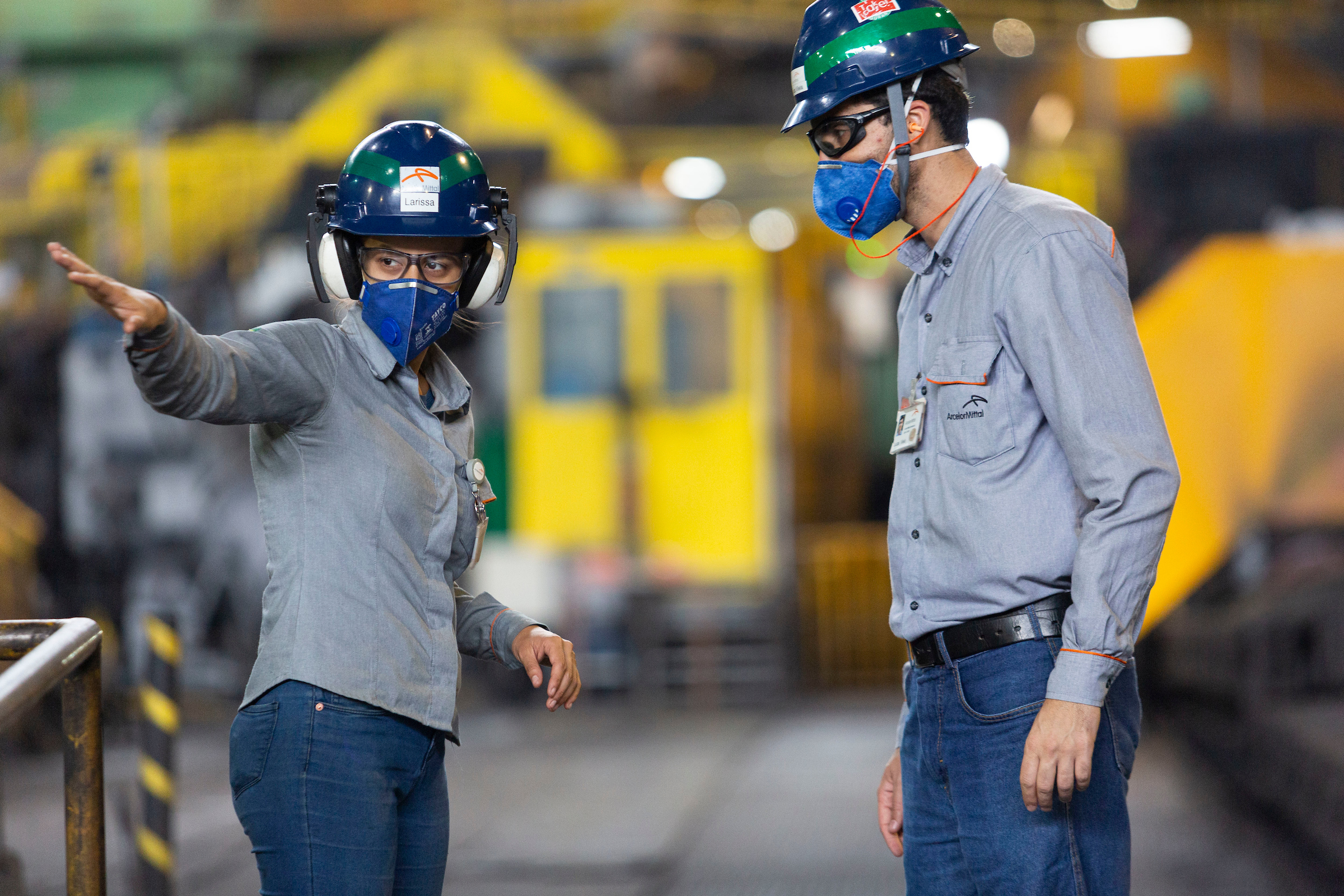
Top image courtesy of ArcelorMittal Brasil.

Read more

Reflections from China: ResponsibleSteel's CEO Annie Heaton discusses building interoperability across global standards

Interoperability: Building a bridge between global standards

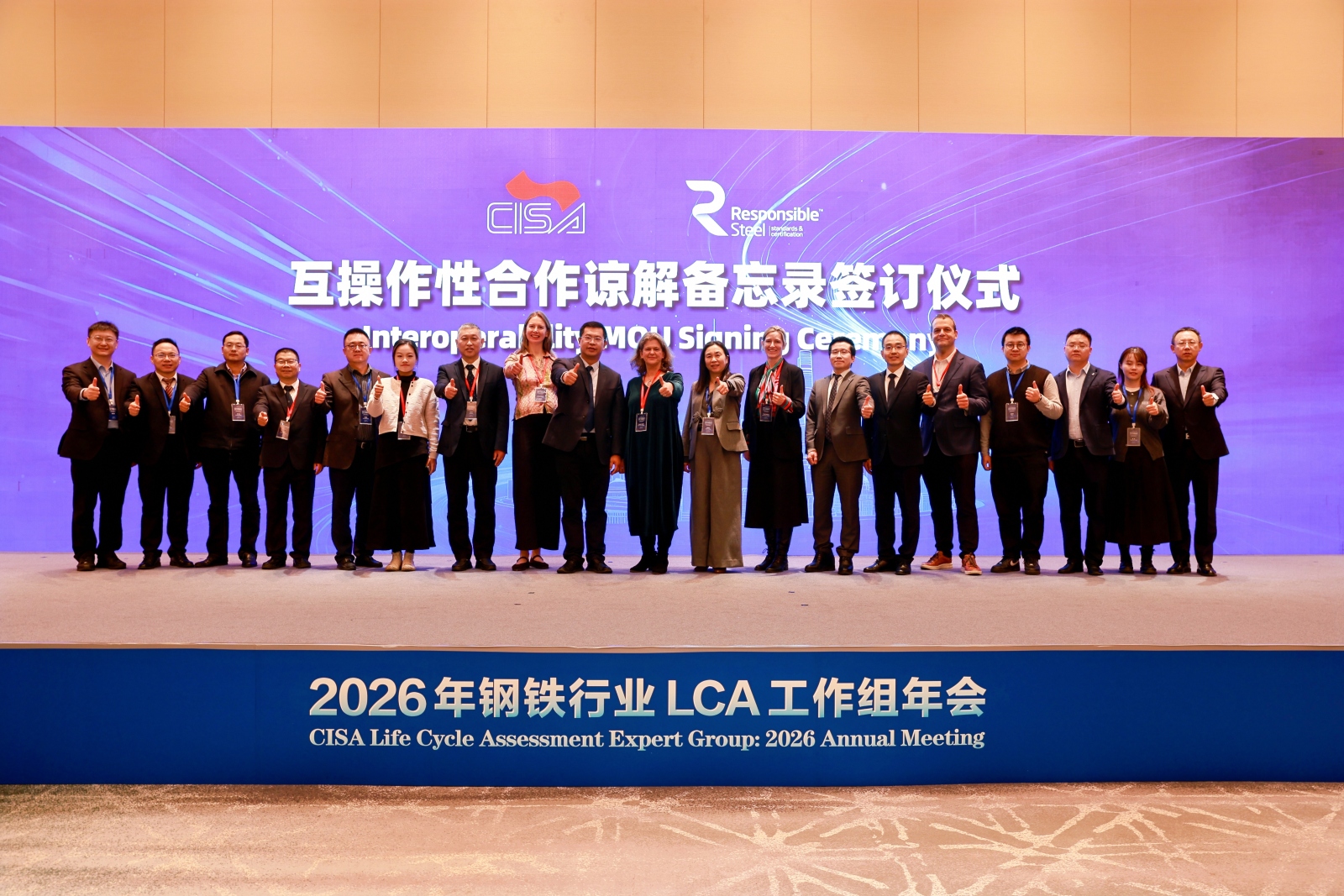
ResponsibleSteel's quest for a coherent market for decarbonised steel in 2026 got off to a constructive start this month. Following the announcement of our landmark agreements with the Chinese Iron and Steel Association (CISA) and the Low Emission Steel Standard (LESS) at COP30, ResponsibleSteel was in China in January to kick off our work on interoperability with CISA. This work in China complements our parallel project with Brussels-based LESS.

The goal? To build trusted data and claims on decarbonisation.

During our trip, our Director of Programmes, Amy Jackson, our Decarbonisation Lead, Alli Devlin, and myself had the opportunity to:

  • Present to the Chinese steel value chain our C2F (China's low-carbon emission steel standard) interoperability MoU at CISA's annual LCA conference.
  • Connect with our Chinese members, including SKF, World Resources Institute (WRI), Climate Group, VAMA (Valin ArcelorMittal Automotive JV), Penglai Dajin, and some of our certification bodies working in China, including Afnor and China Quality Certification Centre (CQC).
  • Get to work on our C2F-ResponsibleSteel Interoperability Project, structuring the discussions around our Framework for Credible Interoperability.
  • Visit the 15mtpa Zhanjiang steel plant, where a new DRI-EAF line was launched in Dec 2025. This has involved the production to date of iron reduced with hydrogen in a 1mtpa DRI plant. Whilst this is currently produced from refined coke oven gas, the project is a hugely significant demonstration of the potential to produce hydrogen-based DRI at an industrial scale.
ResponsibleSteel's Decarbonisation Lead, Alli Devlin

What do ResponsibleSteel's interoperability projects look like in practice?

In short, interoperability means measuring emissions using rules that are as aligned as possible, and recognising the differences, to enable comparison on a like-for-like basis. Imagine the benefit this would bring for anyone wanting to distinguish what good looks like, for example, procurement teams, investors, and policymakers.

But making interoperability work in practice requires a lot more if we want a reliable, credible and sustainable system that generates high-quality, comparable data.

We've outlined the key components of this in our Framework for Credible Interoperability, which will inform both our work with LESS and CISA:

  • Aligned GHG accounting rules
  • A reliable calculation tool
  • A robust assurance mechanism
  • Credible claims protocols
  • Good governance, oversight and resourcing
  • Appropriate data management
  • Strong operations management systems

This is how markets are built: first with innovation, then with the necessary rules and systems that enable good information to flow – so that steel buyers can understand, investors can evaluate, and steelmakers can compete, based on emissions performance that everyone can trust.
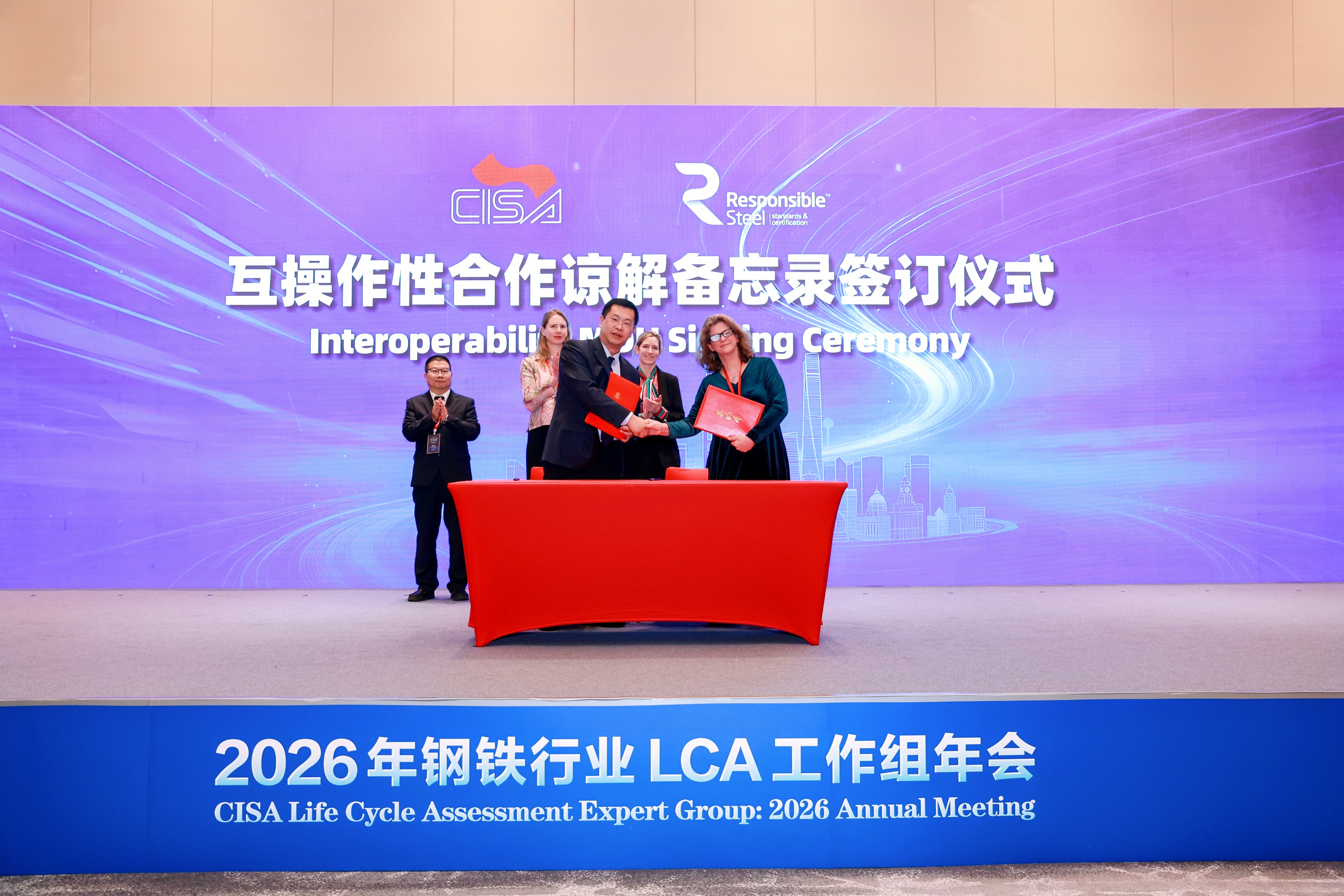
ResponsibleSteel's CEO, Annie Heaton, and CISA's Deputy Secretary-General, Feng Chao
Read more

New report outlines key considerations for a just transition for mining and steel

Today, ResponsibleSteel and the Initiative for Responsible Mining Assurance (IRMA) published a landmark report, ‘Driving just transitions in the mining & steel sectors: The role of voluntary sustainability standards’, outlining how voluntary sustainability standards (VSSs) can help deliver fair and inclusive transitions as heavy industries globally move to decarbonise. It is the first report of its kind, jointly authored by VSSs from the mining and steel sectors.

Developed by ResponsibleSteel and IRMA, the report demonstrates how collaboration across the supply chain provides the necessary understanding of the challenges and opportunities faced by both sectors to achieve a truly just transition for mining and steel. ‘Driving just transitions in the mining & steel sectors: The role of voluntary sustainability standards’ introduces nine key principles and five recommendations to help VSSs integrate just transition into their frameworks.

The report also reveals a significant gap—despite commitment at both government and corporate levels to just transition principles, implementation remains slow and inconsistent. With mining responsible for up to 10% of global energy-related emissions and steel also accounting for around 10%, accelerating decarbonisation in these sectors is critical. But without deliberate action, workers and communities most affected by these transitions risk being left behind.

ResponsibleSteel CEO, Annie Heaton, commented, “Decarbonisation is one of the most pressing global issues we face today. But if we ignore its social impacts, we risk serious unintended consequences. With around six million people employed in steel and another 20 million in mining—plus millions more in supply chains and communities that depend on these industries—industry must work together with workers, communities and governments to consider how to plan the transition to benefit people as well as the planet.”

Stakeholders involved in the project—including industry leaders, supply chain actors, academia, governments, trade unions, civil society organisations, local communities, and Indigenous groups—emphasised that these transitions must not only be fast, but fair, putting justice at the heart of industrial change.

IRMA Executive Director Aimee Boulanger observed, "This research shows that for voluntary standards to succeed, they must be structured to improve justice and inclusivity as they decarbonise and protect the environment."

Key findings from the report included:

  • Justice at the centre: Stakeholders recognised the urgent need to decarbonise but stressed that justice must guide transition planning.
  • Inclusive process: The specific definition of “Just Transition” is highly contested, with varying interpretations. Engaging stakeholders is key to effectively defining the transition scope, identifying social impacts, and shaping mitigation actions.
  • Restorative justice challenges: Addressing restorative justice remains complex, requiring deeper collaboration among governments, companies, VSSs, and historically impacted communities.
  • Flexibility: Just transitions will differ across contexts and sectors. Principles must remain adaptable to be effective.

Funded by the ISEAL Innovations Fund with support from the Swiss State Secretariat for Economic Affairs (SECO), the report draws on international principles from the International Labour Organisation (ILO) and the UN Working Group on Human Rights, academic justice theory, interviews with 35 stakeholders, and two in-person workshops held in Brussels and Johannesburg.

This work highlights the unique role VSSs can play in providing practical frameworks for implementation, accountability, and verification, setting a clear reference point for steel and mining companies to plan transitions in a way that is equitable and fair. Both ResponsibleSteel and IRMA will continue to engage with stakeholders to discuss the best way to integrate just transition principles into their respective systems.

Read the full report here.

For more information, please contact:

ResponsibleSteel: communications@responsiblesteel.org

Initiative for Responsible Mining Assurance (IRMA): info@responsiblemining.net

Read more

Evolving for Impact: Why We’re Revising the ResponsibleSteel International Production Standard

The ResponsibleSteel International Production Standard is the global benchmark for sustainable steelmaking, but a benchmark only matters if it keeps pace with change. Steelmakers face evolving challenges, including increasingly ambitious climate targets, shifting regulations, and rising expectations on social and environmental responsibility.

That’s why ResponsibleSteel is committed to continuous improvement, ensuring our Production Standard remains relevant and effective in driving progress towards the responsible production of near-zero steel.

What is the ResponsibleSteel International Production Standard?

The ResponsibleSteel International Production Standard consists of 13 Principles containing over 500 requirements for the responsible sourcing and production of steel, including some of the most challenging areas of sustainability for steelmakers, such as decarbonisation. However, responsible steelmaking goes beyond climate change mitigation. That’s why the Production Standard also lays out requirements on labour, human rights, water, biodiversity, and more.

How was the Production Standard developed?

The Production Standard was developed through a process that uses the ISEAL Code of Good Practice for standard-setting as a reference. The first Standard was developed over two years with input from over 70 organisations and 180 individuals. Since then, the Standard has continued to evolve with the needs of the industry. Read more about the evolution of ResponsibleSteel and the development of the Standard here.

Collaboration and transparency sit at the heart of our Standard. Our extensive multi-stakeholder development process involving the steel industry, upstream and downstream stakeholders, and civil society is what makes the ResponsibleSteel International Production Standard the most trusted standard for steel globally.

Why are we revising the Production Standard?

Since the launch of the first Standard in 2019, ResponsibleSteel has established itself as a leader on steel sustainability. As the global industry landscape continues to evolve, driven by shifting regulations, emerging ESG reporting requirements, technological innovation, and growing expectations to address social and climate issues, the Production Standard must also evolve.

As part of our commitment to continuous improvement, ResponsibleSteel reviews the Production Standard to assess whether revision is needed at least once every five years. This way, we ensure the Production Standard remains effective in supporting ResponsibleSteel’s mission to drive the responsible production of near-zero steel.

What is the standard revision process?

The revision process is outlined as part of ResponsibleSteel’s Standards Development Procedures. The process consists of five overarching stages:

  1. The ResponsibleSteel Secretariat reviews the Standard and holds a public consultation to determine topics for revision. Based on these inputs, the Secretariat makes a recommendation to the ResponsibleSteel Board of Directors, which decides whether or not to revise the Standard.
  2. Terms of Reference are developed, then approved by the Board of Directors, defining the scope of the revision and outlining the revision process.
  3. Topic-based Working Groups provide input on revision areas, and Technical Advisory  Groups are convened to review and oversee Working Group outcomes.
  4. A draft of the revised Standard undergoes public consultation to get stakeholder feedback. If there is substantially new content, or extensive changes or feedback, there is a second round of public consultation. Once the revised Standard is finalised, it is reviewed and approved by the Board of Directors before being voted on by ResponsibleSteel’s membership.
  5. The revised Standard is published, and a transition period is determined (usually lasting 6 to 12 months) before the new Standard comes into effect for existing certificate holders, however, it could be used earlier for new sites or if preferred by existing certified sites.

Currently, the revision process is in stage three.

What is being revised in the Production Standard?

The revision process focuses on ensuring the Production Standard reflects the latest sustainability priorities and realities of steel production. So far, discussions have commenced on aspects of Principle 10: Climate Change and GHG Emissions, Principle 6: Labour Rights, ensuring a just transition, and increasing alignment with emerging regulations and other standards (e.g. CRSD, ISSB).

Additionally, the revision will include the incorporation of urgent revisions, interpretations and clarifications previously issued, and necessary amendments identified during the review process (e.g. typos).

Who can get involved?

Driving the socially and environmentally responsible production of near-zero steel is a challenge that no single organisation can achieve on its own. Over 180 voices contributed to the development of the first ResponsibleSteel Standard, and this spirit of multi-stakeholder collaboration continues to be the backbone of our standards development process.

ResponsibleSteel members have a unique opportunity to contribute to the revision of the Production Standard and are invited to join our Working Groups to discuss topics for revision. Please get in touch with us to learn more.

Members and wider stakeholders are also encouraged to contribute feedback during public consultations in 2026. Keep an eye on our website, LinkedIn, and our monthly newsletter to find out about upcoming public consultations.

Learn more about the revision process and get involved here.

Read more
tag
Thank you! Your submission has been received!
Oops! Something went wrong while submitting the form.

Applications invited for certification bodies and auditors for ResponsibleSteel™ Standard

Following the launch of the ResponsibleSteel Standard, the world’s first international, multi-stakeholder standard for responsible production for steel making and processing, ResponsibleSteel is pleased to introduce the next steps to support implementation of the Standard.

Assurance Manual: Primarily for certification bodies and their auditors, the Assurance Manual covers topics such as eligibility to assess sites against the Standard, assessing conformity and issuing certification. It can be found here (https://www.responsiblesteel.org/certification/)

Implementation Instructions and guide ‘ResponsibleSteel Certification for Sites’: These tools must be used by companies seeking to conform to the Standard, and by auditors verifying performance, and can be found here (https://www.responsiblesteel.org/certification/).

Applying to be an approved certification body and auditor: Certification bodies and auditors that meet the requirements described in the Assurance Manual can now apply to assess and certify sites against the Standard. To apply, complete the application form in the Assurance Manual, and send it together with the requested documentation to assurance@responsiblesteel.org. Certification bodies will also need to transfer a fee to ResponsibleSteel. The application will be reviewed and, if successful, the certification body will be approved. Auditors will be approved only after participation in a training workshop (see below).

Auditor training: Participation in a training workshop is mandatory for auditors to become approved. The next auditor training workshops will be held on 11-13 February 2020 and 30 March-1 April 2020 at the DNV GL office, Stamford Street, London. We invite auditors to apply for approval (see above) and to register for a training workshop by sending an email with their preferred workshop date to assurance@responsiblesteel.org. Places are limited to auditors associated with certification bodies that intend to seek approval to be an approved certification body for the Standard and become an Associate Member. The deadline for registering for the February session is 28 January, and the deadline for the March session is 16 March.

Photo credit: WorldSteel library

January 14, 2020
2020
News
Read more

ResponsibleSteel™ Introduces the ResponsibleSteel Programme in China with CBMM

ResponsibleSteel held its first meeting in Asia, on 10th December 2019, in association with CBMM and presented its Standard for the sustainable sourcing and production of steel.

As the world’s largest steel producer, representing 38% of global output, China will play a central role in the evolution of the global steel industry. The meeting provided a first opportunity for participants to learn about ResponsibleSteel and how its Standard can support a sustainable global steel industry.

The ResponsibleSteel Standard was approved in November, and the first certificates are expected to be issued next year. The world’s largest materials industry, the steel sector generates a turnover of 1 trillion US dollars and accounts for between 7% and 9% of direct emissions from the global use of fossil fuel. A key goal of the new Standard is to support the transition to lower emissions, in support of the Paris Agreement on climate change.

CBMM is the world’s leading supplier of niobium and niobium technologies to the steel and other industries. Niobium alloying makes stronger and more formable steels that enable the production of lighter and safer cars, taller wind towers, higher skyscrapers and safer energy infrastructure amongst other things. Use of niobium containing steels also creates direct environmental benefits as it reduces emissions in all phases of production and use.

To learn more about Niobium, visit: Niobium.tech

Matthew Wenban-Smith, Executive Director at ResponsibleSteel, commented: “ResponsibleSteel developed its Standard through a process of discussion and collaboration with stakeholders from across the steel supply chain and around the world. We are delighted to have met with a number of important players in the Chinese steel industry today and we will incorporate their valuable feedback as the Standard continues to evolve over the coming years.”

Photo credit: Chrion Zhao

December 13, 2019
2019
News
Read more

Harsco Environmental joins ResponsibleSteel™

ResponsibleSteel welcomes Harsco Environmental as a new Member. Harsco Environmental recovers and recycles metal, and repurposes by-products into value-added eco products.

At over 145 sites in more than 30 countries, Harsco Environmental is Making a World of Difference™ for customers across the globe. Harsco is committed to leading the industry into a more sustainable future. The company delivers environmental products and services to help its customers transition to low carbon and circular economies.

Through its shift in focus toward an environmental platform, Harsco now views every customer’s need through the lens of sustainability. In pursuing its own environmental goals, Harsco in turn aims to help its customers meet theirs, through innovative and highly-effective by-product management and mitigation solutions.

Cope Willis, Vice President, Harsco Sustainability and Environmental Solutions, said: “We are pleased to join ResponsibleSteel and to have the opportunity to partner with our global steel customers and other key stakeholders to support the implementation of sustainability standards for steel production. This collaboration is another step in Harsco’s continuing efforts to lead the steel industry into a more sustainable future.”

Matthew Wenban-Smith, Executive Director of ResponsibleSteel, said: “Harsco Environmental is a great addition to our membership, and we welcome its focus on helping customers transition to low carbon and circular economies.”

December 12, 2019
2019
News
Read more

Forum II builds momentum for responsible steel production


Over 100 people involved in the global steel supply chain gathered at ResponsibleSteel’s Forum II, to collaborate on finding solutions to the challenges currently facing the steel industry.

The event was hosted by ResponsibleSteel Founding Member BlueScope Steel in Wollongong, Australia, from 1-3 December. It included the official launch of the ResponsibleSteel Standard, the world’s first international, multi-stakeholder standard for responsible production for steel making and processing. Steel companies from Europe and Australia publicly committed to having their sites certified, with some as early as the first half of 2020.

There are now over 50 Members of ResponsibleSteel, with a good representation across industry and civil society. At the Forum, ResponsibleSteel welcomed new Members Anglo American, Carport, Clean Air Task Force, Harsco and Lendlease, and new Associate Members ACRS (Australasian Certification Authority for Reinforcing and Structural Steels certification), GUTcert GmbH, HERA (Heavy Engineering Research Association), RTQMS (Real Time Quality Management Services), Sustainable Steel Council, and United Certification Systems.

Of significant note is the first construction organisation – Lendlease, an international property and infrastructure group – which called on its peers, clients and competitors to follow suit and join ResponsibleSteel, and mining company – Anglo American – which has committed to assess all of its operations against rigorous third party certification processes.

ResponsibleSteel was honoured to have Edwin Basson, Director General of the World Steel Association (worldsteel), deliver the keynote address on the opening morning and participate in an open interview and Q&A session. In his speech, Edwin Basson recognised the unique and important role that ResponsibleSteel plays as the only global multi-stakeholder standard and certification initiative, and noted that the overall objectives of ResponsibleSteel align extremely well with those of worldsteel. In an interview with Matthew Wenban-Smith, Executive Director, ResponsibleSteel, areas of potential collaboration between the two organisations were discussed, with a commitment to outline priority activities in key geographies and specific issues for 2020.

Also present at Forum II were three existing mining standards certification bodies – IRMA, MAC TSM and Bettercoal. It was agreed that there should be increasing collaboration between ResponsibleSteel and these organisations to create effective ways of better linking with these programmes to drive value for miners, steelmakers and stakeholders.

As well as three days of discussions, panels and networking, many attendees took the opportunity to join a walking tour to see Australia’s only quench and temper steel manufacturing facility, at BlueScope Steel’s Port Kembla Steelworks.

December 12, 2019
2019
Events
Read more

Opportunity to participate in ResponsibleSteel™ Working Groups

The launch of the first ResponsibleSteel Standard was a major milestone on ResponsibleSteel’s journey. It marked the point at which steelmaking sites, as well as upstream and downstream processors, could start to prepare for certification. With the approval of the ResponsibleSteel Assurance Manual, and Implementation Instructions, the ResponsibleSteel programme will become operational.

But the ResponsibleSteel system is not complete. The first version of the Standard provides the basis for sites to claim that they are ResponsibleSteel certified. It does not provide them or their customers with the basis to make any claims relating to the social or environmental conformity of their steel products with ResponsibleSteel standards. ResponsibleSteel is convening three working groups to reach this next, critical stage in 2020.

One working group will focus on defining the requirements for the responsible sourcing of raw materials. What are ResponsibleSteel’s criteria for recognising mine-level assurance programmes? What procedures does a site have to have in place, and what level of performance does it have to meet, to ensure that its supplies of raw materials are responsibly sourced?

A second working group will define requirements related to the measurement and reporting of greenhouse gas (GHG) emissions intensity. Version 1.0 of the ResponsibleSteel Standard is essentially forward-looking, focussing on company- and site-level commitments and planning to reduce GHG emissions in line with the achievement of the goals of the Paris Agreement. But the ResponsibleSteel system needs to recognise and reward performance, as well as commitment. To do this requires that all ResponsibleSteel certified sites measure and report their GHG emissions intensity consistently, so that there is a level playing field for claims about their performance irrespective of the location of a site, or of the technology it uses. This will be a major focus of the ResponsibleSteel GHG Working Group.

The third working group will focus on the kinds of claims that certified sites should be able to make about the steel products they produce, ensuring that the needs of downstream users, including those from the automotive, infrastructure and construction sectors are met, and that demand for responsibly sourced, low-carbon steel rewards performance and supports the achievement of ResponsibleSteel’s mission: to maximise the steel sector’s contribution to a sustainable society.

The three working groups will be led and coordinated by the ResponsibleSteel Secretariat and overseen by the ResponsibleSteel Board Standards and Assurance Committee. Each working group will include both civil society and business representation, with around 12 people on each, selected to cover key stakeholder perspectives and interests. Agendas, papers and minutes will be circulated to a broader reference group, to expand the range and number of stakeholders who are able to contribute to the discussions. Draft proposals will be published for formal stakeholder review in line with the ResponsibleSteel Standard Development Procedures, before a formal membership vote is sought on any requirements for a new ResponsibleSteel Standard.

The working groups are expected to meet separately between February and May 2020, and then to meet together in a joint session in association with a ResponsibleSteel Members Meeting in June. More details will be published soon.

If you are interested in taking part in one or more working groups, and/or would like to be included on the broader reference group, please contact George Deslandes at gdeslandes@responsiblesteel.org as soon as possible, and by 15th January 2020 at the latest.

Photo credit: worldsteel image library

December 12, 2019
2019
News
Read more
By clicking “Accept”, you agree to the storing of cookies on your device to enhance site navigation, analyze site usage, and assist in our marketing efforts. View our Privacy Policy for more information.