

Strengthening climate transition planning: Revising the ResponsibleSteel Production Standard
Last year marked a decade since the signing of the Paris Agreement and six years since the launch of the ResponsibleSteel Production Standard. In that time, expectations on climate action have shifted dramatically. Global emissions continue to rise, and the 1.5°C warming threshold is now projected to be breached by 2034. To remain on a 1.5°C pathway, the Intergovernmental Panel on Climate Change (IPCC) indicates that global CO₂ emissions must fall by 45% by 2030 and reach net zero by 2050. Yet progress in the steel sector is lagging. According to the Mission Possible Partnership’s Global Project Tracker, only 9% of the required operational or committed near-zero steelmaking capacity was in place by the end of 2024.
Against a backdrop of rising global emissions and growing awareness of the consequences of inaction, ResponsibleSteel is undertaking a timely and necessary revision of its climate-related requirements, specifically criteria 10.1 (corporate commitment to the Paris Agreement), 10.2 (corporate climate-related financial disclosure), 10.5 (site-level emissions targets and planning), and 10.7.1 (GHG disclosure and reporting).
A collaborative revision process
From October to January, ResponsibleSteel convened five Working Group (WG) and Technical Advisory Group (TAG) meetings, bringing together 23 representatives from 15 member organisations across certification bodies, civil society, steelmakers, and the wider steel value chain.
As a participant from SteelWatch noted during the process, “Having a diverse group of members involved in the revision process of the standard helps to achieve a balance between what steelmakers deem feasible and where the standard needs to set the bar to trigger ambitious action. ResponsibleSteel has done well navigating and drawing on different perspectives, turning them into concrete proposals that can be submitted for the next steps of the revision process.”
Three guiding principles framed these discussions:
- Ambition: ensuring alignment with global climate goals and science-based pathways
- Feasibility: recognising real-world constraints, particularly in the near term
- Simplicity: avoiding unnecessary complexity while improving clarity and accountability
A key theme that emerged was the foundational importance of credible transition plans that move beyond aspiration and, at the same time, are grounded in realistic assumptions about technology readiness, capital investment cycles, and enabling conditions. As noted by SteelWatch, “Aligning corporate- and site-level requirements is essential in ensuring that top-level corporate ambition and targets translate into actual investment decisions today, and subsequent material transformation and emissions reductions on the ground.”
Moving beyond outdated decarbonisation roadmaps
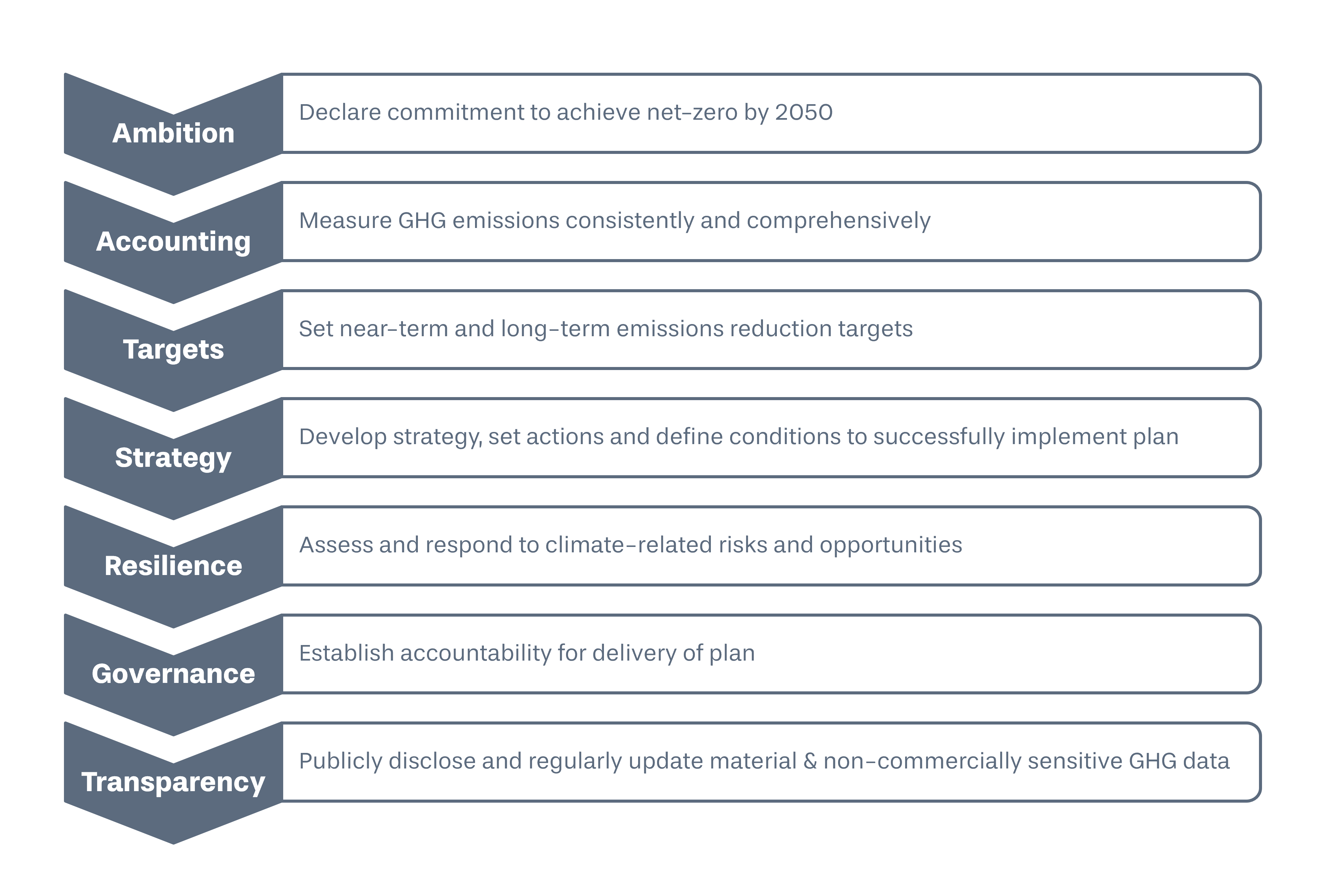
Under the current Production Standard, certified sites must demonstrate that they have a decarbonisation roadmap aligned with an existing model. However, the WG and TAG agreed that many of these models have not been updated in recent years and no longer reflect technological, economic, or policy realities. As a result, they risk undermining rather than strengthening transition planning. The revised approach moves away from a prescriptive reliance on external models and instead proposes to introduce an explicit requirement for a climate transition plan at the corporate and site level.
A participant from EMSTEEL, a ResponsibleSteel member and certified site, commented, “Revising the ResponsibleSteel Standard is an important step in strengthening the steel sector’s collective transition journey. The process provides members with a valuable opportunity to contribute practical insights, share operational experience, and help shape a standard that is both ambitious and implementable. ResponsibleSteel has done an excellent job in creating an inclusive and transparent revision process, encouraging constructive dialogue among members and ensuring diverse industry perspectives are reflected in the development of a stronger and more credible framework.”

What’s proposed to change in the Production Standard?
The proposed revisions strengthen and connect key elements of Principle 10, with a clearer and more coherent architecture across corporate and site levels.
Key improvements include:
- Quantitative, time-bound emissions reduction targets, covering Scope 1 and 2 emissions and material Scope 3 emissions
- Stronger links between corporate- and site-level planning, ensuring that corporate ambition translates into real investment decisions and on-the-ground transformation
- Improved intensity-based disclosures to support comparability, directly aligned with ResponsibleSteel’s broader harmonisation work
- Alignment with leading frameworks, such as IFRS S2 (International Financial Reporting Standards), while retaining flexibility for different regional and operating contexts
- Clearer guardrails for credibility, moving beyond temperature labels alone
There was strong agreement across the WG that clearer wording and guidance are essential to support consistent interpretation and implementation by sites and auditors alike.
Connecting the dots between the Production Standard’s criteria
One of the most important outcomes of the revision process so far has been a clearer set of connections between criteria that, while related, have not previously been well integrated.
In the current Production Standard:
- Corporate transition planning (10.1) is weakly connected to climate-related financial disclosures (10.2)
- Site-level transition planning (10.5) is not sufficiently aligned with corporate-level strategies
- Public GHG emissions disclosure requirements (10.7.1) are limited, focusing mainly on a site’s medium-term reduction target
The proposed changes aim to address these gaps by:
- Requiring climate transition plans to include climate-related financial risks and opportunities, including dependencies that may impose structural barriers, planned changes to business models and strategy;
- Aligning corporate- and site-level planning approaches to reduce carbon leakage risks and ensure consistency across operating boundaries; and
- Strengthening public disclosure requirements to better support accountability, comparability, and progress tracking over time.
Flexibility, credibility, and the reality of steelmaking
The WG and TAG discussions also surfaced a shared understanding of the structural barriers currently slowing decarbonisation in the steel industry. These include:
- Limited technology maturity at scale
- Supply chain and infrastructure constraints
- Energy availability and cost
- Inconsistent or insufficient policy support
- Weak demand signals for low-emission steel
- Trade and competitiveness pressures
Given the long investment timelines and asset lifetimes involved, feasibility in the near term is particularly critical. As such, there was strong support for a flexible, disclosure-driven approach that pairs quantitative targets with qualitative indicators of progress, allowing ResponsibleSteel to uphold high ambition and transparency while recognising that steelmakers cannot address systemic barriers alone.
As ResponsibleSteel’s Decarbonisation Analyst, Melav Salih observed, “A robust climate transition plan must embed decarbonisation within broader strategic and financial planning. It needs to recognise that steelmakers’ transition pathways are shaped by long-lived assets, billion-dollar investment decisions, and dependencies on an ecosystem of change that includes energy systems, infrastructure, policy, and markets.”
Looking ahead
As the Paris Agreement enters its second decade, and as legal, financial, and societal expectations on climate accountability intensify, ResponsibleSteel’s role as a credible, independent standard for the steel industry has never been more important.
By strengthening climate transition planning across corporate strategy, site-level action, financial disclosure, and public reporting, revisions to the Production Standard aim to support steelmakers in navigating this transition transparently and at pace.
Together with parallel work on harmonisation and disclosure alignment, the revisions to climate transition planning requirements represent a critical step toward turning climate commitments into credible, comparable, and feasible transition pathways for the global steel industry.
Learn more about the revision of ResponsibleSteel’s International Production Standard here.
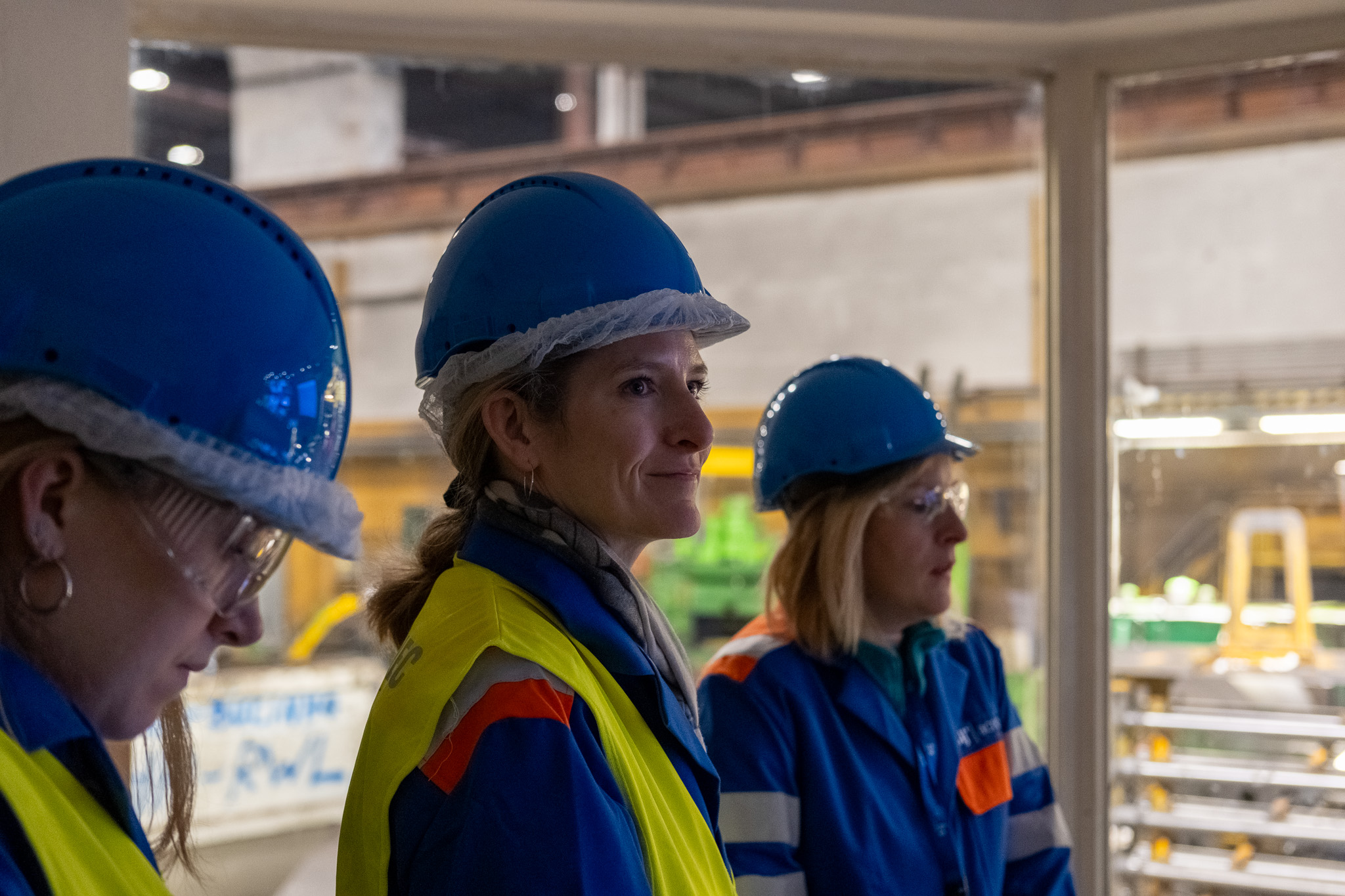

Reflections from China: ResponsibleSteel's CEO Annie Heaton discusses building interoperability across global standards
Interoperability: Building a bridge between global standards
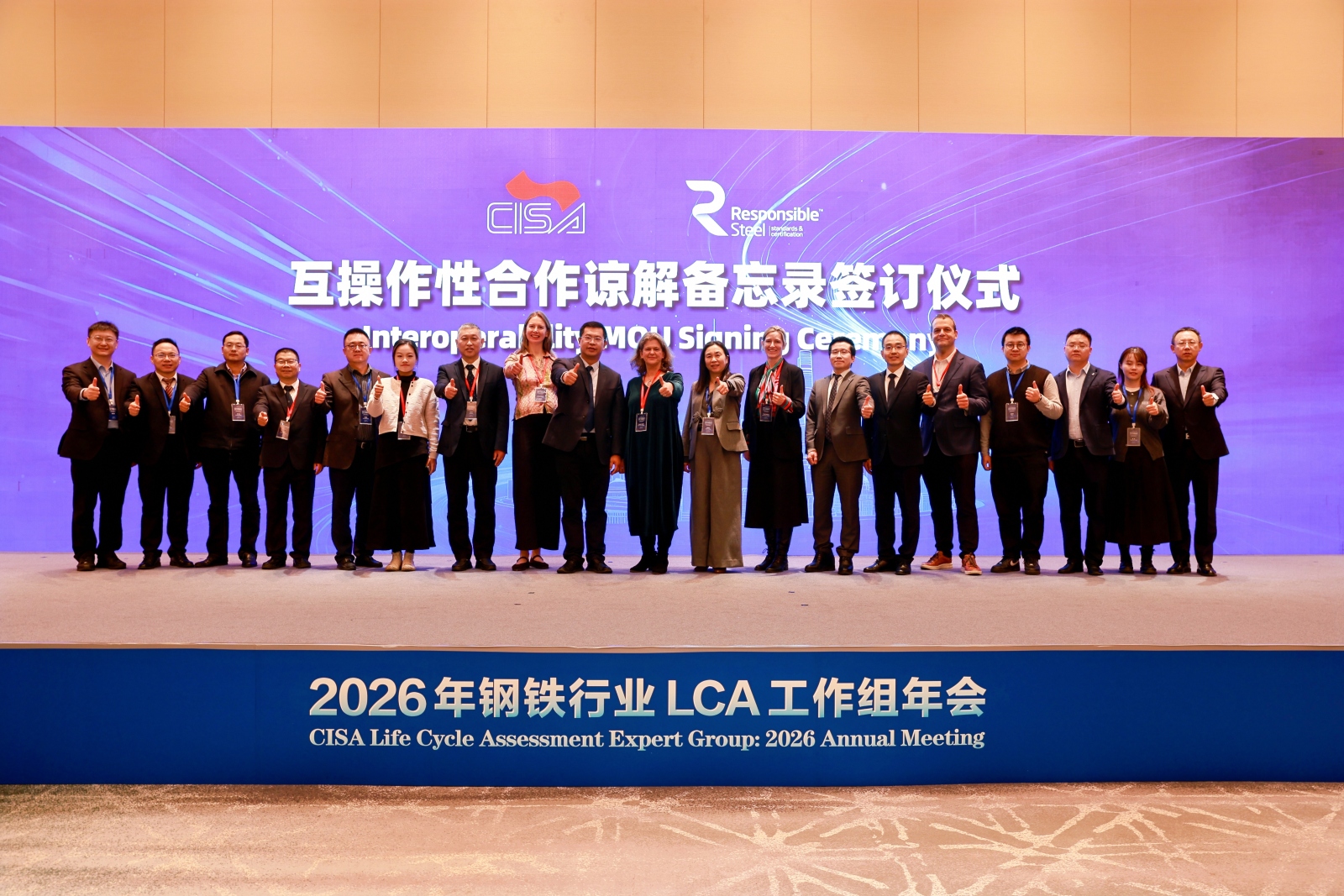
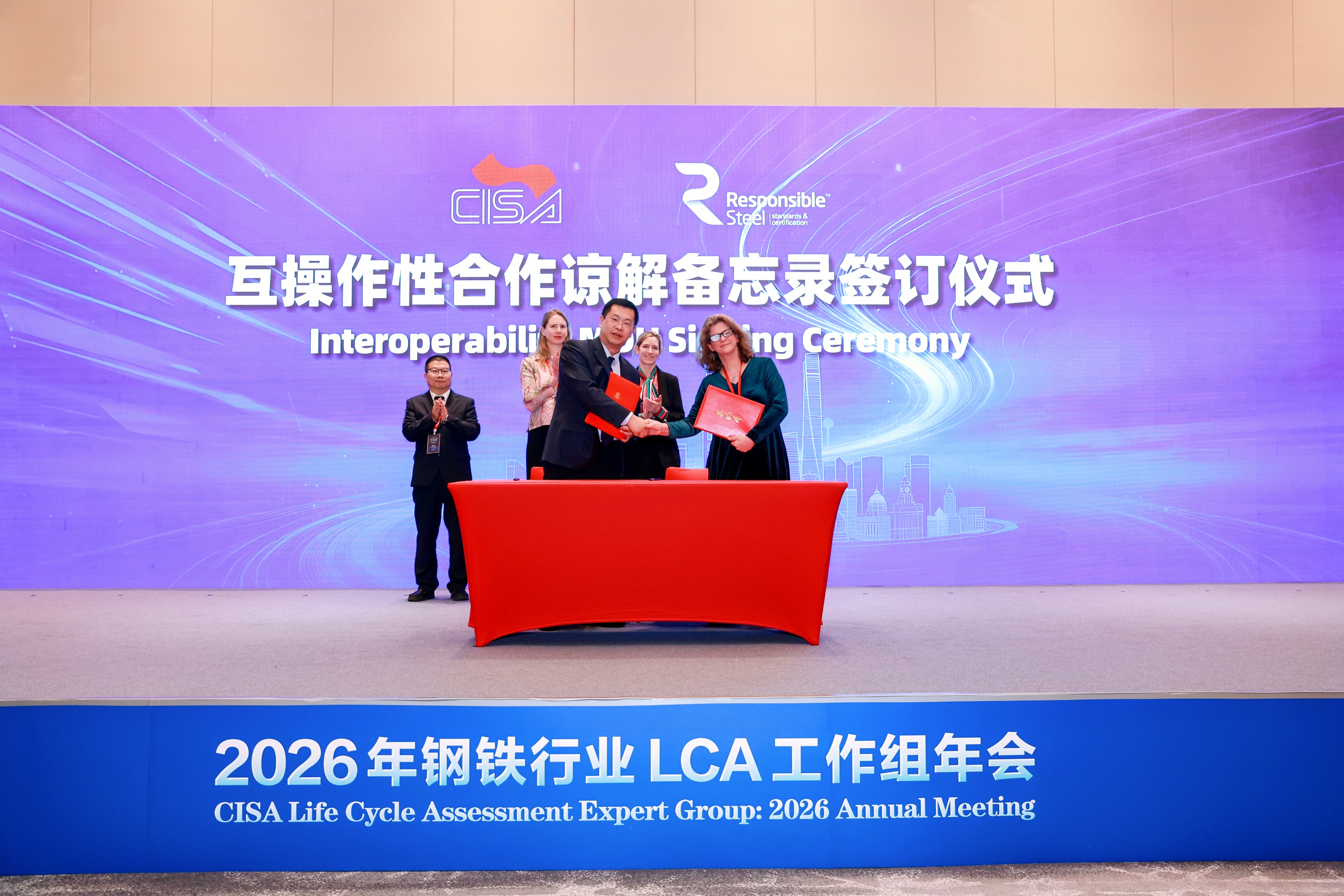
ResponsibleSteel's quest for a coherent market for decarbonised steel in 2026 got off to a constructive start this month. Following the announcement of our landmark agreements with the Chinese Iron and Steel Association (CISA) and the Low Emission Steel Standard (LESS) at COP30, ResponsibleSteel was in China in January to kick off our work on interoperability with CISA. This work in China complements our parallel project with Brussels-based LESS.
The goal? To build trusted data and claims on decarbonisation.
During our trip, our Director of Programmes, Amy Jackson, our Decarbonisation Lead, Alli Devlin, and myself had the opportunity to:
- Present to the Chinese steel value chain our C2F (China's low-carbon emission steel standard) interoperability MoU at CISA's annual LCA conference.
- Connect with our Chinese members, including SKF, World Resources Institute (WRI), Climate Group, VAMA (Valin ArcelorMittal Automotive JV), Penglai Dajin, and some of our certification bodies working in China, including Afnor and China Quality Certification Centre (CQC).
- Get to work on our C2F-ResponsibleSteel Interoperability Project, structuring the discussions around our Framework for Credible Interoperability.
- Visit the 15mtpa Zhanjiang steel plant, where a new DRI-EAF line was launched in Dec 2025. This has involved the production to date of iron reduced with hydrogen in a 1mtpa DRI plant. Whilst this is currently produced from refined coke oven gas, the project is a hugely significant demonstration of the potential to produce hydrogen-based DRI at an industrial scale.
.jpg)
What do ResponsibleSteel's interoperability projects look like in practice?
In short, interoperability means measuring emissions using rules that are as aligned as possible, and recognising the differences, to enable comparison on a like-for-like basis. Imagine the benefit this would bring for anyone wanting to distinguish what good looks like, for example, procurement teams, investors, and policymakers.
But making interoperability work in practice requires a lot more if we want a reliable, credible and sustainable system that generates high-quality, comparable data.
We've outlined the key components of this in our Framework for Credible Interoperability, which will inform both our work with LESS and CISA:
- Aligned GHG accounting rules
- A reliable calculation tool
- A robust assurance mechanism
- Credible claims protocols
- Good governance, oversight and resourcing
- Appropriate data management
- Strong operations management systems
This is how markets are built: first with innovation, then with the necessary rules and systems that enable good information to flow – so that steel buyers can understand, investors can evaluate, and steelmakers can compete, based on emissions performance that everyone can trust.

July 2023 Newsletter
Please view the July 2023 newsletter by clicking the link below:

ResponsibleSteel in India: The First Movers Coalition In-Country Workshop, Surfacing Supply of Near-Zero Emission Steel
India is the world’s second-largest steel producer. The steel industry accounts for around 12% of India’s emissions and steel production is set to grow rapidly. This month ResponsibleSteel is in India to dive into the particular dynamics of the challenges in a country where the population uses one-third of the global average steel consumption per head.
As part of the Steel Breakthrough Agenda, we have been working with the First Movers Coalition to drive alignment and accelerate steel decarbonisation. The First Movers Coalition aims to pull forward the deployment of clean and deeply decarbonising technologies through its members’ commitments to procure 10% from near-zero sources by 2030.
We were delighted to participate in last week’s First Movers Coalition’s In-Country Workshop: Surfacing Supply of Near-Zero Emission Steel in New Delhi.
Our CEO, Annie Heaton, spoke about the practicalities of activating these commitments in the Indian context. Steel production is set to double by 2030. The challenge is immense. The major Indian steel companies are investing in technology innovation. Yet the conditions are not in place to accelerate deployment of decarbonisation projects.
Consolidated demand-side signals, reduced-cost finance, and ambitious and accelerated policy levers are all needed. But as Annie explained, “above all, a common carbon measurement standard and definition of near zero steel is needed to ensure these all work together.” The ResponsibleSteel International Standard has the potential to provide such a framework to drive equitable steel decarbonisation globally.
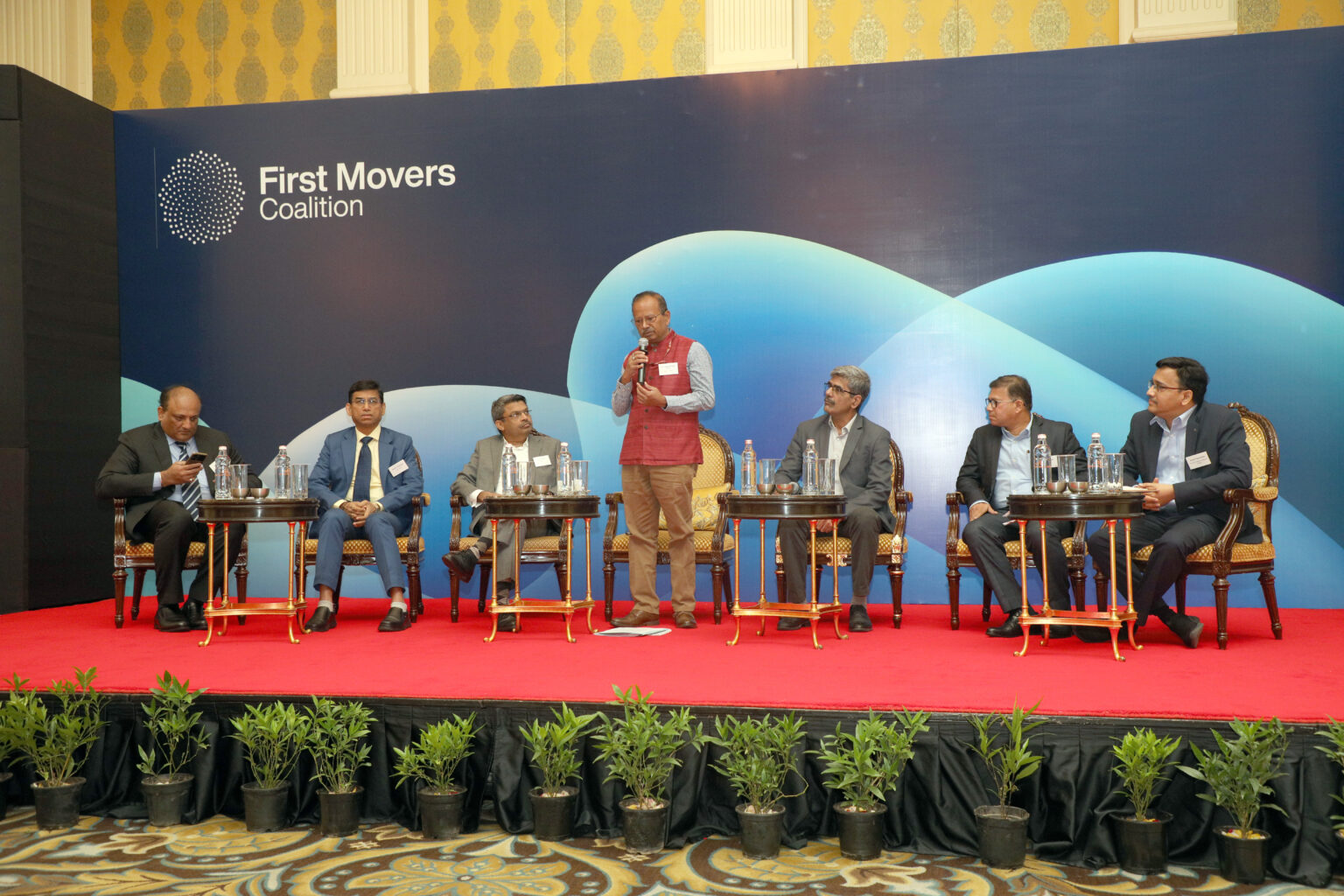
Shivakumar Kuppuswamy, ResponsibleSteel’s Director of Development and Innovation, also hosted a distinguished panel of guests who provided first hand observations of what it will take to accelerate steel decarbonisation in India. The panellists included Secretary Shri Nagendra Nath Sinha from the Indian Ministry of Steel, alongside Lenin D’Souza, Deputy General Manager of Mahindra, Sohanjeet Randhawa, Director for Sustainability Affairs & Group Communications for Volvo Group, Rajesh Goyal, Sr. Vice President of ReNew Power, Manish Chourasia, Managing Director of Tata Cleantech Capital Limited, and Mr Anand Parasramka, CFO at Saarloha Advanced Materials Limited – Kalyani Ferresta.
At the top of the FMC workshop’s agenda was the need for a strategy to capture CCUS potential as well as hydrogen growth, and the development of a carbon reduction incentive programme. On top of this, government-backed green bonds, low-interest debt, and risk-sharing processes were all suggested as interventions the government could support in order to drive the necessary investments in steel decarbonisation.
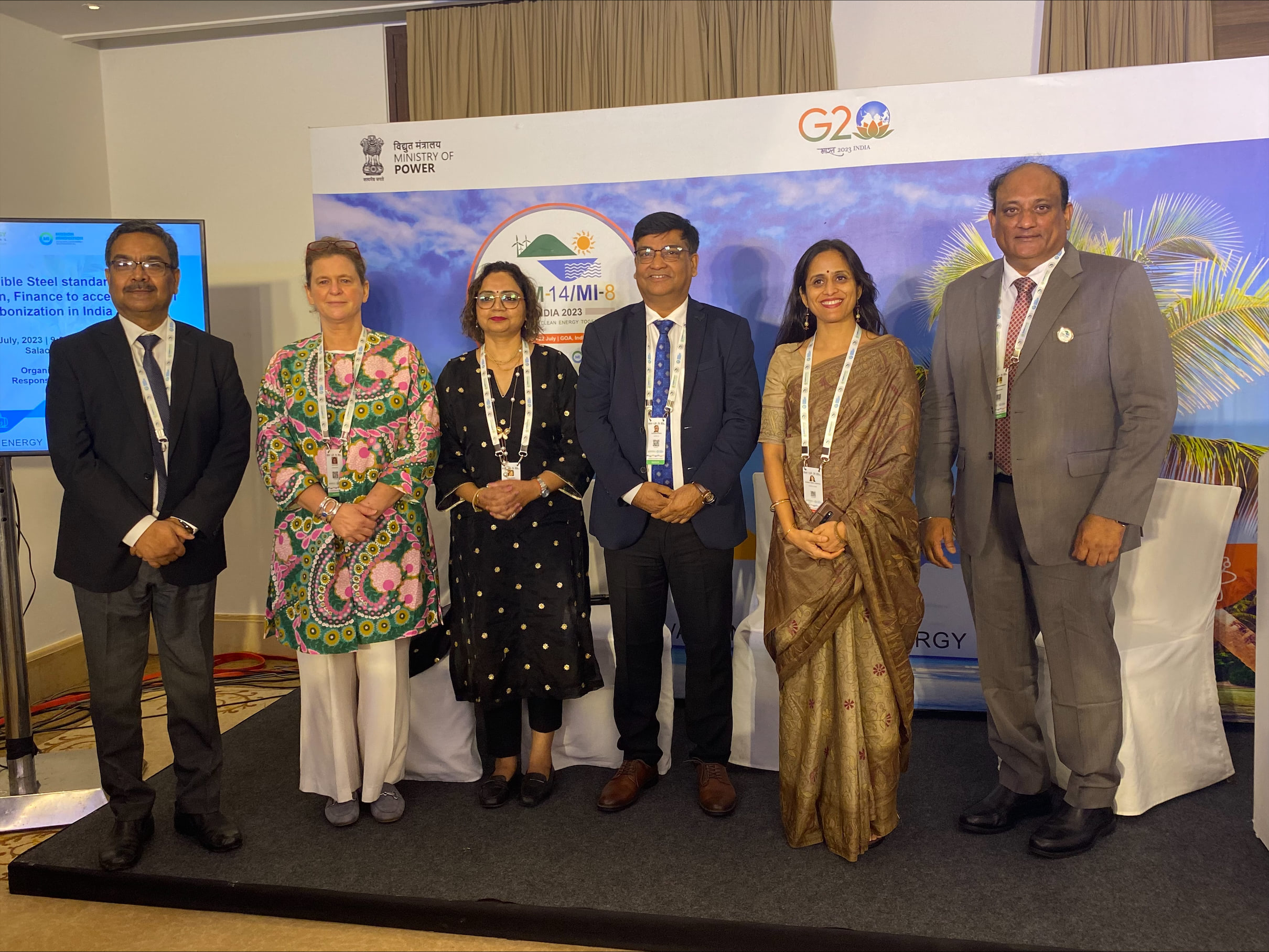
Next up, ResponsibleSteel will be hosting an event as part of the Clean Energy Ministerial in Goa this week. On July 22nd, we will be bringing together key stakeholders from the steel industry, downstream, and government, to discuss the role of the ResponsibleSteel International Standard in impacting policy, finance and the energy transition in order to accelerate steel decarbonisation in India.
Find out more about this and other upcoming events here.
June 2023 Newsletter
Please view the June 2023 newsletter by clicking the link below:

In Conversation With CEO Annie Heaton On Our Achievements And What’s Next For ResponsibleSteel
This month marked one year since CEO Annie Heaton stepped in to lead ResponsibleSteel through a new phase, one of building momentum. Annie discusses what led her to join ResponsibleSteel, how her experience has shaped her vision for ResponsibleSteel, what achievements she has been most proud of over the last year, and what she sees as the next steps for ResponsibleSteel.
You spent almost a decade shaping ArcelorMittal’s sustainability agenda, why did you choose to join ResponsibleSteel?
One word: impact. I am inspired by the sheer scale of contribution the steel industry makes to our modern world, the ubiquitous utility of steel in the infrastructure of today and the technologies of tomorrow. I am even more inspired by the potential for tomorrow’s steel production to impact positively on people and the environment. At ArcelorMittal, I saw this potential at first hand, through a combination of leadership commitment, sound management, and innovative thinking. ResponsibleSteel has the potential to drive impact of a different magnitude.
Our well-respected standard and robust assurance system offer steelmakers a roadmap to improvement and a common language of assessment that their customers, communities, investors and workforce can all get behind. I firmly believe ResponsibleSteel will drive the next generation of steelmakers to truly maximise their contribution to a sustainable society.
What makes ResponsibleSteel unique?
As the landscape of initiatives gets busier and busier, particularly in relation to climate, it is clear to me that ResponsibleSteel provides a much-needed common, consistent and credible thread between all these efforts, enabling all the work being done to be streamlined and accelerated. Our credibility is so valuable in today’s world of misinformation, false claims and greenwashing. That is why both businesses and not-for-profit organisations choose ResponsibleSteel.
And it’s not just about carbon. Responsible steelmaking goes far beyond climate change mitigation. The safety and well-being of the some six million people working in the industry, the millions more working in the supply chain and living in nearby communities, all need to be ensured. The impacts on biodiversity and our ecosystems of mineral and timber extraction as well as steelmaking need to be greatly improved. If in 30 years’ time, we have removed almost all emissions of greenhouse gases, but haven’t worked hard to support nature and people’s livelihoods, our future will be very bleak.
ResponsibleSteel is the only standard for steel that combines all the complexities of good social and environmental performance in one indicator across the value chain that everyone can look for: certification.
What is your vision for ResponsibleSteel?
We are on the cusp of the next industrial revolution, and with this one, we have the luxury of being able to plan it. We have a tremendous opportunity to ensure every dollar we invest in new industry avoids unintended consequences for people or the planet. This means adhering to strong sustainability standards. I firmly believe when we look back at this period, we will see how good international sustainability standards such as ResponsibleSteel played a critical role in the transition. The application of good standards will ensure our transition is as focused and streamlined as possible. It will enable suppliers to align with customers, investors and policymakers, and ensure fair global trade and direct finance to where it is most effective. Good standards will catapult us towards society’s goals without discriminating against poorer countries. All these are outcomes I believe ResponsibleSteel will deliver.
So we are at a pivotal moment globally. We can transition our economies within the next 30 years or less if we create the right conditions. Both for steel and in all the industries steel serves. This is an enormous challenge, and it needs to be faced collectively. ResponsibleSteel works as a catalyst, providing steelmakers with the necessary framework to tackle critical climate and sustainability issues. We need to ‘win on carbon’. But we must win on people and the environment too. ResponsibleSteel is the tool to drive that success.
To achieve that, ResponsibleSteel has to be the most trusted global standard for steel. It’s an initiative working with the integrity, credibility and spirit of collaboration we need to maximise steel’s contribution to a sustainable world. When a site becomes certified against the ResponsibleSteel International Standard, people know it’s been through a rigorous process assessing how it manages its impacts on the environment and local communities, how it treats its workforce and how it drives improvements, both in its operations and in its supply chain. And if practices falter, people want to be sure that ResponsibleSteel’s assurance system will oversee and track the corrections needed.
How has your experience in sustainability over the past 30 years influenced your vision for ResponsibleSteel?
I’ve enjoyed a wonderfully varied career working on everything from child labour to water scarcity, renewable energy to community engagement, finance to healthcare systems, and across many many different sectors. At one stage or another, I have spent time working on almost every aspect principle of the ResponsibleSteel Standard! And over the years I’ve learnt some valuable lessons. Firstly, that change is not inevitable. Nothing changes without vision and commitment. Secondly, that change is driven by the focused actions of stakeholders in pursuit of ambitious goals. With the right tools, we can drive change some may think impossible. Thirdly, that consulting people is a must. The outcomes of any project are enriched if one works with one’s ears open.
ResponsibleSteel must draw on all these elements to deliver on our mission, to drive the socially and environmentally responsible production of steel, globally. The commitment of our members is palpable. They believe in what we are doing, and how we’re doing it. They learn through the process too, both business and civil society members, because their common commitment to our purpose enables a safe space in which to discuss difficult issues. This is how they help us build the tools that are the right ones for the job. That is why steelmakers accept the enormous challenge of preparing for a ResponsibleSteel audit. I want to point out though, that our standard and certification scheme is not the only tool in the box: it’s vital that ResponsibleSteel works with other initiatives as they emerge to enable an ecosystem of tools that work together to deliver our common goals.
This past year has seen significant growth for ResponsibleSteel, what are the moments you have enjoyed the most? What achievements are you most proud of?
The opportunity to work both with our members and wider initiatives across the world, exchanging ideas and looking for synergies, is what brings me to work every day with passion. It’s been great to see so many new members over the past year – our membership has grown by 20% in the past year and now stands at well over 140 members with a growing body of civil society organisations and 15% of the steel industry in membership. We have 58 certified sites to date across 5 continents covering 107mt of steel production, over 5% of the global industry, in just a few years.
Forum III was certainly one of ResponsibleSteel’s greatest achievements last year with over 200 people coming together in Memphis, and a proud moment for me and the team. Seeing how much leadership and critical thinking our members are demonstrating, across the value chain, across the generations, and across business and civil society, was so invigorating.
In the first part of this year, we established a Finance Working Group. This is a new space we are convening for investors and steelmakers to come together to look at how to remove the blockages to financing for steel decarbonisation. We’ve developed an ambitious work programme to do what ResponsibleSteel does best: facilitate multistakeholder dialogue with a view to developing practical solutions to drive progress.
One more highlight has been our first engagements in Asia. Shiv, our Development & Innovation Director, Ali, our Corporate Affairs Director, and I have been in India, South Korea, Singapore and soon Japan, engaging with shipping, automotive, energy, and finance sectors. These have really helped grow understanding of ResponsibleSteel’s mission in some of the world’s most significant steel making economies.
What comes across from all this is what an amazing team we have in the Secretariat, that has built and continues to build the organisation that we are today. The spirit of collaboration, thoughtful commitment and bold ambition is something I value immensely.
So what’s next for ResponsibleSteel?
We have achieved a huge amount, but in many ways, we have only just begun. We are seeing applications for membership and core certification growing rapidly. We’re now preparing for the market for certified steel to take off so that sites can distinguish themselves for their progress towards responsible near zero. And the new downstream chain of custody rules I’ve mentioned will be critical in ensuring that claims about certified steel in the market are specific and reliable to ward against greenwashing.
ResponsibleSteel’s standards and certifications are only part of a wider ecosystem. So the work we do with other initiatives that credit ResponsibleSteel as the most trusted global standard is critical to ensure we are all pulling in the same direction as efficiently as possible. Leading examples of this are the collaborations we are working on with SteelZero and the First Movers Coalition to drive the right kind of demand signals for true and responsible decarbonisation.
We are also working on alignment across GHG measurement standards under the UN Steel Breakthrough agenda. Unless embodied emissions are measured using the same rules, the numbers will look very different, so this is critical. That is why we are working with worldsteel and other methodology initiatives to align on these rules so that datasets can be interoperable.
On near zero in particular I see some emerging consensus on the thresholds, and I expect to see this firm up in the months to come as measurement rules align. This will give off-takers and investors some clarity on how to look for assurance that a project’s future steel production will be recognised in the market as near zero, for example through ResponsibleSteel’s progress level 4 certification.
And since ResponsibleSteel certification covers the human and broader environmental considerations of steelmaking, these near zero plants have a very real opportunity to show they are responsible too. This after all is the real answer to the ubiquitous question, ‘What is green steel’?
Yet decarbonisation is not only about nurturing innovative near zero steel projects. It’s a transition, and the ResponsibleSteel Standard is designed specifically for this. We are saying to all steel sites: come on the journey, and use our progress levels as marketable stepping stones towards near zero. This is so important in high-growth countries like India, where new capacity needs to be developed. ResponsibleSteel certification ensures that at the very least, these are built at an emissions intensity that beats the global average (our level 1) and has a roadmap for timely reduction.
These are critical times, and we can all sense that momentum is building. The good work of ResponsibleSteel feels more important and more exciting now than ever. We have the tools, and I believe that together we can drive the change some may think impossible. The hard work ahead will need collaboration, trust and commitment.
Borçelik: Our Greatest Strength
“We see our human resources as our greatest strength.” Worker well-being is a crucial part of creating a sustainable industry. This means not only ensuring a healthy and safe working environment, but also providing the care, opportunities, and respect that every individual deserves and needs in order to thrive. Derya Demirer, Director of Human Resources and Corporate Communications for Borçelik, discusses the strides the company is making to promote equality, support professional growth, and put worker well-being first.
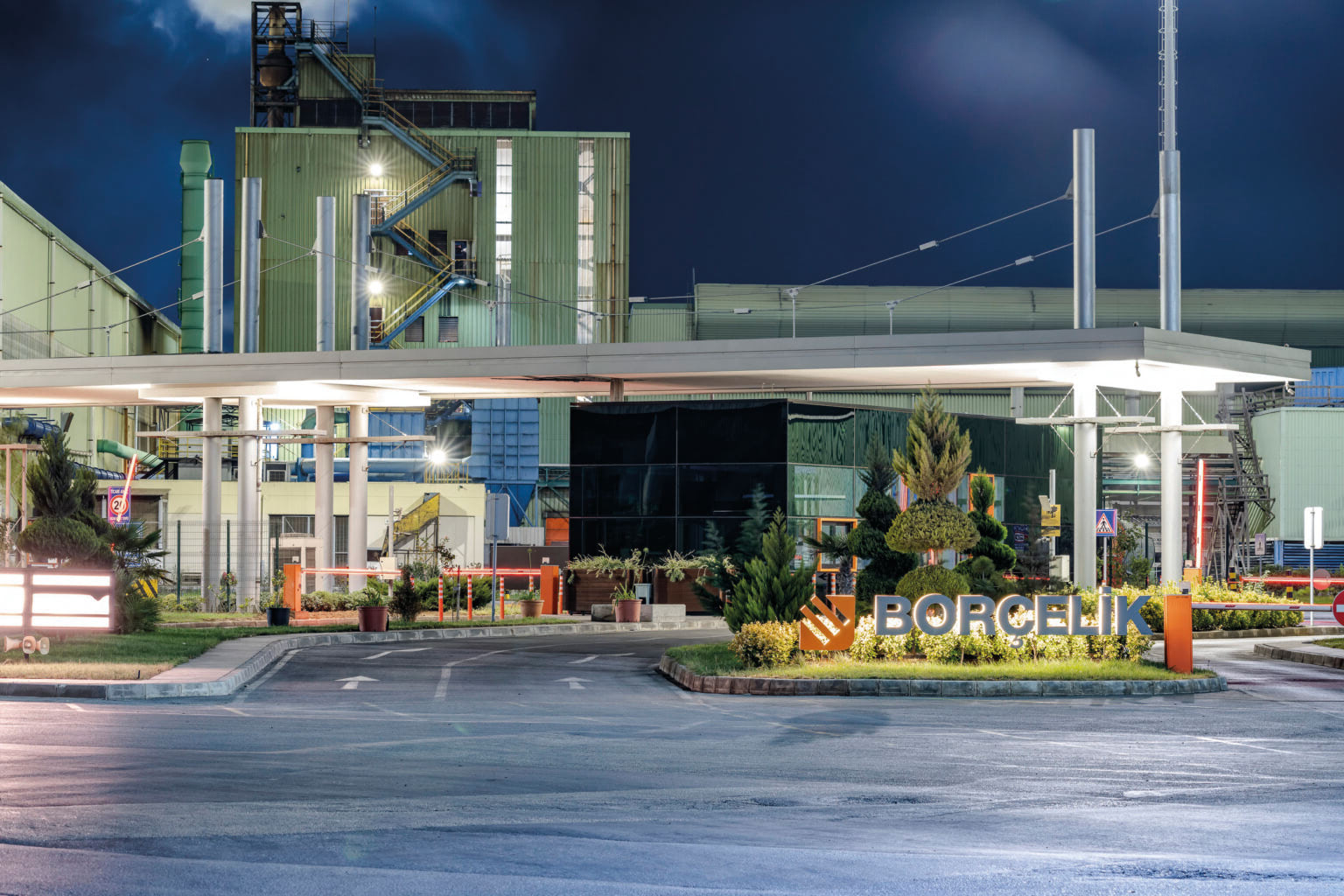
Borçelik, a special collaboration between Borusan Group, a leading conglomerate in Turkey, and ArcelorMittal, the world’s largest steel producer, proudly stands as Turkey’s biggest galvanized flat steel producer. We wholeheartedly embrace and endorse Borusan Group’s sustainability vision, which revolves around three key pillars: climate, people, and innovation. At Borçelik, we integrate initiatives aligned with these focal points into our core business operations, ensuring a holistic and responsible approach to our endeavours.
The Borçelik Technical Academy (BTA), established with the aim of supporting the professional development of Borçelik employees, is deeply committed to creating value for society. It welcomes individuals who are eager to enhance their expertise in the fields of metal, machinery, transportation, logistics, communication, chemistry, petroleum, rubber, and plastics. Moreover, BTA dedicates itself to designing a unique curriculum for technical high school students, empowering students to become highly skilled professionals and promoting diversity in the industry.
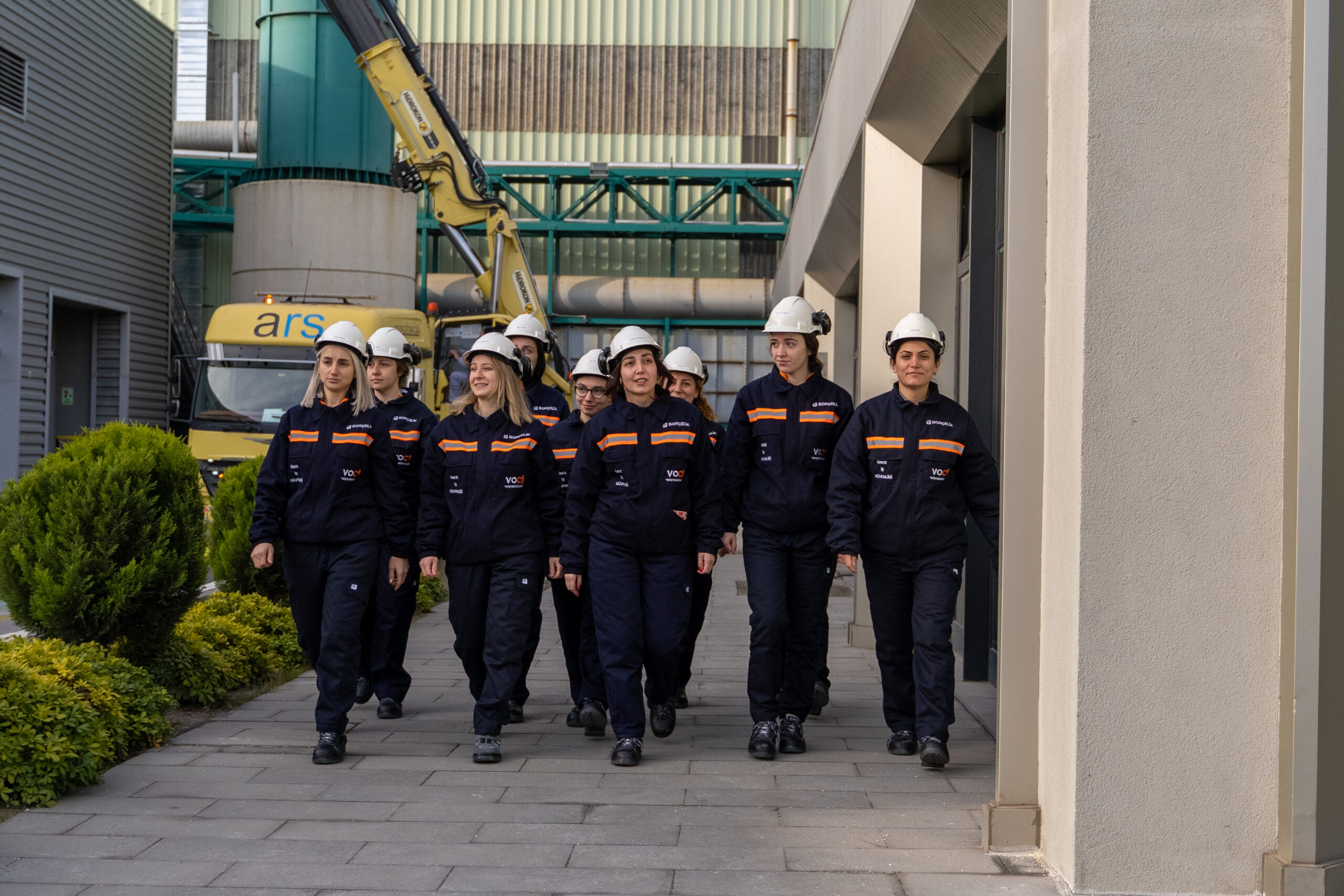
Gender equality holds immense significance for us at Borçelik. We are proud to lead the way in introducing innovative initiatives for our industry in Turkey. One such initiative is our “No Job Too Tough for Women” project, implemented in collaboration with the BTA, which establishes a comprehensive programme to enable female employees to work in the predominantly male-dominated steel industry.
Furthermore, we actively engage in the Gender Lens initiative as a key participant within Borusan Group’s Equal Borusan Platform. Through this initiative, we implement a wide range of practices to foster gender equality. These include offering private health insurance with maternity coverage to both male and female employees, ensuring uninterrupted utilization of maternity and paternity leave, providing support programmes for maternity and postnatal care, granting leave on important occasions like the first day and last day of school for colleagues with children, organizing well-being activities, implementing hybrid work arrangements, and establishing an accessible Ethics Line to report any gender equality violations.
We also offer childcare assistance to our female employees with children aged 0-66 months. Moreover, we engage in the Borusan Equality School project initiated by the Borusan Group, which aims to raise awareness about equality. Through continuous gender equality-focused training programmes, we strive to foster awareness and understanding both within and beyond our company.
At Borçelik, we remain dedicated to our sustainability endeavours, focusing on climate, people, and innovation. We prioritize the well-being of individuals and embrace the concept of “Inspiring the Future by Inspiring the World.” Our dedicated efforts revolve around fostering the healthiest and safest work environments for our workers. Recognizing our workforce as our greatest asset, we have developed comprehensive programmes to enhance their competencies and promote their overall welfare. Central to our approach is the utilization of cutting-edge technology to continuously improve working conditions and establish a secure atmosphere within our facilities.
Through innovative solutions, we strive to create a workplace that ensures the safety and satisfaction of our employees. We are committed to conducting inspiring projects that set the benchmark across the industry.
By Derya Demirer, Director of Human Resources and Corporate Communications, Borçelik
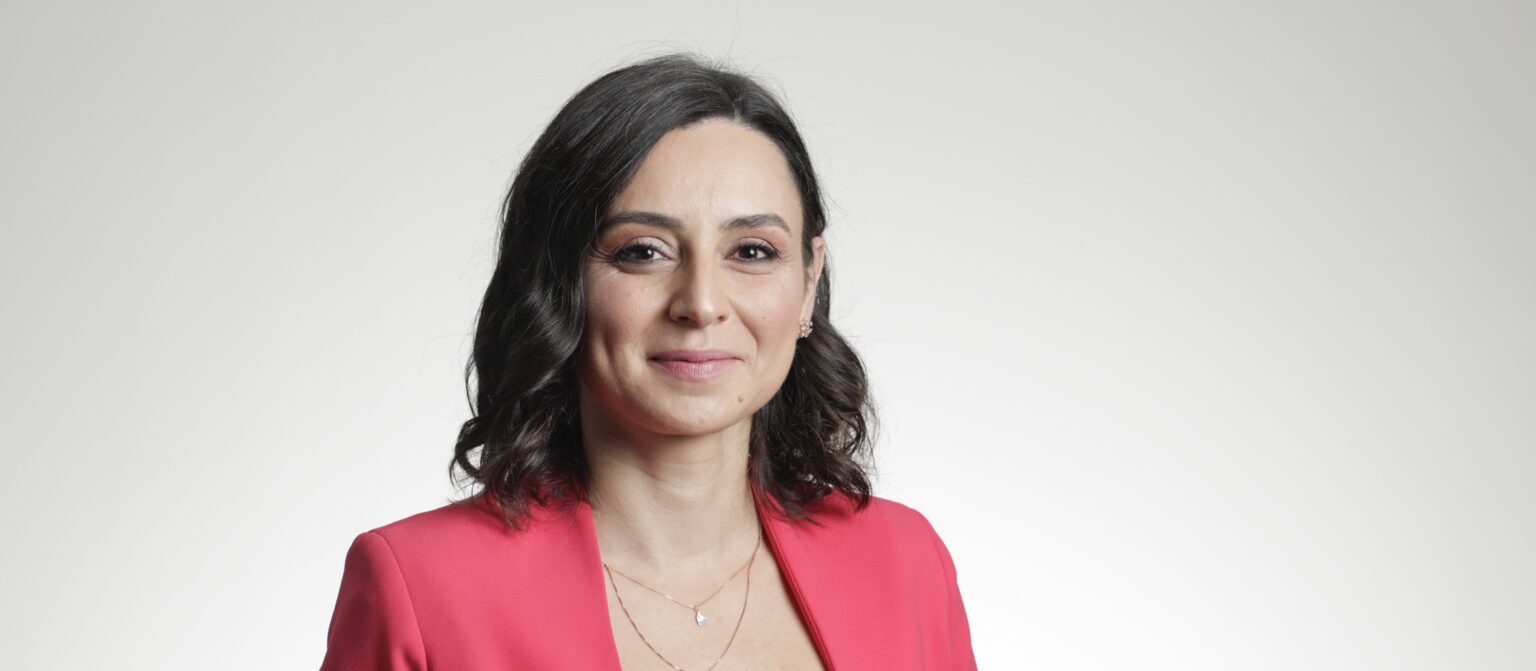
Derya Demirer is an experienced Human Resources Professional who has an undergraduate degree in Industrial Engineering. Her areas of expertise includes performance management, talent and career management, organisational design and diversity and inclusion studies. She is currently working for Borçelik as Human Resources and Corporate Communications Director.
ResponsibleSteel hosting event at upcoming 14th Clean Energy Ministerial in Goa
ResponsibleSteel is hosting a critical meeting at the upcoming 14th Clean Energy Ministerial (CEM14) demonstrating the role of the ResponsibleSteel International Standard in impacting policy, finance and the energy transition to accelerate decarbonisation in India’s steel industry at pace and scale. The event will take place from 9:00 to 10:30 am (IST) on Saturday, July 22nd.
India is the second-largest producer of steel after China and according to the IEA, the Indian steel industry is projected to triple by 2050. Currently, the steel industry accounts for around 12% of India’s emissions. The country’s push to meet its net zero targets will rely heavily on the decarbonisation of its steel sector. That is why ResponsibleSteel will bring together key stakeholders from government, downstream, and the steel industry to discuss the challenges and solutions needed to achieve an equitable and just transition in India.
The event will feature keynotes from Shri. Nagendra Nath Sinha, Secretary for the Indian Ministry of Steel, Shri. Alok Sahay, Secretary General & Executive Head of the Indian Steel Association, and Annie Heaton, CEO of ResponsibleSteel, as well as a panel discussion between representatives from the Ministry of Steel, JSW Steel, and SteelZero.
Topics of discussion will include:
- The main challenges facing the Indian steel industry as it moves to a “greener” future
- The role the ResponsibleSteel Standard and certification programme can play to help accelerate the decarbonisation of India’s steel industry
- The importance of driving alignment on frameworks and near-zero definitions
- The investments, innovations and new policies needed to speed up a decarbonised future
Learn how more about CEM14 and how you can register to join us in Goa here!
Jindal Steel & Power Joins ResponsibleSteel
Jindal Steel & Power has become the latest steelmaker to join ResponsibleSteel, demonstrating their commitment to our mission to be a driving force in the socially and environmentally responsible production of net-zero steel, globally.
Jindal Steel & Power (JSP) is an industrial powerhouse with a presence in steel, power, mining and infrastructure sectors in India and abroad. Led by Mr Naveen Jindal, the company’s success has been based on overarching goals to promote innovation, set new standards, enhance capabilities, and support company stakeholders.
ResponsibleSteel CEO, Annie Heaton commented, “We’re delighted to welcome Jindal Steel & Power to ResponsibleSteel. This is yet another prime example of the growing commitment of Indian steelmakers to building a more sustainable industry. As one of the largest steel-producing countries in the world, India has a critical role to play in driving steel decarbonisation. With JSP, we now have nearly 40% of India’s steelmaking capacity in our membership. We look forward to working closely with JSP as we continue to accelerate the rollout of the ResponsibleSteel International Standard globally.”
ResponsibleSteel steelmaking members commit to starting the certification process of at least one steelmaking site against the ResponsibleSteel International Standard within one year of joining. As one of the largest steel producers in India with a turnover of more than $7.6 billion, JSP has a significant presence in sectors like mining, power generation, and infrastructure. Through technologies like Coal to Liquid & Coal Gasification, JSP has worked to become a trailblazer and drive innovation in the steel industry.
Mr Bimlendra Jha, Managing Director for JSP stated, “By associating with ResponsibleSteel, JSP has reiterated its commitment to a more sustainable future by incorporating environment-friendly initiatives and technologies. JSP has been an ardent advocate and practitioner of sustainable development since its inception and is wholeheartedly committed to improving its sustainability performance. We aim to incorporate sustainability into our businesses by strengthening our economic, social & environmental pillars by mitigating the impact of our operations.”
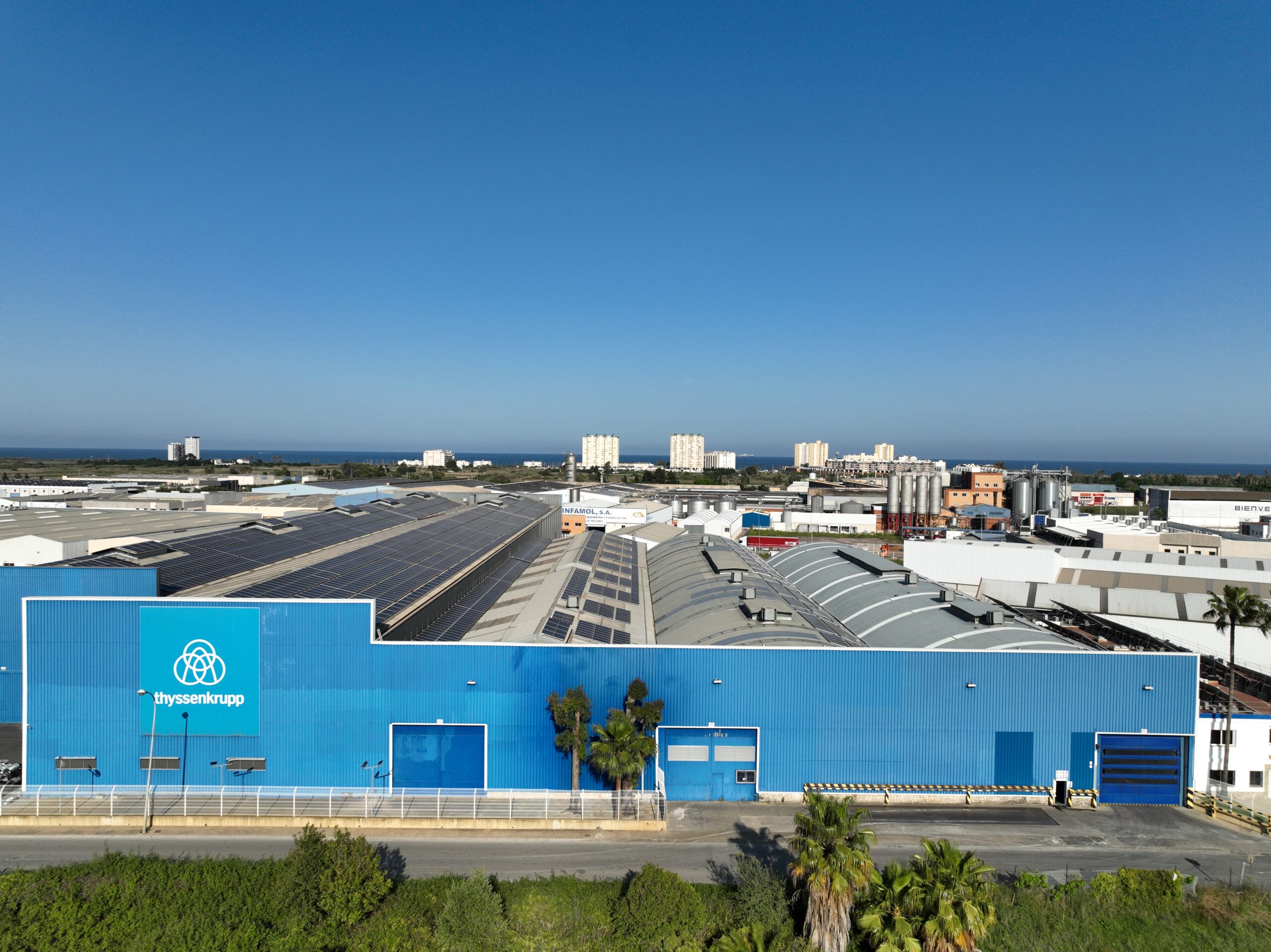
Thyssenkrupp Materials Processing Europe Achieves First ResponsibleSteel Certification
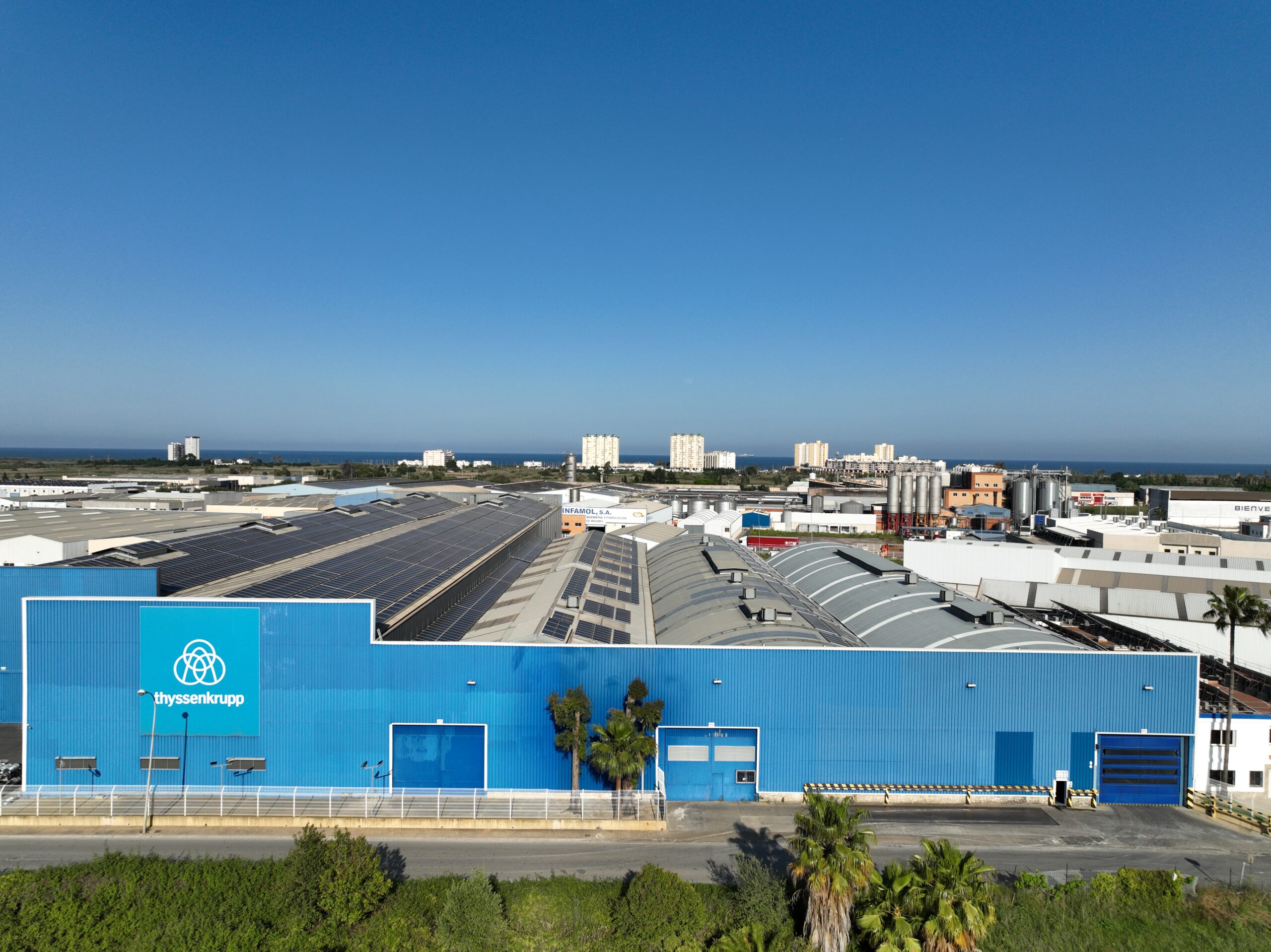
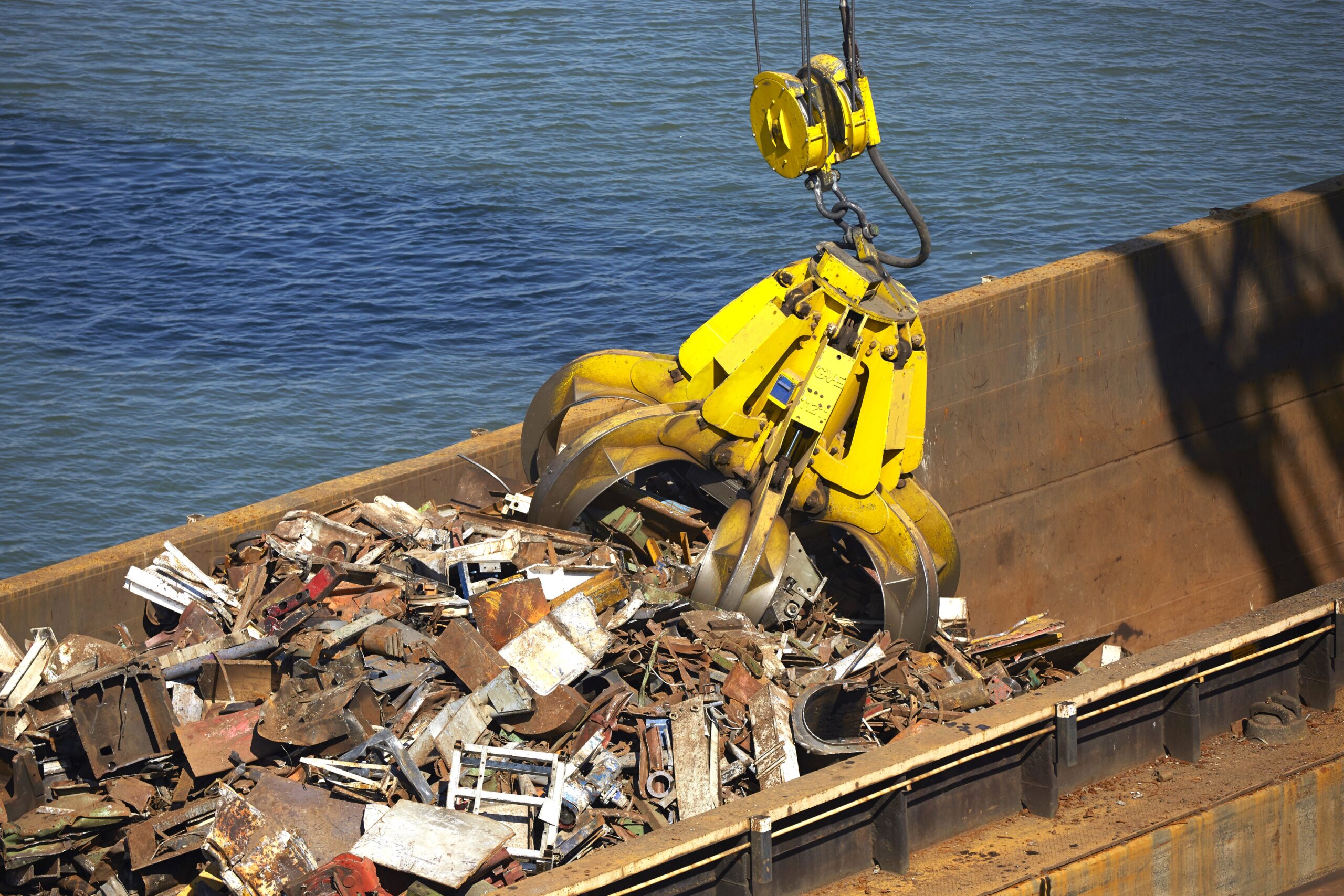
Following an independent audit conducted by DNV, thyssenkrupp Materials Processing Europe’s El Puig site has successfully obtained ResponsibleSteel certification. This is the organisation’s first certification globally and is an unprecedented milestone as the first steel-cutting service centre to obtain the certification.
The El Puig Steel Service Centre was founded in 1989 as a joint venture and has belonged to thyssenkrupp Materials Processing Europe since July 2016. This achievement was the result of a collective effort by the entire El Puig team to fulfil the 12 principles of ResponsibleSteel’s International Standard Version 1.1, covering a wide range of ESG criteria.
Oliver Bensing Carvalhal, CEO of thyssenkrupp Materials Processing Europe S.L, said, “This ResponsibleSteel certification reflects our commitment to our environment as well as acts as a differentiating factor between our competitors and us and endorses our path to a sustainable and decarbonised production process for future generations. It is not an easy task, but this is what responsible management is about, combining economic development, social inclusion, environmental sustainability and transparency to contribute to creating a more sustainable future for people and the planet. This certification positions us as a reference steel cutting service centre worldwide.”
Thyssenkrupp has set targets for 2030 to reduce the sum of its direct emissions (Scope 1) and its emissions from purchased energy (Scope 2) by 30% compared to 2018. Furthermore, the company aims to reduce indirect emissions from its value chain by 16%.
ResponsibleSteel CEO, Annie Heaton, commented: “We’re delighted to have thyssenkrupp’s El Puig site join the growing ranks of ResponsibleSteel certified sites. This achievement, the first for thyssenkrupp Materials, demonstrates their commitment to our mission to drive the responsible production of net zero steel and the importance of managing sustainability impacts all along the value chain. The site has worked to create a culture which promotes worker safety and wellbeing and has made significant environmental strides. Most notably, El Puig has reduced its water consumption rate by 40% and has already made progress reducing emissions, having lowered CO2 emissions by 25.6% between 2017 and 2021.”
Read the public audit summary here.
May 2023 Newsletter
Please view the May 2023 newsletter by clicking the link below:

From Commitment to Action: World Biodiversity Day 2023
We face a global biodiversity crisis. Biodiversity losses are running at unprecedented levels with up to a million species facing extinction in coming decades. The maintenance of biodiversity is an important and shared responsibility. That’s why the ResponsibleSteel International Standard requires sites to take stock of the risks and impact they have on biodiversity. Anne Sophie Pellier, Senior Programme Manager at Fauna & Flora and ResponsibleSteel Board Member, discusses how the steel industry is working to protect biodiversity.
World Biodiversity Day 2023 feels very significant. We are riding on a new wave of optimism with the adoption of the Kunming-Montreal Global Biodiversity Framework, setting out a goal to halt and reverse nature loss by 2030 – putting nature visibly and measurably on the path of recovery.
This comes at a critical time. We understand nature’s vital contributions to our planet and to society, and its interconnections with climate change. Yet nature is under threat like never before. Biodiversity loss stands in the World Economic Forum’s top five global risks, reflecting the potential for significant negative impacts for humanity within the next 10 years; for our food, water, economy, health and well-being.
We must act together and swiftly, putting nature loss on a par with climate change and aligning our new goal for nature with the net-zero Paris Agreement. If we fail to do so, the consequences will be catastrophic.
The business community is critical to this; not only due to the scale of its impact, but because biodiversity loss directly translates into business risk. Loss of ecosystem resilience, reputation damage and supply chain disruption can all have an impact.
Fauna & Flora: Why we value our membership of ResponsibleSteel
Fauna & Flora is a nature conservation charity protecting the diversity of life on Earth; for the survival of species and habitats, the planet and people. We have a long history of working with businesses, supporting them to put biodiversity at the heart of decision-making.
Being a member of ResponsibleSteel enables us to come together with other stakeholders to influence the industry’s commitment to biodiversity and help drive the development of the standards necessary for sector-wide change.
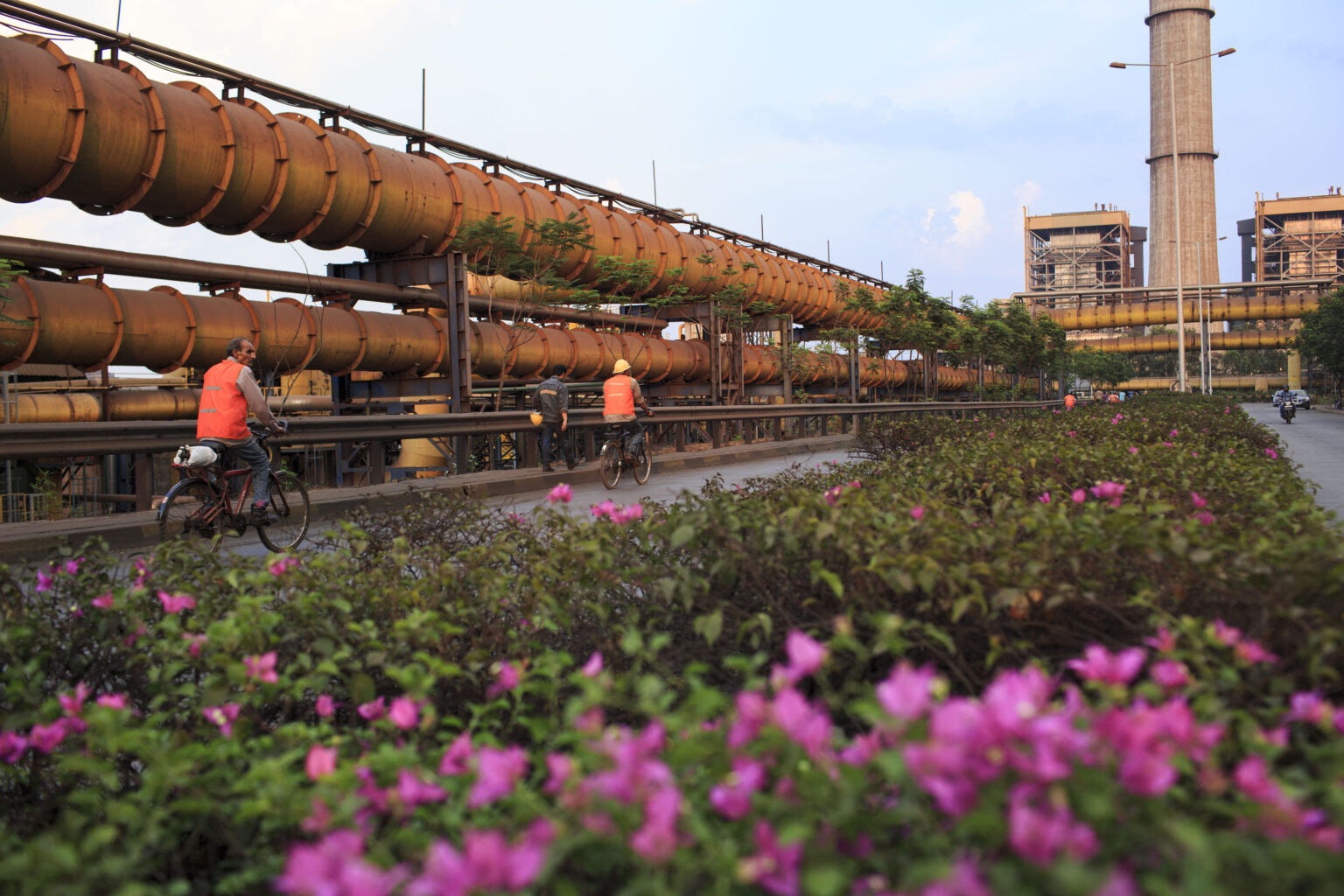
We are encouraged by the significant steps the industry is already taking to protect nature. At an operational level, steel companies are developing biodiversity plans, aiming to minimise negative impacts on biodiversity and to restore sites no longer used. Some are investing in reforestation and habitat restoration projects locally to offset residual impacts on biodiversity, and are seeking to reduce their supply chain impacts through the sustainable sourcing of raw and recycled materials.
As companies invest in reducing their carbon emissions and transitioning to more sustainable energy sources, this also brings positive benefits for biodiversity. In addition, we’ve seen how some are engaging in sectoral and company-specific partnerships, to share good practice and create consistency across the industry.
Achieving our 2030 ambitions for nature: what next for the steel industry and biodiversity?
If the steel industry is to build on this progress and continue to push boundaries, companies need to further integrate biodiversity into core business practices, and commit to becoming nature positive. Companies need to go beyond mitigation and identify opportunities to invest in habitat restoration where mining has caused damage, and to support conservation initiatives in regions of high biodiversity value. Importantly, companies must be transparent about their impact on biodiversity and support progress towards conservation goals.
If we are to spearhead the transformational change so urgently needed, companies should use their influence to engage and educate employees, customers and other stakeholders on the importance of protecting and restoring nature and the role they can play.
If we are to reverse nature loss at the scale and pace needed, progress should be underpinned by collaboration – with other businesses, government, civil society and local communities – to exchange knowledge and identify solutions to our shared challenges.
By Anne-Sophie Pellier, Senior Programme Manager in Corporate Sustainability, Fauna & Flora
Anne-Sophie Pellier works in partnership with businesses to bring about positive change for biodiversity, providing them with best practices for avoiding and mitigating their impact on nature’s assets. She has worked in biodiversity conservation and sustainable development for local communities for 13 years in Southeast Asia, Latin America and Europe, during which she developed her expertise on ecosystem services and natural capital. She joined the ResponsibleSteel Board in 2022.
New ResponsibleSteel 'meet the expert' webinar series
We're delighted to invite members to the first two in a new series of ResponsibleSteel’s ‘Meet the Expert’ webinars.
Our series will kickoff on Friday, May 26th with a deep dive briefing by the International Energy Agency (IEA) industrial decarbonisation team on the latest IEA report to the G7 on ‘Emissions Measurements and Data Collection for a Net Zero Steel Industry.’
Webinar: Emissions Measurements and Data Collection for a Net Zero Steel Industry
Date: Friday, May 26th
Time: 7:30 EDT (NYC)/ 12.30 BST (London) / 20:30 JST (Tokyo) / 21:30 AEST (Melbourne)
In addition, the World Steel Association (worldsteel) will share their plans to review their own CO2 methodology, and ResponsibleSteel CEO Annie Heaton will outline ResponsibleSteel’s work on furthering GHG alignment as part of the Steel Breakthrough Agenda.
This webinar will be an exclusive opportunity for ResponsibleSteel members to hear from the IEA, worldsteel, and ResponsibleSteel on building a robust, globally aligned framework for measuring progress towards a net zero steel industry.
Our second member-only webinar on Tuesday, May 30th in partnership with the International Labour Organization (ILO), will explore labour standards in the steel industry, particularly the implementation of the ResponsibleSteel International Standard across different labour contexts.
Webinar: Labour Rights and the ResponsibleSteel International Standard
Date: Tuesday, May 30th
Time: 8:00 EDT / 1:00 BST / 14:00 CEST / 17:30 IST / 21:00 JST / 22:00AEST
Representatives from ArcelorMittal Brazil and Borçelik will also join to discuss potential challenges to implementing the Standard which is based on the ILO Core Conventions.
This webinar will be an exclusive opportunity for ResponsibleSteel members to hear from the ILO, ResponsibleSteel and two ResponsibleSteel members on the importance of ensuring robust labour standards in the industry and the role the ResponsibleSteel Standard plays in this.
Both webinars will include Q&A sessions following the speaker presentations and ample opportunity for a broad and dynamic discussion with members.
If you are interested in participating please contact us.
Working together to ensure the health and safety of workers in an evolving steel industry
Industrial processes can be inherently hazardous, and when accidents or work-related illnesses occur they can have serious consequences. Consequently, the first priority of any steel site should be the health and safety of workers. That is why Occupational Health and Safety is a crucial component of the ResponsibleSteel International Standard. Patrick Correa, Director for Base Metals and Mechanical Engineering for IndustriALL Global Union, discusses how we must work together to continue to ensure the health and safety of workers in an evolving industry.
The Global Day for Safety and Health at Work is an opportunity to raise awareness about the importance of workplace safety and health for employees across all industries, not least in the steel sector, where workers face a variety of hazards and risks.
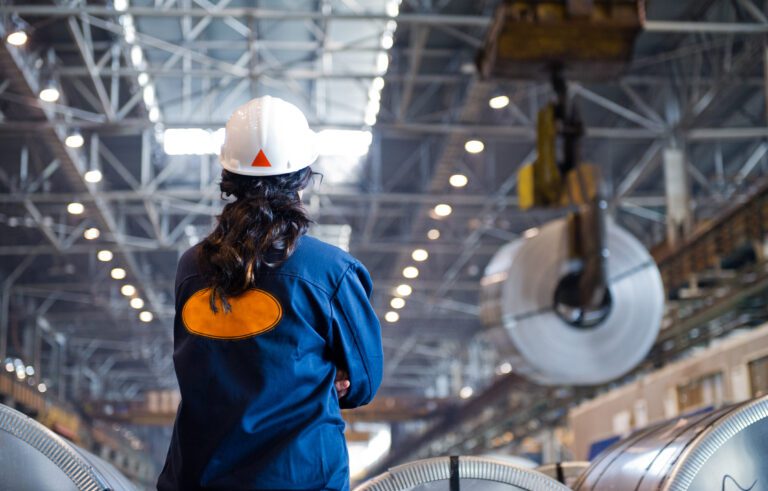
Steel production is a complex and demanding process that involves exposure to high temperatures, heavy machinery, hazardous chemicals, and other physical and environmental hazards. Steelworkers face a range of potential health and safety risks, including burns, cuts, respiratory problems, hearing loss, and more.
To address these risks and promote a safe and healthy workplace for all, robust occupational health and safety (OHS) measures are essential. This can include implementing safety protocols and guidelines, providing training and education on workplace hazards, conducting regular safety inspections, and ensuring workers have access to appropriate personal protective equipment (PPE).
Unions play a key role in advocating for health and safety. By joining a union, workers can leverage collective bargaining power to negotiate for safer working conditions, better PPE, and other crucial protections.
But despite improved OHS in the sector, increasing automation, changing job requirements, evolving health and safety risks and a lack of investments from companies to ensure adequate OHS policies and resources, pose new challenges.
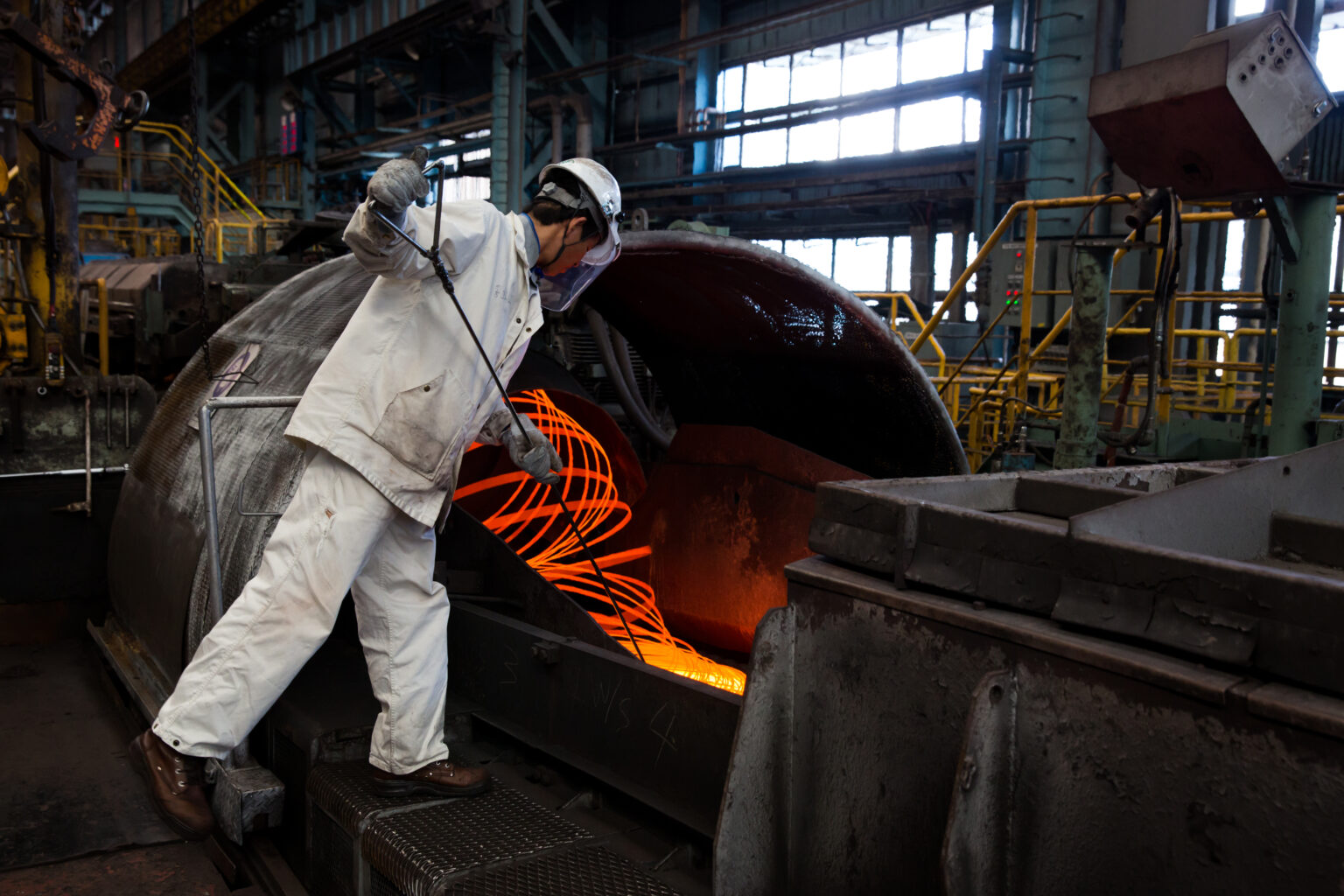
As more tasks become automated, the nature of steelworkers’ jobs will change and with that, the risks and hazards they face. Unions and employers must work together to identify and address emerging OHS concerns, like potential risks associated with robotic machinery.
As our understanding of workplace hazards and their impact on worker health and well-being continues to evolve, it is critical that OHS measures keep pace. This means that workers, unions, and employers must remain vigilant and proactive in identifying and addressing emerging risks, such as those associated with new chemicals or materials.
The Global Day for Safety and Health in the workplace is an important reminder of the critical importance of occupational health and safety in the steel sector. By promoting robust OHS measures together with the unions and addressing emerging challenges and opportunities, we can ensure a safer and healthier workplace for all steelworkers.
By Patrick Correa, Director for Base Metals and Mechanical Engineering, IndustriALL Global Union
Patrick Correa has worked in international trade unionism for 25 years, including as International Director of the CGT Métallurgie in France. He has been a member of the executive committee of IndustriALL Global Union and IndustriALL Europe and European trade union coordinator for Renault, GE Power, Engie, Nexans and Lisi. Patrick has a Master 2 degree in labour law from the University of Paris II Pantheon-Assas.
