

Strengthening climate transition planning: Revising the ResponsibleSteel Production Standard
Last year marked a decade since the signing of the Paris Agreement and six years since the launch of the ResponsibleSteel Production Standard. In that time, expectations on climate action have shifted dramatically. Global emissions continue to rise, and the 1.5°C warming threshold is now projected to be breached by 2034. To remain on a 1.5°C pathway, the Intergovernmental Panel on Climate Change (IPCC) indicates that global CO₂ emissions must fall by 45% by 2030 and reach net zero by 2050. Yet progress in the steel sector is lagging. According to the Mission Possible Partnership’s Global Project Tracker, only 9% of the required operational or committed near-zero steelmaking capacity was in place by the end of 2024.
Against a backdrop of rising global emissions and growing awareness of the consequences of inaction, ResponsibleSteel is undertaking a timely and necessary revision of its climate-related requirements, specifically criteria 10.1 (corporate commitment to the Paris Agreement), 10.2 (corporate climate-related financial disclosure), 10.5 (site-level emissions targets and planning), and 10.7.1 (GHG disclosure and reporting).
A collaborative revision process
From October to January, ResponsibleSteel convened five Working Group (WG) and Technical Advisory Group (TAG) meetings, bringing together 23 representatives from 15 member organisations across certification bodies, civil society, steelmakers, and the wider steel value chain.
As a participant from SteelWatch noted during the process, “Having a diverse group of members involved in the revision process of the standard helps to achieve a balance between what steelmakers deem feasible and where the standard needs to set the bar to trigger ambitious action. ResponsibleSteel has done well navigating and drawing on different perspectives, turning them into concrete proposals that can be submitted for the next steps of the revision process.”
Three guiding principles framed these discussions:
- Ambition: ensuring alignment with global climate goals and science-based pathways
- Feasibility: recognising real-world constraints, particularly in the near term
- Simplicity: avoiding unnecessary complexity while improving clarity and accountability
A key theme that emerged was the foundational importance of credible transition plans that move beyond aspiration and, at the same time, are grounded in realistic assumptions about technology readiness, capital investment cycles, and enabling conditions. As noted by SteelWatch, “Aligning corporate- and site-level requirements is essential in ensuring that top-level corporate ambition and targets translate into actual investment decisions today, and subsequent material transformation and emissions reductions on the ground.”
Moving beyond outdated decarbonisation roadmaps
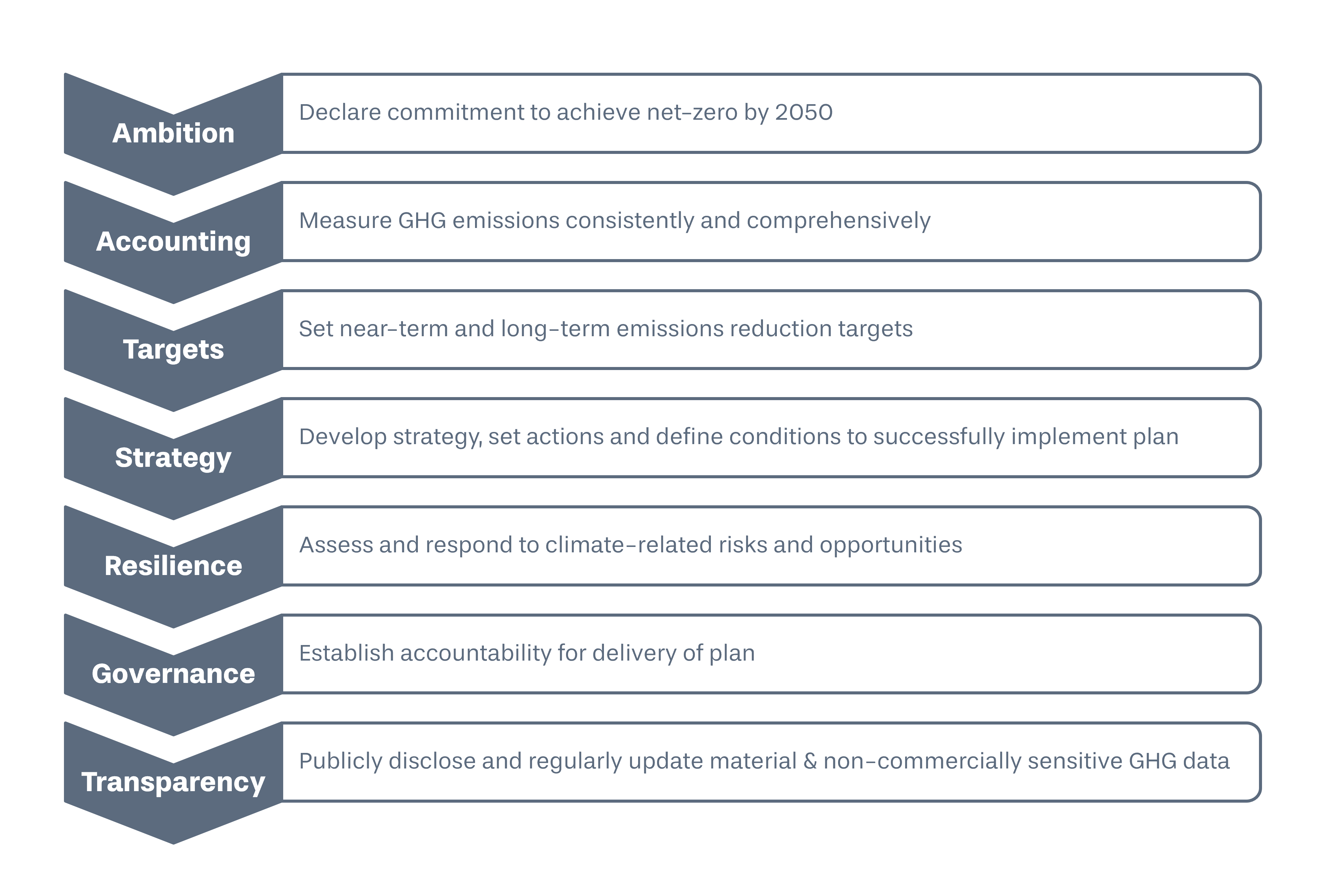
Under the current Production Standard, certified sites must demonstrate that they have a decarbonisation roadmap aligned with an existing model. However, the WG and TAG agreed that many of these models have not been updated in recent years and no longer reflect technological, economic, or policy realities. As a result, they risk undermining rather than strengthening transition planning. The revised approach moves away from a prescriptive reliance on external models and instead proposes to introduce an explicit requirement for a climate transition plan at the corporate and site level.
A participant from EMSTEEL, a ResponsibleSteel member and certified site, commented, “Revising the ResponsibleSteel Standard is an important step in strengthening the steel sector’s collective transition journey. The process provides members with a valuable opportunity to contribute practical insights, share operational experience, and help shape a standard that is both ambitious and implementable. ResponsibleSteel has done an excellent job in creating an inclusive and transparent revision process, encouraging constructive dialogue among members and ensuring diverse industry perspectives are reflected in the development of a stronger and more credible framework.”

What’s proposed to change in the Production Standard?
The proposed revisions strengthen and connect key elements of Principle 10, with a clearer and more coherent architecture across corporate and site levels.
Key improvements include:
- Quantitative, time-bound emissions reduction targets, covering Scope 1 and 2 emissions and material Scope 3 emissions
- Stronger links between corporate- and site-level planning, ensuring that corporate ambition translates into real investment decisions and on-the-ground transformation
- Improved intensity-based disclosures to support comparability, directly aligned with ResponsibleSteel’s broader harmonisation work
- Alignment with leading frameworks, such as IFRS S2 (International Financial Reporting Standards), while retaining flexibility for different regional and operating contexts
- Clearer guardrails for credibility, moving beyond temperature labels alone
There was strong agreement across the WG that clearer wording and guidance are essential to support consistent interpretation and implementation by sites and auditors alike.
Connecting the dots between the Production Standard’s criteria
One of the most important outcomes of the revision process so far has been a clearer set of connections between criteria that, while related, have not previously been well integrated.
In the current Production Standard:
- Corporate transition planning (10.1) is weakly connected to climate-related financial disclosures (10.2)
- Site-level transition planning (10.5) is not sufficiently aligned with corporate-level strategies
- Public GHG emissions disclosure requirements (10.7.1) are limited, focusing mainly on a site’s medium-term reduction target
The proposed changes aim to address these gaps by:
- Requiring climate transition plans to include climate-related financial risks and opportunities, including dependencies that may impose structural barriers, planned changes to business models and strategy;
- Aligning corporate- and site-level planning approaches to reduce carbon leakage risks and ensure consistency across operating boundaries; and
- Strengthening public disclosure requirements to better support accountability, comparability, and progress tracking over time.
Flexibility, credibility, and the reality of steelmaking
The WG and TAG discussions also surfaced a shared understanding of the structural barriers currently slowing decarbonisation in the steel industry. These include:
- Limited technology maturity at scale
- Supply chain and infrastructure constraints
- Energy availability and cost
- Inconsistent or insufficient policy support
- Weak demand signals for low-emission steel
- Trade and competitiveness pressures
Given the long investment timelines and asset lifetimes involved, feasibility in the near term is particularly critical. As such, there was strong support for a flexible, disclosure-driven approach that pairs quantitative targets with qualitative indicators of progress, allowing ResponsibleSteel to uphold high ambition and transparency while recognising that steelmakers cannot address systemic barriers alone.
As ResponsibleSteel’s Decarbonisation Analyst, Melav Salih observed, “A robust climate transition plan must embed decarbonisation within broader strategic and financial planning. It needs to recognise that steelmakers’ transition pathways are shaped by long-lived assets, billion-dollar investment decisions, and dependencies on an ecosystem of change that includes energy systems, infrastructure, policy, and markets.”
Looking ahead
As the Paris Agreement enters its second decade, and as legal, financial, and societal expectations on climate accountability intensify, ResponsibleSteel’s role as a credible, independent standard for the steel industry has never been more important.
By strengthening climate transition planning across corporate strategy, site-level action, financial disclosure, and public reporting, revisions to the Production Standard aim to support steelmakers in navigating this transition transparently and at pace.
Together with parallel work on harmonisation and disclosure alignment, the revisions to climate transition planning requirements represent a critical step toward turning climate commitments into credible, comparable, and feasible transition pathways for the global steel industry.
Learn more about the revision of ResponsibleSteel’s International Production Standard here.

Reflections from China: ResponsibleSteel's CEO Annie Heaton discusses building interoperability across global standards
Interoperability: Building a bridge between global standards
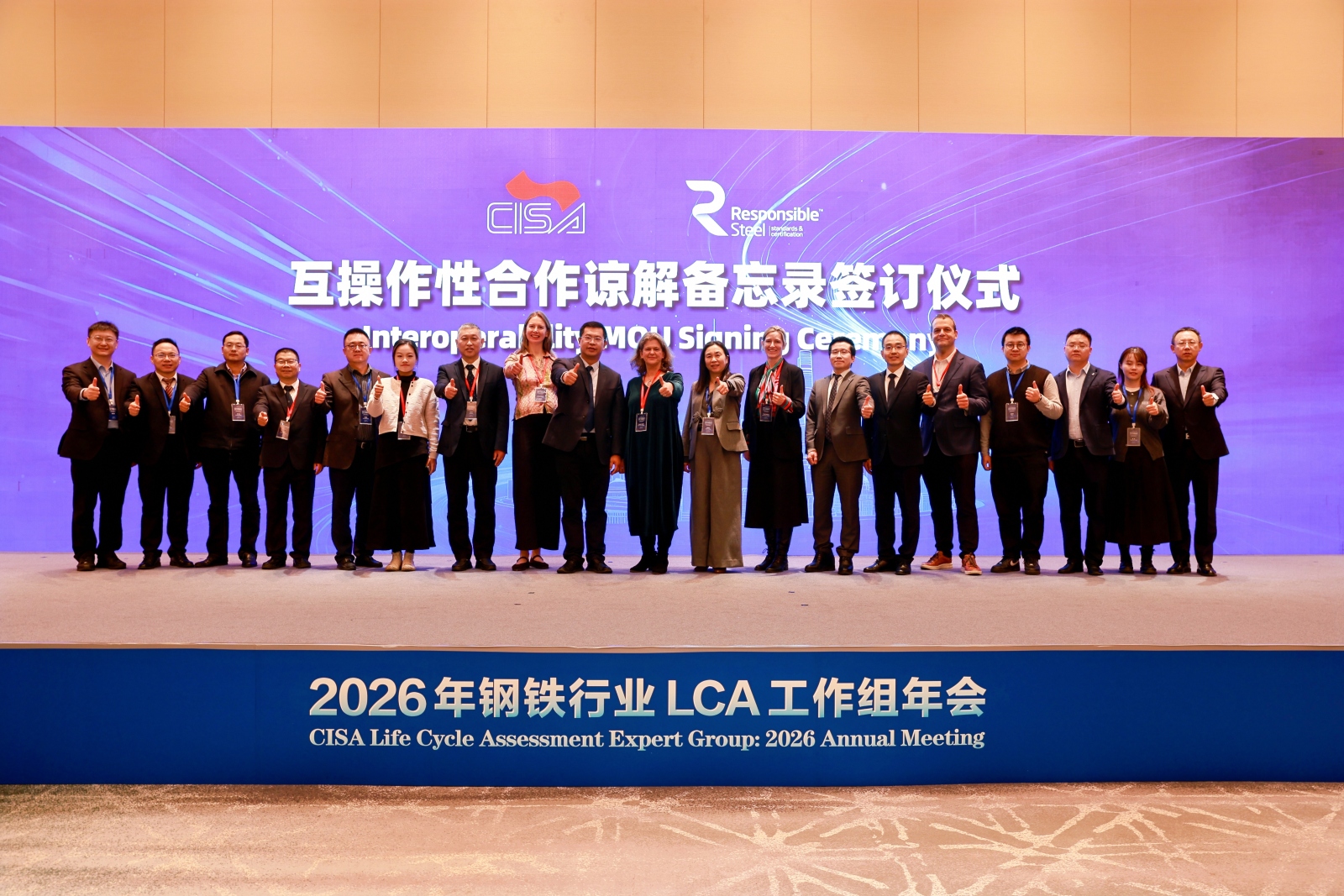
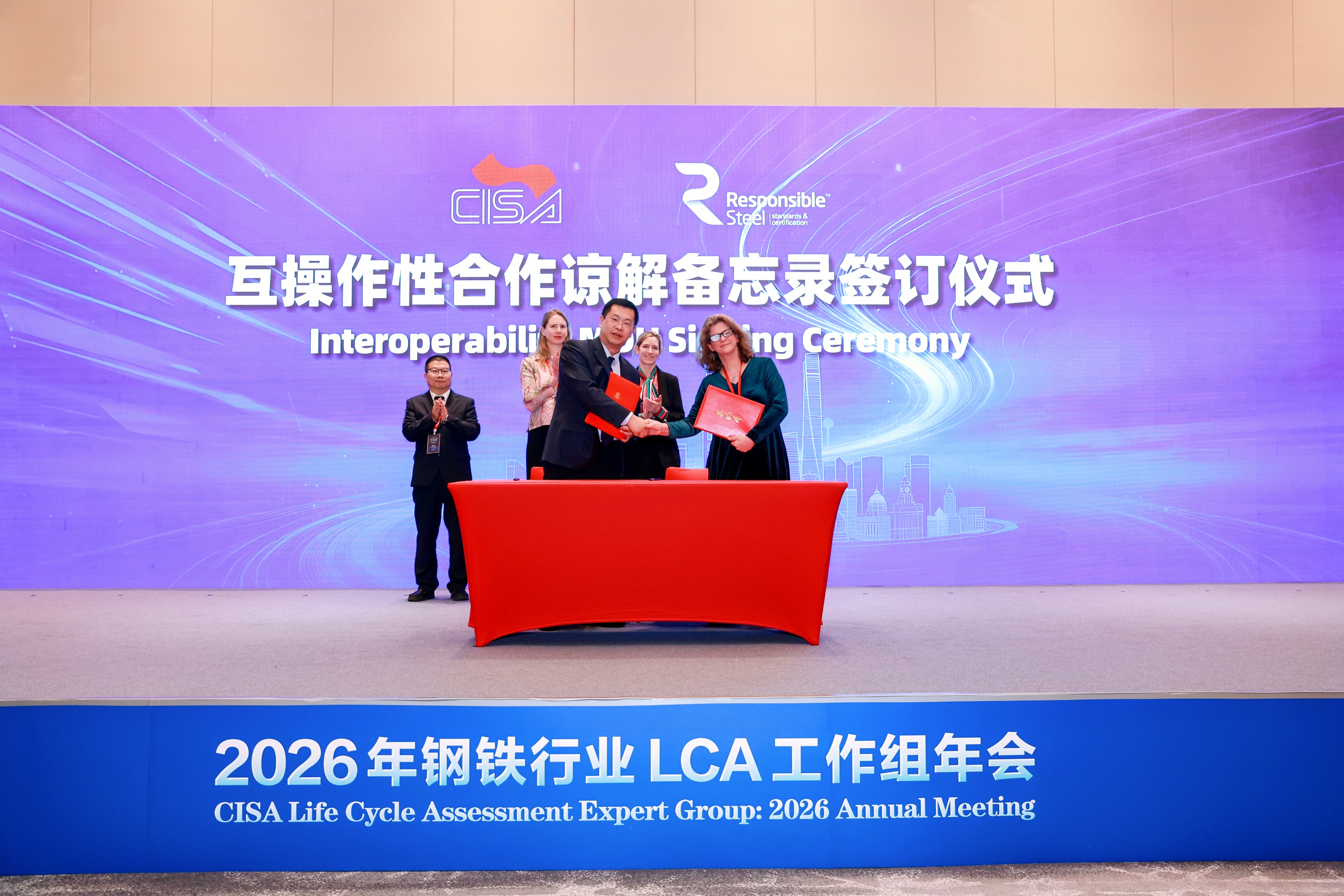
ResponsibleSteel's quest for a coherent market for decarbonised steel in 2026 got off to a constructive start this month. Following the announcement of our landmark agreements with the Chinese Iron and Steel Association (CISA) and the Low Emission Steel Standard (LESS) at COP30, ResponsibleSteel was in China in January to kick off our work on interoperability with CISA. This work in China complements our parallel project with Brussels-based LESS.
The goal? To build trusted data and claims on decarbonisation.
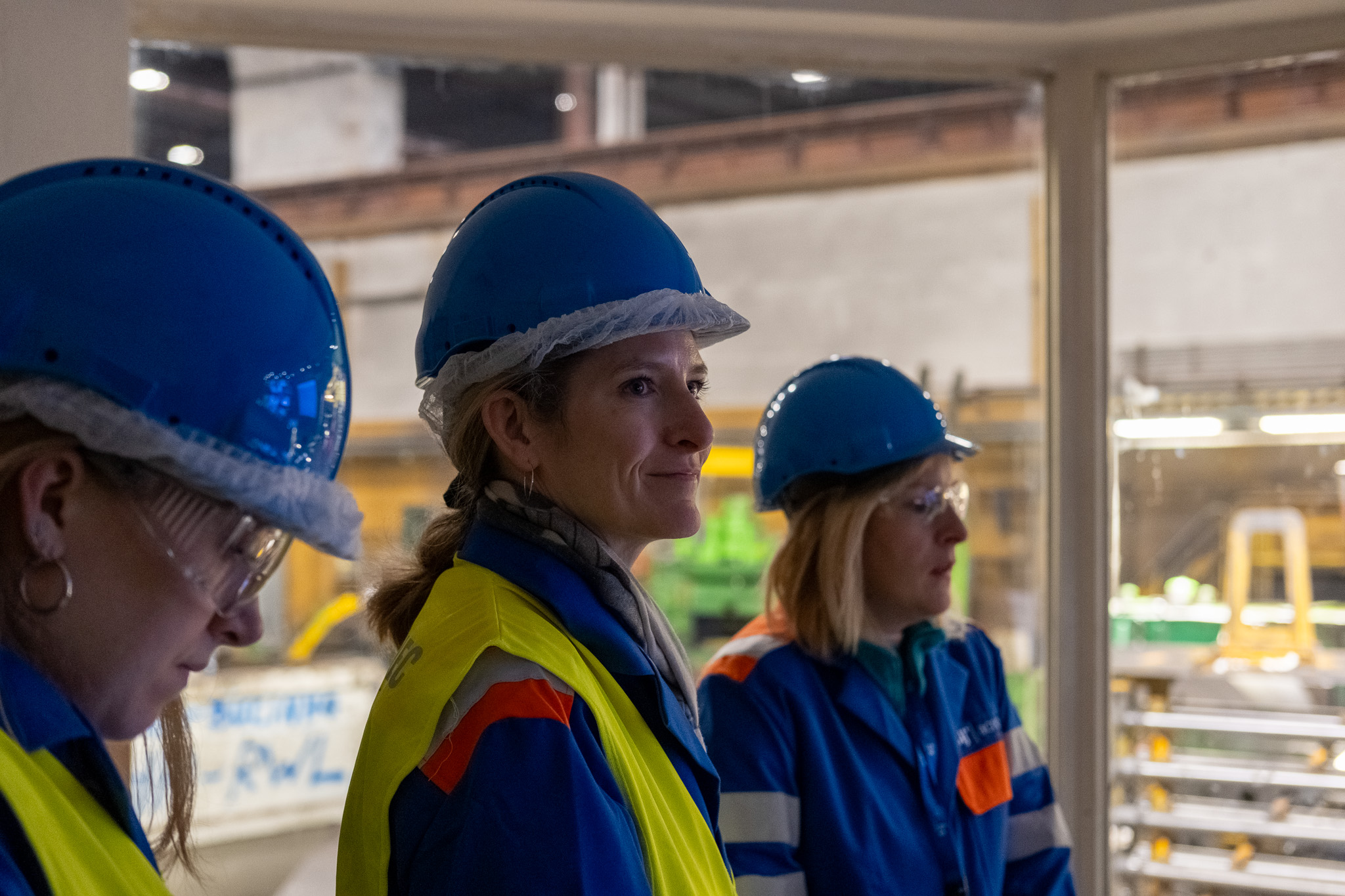
During our trip, our Director of Programmes, Amy Jackson, our Decarbonisation Lead, Alli Devlin, and myself had the opportunity to:
- Present to the Chinese steel value chain our C2F (China's low-carbon emission steel standard) interoperability MoU at CISA's annual LCA conference.
- Connect with our Chinese members, including SKF, World Resources Institute (WRI), Climate Group, VAMA (Valin ArcelorMittal Automotive JV), Penglai Dajin, and some of our certification bodies working in China, including Afnor and China Quality Certification Centre (CQC).
- Get to work on our C2F-ResponsibleSteel Interoperability Project, structuring the discussions around our Framework for Credible Interoperability.
- Visit the 15mtpa Zhanjiang steel plant, where a new DRI-EAF line was launched in Dec 2025. This has involved the production to date of iron reduced with hydrogen in a 1mtpa DRI plant. Whilst this is currently produced from refined coke oven gas, the project is a hugely significant demonstration of the potential to produce hydrogen-based DRI at an industrial scale.
.jpg)
What do ResponsibleSteel's interoperability projects look like in practice?
In short, interoperability means measuring emissions using rules that are as aligned as possible, and recognising the differences, to enable comparison on a like-for-like basis. Imagine the benefit this would bring for anyone wanting to distinguish what good looks like, for example, procurement teams, investors, and policymakers.
But making interoperability work in practice requires a lot more if we want a reliable, credible and sustainable system that generates high-quality, comparable data.
We've outlined the key components of this in our Framework for Credible Interoperability, which will inform both our work with LESS and CISA:
- Aligned GHG accounting rules
- A reliable calculation tool
- A robust assurance mechanism
- Credible claims protocols
- Good governance, oversight and resourcing
- Appropriate data management
- Strong operations management systems
This is how markets are built: first with innovation, then with the necessary rules and systems that enable good information to flow – so that steel buyers can understand, investors can evaluate, and steelmakers can compete, based on emissions performance that everyone can trust.


A Year of Transformation: Reflections From Our CEO
In a year defined by developments that pose serious threats to global stability, both geopolitically and for our climate, many are wondering what we have achieved towards a sustainable future in 2024.
It is tempting to despair as progress on decarbonisation appears stalled, economic conditions render projects less feasible and our political leaders appear distracted. And yet I see many signs that we are building unstoppable momentum towards a transformed industry that can withstand these challenges.
There are change-makers amongst us that are showing resolve, energy and creativity to build the road to a sustainable future. These are the collaborators, the innovators, and the systems thinkers providing the impetus for the long-term transition.
Many, I am proud to say, are members and partners of ResponsibleSteel, who see the powerful potential of our global standards and certification system to help drive us toward a more responsible, fair, and just future. They have sought to work with us, to demonstrate their commitment through certification, and to collaborate to build coherent new systems fit for a better world.
Celebrating certification achievements
Let’s start with our members’ certification achievements. Six months after we published our first-ever Progress Report to track the impact our collective endeavour has delivered, we now have:
- Over 160 members headquartered across 36 countries,
- Over 85 sites with Core Site Certification, covering 7% of steel produced annually, both via blast furnaces (42) and electric arc furnaces (17),
- More than 236,000 workers covered by our independent audits that include extensive stakeholder interviews.
- The first site certifications in Vietnam, Canada, Slovenia, Italy, Finland and Sweden as well as new certifications in Germany, France and India.
A significant milestone
Most significantly, at Climate Week NYC we announced the world’s first ResponsibleSteel Certified Steel, achieved by U. S. Steel’s Big River Steel site in Arkansas, sending a clear message to the market: progress towards responsible ‘green steel’ is being made, and stakeholders now have a transparent, consistent and credible global system to benchmark it by.
More Certified Steel will follow, and customers that procure it will enjoy a credibility that stands out from the confusing myriad of ‘green steel’ claims. To fortify this, we consulted on our draft Chain of Custody Standard earlier this year that will forge a path to certified physical traceability and allow buyers of Certified Steel to make credible claims for the first time.
Tracking progress towards global climate goals
Tracking the progress of the global steel industry in a consistent way is vital, and our report 'Charting progress to 1.5°C through certification' demonstrated the power of the ResponsibleSteel system to benchmark this progress.
Over 25 respected experts agreed to peer review the report, which concluded that by 2030, 15% of the world’s steel needs to demonstrate real decarbonisation progress (achieving ResponsibleSteel Progress Levels 2 or 3) and 8% needs to reach near zero emissions (Progress Level 4).
More than that, every steelmaking site in the world needs to perform better than the current global average emissions intensity. In other words, today’s average steelmaker will become the industry’s worst by 2030 if they don’t start improving their operations.
Regulators, customers and investors have an important role to play here in setting the expectations of the industry and incentivising the transition. We encourage them all to reference our global benchmarks in charting their path to 1.5°C.
And yet the risk is that more frameworks for steel emerge which do not deliver comparable assessments of progress. It’s critical that we work collaboratively to create an international system of standards that are interoperable, ensuring coherence, credibility and positive impact across the board.
Building interoperability
I have been delighted this year to develop collaborations with a number of initiatives that seek to reflect ResponsibleSteel’s system of embodied GHG measurement and Decarbonisation Progress Levels within their own frameworks, either through alignment, recognition or conversion.
These are all aspects of the interoperability we need to ensure that global trade in low-emissions steel can flourish. ResponsibleSteel has been a leading voice on how to progress this with the 60+ signatories of the Steel Standards Principles and in conversation with the IEA and the Climate Club. I look forward to sharing more news with you in 2025 on how and where we are putting this into practice.
Alongside this, we are also working at the national level. In the US, ResponsibleSteel’s Progress Level 4 was identified as a benchmark for measuring and defining near-zero steel in the Modern Steel Act. In Germany, we recently welcomed the German Steel Association (WV Stahl) into membership and we continue to build relationships with associations and policymakers in India and China. As regulators at national level develop policy and definitions to incentivise decarbonisation, ResponsibleSteel can support both steelmakers and policymakers to convert their national assessments into a globally coherent and credible system. This year, interoperability became a favourite topic. Next year, we need to turn it into reality.
Looking ahead to 2025 with optimism
All this is evidence of the international ecosystem we are building to effectively support the production and trade of low-emission and near-zero steel. That’s why, amidst the growing scepticism and disappointment permeating climate discussions, I have nothing but hope for the year ahead.
I am fuelled by the enthusiasm of our members and stakeholders and their commitment to working across industry, policy, and finance to drive production of and demand for near-zero steel. I want to thank you for your continued thoughtfulness and support.
While 2024 has brought stark reminders of the climate crisis, it has also demonstrated the power of intelligent collaboration. Now is the time to identify common ground and collaborate to turn our commitments and plans into tangible outcomes. Real-world order books, financial arrangements, and large-scale technology implementation. On behalf of the ResponsibleSteel team, I want to wish you and your families much health and happiness, and a peaceful end to the year. We look forward to working with each of you as we take the next steps toward achieving our shared goals in 2025.
Best wishes,
Annie Heaton
CEO, ResponsibleSteel

November 2024 Newsletter
As we near the end of the year, we are working on a number of key projects for the organisation. Firstly, the consultation on the Production Standard has been extended to December 8th - this extension provides more time for stakeholders to provide valuable feedback.
Secondly, all members will have received the membership survey via email, offering members a fantastic opportunity to help shape the future of ResponsibleSteel. We strongly encourage all members to fill it out - it really does help us to understand what we are doing right, and what can be added or improved.
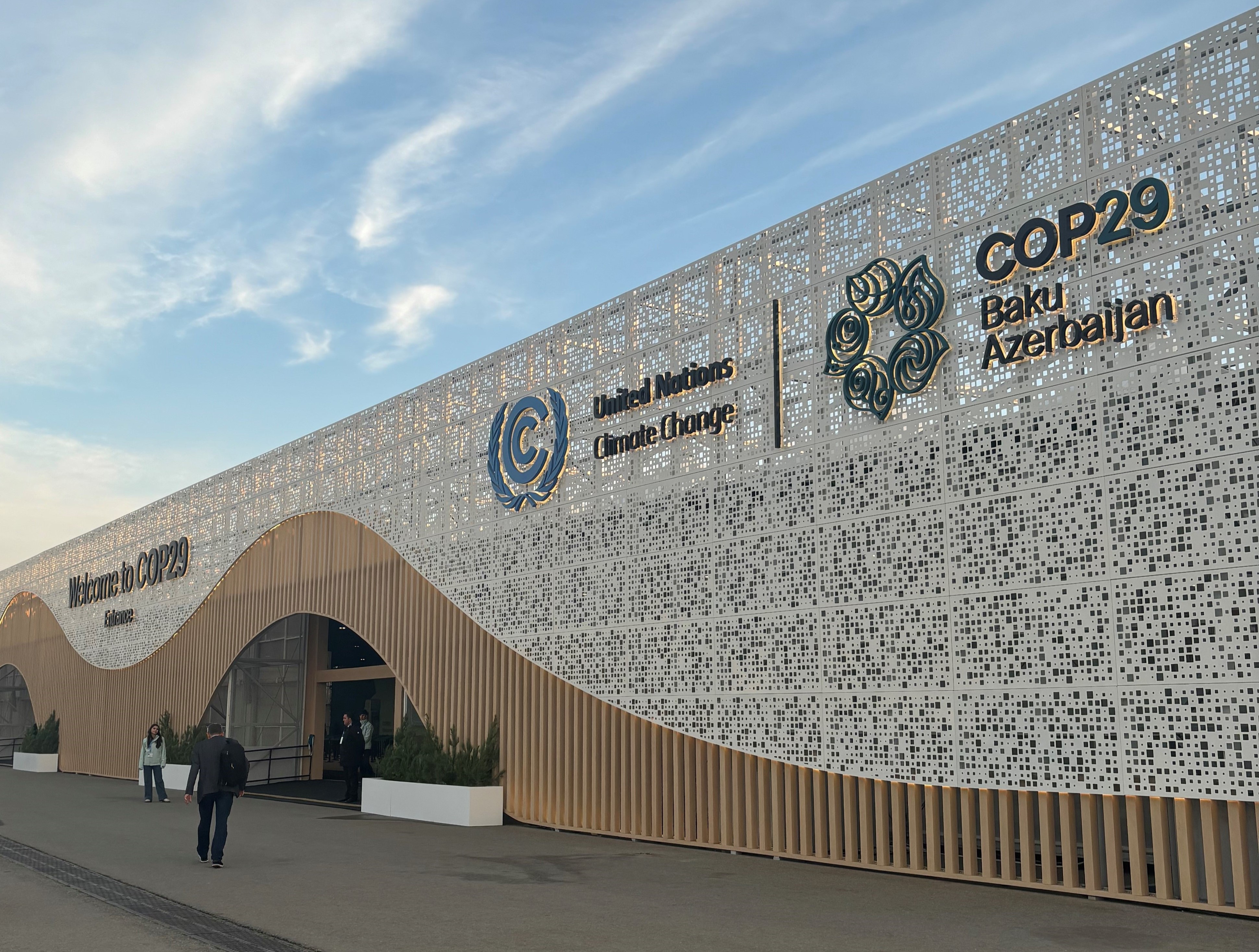
Finally, we were on the ground at COP29. Read our blog as we analyse the progress made, the challenges that remain, and the critical steps needed as we look ahead to COP30 and beyond.
In this month's newsletter, you will find key updates including:
- Membership survey
- Insights from COP29
- Production Standard consultation
- New audits and certifications
- New 2025 membership fees
- And more...
Click here to view ResponsibleSteel's November 2024 newsletter.
ArcelorMittal Construction achieves Core Site Certification
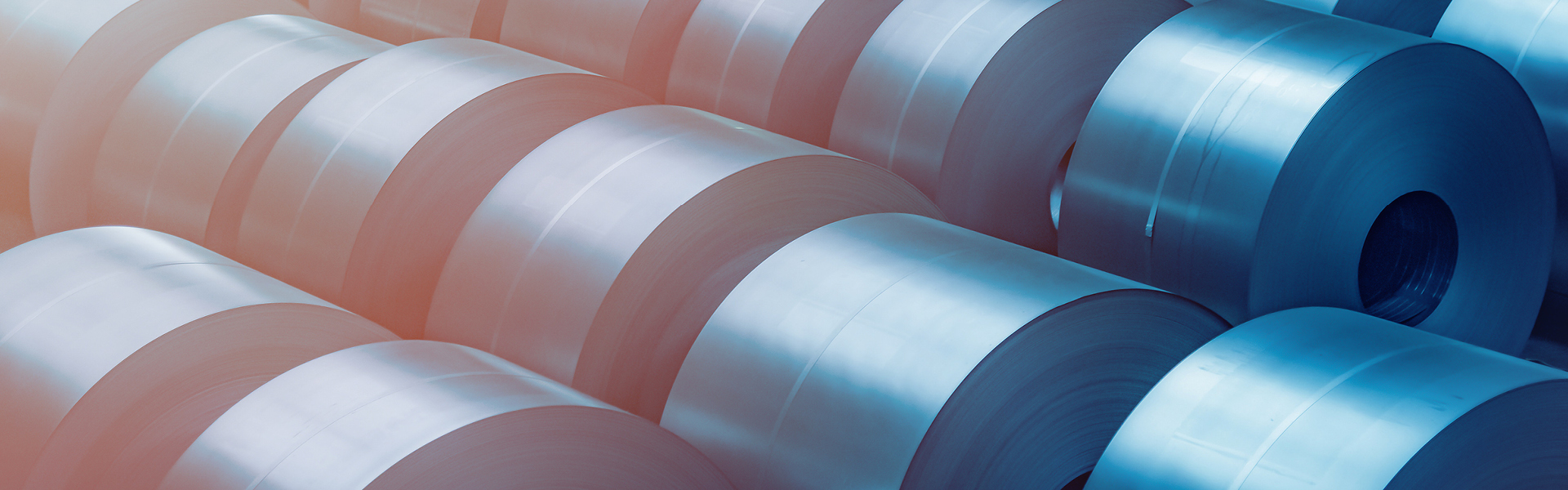
We are delighted to announce that ArcelorMittal's coil coating plant in Contrisson has been awarded ResponsibleSteel Core Site Certification, underscoring the site's holistic commitment to sustainability and the company's continued progress towards certifying all of its European operations.
ResponsibleSteel certification rigorously assesses the responsibility of steel production. Core Site Certification encompasses over 300 stringent requirements, meticulously verified through an international audit process conducted by trained third-party auditors. The certification adopts a holistic approach, covering key areas such as effective management of water and waste, ensuring health and safety at work, and protecting biodiversity.
The certification also requires a commitment to reducing emissions according to a Paris-aligned pathway, which reinforces ArcelorMittal Construction's C5 Green Commitment, a 5-stage plan that sets out the steps the company is taking to implement sustainable practices and be carbon neutral by 2050.
Jana Meisser, Head of ESG at ArcelorMittal Construction commented: “We’re delighted that ArcelorMittal Construction Contrisson plant located in France has achieved site certification against the ResponsibleSteel International Production Standard. This success underlines our continued dedication to show leadership in responsible production techniques and high ethical standards.”
The site was acquired by Arcelor in 2002 but has a history in steel and iron stretching back hundreds of years. Today the site produces around 300,000 tonnes annually, specialising in the manufacture of continuously rolled, galvanized and pre-painted sheets.
The audit demonstrated the positive relationships the site has built with local stakeholders, strong safety and environment management systems, a well-structured roadmap for the reduction of GHG emissions, and plans to improve the water management policy to name a few.
View the certificate and read the public summary here.
COP29: What has been achieved?
It’s no secret that this year’s COP, dubbed ‘the finance COP’, is leaving many walking away disappointed. COP29 has been plagued by accusations around regression on the agreement to phase out fossil fuels and tensions over closing the financial gap needed for developing countries. The final agreement to supply developing countries with “at least $300 billion” a year is a far cry from the $1.3 trillion goal needed.
So what progress has been achieved? And as we look to COP30, what steps need to be taken to accelerate progress?
The finance question at COP now goes far beyond the requirements under the UNFCCC mechanism for Developed Country Parties to provide and mobilise climate finance for developing countries. Private sources of finance may often be leveraged through government commitments. Whether these can compensate for the slow momentum from developed countries remains a source of great anxiety for developing countries.
More than 500 projects aimed at producing near-zero materials and fuels according to Mission Possible Partnership’s Tracker are awaiting deals for finance across both developed and developing countries. 52 of the announced projects are steel, and only 6 of these have reached a final investment decision.
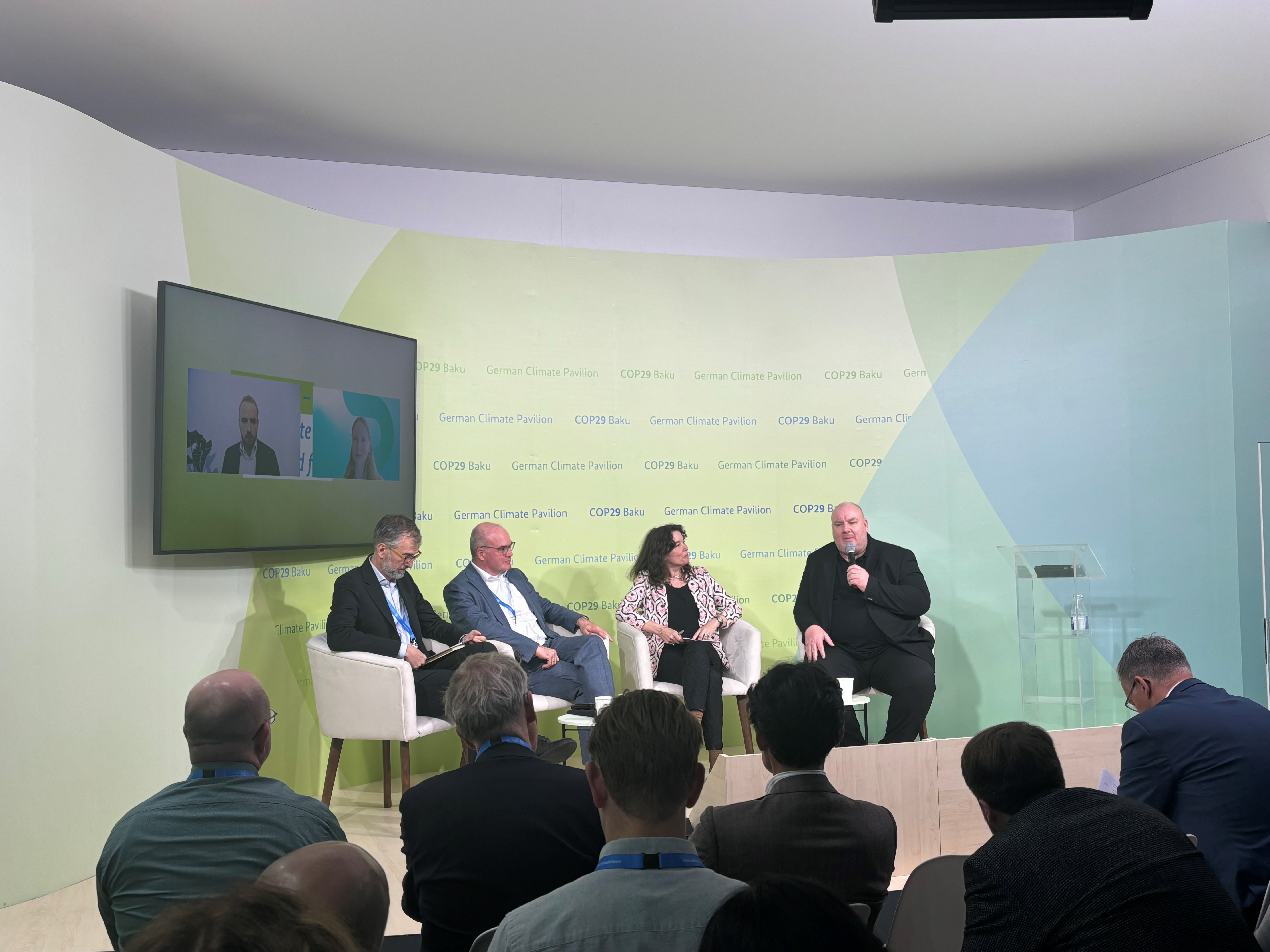
In Baku, whilst progress on committed finance was disappointing, it felt that collaboration among non-state actor initiatives is beginning to drive a focus on the conditions that will make FIDs in near-zero industry projects possible - carbon pricing mechanisms, the creation of markets and trade in lower emissions steel, and alignment across the standards and carbon accounting mechanisms needed to underpin these.
Financing and technical support for developing countries
The need for technical and financial support for developing economies in this regard is clear. This is after all where the lion’s share of materials demand growth is likely to come, and where the infrastructure for the transition may be most lacking. Here, some headway is already being made.
Earlier this year at the Clean Energy Ministerial in Brazil, the Climate Investment Funds launched a call for expressions of interest for its Industry Decarbonisation investment programme which aims to support low-emission pathways in developing countries for industries such as steel, cement, glass, aluminium and textiles. Up to $1 billion in funding is anticipated to support these projects.
At COP29, one of the biggest wins for heavy industry was the launch of the Climate Club’s Global Matchmaking Platform. First announced last year in Dubai, the Platform is designed to support the heavy industry transition toward net zero. By leveraging international cooperation, the platform aims to match industry players in developing and emerging economies with financers, technology and expertise to create tailored decarbonisation solutions.
Creating market mechanisms
To pave the way for such projects to be viable to mainstream finance, sustainable market policies that provide certainty for long-term investments are urgently needed. In Baku, the momentum on this took a step forward with a letter to governments led by the Industrial Transition Accelerator (ITA) calling on them to create demand for lower emissions materials. The letter was co-signed by over 50 companies and coalitions, including ResponsibleSteel, and a network of more than 700 financial institutions. Importantly, it brought together both private and public sector initiatives, including SteelZero, the First Movers Coalition and the Industrial Deep Decarbonisation Initiative (IDDI).
Some practical tools for policymakers launched in Baku were a welcome addition to the landscape – a Green Demand Policy Playbook from the ITA and with WBCSD, a Green Purchase Toolkit. These provide the start of an innovative school of public policy that is urgently needed to ensure that lower-emissions materials are soon more competitive than their high-emitting relatives.
Driving green public procurement
On the procurement side, pressure is ramping up on governments to make public procurement commitments for lower-emission materials. The IDDI, the First Mover’s Coalition, and the Net Zero Government Initiative all came together to launch a joint statement in Baku calling on governments to increase demand signals through procurement.
The United Nations Industrial Development Organisation (UNIDO) and the IDDI also presented their latest report, "The Scale and Impact of Green Public Procurement of Steel and Cement in Canada, Germany, the UK, and the US." According to the research, implementing policies in line with the IDDI’s Green Public Procurement Pledge Level 3 in these four countries alone could reduce emissions from steel procurement by 81% by 2050. It’s a powerful indication of how governments can leverage their purchasing power to drive industry decarbonisation and help create a market for lower-emission steel.
Underpinning this, IDDI launched its Green Public Procurement Guide series on assessing jurisdictional readiness for procuring low-emission materials, disclosure requirements to support market readiness, and setting commitments, highlighting ResponsibleSteel as a useful framework to meet Pledge Level 3. The Guide offers practical guidance to help governments take actionable steps to incorporate commitments to purchase low-carbon steel and concrete for construction projects into public procurement practices.
Harmonising standards
Finally, as more standards for steel continue to emerge, everyone can agree on the need for harmonisation, or at the very least interoperability, across these different standards to reduce trade friction and facilitate investment. Anything less will only serve as a roadblock to achieving net zero, a sentiment that was frequently shared during discussions in Baku.
The Steel Standards Principles launched in Dubai at COP28 are playing a critical role in driving alignment across definitions for near-zero steel and ensuring interoperability across GHG measurement methodologies. ResponsibleSteel has played an active role over the last 12 months to help establish the foundations for harmonisation and interoperability. Over 60 organisations have now endorsed the Principles and released a statement at COP29 setting the following objectives for 2025:
• Establishing a common boundary for emissions reporting across the steel value chain
• Enhancing data quality and transparency
• Developing common terminology across standards and initiatives
• Increasing stakeholder engagement globally
As part of this work, the World Steel Association has produced a methodology mapping examining similarities and differences in more than 40 criteria across around 80 standards and initiatives, including ResponsibleSteel. This mapping will be a valuable resource for identifying opportunities for harmonisation and improving transparency in the industry, something ResponsibleSteel is committed to doing.
Looking ahead
2025 will mark the 10th Anniversary of the Paris Agreement and COP30 is already shaping up to be the most critical COP since 2015. Accelerating progress on critical issues such as protecting biodiversity and ensuring a just transition will likely have a key role in discussions and there is already pressure on governments to move up their net zero targets.
It’s clear we’re still a long way from where we need to be, within the steel industry and beyond. ResponsibleSteel’s Charting Progress to 1.5°C report concludes that some 8% of the steel industry needs to be produced by near-zero transition projects by 2030 (i.e. reaching our Decarbonisation Progress Level 4). MPP’s Tracker suggests only 6 projects are currently financed. We need to close this gap. We must also avoid relying on these select near-zero projects alone. At least 15% of steel needs to be produced by lower emissions steel plants by 2030 (our Progress Levels 2 and 3) and 100% needs to be where the average of the industry is today (Progress Level 1).
As governments finalise their NDCs for COP30, they need to consider how to send a serious signal to the market that by 2050 only near-zero steel will be acceptable, and devise the mechanisms and the milestones to drive progress towards that goal.
By Savannah Hayes, Communications Manager, ResponsibleSteel
Certification is key to ensuring that steel doesn’t cost the Earth
In today’s unpredictable world, one constant remains: the challenge of climate change. And at its centre sits the energy challenge.
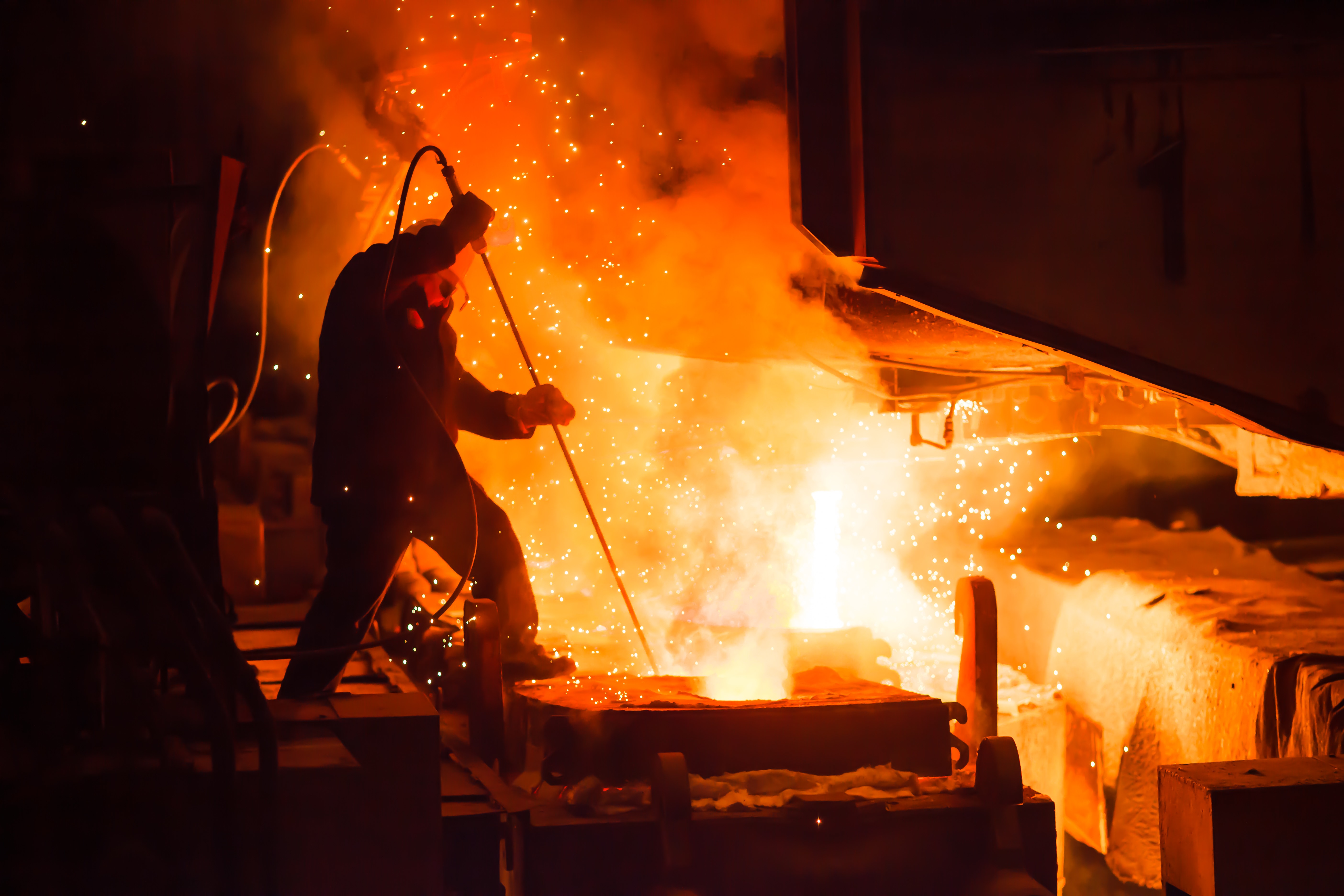
We might think of this as the race to convert our power grids to wind and solar, and ensure our future cities, industries and transport rely on clean energy systems. But equally, the foundations of this transformation lie in the very materials these things will be made from: steel, concrete, glass and aluminium. These are the energy-hungry lions – and steel is among the hungriest. It alone makes up 10% of the world’s energy-based greenhouse gas (GHG) emissions. If steel were a country, it would be the fourth-largest emitting nation.
Which means steel producers and consumers alike are under pressure to decarbonise, at speed and at scale. The International Energy Agency (IEA) calculates that the industry needs to reduce its emissions by 90% across the board if it’s to stay on track for 1.5 degrees.
ResponsibleSteel CEO Annie Heaton and Climate Group CEO Helen Clarkson write for Reuters on how certification against an international standard is key to driving steel industry progress toward net zero. Read the full op-ed here.
What does a just transition look like? Exploring the role of standards in steel and mining to drive a responsible transition
Decarbonisation will radically reshape heavy industries, generating technological, geographical, economic, and social changes. For example, shifting from coal-based processes to green technologies like hydrogen and electrification could have profound financial and logistical implications—increased manufacturing costs, new input materials, stranded assets, production relocation, and more.
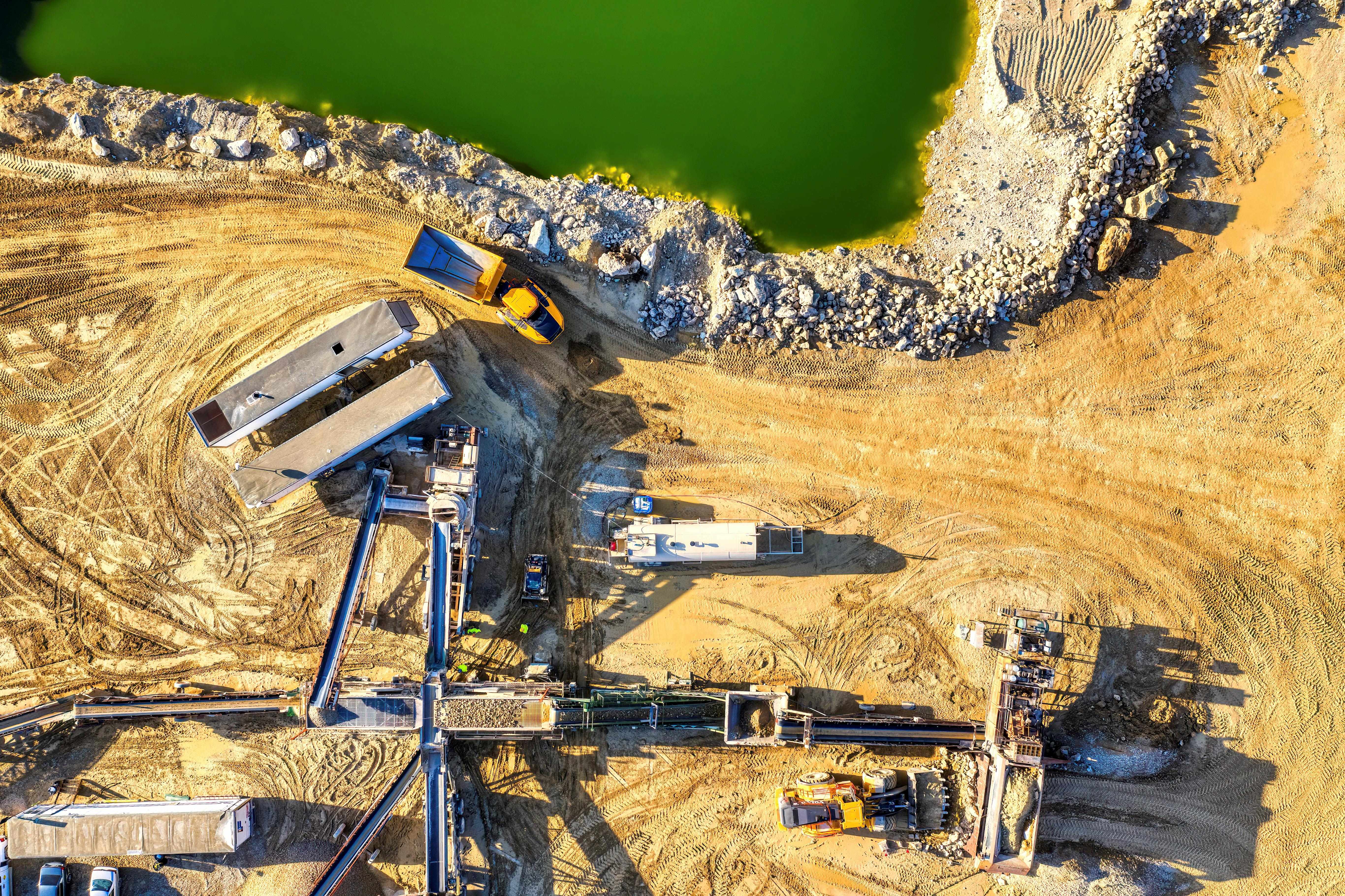
Significantly, decarbonisation could also have adverse social impacts such as causing job loss or displacement and weakening the economic viability of affected communities. ResponsibleSteel and the Initiative for Responsible Mining Assurance (IRMA) have launched a joint project to better understand the social impacts of the net-zero transition and how standards can help guide good practice. The project focuses on steel and mining as two examples of hard-to-abate sectors in the metals industry which are deeply connected. This project is possible thanks to a grant from the ISEAL Innovations Fund, which is supported by the Swiss State Secretariat for Economic Affairs SECO.
The project aims to:
1. Identify the role standards can play toward a socially responsible transition.
2. Establish an agreed approach, framework or set of principles to take forward.
The first stage of the project involves in-depth research to answer key questions: What constitutes a just transition? How are the steel and mining sectors already working to ensure a just transition? How are existing standard systems such as ResponsibleSteel working to address issues around a just transition?
The reality of a just transition is complex, taking into consideration different geographies and site levels. This project will harness early examples of successful transitions, looking at where standards have played a valuable role and providing what is likely to be some of the first guidance on tackling this challenge. Given the varying impacts of decarbonisation across regions, IRMA and ResponsibleSteel are uniquely positioned to provide frameworks that apply to these regional contexts.
The project will identify key issues, map how international standards can address them, identify critical gaps, and signpost future work needed to address them. The findings will be tested through engagement with workers, unions, business leaders, and other key stakeholders. Ultimately, the project will identify an agreed approach for the role of standards in advancing a just transition for workers in the steel and mining sectors. The project outcome will be shared with the ISEAL community and broader stakeholders.
If you are interested in participating in the project, please contact our Standards Manager, Haruko Horii.
.jpg)
ResponsibleSteel recognises the Copper Mark as an input material programme for Progress Levels 1 to 3 of the International Production Standard
The steel sector relies heavily on mined and processed minerals as an input to production processes. To help ensure that steel companies can increasingly source minerals from responsible suppliers, ResponsibleSteel recognises input material programmes that are well placed to credibly verify the ESG performance of suppliers.
The Copper Mark is the leading assurance framework for the responsible production of Copper, Molybdenum, Nickel, and Zinc, with the latter three being important contributors to the steel value chain.
The Copper Mark submitted a self-assessment of their Risk Readiness Assessment (RRA 3.0) in December 2023 for recognition against the ResponsibleSteel International Production Standard. Following a public consultation and additional improvements, the Copper Mark is now a recognised programme for Progress Levels 1, 2 and 3 of Principle 3’s responsible sourcing requirements. It is the fourth programme to achieve recognition by ResponsibleSteel.
Annie Heaton, CEO of ResponsibleSteel commented, “A product’s sustainability goes far beyond the boundary of the site where it is produced. It’s imperative not only that steelmakers are operating responsibly but that they are also able to source input materials responsibly. That means seeking credible verification that the metals and ores they are buying come from mines subject to the same principles as they demonstrate with ResponsibleSteel. Recognising the Copper Mark as the fourth input programme under Principle 3 of our Production Standard will go a long way in supporting steelmakers looking to source zinc, molybdenum and nickel from suppliers complying with rigorous ESG standards, and we’re delighted to welcome them into the ResponsibleSteel ecosystem.”
“We welcome this recognition as it will help buyers of zinc, molybdenum and nickel materials on the journey towards Certified Steel. It marks another step in making the standards and assurance landscape collaborative and supporting continuous improvement across the supply chain”, said Michèle Brülhart, Executive Director at the Copper Mark.
Find out more about the Copper Mark here or learn more about ResponsibleSteel’s recognition process here.
October 2024 Newsletter
It's been another busy month for ResponsibleSteel! The consultation on the Production Standard is still open - and we really encourage anyone who has any feedback on this important document to take part. Our latest opinion piece with Reuters explored the crucial role of credible certification in the steel industry’s journey to responsible net zero. Dr Alli Devlin, our Senior Decarbonisation Advisor, represented us at the ICDA ESG Technical Summit in Brussels, where she shared some valuable insights on decarbonisation.
We are also happy to welcome four new members to ResponsibleSteel representing a diverse set of interests. Looking ahead, we are calling on members to join a working group on our approach to science-based target setting, and will also be working on a membership survey and interviews in the coming weeks.
In this month's newsletter, you will find key updates including:
- Our newest members
- Upcoming trainings
- Opportunities to join the team and get involved in our work
- And more!
Click here to view ResponsibleSteel's October 2024 newsletter.
Updates to the 2025 membership fee structure
ResponsibleSteel recently updated our membership fee structure to allow for a fairer reflection of company size and ensure our administrative costs are covered.
These changes were approved by the ResponsibleSteel Board of Directors in September 2024 and will take effect on January 1st, 2025
Key changes to the 2025 membership fees:
1. Revised fees for smaller members: To cover the administrative costs of collecting our membership fees, we have made revisions to the lower tier fees.
2. Introduction of new revenue tier: The lower end of the current fee structure has a steep jump-up in fees. As a result, we will introduce an additional revenue tier (from $1m to $10m).
3. ‘Non-profit’ category changes to ‘Civil Society’: The ‘Non-profit’ classification will be renamed as ‘Civil Society’ to better reflect our membership categories. Civil society membership will continue to be free of charge.
4. Trade Associations: From 2025, trade associations will be charged fees as per other Associate members, regardless of non-profit status, in keeping with other membership associations in our industry.
Members will see these changes reflected in their 2025 membership invoices that will be issued towards the end of the year. We believe these updates will ensure continued inclusivity while maintaining the financial sustainability of our programme.
View a full breakdown of ResponsibleSteel's 2025 membership fees here.
Public consultation: Review and Revision of the International Production Standard
We are pleased to announce that we are conducting a public consultation for the review and revision of the ResponsibleSteel International Production Standard v2.1. The consultation period is open for 60 days, from 1 October to 8 December 2024.
To ensure that the standard remains effective and relevant to the industry, periodic reviews and revisions are essential. This process is guided by the ResponsibleSteel Standard Development Procedure v3.0 (topic 12.1), which requires a review and revision every 5 years, in alignment with the ISEAL code.
As part of this formal consultation, we engage relevant stakeholders, including ResponsibleSteel Members, approved certification bodies, and ResponsibleSteel certificate holders to assess whether the standard requires revision, and we report the findings to the Board. Additionally, it is mandated that any approved urgent revisions be included in this regular review and revision process.
The standard consists of 13 principles, covering a wide range of sustainability topics, including ESG, GHG, and community-related topics. To guide the review and revision process, we have gathered and reviewed all relevant information and developed a public consultation document proposing the scope of the revisions to the standards.
Please find the public consultation document here.
The public consultation is open to all stakeholders, and we encourage all relevant stakeholders to participate and provide their valuable input!
Accompanying materials
September 2024 Newsletter
This has been an extraordinary month for ResponsibleSteel. Last week we were proud to announce the achievement of the first Certified Steel by U. S. Steel's Big River Steel at Climate Week NYC. This marks a major milestone for the steel industry. With the first Certified Steel on the market, we are now working with our members and stakeholders to support other steelmaking sites to follow suit and take the next step in certification, while also encouraging steel buyers to promote uptake of Certified Steel.
In this month's newsletter, you will find key updates including:
- The first Certified Steel
- Our newest members
- Upcoming events and trainings
- New opportunities to join the board and team
- And more!
Click here to view ResponsibleSteel's September 2024 newsletter.
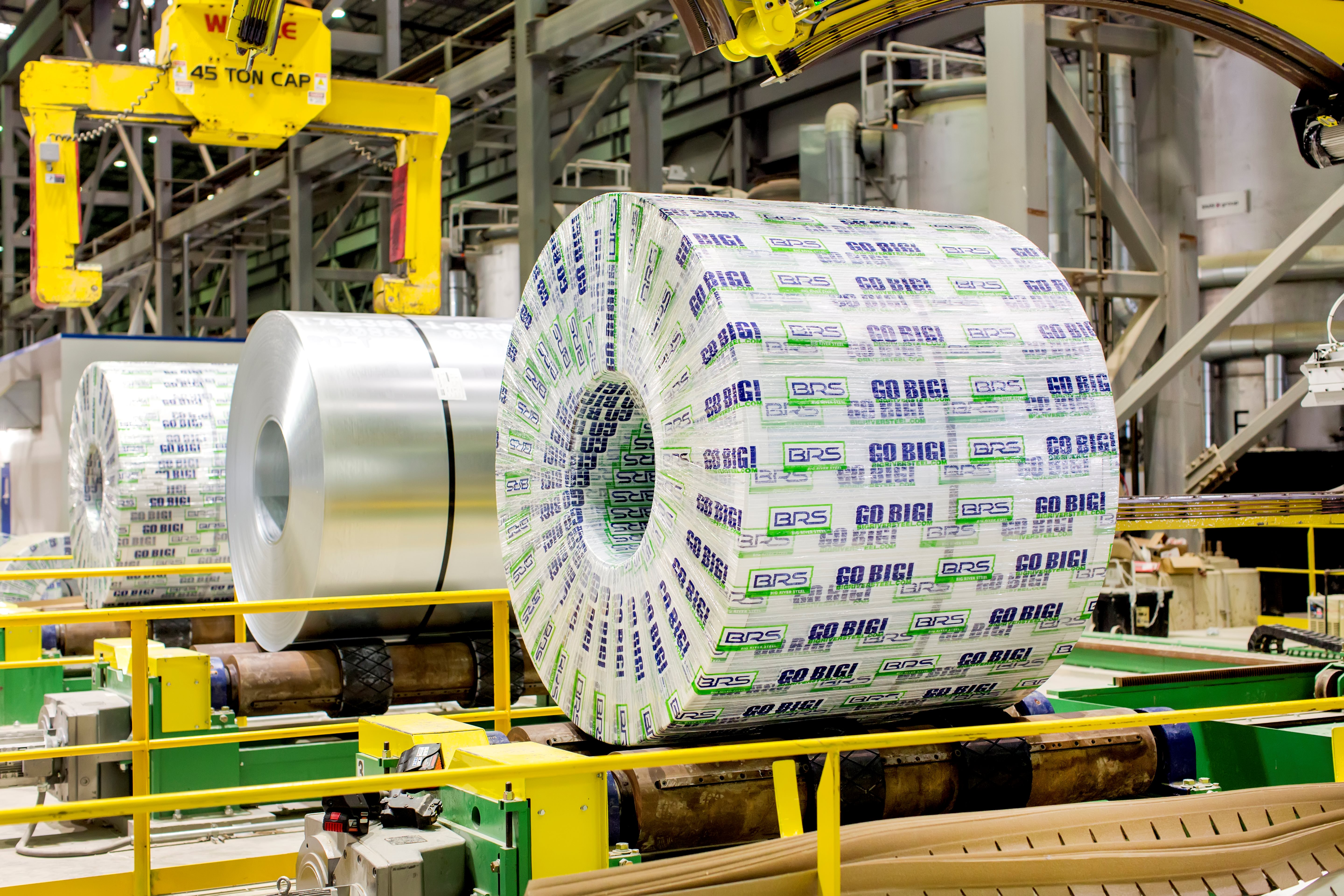
U. S. Steel earns world’s first ever certification for ResponsibleSteel Certified Steel at Big River Steel
The United States Steel Corporation's Big River Steel, located in Osceola, Arkansas, passed a rigorous set of standards in environmental, social, and governance categories that raise the bar for sustainability across the steel supply chain.
U. S. Steel today announced it is the first steel company in the world to qualify to sell its products as ResponsibleSteel Certified Steel at its Big River facility in Osceola, Arkansas. Big River received the first ResponsibleSteel Site Certification in North America in 2022 and is once again at the forefront of innovation by achieving certification for sustainably sourced and manufactured steel.
ResponsibleSteel is the industry’s leading global multi-stakeholder standards body, enabling certification at the site level - and now for the first time steel certification. By meeting the standard for Certified Steel, U. S. Steel’s Big River facility demonstrates its continued commitment to advancing industry sustainability while delivering profitable solutions for stakeholders and benefits for the planet.
“This is an extraordinary accomplishment,” said U. S. Steel President and CEO David B. Burritt. “The rigorous requirements needed for ResponsibleSteel Certified Steel represent a new gold standard for responsible steel manufacturing on a global scale. This certification gives customers and stakeholders confidence that Big River is on the path to near zero and demonstrates that we are using responsible practices across our supply chain. Being the first steel company in the world to achieve ResponsibleSteel Certified Steel demonstrates our strong resolve to build a more sustainable steel industry in the United States and across the world.”
The ResponsibleSteel International Production Standard incorporates environmental, social and governance requirements across its thirteen Principles, which include over 500 criteria for the responsible sourcing and production of steel. Certified Steel requires both Site Certification and additional conformance with two key components: progress on the responsible sourcing of input materials and site-level decarbonisation. ResponsibleSteel Certified Steel provides steel buyers with a consistent assessment of the site’s material sourcing and decarbonisation progress.
By offering Certified Steel, U. S. Steel is demonstrating leadership in enabling steel producers, and suppliers to assess their sustainability progress through a comprehensive, credible global benchmark. The Production Standard is constructed not only to encourage decarbonisation progress at the site but also to drive responsible sourcing and a rigorous supply chain ESG analysis. It fosters tracking and transparency across the steel supply chain from input materials to the product, ensuring that ESG initiatives are integrated at every stage. With four Progress Levels outlined, companies are guided in improving responsible sourcing and decarbonisation until full supply chain transparency and near zero are achieved. U. S. Steel has achieved certification at Progress Level 1 continuing a steadfast commitment to an integrated approach to sustainability.
“ResponsibleSteel employs a comprehensive approach to its certification standards, and that is evident in the work we do here at Big River Steel,” noted Dan Brown, Senior Vice President of Advanced Technology Steelmaking for U. S. Steel and Chief Operating Officer of Big River Steel Works. “Our transparency around decarbonisation and collaborative approach with our suppliers and community all play a role in what it means to have truly ‘sustainable’ steel products for our customers.”
U. S. Steel’s Big River achieved Certified Steel by demonstrating how sustainability permeates throughout the company’s operations. For example, it is more sustainable to obtain the input materials closest to the facility with a known supply chain source. Iron ore pellets are mined and produced at U. S. Steel’s Minnesota Ore Operations, which serve as raw materials for pig iron production at U. S. Steel’s Gary Works in northwest Indiana, which then becomes a key input in the steelmaking process at U. S. Steel’s Big River.
“ResponsibleSteel congratulates U. S. Steel on this significant accomplishment – the first-of-a-kind across the global industry. This certification demonstrates the company’s strong ongoing commitment to transparency, credibility, and responsibility, as they make progress in their decarbonisation plans. Today this news sends a clear message to the market: progress towards responsible ‘green steel’ is being achieved and can be most credibly benchmarked. For those buyers looking to cut through the confusion of environmental claims, look no further,” remarks Annie Heaton, ResponsibleSteel’s CEO. “We look forward to U. S. Steel’s ongoing progress and leadership in the market for credible sustainable steel products.”
Achieving Certified Steel will ensure customers have responsibly sourced and produced steel right here in the USA. Together with ResponsibleSteel, U. S. Steel is creating a more sustainable industry and future for generations to come.
Additional Information
Measured against the global benchmarking system provided by ResponsibleSteel’s International Production Standard, Big River Steel has achieved Decarbonisation Progress Level 1 and Input Materials Progress Level 1, based on the following independently verified information:
· Embodied GHG emissions of crude steel(requirement 10.4): 1.34t CO2e per tonne crude steel
· % scrap content: 57.3%
· Production volume: 2.4mt
---
For more information, please contact:
Savannah Hayes
Communications Manager
shayes@responsiblesteel.org
+44 7588 785909
Click here to view the certificate and public audit summary.
Visit the Climate Group website to watch ResponsibleSteel and U. S. Steel announce the first Certified Steel at Climate Week NYC 2024.
