
.png)


.jpeg)

%20(1).jpg)
Strengthening climate transition planning: Revising the ResponsibleSteel Production Standard
Last year marked a decade since the signing of the Paris Agreement and six years since the launch of the ResponsibleSteel Production Standard. In that time, expectations on climate action have shifted dramatically. Global emissions continue to rise, and the 1.5°C warming threshold is now projected to be breached by 2034. To remain on a 1.5°C pathway, the Intergovernmental Panel on Climate Change (IPCC) indicates that global CO₂ emissions must fall by 45% by 2030 and reach net zero by 2050. Yet progress in the steel sector is lagging. According to the Mission Possible Partnership’s Global Project Tracker, only 9% of the required operational or committed near-zero steelmaking capacity was in place by the end of 2024.
Against a backdrop of rising global emissions and growing awareness of the consequences of inaction, ResponsibleSteel is undertaking a timely and necessary revision of its climate-related requirements, specifically criteria 10.1 (corporate commitment to the Paris Agreement), 10.2 (corporate climate-related financial disclosure), 10.5 (site-level emissions targets and planning), and 10.7.1 (GHG disclosure and reporting).
A collaborative revision process
From October to January, ResponsibleSteel convened five Working Group (WG) and Technical Advisory Group (TAG) meetings, bringing together 23 representatives from 15 member organisations across certification bodies, civil society, steelmakers, and the wider steel value chain.
As a participant from SteelWatch noted during the process, “Having a diverse group of members involved in the revision process of the standard helps to achieve a balance between what steelmakers deem feasible and where the standard needs to set the bar to trigger ambitious action. ResponsibleSteel has done well navigating and drawing on different perspectives, turning them into concrete proposals that can be submitted for the next steps of the revision process.”
Three guiding principles framed these discussions:
- Ambition: ensuring alignment with global climate goals and science-based pathways
- Feasibility: recognising real-world constraints, particularly in the near term
- Simplicity: avoiding unnecessary complexity while improving clarity and accountability
A key theme that emerged was the foundational importance of credible transition plans that move beyond aspiration and, at the same time, are grounded in realistic assumptions about technology readiness, capital investment cycles, and enabling conditions. As noted by SteelWatch, “Aligning corporate- and site-level requirements is essential in ensuring that top-level corporate ambition and targets translate into actual investment decisions today, and subsequent material transformation and emissions reductions on the ground.”
Moving beyond outdated decarbonisation roadmaps
Under the current Production Standard, certified sites must demonstrate that they have a decarbonisation roadmap aligned with an existing model. However, the WG and TAG agreed that many of these models have not been updated in recent years and no longer reflect technological, economic, or policy realities. As a result, they risk undermining rather than strengthening transition planning. The revised approach moves away from a prescriptive reliance on external models and instead proposes to introduce an explicit requirement for a climate transition plan at the corporate and site level.
A participant from EMSTEEL, a ResponsibleSteel member and certified site, commented, “Revising the ResponsibleSteel Standard is an important step in strengthening the steel sector’s collective transition journey. The process provides members with a valuable opportunity to contribute practical insights, share operational experience, and help shape a standard that is both ambitious and implementable. ResponsibleSteel has done an excellent job in creating an inclusive and transparent revision process, encouraging constructive dialogue among members and ensuring diverse industry perspectives are reflected in the development of a stronger and more credible framework.”

What’s proposed to change in the Production Standard?
The proposed revisions strengthen and connect key elements of Principle 10, with a clearer and more coherent architecture across corporate and site levels.
Key improvements include:
- Quantitative, time-bound emissions reduction targets, covering Scope 1 and 2 emissions and material Scope 3 emissions
- Stronger links between corporate- and site-level planning, ensuring that corporate ambition translates into real investment decisions and on-the-ground transformation
- Improved intensity-based disclosures to support comparability, directly aligned with ResponsibleSteel’s broader harmonisation work
- Alignment with leading frameworks, such as IFRS S2 (International Financial Reporting Standards), while retaining flexibility for different regional and operating contexts
- Clearer guardrails for credibility, moving beyond temperature labels alone
There was strong agreement across the WG that clearer wording and guidance are essential to support consistent interpretation and implementation by sites and auditors alike.
Connecting the dots between the Production Standard’s criteria
One of the most important outcomes of the revision process so far has been a clearer set of connections between criteria that, while related, have not previously been well integrated.
In the current Production Standard:
- Corporate transition planning (10.1) is weakly connected to climate-related financial disclosures (10.2)
- Site-level transition planning (10.5) is not sufficiently aligned with corporate-level strategies
- Public GHG emissions disclosure requirements (10.7.1) are limited, focusing mainly on a site’s medium-term reduction target
The proposed changes aim to address these gaps by:
- Requiring climate transition plans to include climate-related financial risks and opportunities, including dependencies that may impose structural barriers, planned changes to business models and strategy;
- Aligning corporate- and site-level planning approaches to reduce carbon leakage risks and ensure consistency across operating boundaries; and
- Strengthening public disclosure requirements to better support accountability, comparability, and progress tracking over time.
Flexibility, credibility, and the reality of steelmaking
The WG and TAG discussions also surfaced a shared understanding of the structural barriers currently slowing decarbonisation in the steel industry. These include:
- Limited technology maturity at scale
- Supply chain and infrastructure constraints
- Energy availability and cost
- Inconsistent or insufficient policy support
- Weak demand signals for low-emission steel
- Trade and competitiveness pressures
Given the long investment timelines and asset lifetimes involved, feasibility in the near term is particularly critical. As such, there was strong support for a flexible, disclosure-driven approach that pairs quantitative targets with qualitative indicators of progress, allowing ResponsibleSteel to uphold high ambition and transparency while recognising that steelmakers cannot address systemic barriers alone.
As ResponsibleSteel’s Decarbonisation Analyst, Melav Salih observed, “A robust climate transition plan must embed decarbonisation within broader strategic and financial planning. It needs to recognise that steelmakers’ transition pathways are shaped by long-lived assets, billion-dollar investment decisions, and dependencies on an ecosystem of change that includes energy systems, infrastructure, policy, and markets.”
Looking ahead
As the Paris Agreement enters its second decade, and as legal, financial, and societal expectations on climate accountability intensify, ResponsibleSteel’s role as a credible, independent standard for the steel industry has never been more important.
By strengthening climate transition planning across corporate strategy, site-level action, financial disclosure, and public reporting, revisions to the Production Standard aim to support steelmakers in navigating this transition transparently and at pace.
Together with parallel work on harmonisation and disclosure alignment, the revisions to climate transition planning requirements represent a critical step toward turning climate commitments into credible, comparable, and feasible transition pathways for the global steel industry.
Learn more about the revision of ResponsibleSteel’s International Production Standard here.

Celebrating 10 Years of ResponsibleSteel – and Looking Ahead
By Annie Heaton, CEO, ResponsibleSteel
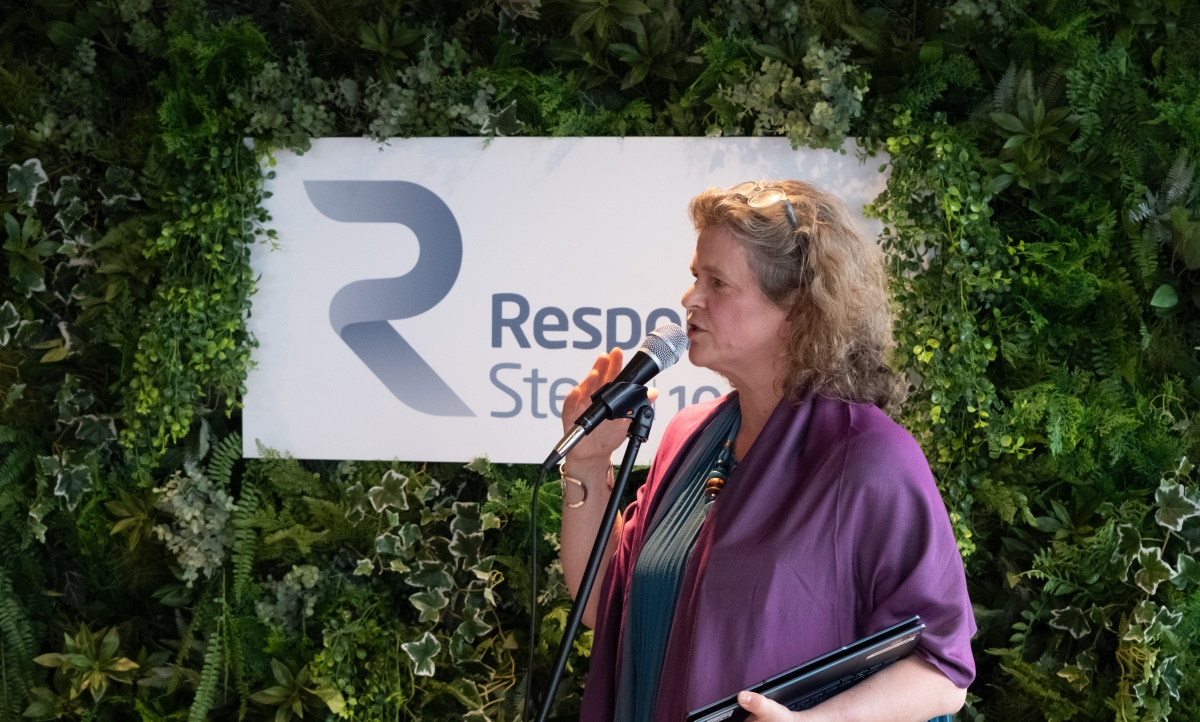
Last week, we brought together stakeholders from across the steel value chain in London to mark ten years of ResponsibleSteel. Held during London Climate Action Week, it was an opportunity to reflect on progress and look ahead to the challenges shaping the industry’s future.
It’s remarkable to think how far we’ve come since the first ideas began to form in the Australian Steel Stewardship Forum, culminating in the registration of ResponsibleSteel in 2016.
In 2019, we launched the ResponsibleSteel International Production Standard, with site audits beginning the following year. We now have over 150 members and 90 certified sites, covering more than 270,000 workers.
What began as an ambitious vision - to create a global multi-stakeholder system that certifies what good looks like for steel - has grown into a truly respected movement in every continent.
We can be immensely proud of what ResponsibleSteel has achieved over the past decade. Yet, we know the steel industry operates in a complex and often volatile environment and we cannot afford to be complacent, as our Chair Gerry Tidd reflected at the reception last week.
A strategy for the future
Anniversaries are also a moment to reassess. To remain effective, we must continue to evolve. Investment is slowing, uncertainty is rising, and the pace of decarbonisation is under pressure. These challenges make the need for trusted standards, credible measurement, and effective collaboration more, not less, important.
Over the past year, we have worked with our Board and our members to develop a new strategy to advance our mission. Our work will focus on three priorities:
1. First, catalysing leadership in responsibly produced iron as well as steel – driving progress across the full value chain from raw material extraction through to finished steel,
2. Second, enabling a level playing field for steelmakers on GHG, via alignment and interoperability to enable a coherent trading system across the industry,
3. Third, helping to shape markets in which responsibly produced, low-emissions steel can thrive via public and private sector policy to drive demand and finance for responsible decarbonisation.
Central to this is working with our multi-stakeholder community to ensure our standards and assurance systems remain practical, credible and relevant.
With this strategy in mind, I want to share a few examples of how this strategy will be translated into action in the first year.
The first will be the introduction of our Accelerator Groups initiative - focused, collaborative groups bringing together stakeholders from across the value chain to address shared challenges, remove barriers to progress, and accelerate action. Initial Accelerators will focus on automotive value chains and transition finance.
Secondly, we have long recognised the importance of bringing China into the emerging global market for low-emissions steel. Building on our considerable progress since COP31 with the China Iron and Steel Association (CISA) on interoperable GHG measurement rules, alongside our work with LESS, our next focus is advancing interoperable verification, assurance, and GHG claims to support a trusted global market for low-emissions iron and steel.
Finally, we know that our stakeholders value opportunities to come together in person to exchange ideas, strengthen relationships, and build momentum for change. With that in mind, we are excited to be planning a major in-person event for early next year – keep an eye out for an announcement imminently.
We will, of course, be sharing more details on our strategy and these innovations in the weeks and months ahead.
Ten years ago, ResponsibleSteel began as an ambitious idea. Today, it is a global organisation helping to drive responsible production across one of the world's most important industries. As we celebrate this milestone, we remain focused on building a steel industry that is more responsible, resilient and sustainable.

Advancing interoperability: ResponsibleSteel and CISA convene in Shanghai
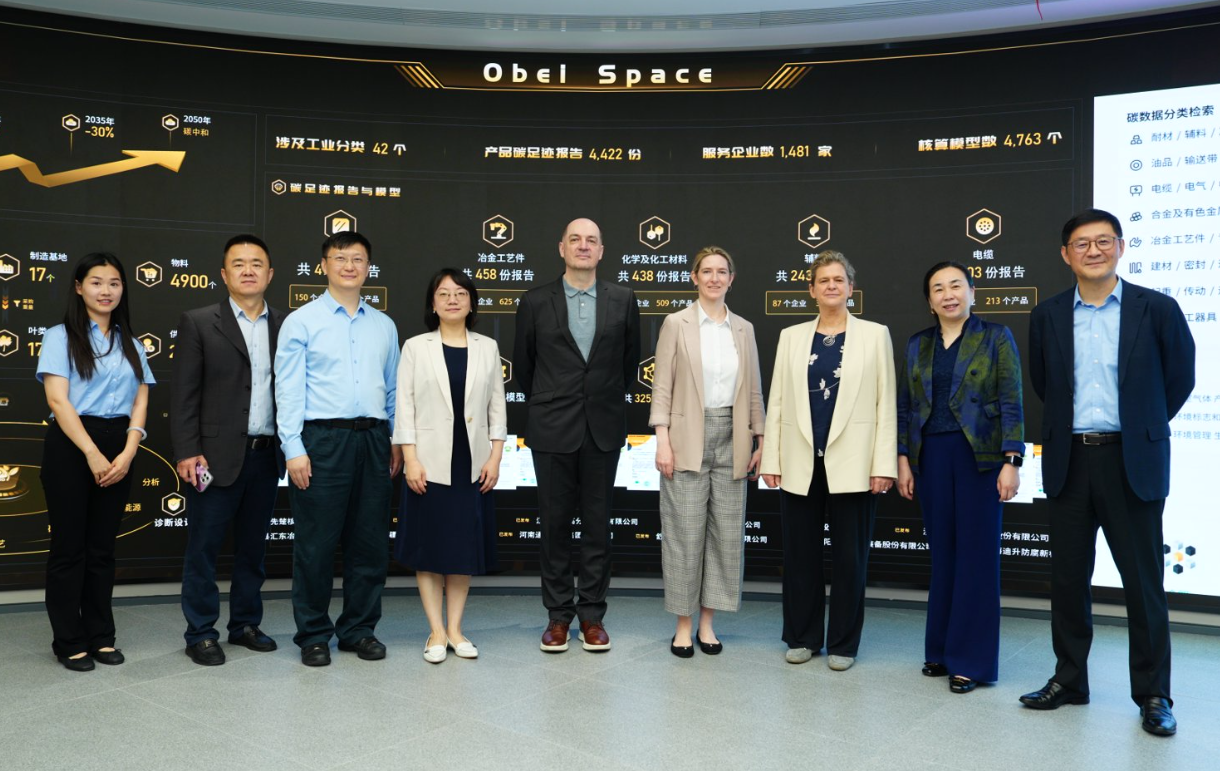
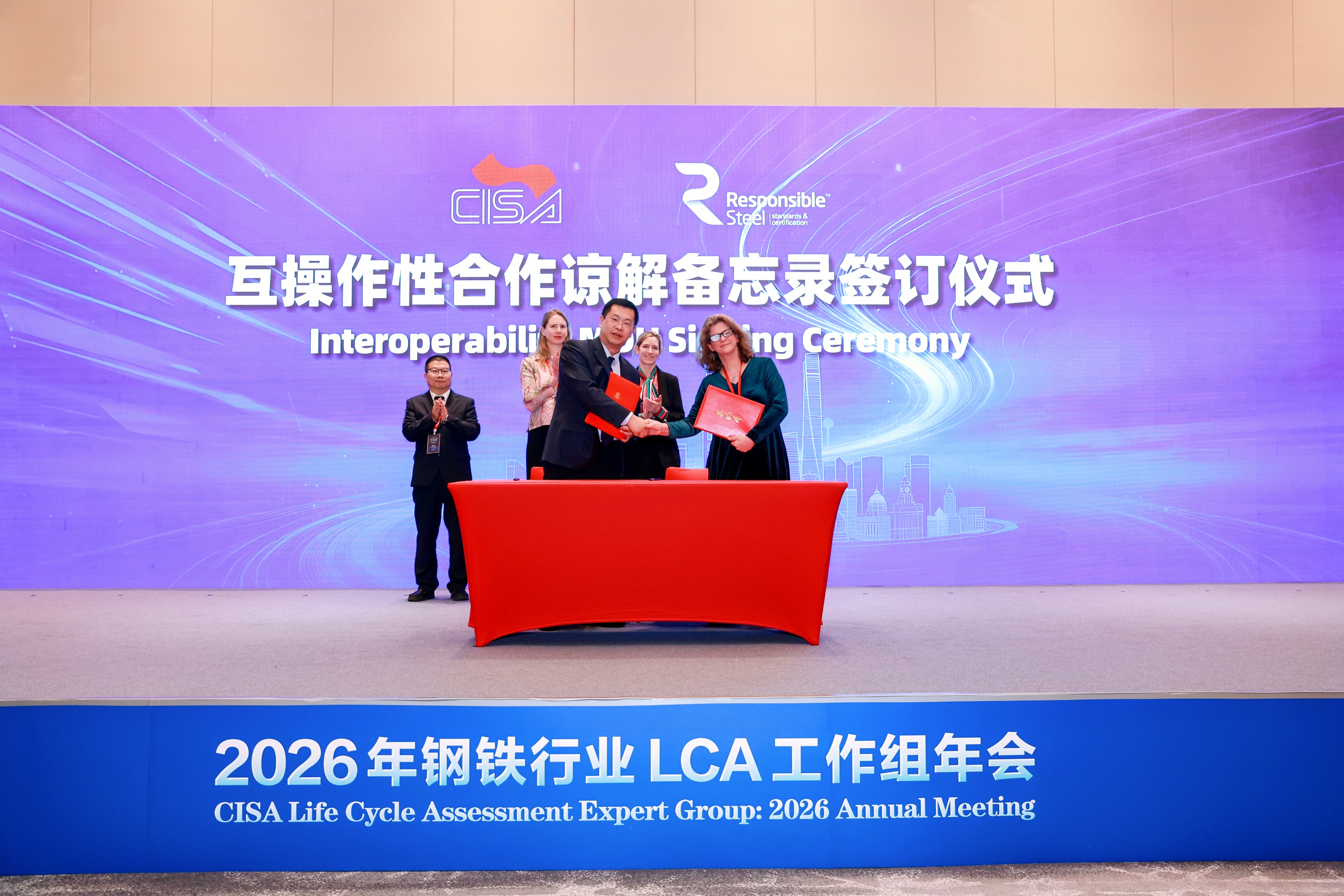
On 26 May 2026, ResponsibleSteel and the China Iron and Steel Association (CISA) co-hosted a technical workshop in Shanghai, bringing together steelmakers, downstream users, verification bodies and policy stakeholders to advance the development of an interoperability mechanism between decarbonisation approaches in ResponsibleSteel International Production Standard’ and CISA's C2F Steel Standard.
The workshop is the latest step in a collaboration that began with our landmark COP30 agreements and our visit to China in January to kick off the interoperability project. China accounts for the majority of global steel production, making alignment between the ResponsibleSteel standard and C2F on decarbonisation one of the most significant pieces of work underway in the global move toward low-emission steel.
The day covered several key topics, including:
- what credible interoperability claims could look like in practice;
- findings from the comparative analysis of the two standards, focusing on emissions accounting (Criteria 10.4 and 10.6) and disclosure requirements (Criterion 10.7);
- deep dives into emissions accounting and metrics, and into disclosure, transparency and assurance;
- and next steps toward a pilot programme.
Participants emphasised the importance of practical solutions that work across different markets and operating contexts. The discussions also engaged openly with the challenges of aligning site-based and product-based approaches to emissions measurement — questions that will require continued technical work to resolve, and that the workshop made useful progress in understanding.
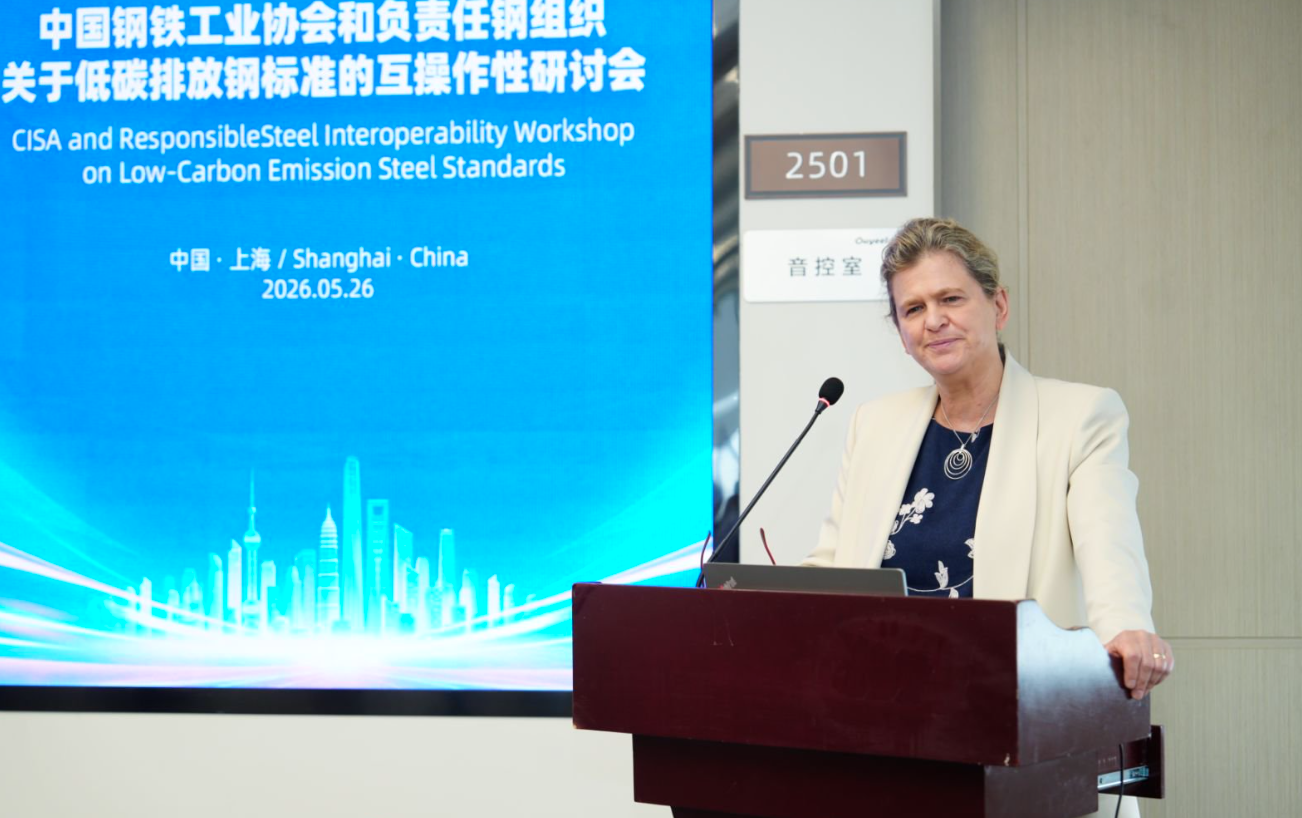
The discussions reinforced that interoperability creates a pathway toward more comparable, trusted emissions claims across borders; different classification systems can co-exist, and carefully designed co-calculation and assurance tools will support data flow between suppliers and customers.
The outcomes of the workshop will inform final proposals for operationalising the interoperability programme, including pilot audit design and governance framework.
Learn more about the ResponsibleSteel International Production Standard
The May edition of the ResponsibleSteel Newsletter is out!
Preparations are underway for ResponsibleSteel’s involvement in London Climate Action Week, including a Member Reception to mark the 10-year anniversary of ResponsibleSteel, and a Finance Working Group focused on unlocking transition finance - see below for more details.
In this newsletter we also share updates from across the system, including GHG assurance workshops, progress on the Standard Revision, and CEO Annie Heaton’s recent speech at an offshore wind production event in China.
Finally, we spotlight upcoming audits, assurance discussions and new guidance shaping responsible sourcing across the value chain.
Read the full May newsletter here.
Highlights
Member Reception at London Climate Action Week
We are delighted to confirm that the ResponsibleSteel Member Reception will take place during London Climate Action Week, bringing our community together in person to celebrate a major milestone - 10 years of ResponsibleSteel.
The reception will be held on Monday 22 June, supported by BCG and taking place at their office. It will provide an opportunity for members to reconnect with peers from across the network, celebrate our collective progress and look ahead to the next chapter for responsible steel production and sourcing.
Finance Working Group
We are also pleased to highlight that the next edition in our Finance Working Group series is set to take place in London on the same day - Monday 22 June - as the Member Reception, and is also kindly supported by BCG. This closed-door roundtable will bring together senior representatives from financial institutions, steelmakers and other partners to continue strategic discussions on how to mobilise and de-risk transition finance for the steel sector.
LESS Publishes Statement on ESPR Delegated Act
The Low Emission Steel Standard (LESS) initiative has published a new public statement in response to the ESPR Delegated Act, outlining the initiative’s position and key considerations for the steel sector.
The statement has also been shared with media contacts and via LinkedIn to encourage broader industry engagement and discussion. Members and stakeholders are encouraged to read and share the statement across their networks to help raise awareness of the issues addressed.
WMBC Campaign: Seizing the Electric Advantage
The We Mean Business Coalition’s “Seizing the Electric Advantage” campaign is inviting companies to support a new global business statement ahead of London Climate Action Week.
The campaign highlights how electrification powered by clean, locally generated electricity can provide a practical and commercially available pathway to stronger competitiveness, lower energy costs over time, improved resilience and long-term economic growth.
Other updates included:
- Information on recent GHG Assurance and Claims Workshops
- ResponsibleSteel's CEO Annie Heaton speaking at Dajin Offshore's event in China
- Updates on the Standard's revision process
- Details on the upcoming Calibration Workshop for auditors
- Upcoming audits
Strengthening climate transition planning: Revising the ResponsibleSteel Production Standard
Last year marked a decade since the signing of the Paris Agreement and six years since the launch of the ResponsibleSteel Production Standard. In that time, expectations on climate action have shifted dramatically. Global emissions continue to rise, and the 1.5°C warming threshold is now projected to be breached by 2034. To remain on a 1.5°C pathway, the Intergovernmental Panel on Climate Change (IPCC) indicates that global CO₂ emissions must fall by 45% by 2030 and reach net zero by 2050. Yet progress in the steel sector is lagging. According to the Mission Possible Partnership’s Global Project Tracker, only 9% of the required operational or committed near-zero steelmaking capacity was in place by the end of 2024.
Against a backdrop of rising global emissions and growing awareness of the consequences of inaction, ResponsibleSteel is undertaking a timely and necessary revision of its climate-related requirements, specifically criteria 10.1 (corporate commitment to the Paris Agreement), 10.2 (corporate climate-related financial disclosure), 10.5 (site-level emissions targets and planning), and 10.7.1 (GHG disclosure and reporting).
A collaborative revision process
From October to January, ResponsibleSteel convened five Working Group (WG) and Technical Advisory Group (TAG) meetings, bringing together 23 representatives from 15 member organisations across certification bodies, civil society, steelmakers, and the wider steel value chain.
As a participant from SteelWatch noted during the process, “Having a diverse group of members involved in the revision process of the standard helps to achieve a balance between what steelmakers deem feasible and where the standard needs to set the bar to trigger ambitious action. ResponsibleSteel has done well navigating and drawing on different perspectives, turning them into concrete proposals that can be submitted for the next steps of the revision process.”
Three guiding principles framed these discussions:
- Ambition: ensuring alignment with global climate goals and science-based pathways
- Feasibility: recognising real-world constraints, particularly in the near term
- Simplicity: avoiding unnecessary complexity while improving clarity and accountability
A key theme that emerged was the foundational importance of credible transition plans that move beyond aspiration and, at the same time, are grounded in realistic assumptions about technology readiness, capital investment cycles, and enabling conditions. As noted by SteelWatch, “Aligning corporate- and site-level requirements is essential in ensuring that top-level corporate ambition and targets translate into actual investment decisions today, and subsequent material transformation and emissions reductions on the ground.”
Moving beyond outdated decarbonisation roadmaps
Under the current Production Standard, certified sites must demonstrate that they have a decarbonisation roadmap aligned with an existing model. However, the WG and TAG agreed that many of these models have not been updated in recent years and no longer reflect technological, economic, or policy realities. As a result, they risk undermining rather than strengthening transition planning. The revised approach moves away from a prescriptive reliance on external models and instead proposes to introduce an explicit requirement for a climate transition plan at the corporate and site level.
A participant from EMSTEEL, a ResponsibleSteel member and certified site, commented, “Revising the ResponsibleSteel Standard is an important step in strengthening the steel sector’s collective transition journey. The process provides members with a valuable opportunity to contribute practical insights, share operational experience, and help shape a standard that is both ambitious and implementable. ResponsibleSteel has done an excellent job in creating an inclusive and transparent revision process, encouraging constructive dialogue among members and ensuring diverse industry perspectives are reflected in the development of a stronger and more credible framework.”
What’s proposed to change in the Production Standard?
The proposed revisions strengthen and connect key elements of Principle 10, with a clearer and more coherent architecture across corporate and site levels.
Key improvements include:
- Quantitative, time-bound emissions reduction targets, covering Scope 1 and 2 emissions and material Scope 3 emissions
- Stronger links between corporate- and site-level planning, ensuring that corporate ambition translates into real investment decisions and on-the-ground transformation
- Improved intensity-based disclosures to support comparability, directly aligned with ResponsibleSteel’s broader harmonisation work
- Alignment with leading frameworks, such as IFRS S2 (International Financial Reporting Standards), while retaining flexibility for different regional and operating contexts
- Clearer guardrails for credibility, moving beyond temperature labels alone
There was strong agreement across the WG that clearer wording and guidance are essential to support consistent interpretation and implementation by sites and auditors alike.
Connecting the dots between the Production Standard’s criteria
One of the most important outcomes of the revision process so far has been a clearer set of connections between criteria that, while related, have not previously been well integrated.
In the current Production Standard:
- Corporate transition planning (10.1) is weakly connected to climate-related financial disclosures (10.2)
- Site-level transition planning (10.5) is not sufficiently aligned with corporate-level strategies
- Public GHG emissions disclosure requirements (10.7.1) are limited, focusing mainly on a site’s medium-term reduction target
The proposed changes aim to address these gaps by:
- Requiring climate transition plans to include climate-related financial risks and opportunities, including dependencies that may impose structural barriers, planned changes to business models and strategy;
- Aligning corporate- and site-level planning approaches to reduce carbon leakage risks and ensure consistency across operating boundaries; and
- Strengthening public disclosure requirements to better support accountability, comparability, and progress tracking over time.
Flexibility, credibility, and the reality of steelmaking
The WG and TAG discussions also surfaced a shared understanding of the structural barriers currently slowing decarbonisation in the steel industry. These include:
- Limited technology maturity at scale
- Supply chain and infrastructure constraints
- Energy availability and cost
- Inconsistent or insufficient policy support
- Weak demand signals for low-emission steel
- Trade and competitiveness pressures
Given the long investment timelines and asset lifetimes involved, feasibility in the near term is particularly critical. As such, there was strong support for a flexible, disclosure-driven approach that pairs quantitative targets with qualitative indicators of progress, allowing ResponsibleSteel to uphold high ambition and transparency while recognising that steelmakers cannot address systemic barriers alone.
As ResponsibleSteel’s Decarbonisation Analyst, Melav Salih observed, “A robust climate transition plan must embed decarbonisation within broader strategic and financial planning. It needs to recognise that steelmakers’ transition pathways are shaped by long-lived assets, billion-dollar investment decisions, and dependencies on an ecosystem of change that includes energy systems, infrastructure, policy, and markets.”
Looking ahead
As the Paris Agreement enters its second decade, and as legal, financial, and societal expectations on climate accountability intensify, ResponsibleSteel’s role as a credible, independent standard for the steel industry has never been more important.
By strengthening climate transition planning across corporate strategy, site-level action, financial disclosure, and public reporting, revisions to the Production Standard aim to support steelmakers in navigating this transition transparently and at pace.
Together with parallel work on harmonisation and disclosure alignment, the revisions to climate transition planning requirements represent a critical step toward turning climate commitments into credible, comparable, and feasible transition pathways for the global steel industry.
Learn more about the revision of ResponsibleSteel’s International Production Standard here.

The April edition of the ResponsibleSteel Newsletter is out!
This month’s newsletter reflects a particularly active and exciting period for ResponsibleSteel, with progress across key areas of our work.
Momentum toward more responsible steel production continues to build. In this newsletter, we’re pleased to share our 2026 Progress Report, highlighting a year of progress through global partnerships, new certifications and growing impact across the steel value chain.
We also share updates on our upcoming AGM, the certification of ArcelorMittal Hamburg (the only operating DRI-EAF site in Europe), and new tools such as our GHG emissions intensity calculator. This edition includes a Q&A with our Director of Programmes on next steps following the publication of our joint just transition report with IRMA, as well as new perspectives from the steel value chain on the importance of interoperability.
Read the full April newsletter here.
Highlights
ResponsibleSteel’s 2026 Progress Report
We’re pleased to launch the latest edition of our annual ResponsibleSteel Progress Report, which captures a year of continued progress through global partnerships, new certifications and growing impact across the steel value chain, despite a demanding operating environment.
ResponsibleSteel AGM & Q2 Member Meeting
ResponsibleSteel members are invited to attend the 2026 Annual General Meeting (AGM) on 28 May, taking place online from 12:00–12:30 (GMT+1).
The AGM will be followed by the Q2 Member Meeting from 12:30–13:30, where we will share updates on recent work, key developments and priorities for the year ahead. A minimum participation of 10% of Business Members and 10% of Civil Society Members is required for the AGM to proceed, so member attendance is essential.
Building a better assurance experience
ResponsibleSteel is developing a new Assurance Management Portal as a major investment in improving our certification system. The portal will streamline assurance processes, reduce manual work and improve visibility across the certification journey, making the system more efficient, transparent, user‑friendly and consistent for members, sites, auditors, and certification bodies.
Looking ahead: Member reception at London Climate Action Week
We’re planning a ResponsibleSteel Member Reception during London Climate Action Week to bring our community together in person.
The reception will mark 10 years of ResponsibleSteel, offering a chance to celebrate our collective progress, reconnect with fellow members and build new relationships across the network.
Celebrating the certification of ArcelorMittal Hamburg
ArcelorMittal’s Hamburg site has achieved ResponsibleSteel Core Site Certification, marking an important milestone for Europe’s only direct reduced iron (DRI)–electric arc furnace (EAF) steelmaking site. Awarded following a rigorous two‑year independent audit by GUTcert, the certification recognises the site’s performance against ResponsibleSteel’s International Production Standard and its commitment to responsible steelmaking across environmental, social and governance issues. The certification highlights credible progress towards lower‑emission steel, underpinned by transparency, strong health and safety practices, and continuous improvement.
Other updates included:
- ResponsibleSteel’s Principle 10: A checklist to assess steel industry progress on fossil fuel phase-out
- What’s next on just transition? In conversation with ResponsibleSteel’s Director of Programmes, Amy Jackson
- ResponsibleSteel GHG emissions intensity calculator
- Interoperability insights from the Chinese value chain
- New members, C2Carbon and Tanzania Wote Equality Alliance (TAWEA)
- Upcoming audits
What’s next on just transition? In conversation with ResponsibleSteel’s Director of Programmes, Amy Jackson
As policymakers, businesses, and investors set their sights on rapid industry decarbonisation, less attention has so far been paid to the workers and communities most impacted by the transition.
Last month, ResponsibleSteel released a first-of-its-kind report with the Initiative for Responsible Mining Assurance (IRMA) outlining key principles to support a just transition for the steel and mining sectors. The report follows a year-long project funded by the ISEAL Innovations Fund with support from the Swiss State Secretariat for Economic Affairs.
ResponsibleSteel’s Director of Programmes, Amy Jackson, outlines why it’s vital that industry decarbonisation is not only fast but fair, and how this latest report could influence the ongoing revision of the ResponsibleSteel International Production Standard.
Why does a just transition matter?
Mining and steel are responsible for a significant share of global energy-related emissions, up to 10% from mining and likewise around 10% from steel. So, there’s no question: decarbonising these sectors is absolutely essential to reaching global climate goals. But what’s often overlooked is the human impact of this transition. We know the shift will be profound, but we’re only beginning to understand what it will look like in practice.
If we don’t take deliberate action, the workers and communities most affected by these transitions risk being left behind. Globally, steel employs around six million people, mining around 20 million, and millions more rely on these industries indirectly.
A just transition ensures that the benefits of industrial transformation are shared. This includes opportunities for safer jobs, new skills, economic diversification, and improved access to clean energy infrastructure and other low-emission goods and services. It also means embracing more equitable benefit‑sharing approaches, including co‑ownership and equity models, so that affected communities can participate meaningfully in the value created by the transition.
What prompted ResponsibleSteel and IRMA to look more closely at just transition issues in steel and mining?
New technologies are opening the door to a cleaner future, but they can also be very disruptive, especially in heavy industries like steel and mining.
Steel production is already beginning to change in some geographies, as blast furnaces close, companies shift toward EAF and DRI technologies, and electric and hydrogen-based routes emerge. These transformations will also require significantly expanded renewable energy capacity and major changes to transport and logistics systems to support new supply chains. Mining is facing changes of a similar scale with the decline of coal and the increasing demand for critical minerals. Together, these developments will reshape the mining and steel supply chains, with major implications for employment patterns and local economies.
There’s growing recognition that heavy industries need to better address human rights, Indigenous rights, and social equity, and to genuinely integrate local knowledge into transition planning and due diligence. Stakeholders are also calling for more inclusive approaches to ensure transitions are fair and collaborative rather than imposed.
This is why ResponsibleSteel and the Initiative for Responsible Mining Assurance (IRMA) partnered on this project - to take a closer look at the social implications of industrial transitions. We wanted to understand the role voluntary sustainability standards can play in helping companies navigate these shifts in a way that is both responsible and inclusive.
What is the Just Transition Framework?
The Just Transition Framework builds on internationally recognised principles from the International Labour Organisation (ILO) and the UN Working Group on Business and Human Rights, as well as extensive inputs from the published literature on this topic and from stakeholders.
We drew on three key dimensions of justice commonly used in academic theory - procedural, distributive, and restorative justice - and began by mapping 16 existing just transition frameworks from international bodies, industry, advocacy groups, and Indigenous peoples.
This provided the basis for a draft framework, which we then tested and refined through extensive stakeholder engagement. We spoke with workers, unions, supply chain actors, companies, governments, civil society, communities, and Indigenous groups, and brought stakeholders together for workshops in Johannesburg and Brussels.
The final Just Transition Framework brings together these insights into nine principles and 50 core elements, along with five recommendations for VSSs, offering a structured but adaptable foundation for embedding just transition concepts into global sustainability schemes.
Were there any other important findings or points from the framework worth highlighting?
One of the clearest findings that emerged from this work is that transitions are highly context‑specific. The social impacts and opportunities associated with them depend heavily on local conditions, from the economic role a mine or steel site plays in a region, to the availability of alternative jobs, to the presence of strong institutions and community organisations. Understanding this is a critical first step, because it means recognising that there is no one‑size‑fits‑all approach.
Another important insight is that while voluntary sustainability standards have an important role to play, they cannot drive a just transition on their own. Nor can it be directed by steelmakers or mining companies alone. A truly just transition requires collaboration with a much wider group of actors, such as local and national governments, financial institutions, workers and trade unions, communities, and Indigenous peoples. The Framework helps clarify where VSSs can contribute most effectively, but it also emphasises that delivering a fair transition is ultimately a shared responsibility, not something any single organisation or sector can dictate or deliver in isolation.
How will the framework impact ResponsibleSteel’s International Production Standard?
Following the production of the Just Transition Framework, we benchmarked it against the ResponsibleSteel International Production Standard to identify where just transition concepts are already well covered and where there may be gaps.
One of the key findings from this exercise and from our discussions with our Just Transition Working Group is that many just transition elements are already embedded in the Standard, even if they aren’t described using that specific terminology. For example, existing requirements around stakeholder engagement, site decommissioning and closure, labour rights and the development of closure plans all support just transition outcomes.
Where the Framework has added value is by providing a structure for the conversation, which enables discussions around the most important elements for inclusion in the standard, and helps to identify where we could make these expectations more explicit about their application to transitions.
What’s next?
As we move forward with the standard revision, our focus is on making more explicit where requirements will support a just transition, in the standard itself or in supporting guidance. For example, strengthening guidance around due diligence, particularly how sites should identify and address just transition‑related risks and impacts, and clarifying what a robust just transition plan should contain. This might cover identified risks, mitigation actions, and support measures such as worker training or reskilling.
The aim isn’t to introduce major new requirements. Instead, the intention is to build on what’s already there, ensuring the Standard continues to evolve in a way that supports a fair, inclusive, and responsible transition across the steel value chain.
Learn more about the latest report.
Learn more about the Standard revision process and find out how to get involved on our Standard revision webpage.

ArcelorMittal Hamburg achieves ResponsibleSteel Core Site Certification
ArcelorMittal’s Hamburg site has achieved ResponsibleSteel Core Site Certification, marking an important moment for Europe’s only direct reduced iron (DRI) - electric arc furnace (EAF) steelmaking site.
The certification recognises the site’s performance against ResponsibleSteel’s International Production Standard and its commitment to responsible steelmaking across environmental, social and governance issues. It follows a comprehensive, two‑year independent audit process carried out by certification body GUTcert, including on‑site assessments, worker interviews and engagement with external stakeholders. Certification confirms that the Hamburg site meets ResponsibleSteel’s globally recognised requirements, with a strong emphasis on transparency and continuous improvement.
Annie Heaton, CEO of ResponsibleSteel, welcomed the announcement, saying, “We congratulate ArcelorMittal Hamburg on achieving ResponsibleSteel Core Site Certification. As Europe’s only DRI‑EAF steelmaking site, this is an important milestone for the region’s steel industry. As the site works towards its ambition of producing near‑zero steel, this certification demonstrates that decarbonisation is being pursued alongside strong social and environmental practices. We look forward to continuing to support ArcelorMittal Hamburg on its journey towards responsible, lower‑emission steel.”
As Europe’s steel sector accelerates efforts to decarbonise, ResponsibleSteel’s Production Standard provides a robust framework that goes beyond greenhouse gas emissions to address workers’ rights, occupational health and safety, community impacts, pollution, biodiversity, and water stewardship.
ResponsibleSteel's Head of Membership and Communications, Joe Woodruff, was on the ground to present the team at ArcelorMittal Hamburg with the site's certificate. He emphasised, "This is a significant achievement, and one that deserves to be recognised and celebrated. Certification is never just a technical exercise. It represents commitment, perseverance, and real courage. To achieve certification, steelmaking sites must work through challenges, address non-conformities, strengthen systems, and demonstrate openness to scrutiny and improvement. That process is what ResponsibleSteel certification is designed to support, not perfection from day one, but credible progress built on transparency and accountability."
The audit process confirmed that the site has established management systems in place and is actively addressing environmental and social impacts, while also identifying areas for further improvement, which is a core principle of ResponsibleSteel’s approach to certification. In particular, the auditors recognised the site's strong commitment to health and safety, which was evident throughout the process. ResponsibleSteel certification is valid for three years, with regular surveillance audits required to ensure ongoing conformity with the Production Standard.
Thoralf Winkel, CEO of ArcelorMittal Hamburg, commented, “For us, the ResponsibleSteel certification is far more than a formal piece of documentation. It stands for our shared values and our consistent commitment to sustainability, integrity and responsible conduct. With this, we are making a clear promise – to the environment, our local communities and future generations.”
ArcelorMittal Hamburg has been in operation since 1970. The site produces liquid steel and hot‑rolled wire rod and has an annual production capacity of up to 800,000 tonnes of wire rod.
With the certification of the Hamburg site, all four of ArcelorMittal’s steelmaking sites in Germany are now certified against the ResponsibleSteel International Production Standard, alongside Bremen, Duisburg and Eisenhüttenstadt. This reflects a broader commitment across the company’s German operations to independent verification, stakeholder engagement and continuous improvement in responsible steelmaking practices.
Take a look at the certificate and the public audit summary here.
Watch: Strengthening global interoperability with the China Iron and Steel Association
Earlier this year, ResponsibleSteel was in China to mark an important milestone following the announcement at COP30 of our agreements with the China Iron and Steel Association (CISA) and the Brussels‑based Low Emission Steel Standard (LESS). The visit culminated at CISA’s annual LCA conference, where we presented the project to the Chinese steel value chain and celebrated our shared ambition to advance steel decarbonisation through global collaboration.
In this video, we speak with voices from across the steel value chain, including ResponsibleSteel’s CEO, Annie Heaton, and Director of Programmes, Amy Jackson; CISA’s Vice Secretary General, Feng Chao; VAMA’s Chief Technology Officer, Li Xiang; and Hang Lung Properties’ Deputy Director - Sustainability, John Haffner. They reflect on why interoperability between global standards matters, and how collaboration between ResponsibleSteel and CISA can help unlock trusted, comparable data for low‑ and near‑zero‑emission steel.
Together, these partnerships are laying the foundations for a more transparent global market, one that supports informed procurement, targeted investment, and real emissions reductions across the steel value chain.
What do ResponsibleSteel's interoperability projects look like in practice?
In short, interoperability means measuring emissions using rules that are as aligned as possible, and recognising the differences, to enable comparison on a like-for-like basis. Imagine the benefit this would bring for anyone wanting to distinguish what good looks like, for example, procurement teams, investors, and policymakers.
But making interoperability work in practice requires a lot more if we want a reliable, credible and sustainable system that generates high-quality, comparable data.
We've outlined the key components of this in our Framework for Credible Interoperability, which will inform both our work with LESS and CISA:
- Aligned GHG accounting rules
- A reliable calculation tool
- A robust assurance mechanism
- Credible claims protocols
- Good governance, oversight and resourcing
- Appropriate data management
- Strong operations management systems
This is how markets are built: first with innovation, then with the necessary rules and systems that enable good information to flow – so that steel buyers can understand, investors can evaluate, and steelmakers can compete, based on emissions performance that everyone can trust.
Inside our 2026 Progress Report: Celebrating global partnerships, new certifications, and growing impact
ResponsibleSteel’s 2026 Progress Report captures a year marked by deepening global alignment and strengthened member commitment to advancing responsible, low‑emission and near‑zero steelmaking. Despite a challenging operating environment marked by geopolitical volatility, shifting supply chain risks and heightened scrutiny of corporate transition plans, our latest report demonstrates how ResponsibleSteel continues to convene members and stakeholders to drive credible, independently verified progress across the global industry.
A critical year for responsible steelmaking
ResponsibleSteel Chair Gerry Tidd reflects on a year marked by disruption and rapidly shifting expectations for heavy industry, as many steelmakers turned their focus to immediate operational pressures. Yet the urgency around climate and sustainability has not diminished. As Tidd notes in his opening message, “In this evolving context, ResponsibleSteel’s role as a trusted multistakeholder convenor and an independent global reference point has never been more critical.”
Despite these headwinds, 2025 saw clear momentum across ResponsibleSteel’s global certification programme. Seven new sites achieved Core Site Certification—including the first site in the Gulf Cooperation Council region and the largest single certified site in Europe to date. Importantly, every site with expiring certifications chose to recertify, underscoring the value of credible, independent verification in a rapidly changing market.
Strengthening global alignment
Last year, we celebrated a major milestone in aligning global approaches to low emission steel. ResponsibleSteel concluded landmark agreements with the Low Emission Steel Standard (LESS) in Europe and with the China Iron and Steel Association (CISA), extending common approaches to GHG measurement and classification across a collective membership covering roughly 60% of global steel production. These partnerships lay the foundations for interoperability mechanisms that will bring greater clarity to markets, reduce fragmentation and enable investment in the world’s largest steel producing regions.
The year also saw major buyer and investor engagement initiatives, including the Strength to Strength campaign, a US investor roadshow, and new guidance from Microsoft and Carbon Direct recognising ResponsibleSteel Progress Levels as benchmarks for supplier expectations.
Key highlights from the year
The report details strong progress across ResponsibleSteel’s certification and membership programmes:
- Seven new certified sites across Europe, the Middle East and India
- 100% recertification uptake for expiring certificates
- Nearly 90 certified sites across 19 countries, representing a combined 142 million tonnes of annual steel production
- Over 262,000 workers covered by ResponsibleSteel certification
- 12 new members, bringing total membership to 167 organisations headquartered across 36 countries.
Looking ahead: Building the systems for accelerating progress at scale
In her closing message, CEO Annie Heaton outlines the organisation’s focus for 2026: reinforcing the systems and frameworks that will underpin growth in responsibly produced low emission and near zero steel. With many companies facing delayed transition investments and unpredictable market conditions, Heaton stresses the importance of maintaining long term ambition while supporting practical, measurable progress.
ResponsibleSteel’s priorities include strengthening interoperability mechanisms, advancing the revision of ResponsibleSteel’s International Production Standard and claims framework, and expanding work with buyers and investors to support robust procurement and financing decisions.
As Heaton states, “This work is key to expanding low‑emission steel supply, enabling global trade through comparable data, strengthening investment cases, reducing regulatory burden and supporting effective policy. In short, it helps to keep global trade gates open and ensure a claim made in one region can be understood and trusted in another.”
As our membership grows and global partnerships deepen, ResponsibleSteel continues to serve as a unifying force, bringing together industry, civil society, policymakers and finance to accelerate pathways to responsibly produced low-emission and near-zero steelmaking.
Read ResponsibleSteel’s 2026 Progress Report here.
Going beyond decarbonisation: Key insights into delivering a just transition for steel and mining sectors
As the global decarbonisation effort has advanced, actors in the mining and steel sectors are under pressure to transform production processes, supply chains, and energy systems to meet climate goals. But alongside these changes lies an essential question: how do we ensure that the transition to a low-carbon economy is fair for the workers, communities, and regions that depend on these industries?
ResponsibleSteel and the Initiative for Responsible Mining Assurance (IRMA) set out to tackle this question in a joint project bringing together perspectives from across the mining and steel value chains. Together, in a recently published report, 'Driving just transitions in the steel and mining sectors', we explore how voluntary sustainability standards can help guide and support just transitions in two of the world’s most critical industries.
Putting people at the centre of the transition process
One of the strongest and most consistent key messages from the project and stakeholder engagement was the need to keep people at the centre of transition processes. Decarbonisation is often discussed in terms of technology, emissions targets, and industrial transformation. Yet transitions also reshape livelihoods, local economies, and social structures.
The report underscores that strong and inclusive planning is essential to avoid leaving workers and affected communities behind. This is further reflected in stakeholder perspectives, with one of the rights holders noting the disconnect between discussions around just transition and lived experience: “Just Transition is a confusing term. It does not reflect the realities we face.” Throughout the project, stakeholders repeatedly highlighted the importance of ensuring that transitions must not only be fast, but fair. Workers, Indigenous peoples, and affected communities must have a meaningful voice in decisions that shape their futures.
This reinforced an important insight: “just transition is not only about managing economic change. It is also about justice, rights, and participation.”
The power of social dialogue
Another key learning from the project was the central role of social dialogue. Across interviews and workshops, participants emphasised the need for ongoing engagement between workers, communities, companies, governments, and other stakeholders.
Early and inclusive dialogue is particularly critical when major changes are being planned, such as mine closures, technological shifts, or new supply chains. As one stakeholder reflected during the project, standards can help by requiring processes that support “stakeholder engagement and planning,” rather than defining rigid requirements.
Social dialogue is therefore not simply a consultation exercise. It involves sharing information, building capacity among stakeholders, and creating spaces where different perspectives can meaningfully shape decisions.
Voluntary sustainability standards can play an important role by creating frameworks that encourage transparency, accountability, and structured engagement.
One of the central questions of the project was how standards systems such as ResponsibleSteel and IRMA can contribute to just transitions in practice.
The Just Transition Framework for Voluntary Sustainability Standards
The focus of this project was the question of how VSSs such as ResponsibleSteel and IRMA can best contribute to driving just transitions in practice.
The project confirmed that many elements of existing standards already address issues relevant to just transition, including human rights due diligence, occupational health and safety, grievance mechanisms, and environmental management. At the same time, the project highlighted areas where further development may be needed. These include supporting worker retraining and skills development, strengthening value-chain-wide due diligence, and ensuring equitable access to the benefits of the low-carbon transition.
To help understand and identify the key elements for a just transition, the project undertook a literature review, mapping exercises of existing standards, key informant interviews, and two in-person workshops. Each activity provided valuable insights and information, which together formed the foundation of a framework that defines principles related to human rights, social equity, inclusive governance, and protections for workers and communities.
Significantly, the framework is not intended to be prescriptive or define minimum requirements. Instead, it serves as a reference point to help VSSs integrate just transition considerations in a way that reflects and is shaped by the realities of each region, industry, and community.
The value of collaboration
Transitions in mining and steel do not happen in isolation. They unfold across interconnected supply chains, regulatory systems, and communities. As a result, no single actor can drive meaningful progress alone.
Achieving a just transition requires coordination between many different actors, including companies, workers and unions, governments, civil society, investors, and standards systems. Collaboration between standards organisations themselves can also play an important role by aligning approaches, sharing knowledge, and creating stronger incentives for responsible practices across industries.
The concept of just transition continues to evolve. While there is growing recognition of its importance across governments, industries, and civil society, there is still uncertainty about what implementation looks like in practice and what responsibilities different actors should carry.
This project represents a strong joint effort with key stakeholders and an important step toward understanding how voluntary sustainability standards can contribute to that conversation.
Achieving just transitions will require sustained commitment, continuous learning, and inclusive engagement. Standards alone cannot deliver just transitions, but they can provide practical tools and shared frameworks that help stakeholders navigate complex transitions.
For ResponsibleSteel and IRMA, this work reaffirms our shared commitment to ensuring that the transformation of heavy industries supports not only climate goals, but also fairness, dignity, and opportunity for the workers and communities most affected by change.
Read ResponsibleSteel's and IRMA's joint report, 'Driving just transitions in the mining and steel sectors' here.
This project was made possible thanks to a grant from the ISEAL Innovations Fund, which is supported by the Federal Department of Economic Affairs, Education and Research EAER State Secretariat for Economic Affairs SECO and UK International Development.
The March edition of the ResponsibleSteel Newsletter is out!
The March edition of the ResponsibleSteel Newsletter is out!
This month, we share the publication of a major joint report with Initiative for Responsible Mining Assurance (IRMA) – the first collaboration between voluntary standards in the mining and steel sectors focused on a just transition. With these industries each responsible for around 10% of global energy-related emissions and supporting millions of workers and communities, the report highlights the need to accelerate fair and inclusive approaches to decarbonisation.
We also share the latest developments from our interoperability work with CISA and Low Emission Steel Standard (LESS), an upcoming guest webinar from RMI, and opportunities to join our growing Membership and Programmes teams.
In this month’s newsletter, you’ll find:
- Our just transition report and key recommendations
- Updates on interoperability with CISA and LESS
- Welcome to our newest member
- Four new vacancies across ResponsibleSteel
- International Women’s Day team spotlight
… and more.
Read the full March newsletter here.
ResponsibleSteel’s Principle 10: A checklist to assess steel industry progress on fossil fuel phase-out
As global emissions continue to rise, the need to rapidly scale up clean solutions and phase out fossil fuels to align with a 1.5°C pathway has never been greater. For the steel industry, one of the world’s most complex and emissions-intensive sectors, this raises critical questions around how progress should be driven, assessed, and reported transparently.
Real change is reflected not only in boardrooms and corporate strategies, but in the day-to-day operations and decisions at individual production sites. Yet the granular detail that truly reflects the asset-level investments happening at site level is often missing. Without a comprehensive and consistent approach to greenhouse gas (GHG) emissions assessment, comparing progress across sites, regions, and production routes becomes nearly impossible. That’s why global standards, and the rigour to apply them consistently, are essential to understanding where the industry stands today and how far it still needs to go.
Principle 10 of ResponsibleSteel’s International Production Standard, which addresses GHG emissions and climate change, is ideally placed to assess the credibility and implementation of a steelmaker’s fossil fuel phase-out strategy. It provides independent, third-party verification of climate performance, demanding a holistic approach to fulfilling climate commitments and effectively bridging the gap between corporate pledges and site-level action.
Certification against ResponsibleSteel’s International Production Standard supports steel procurers and specifiers, financiers, and policymakers among others, by providing verifiable evidence that a steelmaker has, and is effectively implementing, a credible strategy to achieve net-zero emissions by 2050 or earlier.
Integrating renewable energy is increasingly central to the business case for decarbonised steelmaking. This has formed a major part of discussions with ResponsibleSteel stakeholders and was a key theme at ResponsibleSteel’s policy convenings in Delhi and Brussels last year. ResponsibleSteel members are also already beginning to deploy increasing amounts of renewable energy in the production of steel. But to build clean industries of the future, this needs both augmentation and acceleration through both public and private sector initiatives. An example is the work of a member of ResponsibleSteel, We Mean Business Coalition (WMBC), which launched a ‘Fossil to Clean’ campaign, working with companies to phase out fossil fuels by 2040 and to advocate for a well-managed and just transition globally.*
For Certified Steel, ResponsibleSteel applies a fair and consistent approach to calculating GHG emissions, including emissions associated with renewable energy use. Our methodology incorporates specific safeguards for the use of market-based electricity instruments like Power Purchase Agreements (PPAs) and Guarantees of Origin (GOs), as well as bio-based fuels, as set out in our “Fundamentals for GHG Emissions Accounting and Classification”.
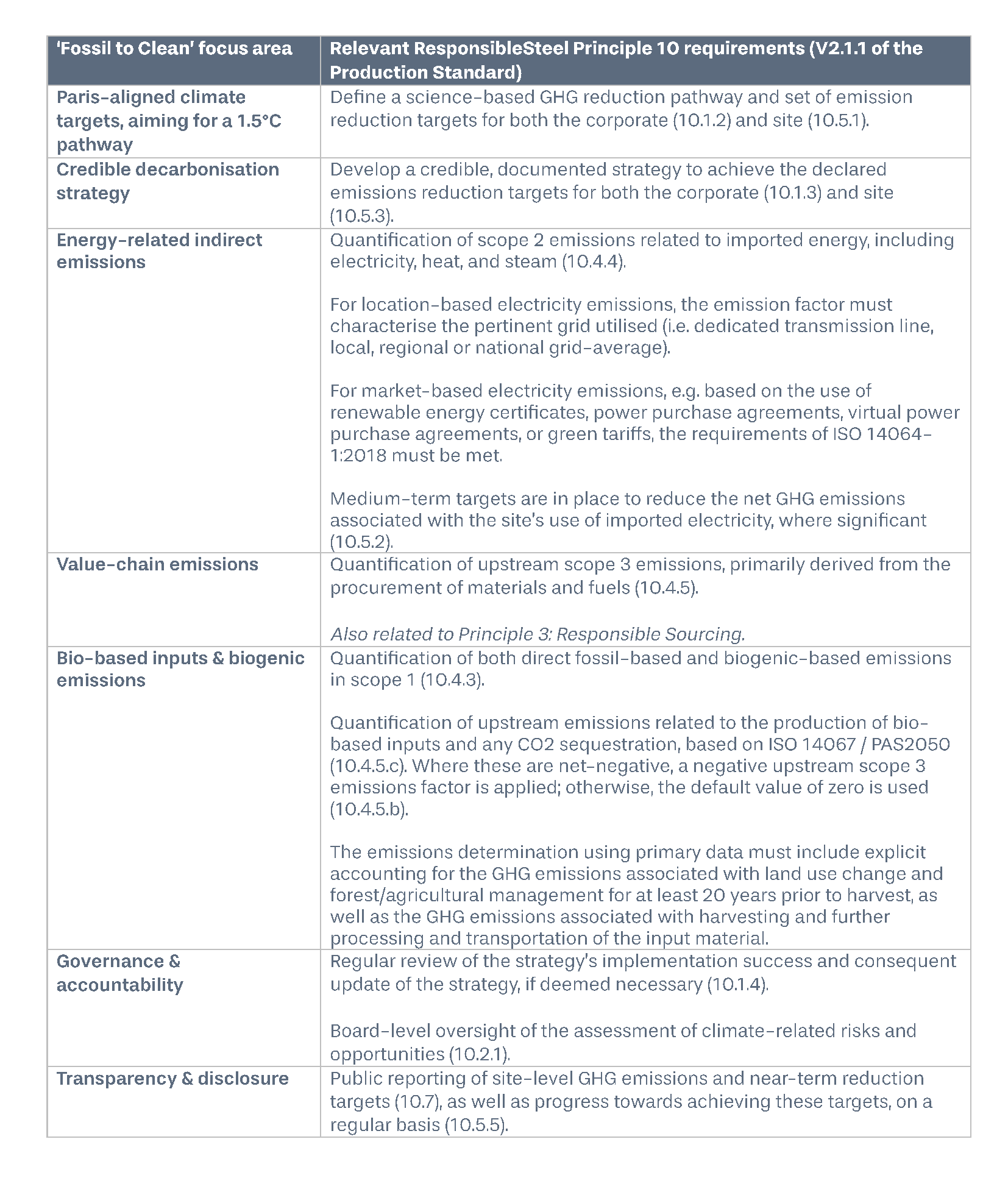
As part of our mission - to be a driving force in the socially and environmentally responsible production of near-zero steel - we have mapped the requirements of the Production Standard against the Fossil to Clean campaign’s focus areas and developed a checklist which can be used as a tool for steelmakers to not only demonstrate alignment with the a ‘Fossil to Clean’ campaign, but also for broader industry stakeholders to recognise and track progress towards a clean industrial transformation.
Decarbonisation and Fossil Fuel Phase-Out Checklist
The checklist is available for download here.
Advancing expectations to demonstrate commitment to climate action
ResponsibleSteel is currently in the process of revising Principle 10’s approach to climate transition plans, under the three guiding principles of ambition, feasibility and simplicity. Based on recent stakeholder consultations, including extensive meetings with a member-based Working Group and independent Technical Advisory Group, Version 3.0 of the Production Standard will likely see a reshaping of the related requirements at corporate (criterion 10.1) and site (criterion 10.5) levels to strengthen credibility.
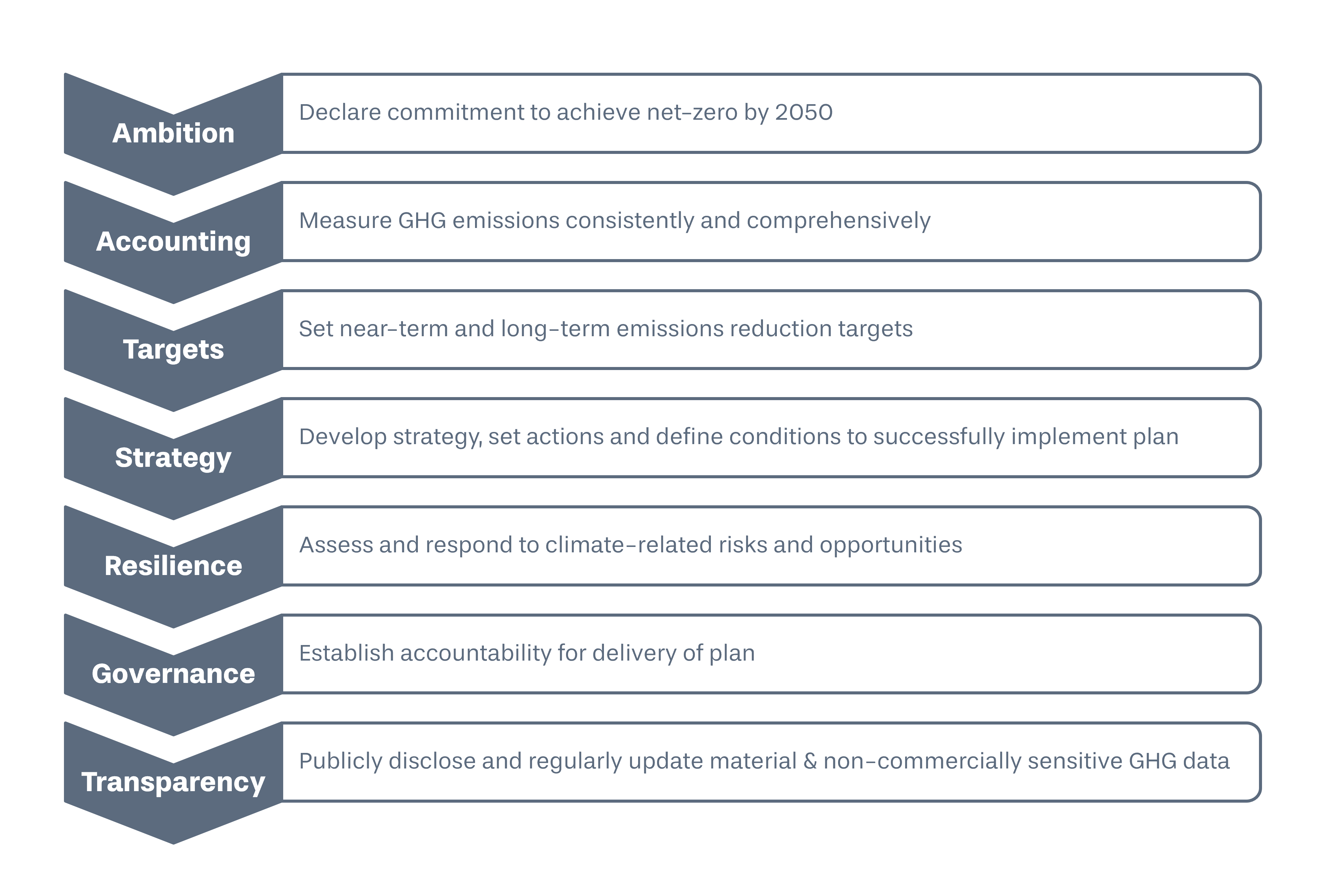
Credible climate transition plans, as defined by ResponsibleSteel, must include several components to ensure a comprehensive plan, assessment and ongoing management of emissions that balances decarbonisation ambition and investment feasibility, both in the near and long-term. The strategy must be driven by the corporation, cascade down to production sites, and integrate feedback loops to ensure decarbonisation outcomes are realised over time.
The credibility framework for climate transition plans is presented in the following figure:
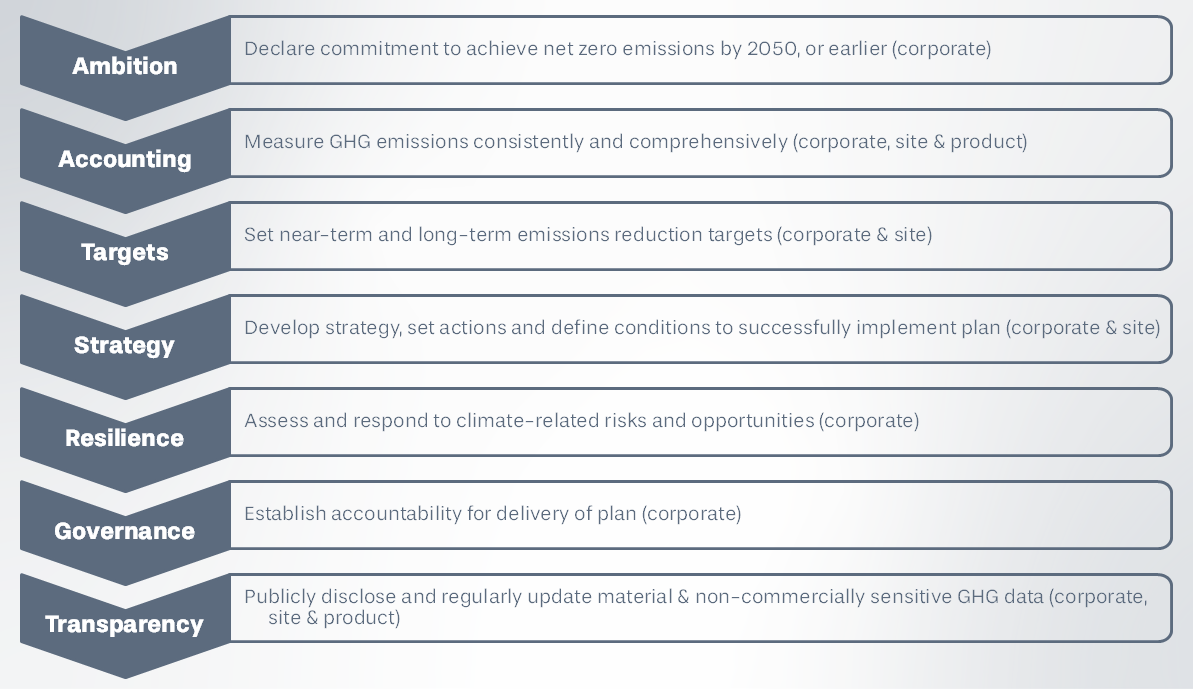
Beyond the presented credibility framework, the revision of Principle 10 will likely include a more holistic and systematic approach to climate transition plans, including improved clarity in how to demonstrate corporate-level ambition, greater alignment across emissions measurement methodologies, and clearer expectations for material scope 3 emissions inclusion.
ResponsibleSteel holds steelmakers accountable whilst celebrating decarbonisation progress
ResponsibleSteel continues to push the industry towards more ambitious decarbonisation outcomes, not only through the Production Standard’s Core requirements, but also through the Decarbonisation Progress Levels, a market mechanism for the trade of low- and near-zero-emissions steel products.
ResponsibleSteel Certification gives civil society organisations, steel buyers, financial institutions, and policymakers the confidence that a steelmaker has a credible transition plan in place, and that meaningful progress is being made towards its implementation. Now, this checklist provides steelmakers with another practical tool to effectively demonstrate progress on decarbonisation and fossil fuel phase-out.
*WMBC’s ‘Fossil to Clean’ campaign aims to catalyse and guide the shift from fossil fuels to clean solutions, calling on companies to phase out fossil fuel use (especially coal); electrify operations where possible; switch to 100% renewable electricity; eliminate new fossil fuel infrastructure; align climate action with a 1.5°C pathway; and use purchasing power and policy advocacy to accelerate the transition. We Mean Business funded ResponsibleSteel’s policy project in 2025.
