

Strengthening climate transition planning: Revising the ResponsibleSteel Production Standard
Last year marked a decade since the signing of the Paris Agreement and six years since the launch of the ResponsibleSteel Production Standard. In that time, expectations on climate action have shifted dramatically. Global emissions continue to rise, and the 1.5°C warming threshold is now projected to be breached by 2034. To remain on a 1.5°C pathway, the Intergovernmental Panel on Climate Change (IPCC) indicates that global CO₂ emissions must fall by 45% by 2030 and reach net zero by 2050. Yet progress in the steel sector is lagging. According to the Mission Possible Partnership’s Global Project Tracker, only 9% of the required operational or committed near-zero steelmaking capacity was in place by the end of 2024.
Against a backdrop of rising global emissions and growing awareness of the consequences of inaction, ResponsibleSteel is undertaking a timely and necessary revision of its climate-related requirements, specifically criteria 10.1 (corporate commitment to the Paris Agreement), 10.2 (corporate climate-related financial disclosure), 10.5 (site-level emissions targets and planning), and 10.7.1 (GHG disclosure and reporting).
A collaborative revision process
From October to January, ResponsibleSteel convened five Working Group (WG) and Technical Advisory Group (TAG) meetings, bringing together 23 representatives from 15 member organisations across certification bodies, civil society, steelmakers, and the wider steel value chain.
As a participant from SteelWatch noted during the process, “Having a diverse group of members involved in the revision process of the standard helps to achieve a balance between what steelmakers deem feasible and where the standard needs to set the bar to trigger ambitious action. ResponsibleSteel has done well navigating and drawing on different perspectives, turning them into concrete proposals that can be submitted for the next steps of the revision process.”
Three guiding principles framed these discussions:
- Ambition: ensuring alignment with global climate goals and science-based pathways
- Feasibility: recognising real-world constraints, particularly in the near term
- Simplicity: avoiding unnecessary complexity while improving clarity and accountability
A key theme that emerged was the foundational importance of credible transition plans that move beyond aspiration and, at the same time, are grounded in realistic assumptions about technology readiness, capital investment cycles, and enabling conditions. As noted by SteelWatch, “Aligning corporate- and site-level requirements is essential in ensuring that top-level corporate ambition and targets translate into actual investment decisions today, and subsequent material transformation and emissions reductions on the ground.”
Moving beyond outdated decarbonisation roadmaps
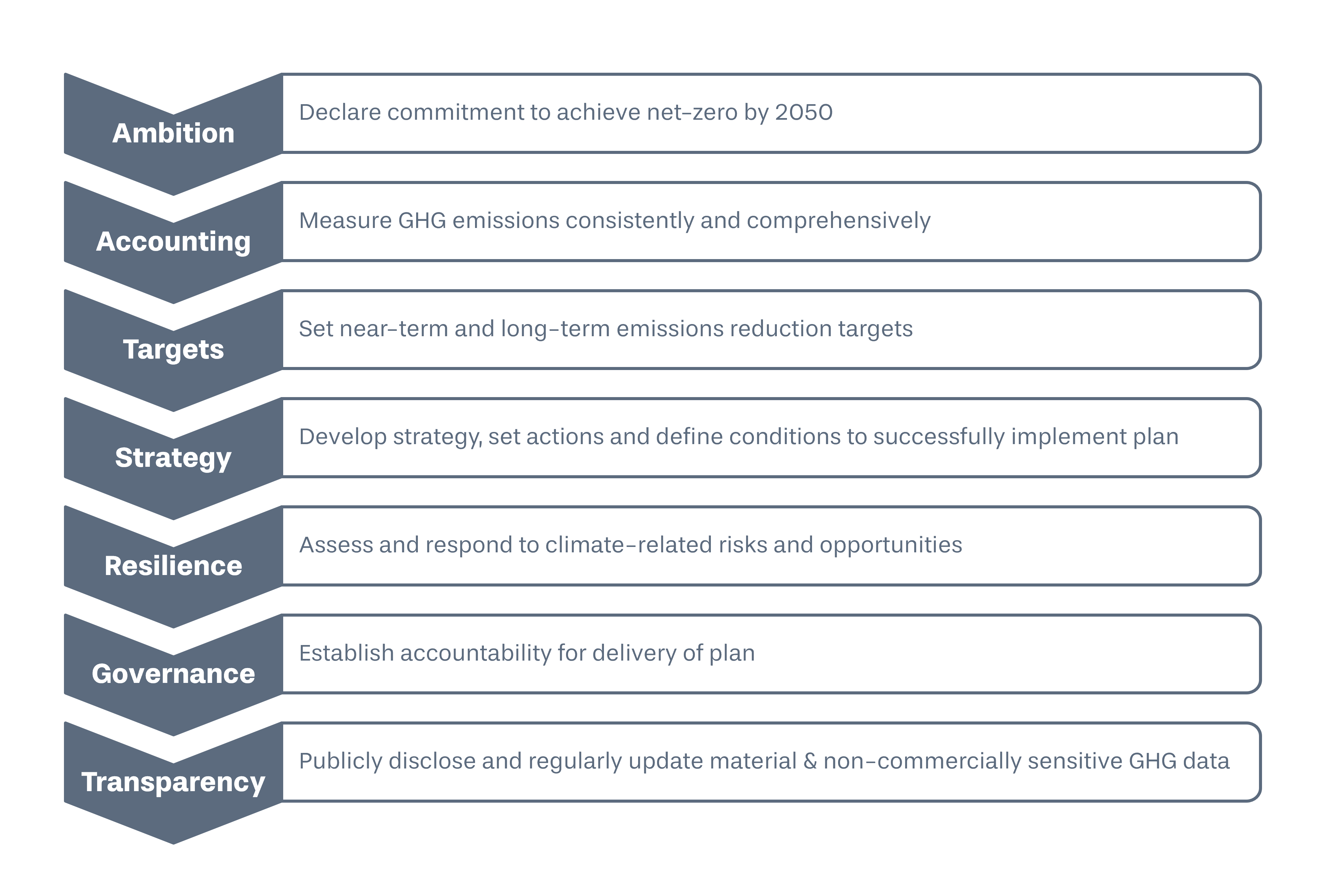
Under the current Production Standard, certified sites must demonstrate that they have a decarbonisation roadmap aligned with an existing model. However, the WG and TAG agreed that many of these models have not been updated in recent years and no longer reflect technological, economic, or policy realities. As a result, they risk undermining rather than strengthening transition planning. The revised approach moves away from a prescriptive reliance on external models and instead proposes to introduce an explicit requirement for a climate transition plan at the corporate and site level.
A participant from EMSTEEL, a ResponsibleSteel member and certified site, commented, “Revising the ResponsibleSteel Standard is an important step in strengthening the steel sector’s collective transition journey. The process provides members with a valuable opportunity to contribute practical insights, share operational experience, and help shape a standard that is both ambitious and implementable. ResponsibleSteel has done an excellent job in creating an inclusive and transparent revision process, encouraging constructive dialogue among members and ensuring diverse industry perspectives are reflected in the development of a stronger and more credible framework.”

What’s proposed to change in the Production Standard?
The proposed revisions strengthen and connect key elements of Principle 10, with a clearer and more coherent architecture across corporate and site levels.
Key improvements include:
- Quantitative, time-bound emissions reduction targets, covering Scope 1 and 2 emissions and material Scope 3 emissions
- Stronger links between corporate- and site-level planning, ensuring that corporate ambition translates into real investment decisions and on-the-ground transformation
- Improved intensity-based disclosures to support comparability, directly aligned with ResponsibleSteel’s broader harmonisation work
- Alignment with leading frameworks, such as IFRS S2 (International Financial Reporting Standards), while retaining flexibility for different regional and operating contexts
- Clearer guardrails for credibility, moving beyond temperature labels alone
There was strong agreement across the WG that clearer wording and guidance are essential to support consistent interpretation and implementation by sites and auditors alike.
Connecting the dots between the Production Standard’s criteria
One of the most important outcomes of the revision process so far has been a clearer set of connections between criteria that, while related, have not previously been well integrated.
In the current Production Standard:
- Corporate transition planning (10.1) is weakly connected to climate-related financial disclosures (10.2)
- Site-level transition planning (10.5) is not sufficiently aligned with corporate-level strategies
- Public GHG emissions disclosure requirements (10.7.1) are limited, focusing mainly on a site’s medium-term reduction target
The proposed changes aim to address these gaps by:
- Requiring climate transition plans to include climate-related financial risks and opportunities, including dependencies that may impose structural barriers, planned changes to business models and strategy;
- Aligning corporate- and site-level planning approaches to reduce carbon leakage risks and ensure consistency across operating boundaries; and
- Strengthening public disclosure requirements to better support accountability, comparability, and progress tracking over time.
Flexibility, credibility, and the reality of steelmaking
The WG and TAG discussions also surfaced a shared understanding of the structural barriers currently slowing decarbonisation in the steel industry. These include:
- Limited technology maturity at scale
- Supply chain and infrastructure constraints
- Energy availability and cost
- Inconsistent or insufficient policy support
- Weak demand signals for low-emission steel
- Trade and competitiveness pressures
Given the long investment timelines and asset lifetimes involved, feasibility in the near term is particularly critical. As such, there was strong support for a flexible, disclosure-driven approach that pairs quantitative targets with qualitative indicators of progress, allowing ResponsibleSteel to uphold high ambition and transparency while recognising that steelmakers cannot address systemic barriers alone.
As ResponsibleSteel’s Decarbonisation Analyst, Melav Salih observed, “A robust climate transition plan must embed decarbonisation within broader strategic and financial planning. It needs to recognise that steelmakers’ transition pathways are shaped by long-lived assets, billion-dollar investment decisions, and dependencies on an ecosystem of change that includes energy systems, infrastructure, policy, and markets.”
Looking ahead
As the Paris Agreement enters its second decade, and as legal, financial, and societal expectations on climate accountability intensify, ResponsibleSteel’s role as a credible, independent standard for the steel industry has never been more important.
By strengthening climate transition planning across corporate strategy, site-level action, financial disclosure, and public reporting, revisions to the Production Standard aim to support steelmakers in navigating this transition transparently and at pace.
Together with parallel work on harmonisation and disclosure alignment, the revisions to climate transition planning requirements represent a critical step toward turning climate commitments into credible, comparable, and feasible transition pathways for the global steel industry.
Learn more about the revision of ResponsibleSteel’s International Production Standard here.

Reflections from China: ResponsibleSteel's CEO Annie Heaton discusses building interoperability across global standards
Interoperability: Building a bridge between global standards
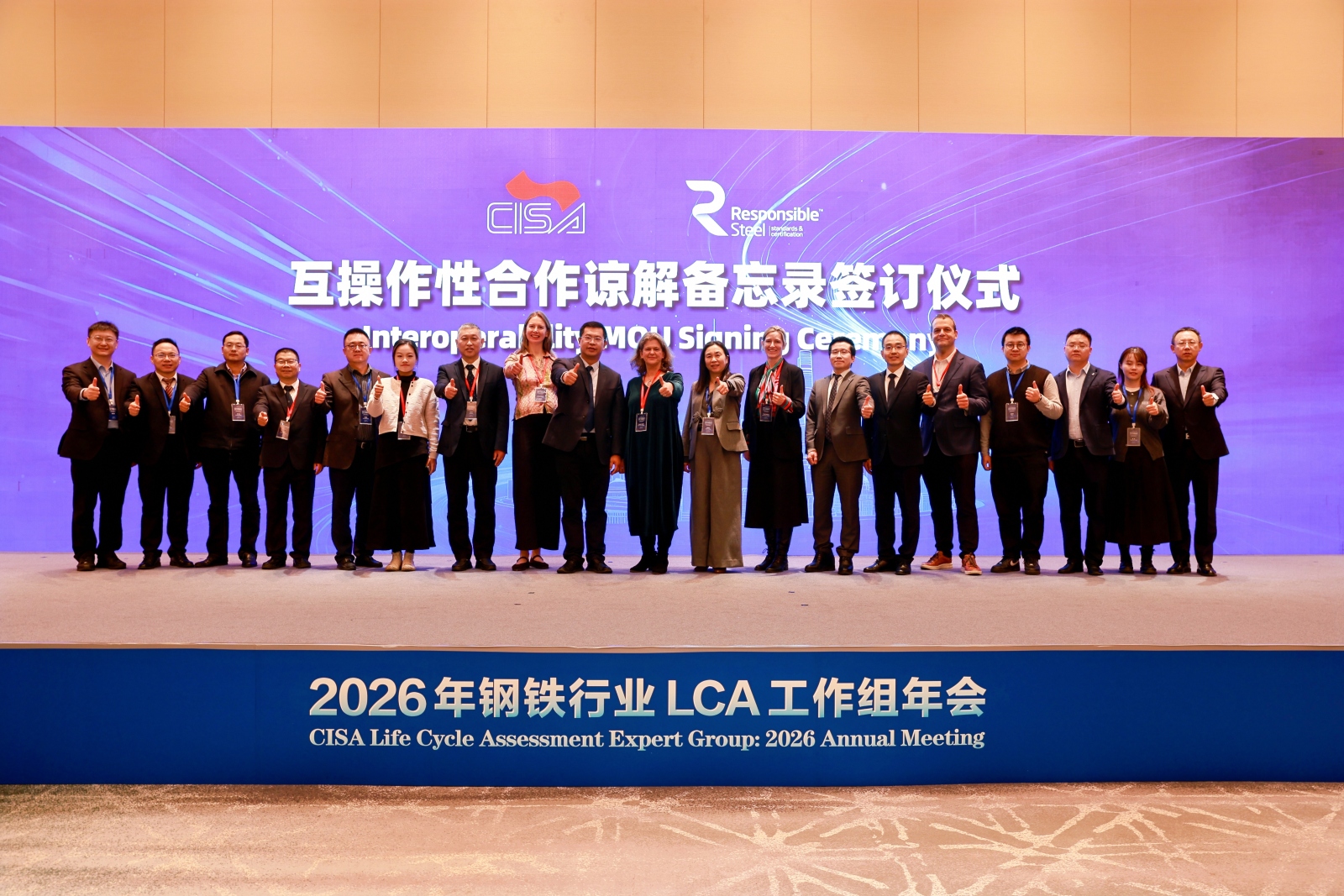
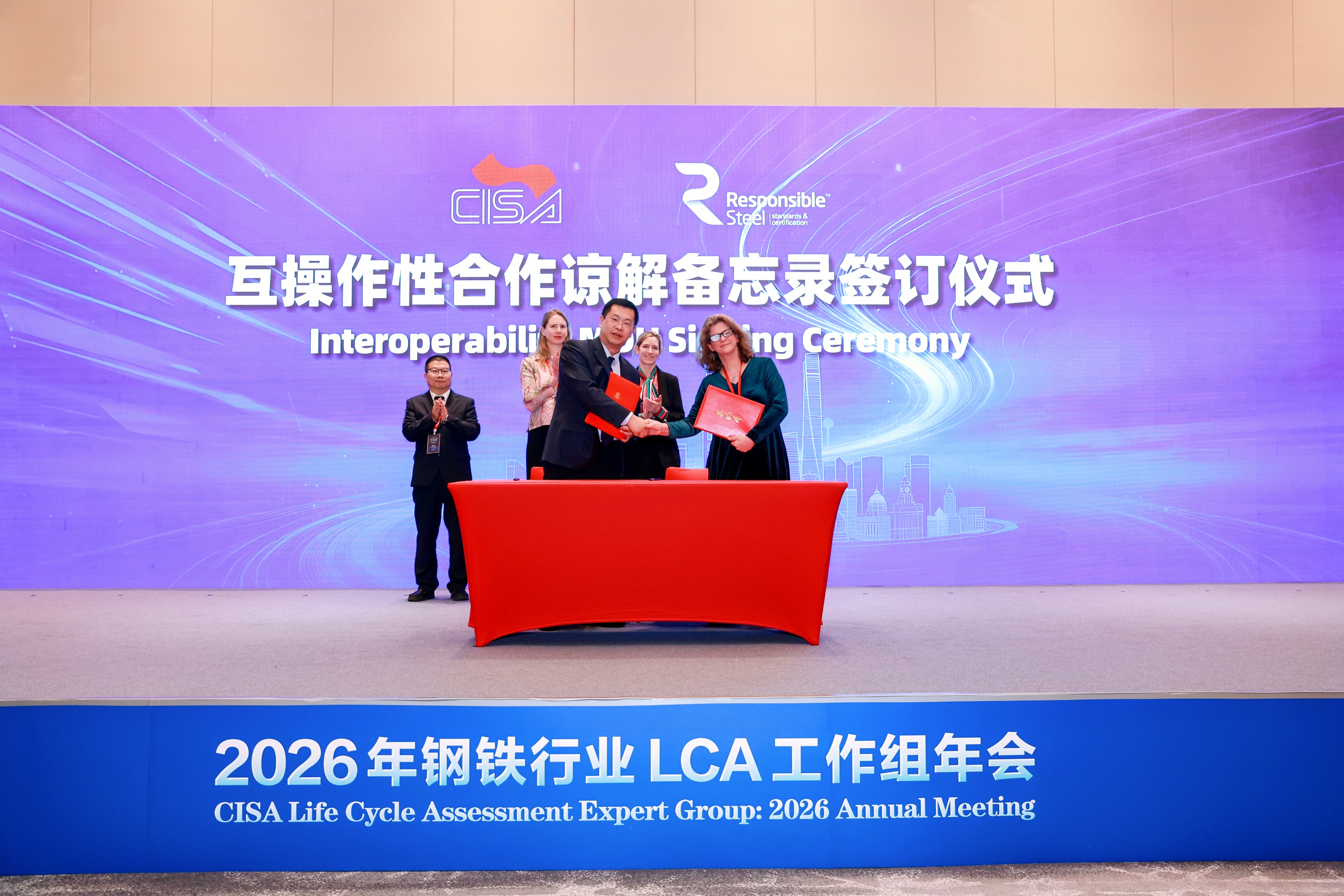
ResponsibleSteel's quest for a coherent market for decarbonised steel in 2026 got off to a constructive start this month. Following the announcement of our landmark agreements with the Chinese Iron and Steel Association (CISA) and the Low Emission Steel Standard (LESS) at COP30, ResponsibleSteel was in China in January to kick off our work on interoperability with CISA. This work in China complements our parallel project with Brussels-based LESS.
The goal? To build trusted data and claims on decarbonisation.
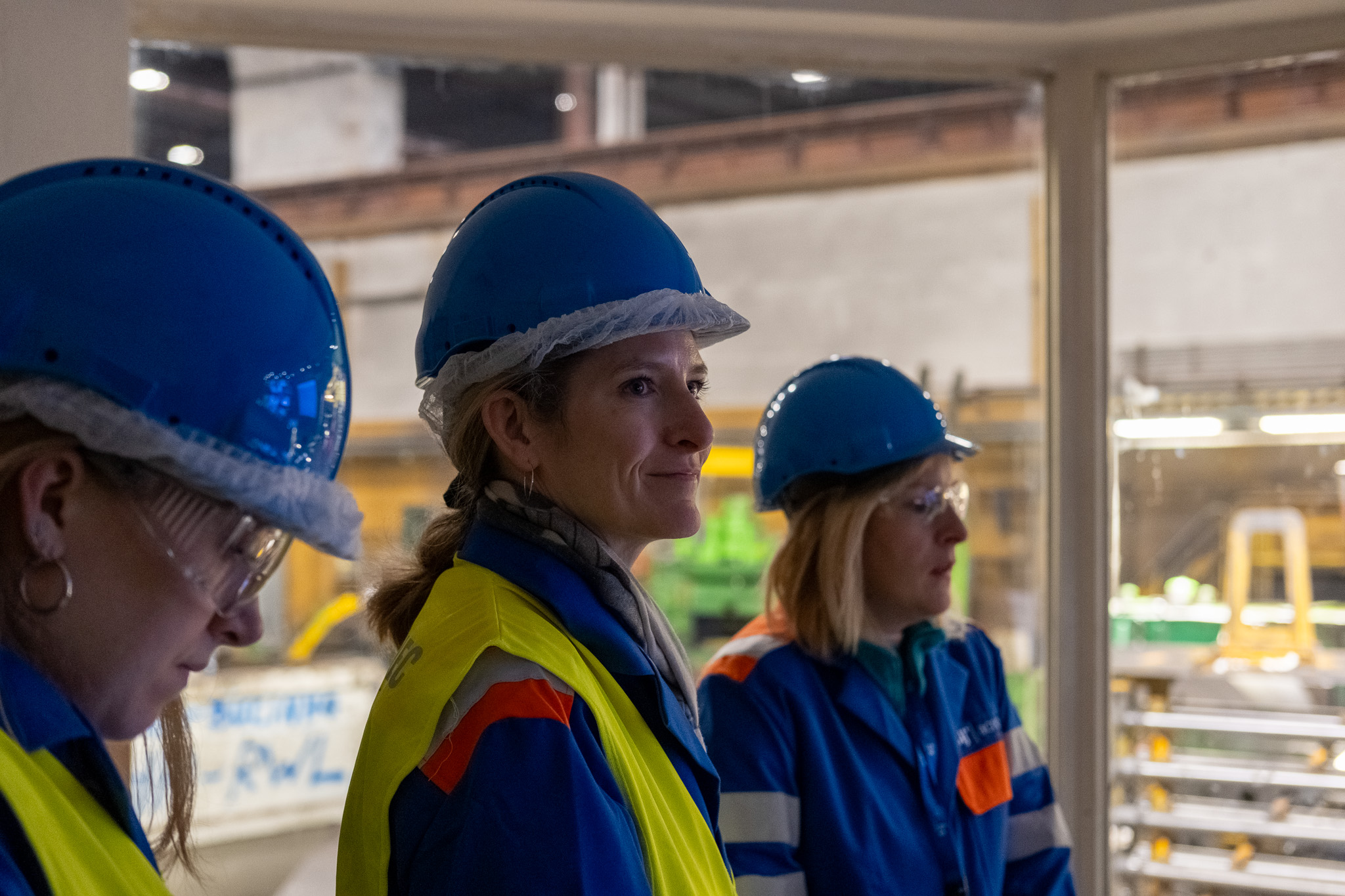
During our trip, our Director of Programmes, Amy Jackson, our Decarbonisation Lead, Alli Devlin, and myself had the opportunity to:
- Present to the Chinese steel value chain our C2F (China's low-carbon emission steel standard) interoperability MoU at CISA's annual LCA conference.
- Connect with our Chinese members, including SKF, World Resources Institute (WRI), Climate Group, VAMA (Valin ArcelorMittal Automotive JV), Penglai Dajin, and some of our certification bodies working in China, including Afnor and China Quality Certification Centre (CQC).
- Get to work on our C2F-ResponsibleSteel Interoperability Project, structuring the discussions around our Framework for Credible Interoperability.
- Visit the 15mtpa Zhanjiang steel plant, where a new DRI-EAF line was launched in Dec 2025. This has involved the production to date of iron reduced with hydrogen in a 1mtpa DRI plant. Whilst this is currently produced from refined coke oven gas, the project is a hugely significant demonstration of the potential to produce hydrogen-based DRI at an industrial scale.
.jpg)
What do ResponsibleSteel's interoperability projects look like in practice?
In short, interoperability means measuring emissions using rules that are as aligned as possible, and recognising the differences, to enable comparison on a like-for-like basis. Imagine the benefit this would bring for anyone wanting to distinguish what good looks like, for example, procurement teams, investors, and policymakers.
But making interoperability work in practice requires a lot more if we want a reliable, credible and sustainable system that generates high-quality, comparable data.
We've outlined the key components of this in our Framework for Credible Interoperability, which will inform both our work with LESS and CISA:
- Aligned GHG accounting rules
- A reliable calculation tool
- A robust assurance mechanism
- Credible claims protocols
- Good governance, oversight and resourcing
- Appropriate data management
- Strong operations management systems
This is how markets are built: first with innovation, then with the necessary rules and systems that enable good information to flow – so that steel buyers can understand, investors can evaluate, and steelmakers can compete, based on emissions performance that everyone can trust.


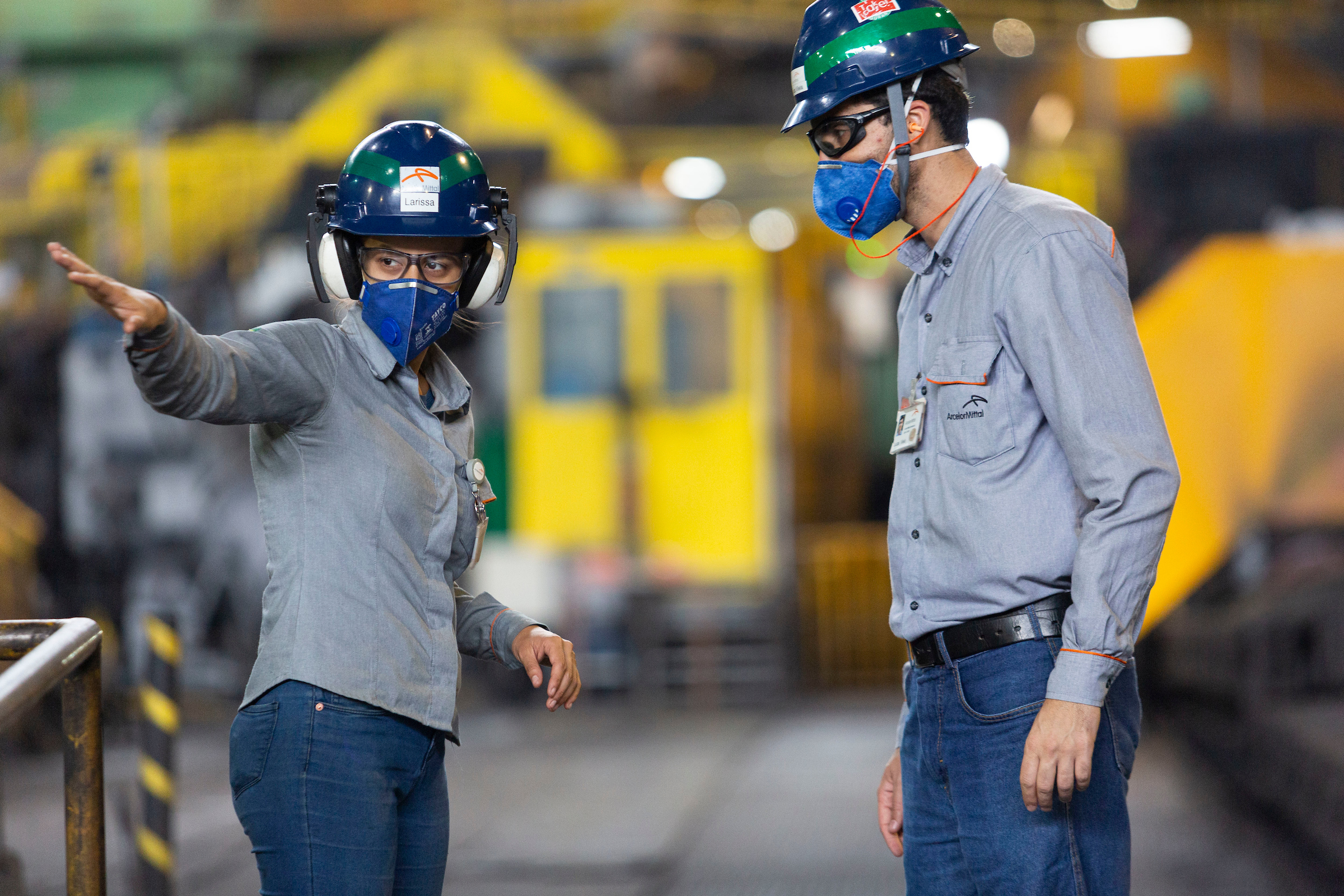
First certified steelmaking site in Latin America announced: ArcelorMittal Tubarão, Brazil
ResponsibleSteel has awarded the world’s first certification to a steelmaking site in Latin America. ArcelorMittal Tubarão is the first industrial plant in Latin America to receive the sustainability certification for its operations.
Ali Lucas, acting CEO for Responsible Steel, said “The steel sector has been strongly affected by the Covid-19 pandemic and its recovery is essential to the region. But growth cannot, and should not, occur at all costs. For this reason, being granted the first ResponsibleSteel certificate is extremely important. This is not an easily achieved accomplishment and the highlights of the sector are not focused only on decarbonization processes but also on the respect for human rights, labour rights and local communities always ensuring that health and safety remain a priority and focusing on the larger spectrum of ESG principles. The importance of a responsible steel supply chain is in line with the Latin America stakeholders, who know very well the connections between mining and steel production. This is the reason why a responsible supply chain will become an important and growing part of the ResponsibleSteel certification process. We applaud ArcelorMittal Tubarão on this momentous achievement.”
For more on ResponsibleSteel’s certification and Standards click here: https://www.responsiblesteel.org/certification
For more on the story click here: https://brasil.arcelormittal.com/sala-imprensa/noticias/tubarao/arcelormittal-tubarao-obtem-certificacao-em-sustentabilidade-inedita-nas-americas


International Women’s Day
Today is International Women’s Day. A day to celebrate women leaders everywhere who are campaigning for a better, more sustainable and just world. To highlight the day, we asked two women from ResponsibleSteel – Hayley Jarick and Ali Lucas- to tell us what International Women’s Day means for them.
Hayley Jarick is Director ResponsibleSteel, CEO and Company Secretary of the Supply Chain Sustainability School Limited, worked many roles in many industries, mentor, volunteer, wife, and mum.
Ali Lucas is ResponsibleSteel’s Acting CEO. Ali worked on the launch of the Forest Stewardship Council and leading campaigns against the illegal trade in wildlife. She was a co-founder of The Climate Group and led WWF UK’s marketing and communications work delivering annual income of £70 million. Ali joined ResponsibleSteel in 2019.
What does International Women’s day mean to you?
HJ: It is a day where women are socially permitted to celebrate their achievements without the negative stigma that typically follows boasting. However, it is also a day to reflect on the zealousness of your ambitions and those you officially/unofficially lead.
AL: It’s a reminder – a time to reflect on women in leadership and know that seeing women in different roles of leadership is important in changing the future for young girls
Tell us how you first became involved in the environment movement?
HJ: I was born. It’s always been a core value of mine, but I only started working in the field after being inspired by an amazing woman, Amy Luscombe, who showed me how to unite my personal values with my career.
AL: I was drawn to working for an organisation that I had supported during my childhood – World Wildlife Fund – which worked globally to save species and their habitats
What’s the best thing about your job?
HJ: The best thing about my job is working for purpose. I know that one day I can sit back and tell my kids and grandkids that I spent my time and used my talent in the pursuit of making the world a better place for them and future generations.
AL: Being able to see how different sectors can achieve real impact by working together – not always an easy conversation !
Your proudest “environmental or ESG” moment? Why?
HJ: I work with a diverse group of people from various industries and sized organisations. And the one thing that gives me pride, above all others, is the look in an individual’s eye when they first realise the opportunities and benefits of sustainability for themselves, their family and their career.
AL: Launching The Climate Group at a time when, unbelievably, the issue of climate change was just emerging into mainstream dialogue.
What role does gender play in the climate crisis do you think?
HJ: I don’t think gender plays a role explicitly, but the lack of diversity more broadly in crucial decision-making positions is a significant contributor to human-induced climate change.
AL: The real impacts of climate change are more than often felt at a devastating human level – for example floods and drought where women tend to be on the front line of dealing with the practical problems – quite literally, survival.
Are there enough women leaders in climate change? And if not, how can we change this?
HJ: There are plenty of women leaders in climate change; you just have to look at groups like 1 Million Women {https://www.1millionwomen.com.au/}. The problem is we need more followers of all genders.
AL: There are many pioneering women working on climate change around the globe. It’s an exciting arena for women representing many different aspects of this issue – including science. Women everywhere are rising to the challenge and leading on solutions. I find many women in this field, including the women I work with and our members, very inspiring. They give me hope.
What does Responsibility mean to you?
HJ: Responsibility is owning the impact of our actions and apathy, intentional or incidental, whether detrimental or delightful.
AL: It really is every person playing their own part on a daily basis – small changes in personal behaviour can have a big influence and a real impact.
Through history, which famous environmental or social justice (or both) leaders have inspired you and why?
HJ: When I was a teenager, I was privileged enough to hear a live address from Hafsat Abiola, an inspiration advocate for democracy, gender equality and women’s leadership in Africa and around the globe. She responded to her father’s imprisonment and assassination of her mother by founding the Kudirat Initiative for Democracy (KIND) and continuing the progress her parents started. After hearing her story, many of us in the room wanted to know how we could help her. Her response has stuck with me ever since. She didn’t want us to help her. Instead, she wanted us to find a cause that had meaning for us and to be passionate about that.
AL: Christiana de Figueres. She is such as icon and recognised leader on global climate change. Assuming responsibility for the international climate change negotiations after the failed Copenhagen conference of 2009, she was determined to lead the process to a universally agreed regulatory framework – and she did it!
Do you have a favourite ecosystem/flagship species? If so, what is it and why?
HJ: Not favourites, but the connections between species still intrigue me.
AL: I’ve always been drawn to the Arctic – very enigmatic and mysterious – that very fragile ecosystem of giant expanses of ice and snow, huge icebergs, drifting in the arctic seas supporting a myriad of plant and animal life …and a huge indicator of how the world’s climate is changing
In a sentence, what is leadership?
HJ: Leadership is inspiring and helping others become their best selves.
AL: Having a clear vision – being able to listen but having confidence to take the decisions
Inspiring stuff! Meanwhile, we’d also love to know from all our members and supporters who inspires you? Please do leave a comment on our Twitter or LinkedIn.

February 2022 Newsletter
Please view our February 2022 newsletter by clicking the link below:

ResponsibleSteel announces world’s first certified steelmaking site in Australia: BlueScope Port Kembla Steel Works
ResponsibleSteel has awarded the world’s first certification to a steelmaking site in Australia. The BlueScope Australian Steel Products Manufacturing site in Port Kembla, Australia manufactures plain carbon steel, low alloy steel and large structural steel products including continuously cast slabs, hot rolled plate, and hot rolled, cold rolled, metal coated and organic coated flat steel strip in coil form.
ResponsibleSteel acting CEO, Ali Lucas said :
“Having the first ResponsibleSteel certified site in Australia is critically important. Australia’s steel industry generated $29 billion in annual revenue and employs over 110,000 Australians. Australia is also one of the most critical biospheres on earth.”
“The successful assessment of a steel making site against the very exacting criteria within the ResponsibleSteel Standard highlights the importance of a steel sector not only focused on decarbonisation but also on ensuring that health and safety remains of paramount importance, respecting human rights, worker rights and local communities, and focused on the whole ESG spectrum.”
“We applaud BlueScope on this momentous achievement and look forward to working with them closely on the next stage of their journey – certified Steel, which will further reassure business and consumers that the steel they use has been not only produced responsibly but also sourced responsibly at every stage of its journey.”
BlueScope’s commitment will send a clear and strong message to markets, investors, financiers and governments about the steel industry’s intent to not only decarbonise steel production, but also to ensure responsible ESG practices in steelmaking, has well and truly begun.”
For more on story click here. https://www.bluescope.com/sustainable-steel/responsiblesteel

January 2022 Newsletter
Please view our January 2022 newsletter by clicking the link below:

December 2021 Newsletter
Please view our December 2021 newsletter by clicking the link below:

Methane and Steel
A few months ago, the United States, the European Union, and partners formally launched the Global Methane Pledge, an initiative to reduce global methane emissions to keep the goal of limiting warming to 1.5 degrees Celsius within reach. A total of over 100 countries representing 70% of the global economy and nearly half of anthropogenic methane emissions have now signed onto the pledge. Methane emissions are particularly relevant to the steel industry. Below you can read Ember’s view on the importance of dealing properly with methane emissions from metallurgical coal, the responses steel makers could have to this challenge. We also asked one of our members North Coal what they were doing to address this issue at their proposed site.
Steel’s Methane Footprint – Ember
For steel industries, there are two reasons that methane is a major climate change imperative. Firstly, combined coal mine methane emissions have an enormous impact on climate change in the short term, outstripping the EU’s total carbon emissions according to Ember analysis. Secondly, the steel industry is a major consumer of metallurgical coal, which is associated with some of the highest methane emissions of any type of coal mining.

We estimate that coal mine methane associated with steel production generates 15.9 billion cubic meters of methane per year. This is equivalent to the total CO2 emissions of Germany and the United Kingdom combined, substantially to the global warming effect of blast furnace steel. These emissions should be included in corporate scope 3 emissions, but to date, they have not.
So what can the industry do? Steel companies can take the initiative and demand that their suppliers of coke or coking coal 1) properly measure the methane emissions associated with its production and, 2) take aggressive action to mitigate unnecessary venting of coal mine methane. Our analysis shows that much of this methane can be profitably utilized to generate electricity, or otherwise destroyed via flaring or oxidation at very low cost.
This will also help future-proof supply chains, as it is increasingly likely new regulations will affect methane emissions from coal. The United Nations Climate Change Conference in Glasgow in November (COP26) put methane on the top of the climate agenda, with over 100 countries signing the Global Methane Pledge. The United States and the European Union are both following up with ambitious legislative packages, which could push coal companies to measure, report and mitigate methane emissions.
North Coal
ResponsibleSteel Members with coal mines are very well aware of the challenges caused by methane emissions which is why they are taking actions. For example, North Coal agrees that steel companies should demand properly measured emissions from all raw materials sourced, and raw material providers should take action to mitigate their Scope 1 and 2 emissions including mine methane. It is a position North Coal supports and has taken action on. North Coal is focused on providing steelmakers with carbon-neutral metallurgical coal with minimal Scope 1 and 2 emissions and has partnered with the Bradshaw Research Institute for Mining and Minerals (BRIMM) at the University of British Columbia to quantify emissions and develop a strategy and tactical plans to net-zero. This will include a mine design that minimizes emission emitting equipment while also taking advantage of available clean hydroelectricity. Working with BRIMM we will also accurately measure fugitive seam emissions and look to develop strategies to drain fugitive methane pre-mining and explore alternative uses for the gas that lowers its emission footprint.
North Coal has also partnered with Circulor Limited to establish metallurgical coal traceability and dynamically track CO2 and environmental, social, and governance (ESG) performance. Traceability allows North Coal to demonstrate both carbon and other sustainability performance and the higher value-in-use that net-zero coal has for blast furnace steelmakers. This data is increasingly critical to steel manufacturers’ growing imperative to ensure their supply chain has the lowest possible CO2 emissions and to demonstrate ethical sourcing.
North Coal – https://northcoal.ca/
North Coal and Circulor partnership: https://www.worldcoal.com/coal/02112021/north-coal-and-circulor-partner-to-support-esg-transparency/
BRIMM at University of British Columbia – https://brimm.ubc.ca/
Circulor – https://www.circulor.com/

2021 in review
2021 has been a breakthrough year for ResponsibleSteel. This video looks at our year in review as well as signalling ahead to the huge opportunities that 2022 will bring.

ResponsibleSteel’s Standard incorporated into CRU’s Emissions Analysis Tool
ResponsibleSteel, the steel sector’s first global multi-stakeholder certification and standard initiative, and CRU Group, the leading global mining, metals and fertilizer market intelligence company, have signed a Memorandum of Understanding (MOU) which includes the integration of the ResponsibleSteel Standard into CRU’s Emissions Analysis Tool.
The CRU Emissions Analysis Tool is a digital platform that compares emissions across global value chains. The tool compares asset level sustainability data which will now include acknowledgement that a steel site has been audited and passes the rigorous standards laid out in ResponsibleSteel’s certification programme.
The MOU between ResponsibleSteel and CRU allows the industry to accelerate its sustainability journey. Key benefits of the partnership include:
- Increase global knowledge and awareness of steel and steelmaking raw materials value chains and their material sustainability issues,
- Maximise opportunities for improvement in value chain sustainability, through increased transparency,
- Enhance analysis and transparency of steel and steelmaking raw material assets-, products-, corporates-, and sector-related performance for all stakeholders,
- Develop and share science- and data-based approaches to supply chain risk mitigation and resilience.
On the partnership, Chief Executive of ResponsibleSteel Anne-Claire Howard stated: “I am delighted to formalise our collaboration with CRU through this Memorandum of Understanding. The integration of ResponsibleSteel published information on ResponsibleSteel certification status into the CRU Tool will increase stakeholders understanding of sustainability efforts in the steel sector, allow comparability across the sector and along supply chains and provide transparency of where improvements are taking place and we hope that in 2022 we will be able to add certified steel to this.
CRU’s Head of Research Development, Lavan Mahadeva echoed Howard, “Most of the headlines on sustainability in steel have been on carbon emissions and the industry’s large carbon emissions footprint. CRU developed our expert cost model carbon emissions calculations for the steel value chain and our Emissions Analysis Tool data portal to bring evidence to this debate. We are delighted to represent ResponsibleSteel in our data portal and to support them in their task of promoting and enlightening on all aspects of the responsible sourcing, production, use and recycling of steel, a material that we cannot do without.”
Discussing the partnership and developments along the pathway to sustainable steel, ReponsibleSteel and CRU will host a webinar in January 2022. Steel producers, sustainability leaders, policymakers and investors are encouraged to attend the free session. Register your interest here.

November 2021 Newsletter
Please view our November 2021 newsletter by clicking the link below:

voestalpine Steel Division awarded ResponsibleSteel Certification
15th November: ResponsibleSteel is delighted to announce that one of its first steel producer members – Steel Division of the voestalpine Group – has successfully passed an independent audit against the ResponsibleSteel Standard – the global sustainability standard for the steel sector.
voestalpine – a globally leading steel and technology group with a unique combination of materials and processing expertise – has been a member of ResponsibleSteel since 2019 – and has been instrumental in helping to develop the ResponsibleSteel Standard over the past three years.
The ResponsibleSteel audit process enables each steel making site to prove that its production processes meet rigorously defined standards across a broad range of social, environmental and governance criteria including:
- Climate change and greenhouse gas emissions
- Water stewardship and biodiversity
- Human rights and labour rights
- Community relations and business integrity
The Standard is based on 12 principles with a variety of criteria and underlying requirements. To be awarded ResponsibleSteel Site Certification, each site has to undergo a detailed third-party audit, including an on-site visit, interviews with internal and external stakeholders, an expert Assurance Panel reviewing the audit report and an independent Certification Committee making the final certification decision.
Anne-Claire Howard, ResponsibleSteel CEO said: “I am delighted that voestalpine has been awarded certification for their Linz-based Steel Division in Austria. The ResponsibleSteel Standard, created by the steel sector’s only truly global multi-stakeholder initiative, contains a very exacting set of ESG criteria which we hope gives business and consumers confidence that the site at which the steel is being produced is operated responsibly.”
“I would like to congratulate the teams at voestalpine who supported the development of the ResponsibleSteel Standard and are now able to see it implemented. We look forward to continuing to work together on the next phase of our journey – Steel Certification.”
voestalpine has drawn up an ambitious phased plan for green steel production (greentec steel): Using a hybrid technology and electric arc furnaces would allow CO2 emissions to be reduced by around 30% in a first step to 2030. Over the long term, the goal is to successively increase the share of green hydrogen used in steel production, arriving at carbon-neutral steel by 2050. Over the past decades voestalpine has already reduced air emissions and energy consumption to the minimum technologically possible. The group has set the global benchmark in this field.
To achieve certification, voestalpine was audited by LRQA, formerly part of Lloyd’s Register, – one of the world’s leading providers of business assurance services. Paul Butcher, LRQA CEO said:
“As business leaders, we are all striving to make our operations more sustainable and to achieve these changes at pace and at scale. ResponsibleSteel certification is helping to ensure that across the steel sector, its standard is driving sustainability strategies that are as relevant, effective and
impactful as they can possibly be. Congratulations to voestalpine for living up to their slogan “one step ahead” and becoming one of the first international companies to achieve ResponsibleSteel certification for their Linz operations.”
In 2022, ResponsibleSteel will launch additional requirements for the certification of steel products, which will include stringent requirements for input materials supply chains and greenhouse gas emissions intensity.
ENDS
About ResponsibleSteel
ResponsibleSteel is an international, non-profit multi-stakeholder membership organisation. Businesses from every part of the steel supply chain, civil society groups, associations, and other organisations with an interest in a sustainable steel industry from anywhere in the world are welcome to join. To view the ResponsibleSteel membership list visit: https://www.responsiblesteel.org/about/members-and-associates/
ResponsibleSteel’s vision is that steel’s contribution to a sustainable society is maximised. Its mission is to enhance the responsible sourcing, production, use and recycling of steel by:
- Providing a multi-stakeholder forum to build trust and achieve consensus;
- Developing standards, certification and related tools;
- Driving positive change through the recognition and use of responsible steel.
- The ResponsibleSteel Standard is designed to support the responsible production of steel, as a tool for the achievement of ResponsibleSteel’s vision.
Find current issued certificates and their public audit summaries here.
For more information about ResponsibleSteel please visit: https://www.responsiblesteel.org/
The voestalpine Group
In its business segments, voestalpine is a globally leading steel and technology group with a unique combination of materials and processing expertise. This global Group comprises about 500 Group companies and locations in more than 50 countries on all five continents. It has been listed on the Vienna Stock Exchange since 1995. With its top-quality products and system solutions, it is a leading partner to the automotive and consumer goods industries as well as the aerospace and oil & gas industries; it is also the world market leader in railway systems, tool steel, and special sections. voestalpine is fully committed to the global climate goals, and its greentec steel program represents a clear plan for decarbonizing the production of steel. In the business year 2020/21, the Group generated revenue of EUR 11.3 billion, with an operating result (EBITDA) of EUR 1.1 billion; it had about 48,700 employees worldwide. www.voestalpine.com

The relevance of ResponsibleSteel standards to the implementation of climate policies such as CBAM
The trade in goods and associated supply chain greenhouse gas (GHG) emissions have become more prominent in climate policy discussions over recent years. Intensive negotiations at COP26 on nationally determined contributions (NDC) are of course essential, however, trade in goods between countries and continents does somewhat complicate the question of who is responsible for production emissions. Whilst many countries have signed up to a net zero target by 2050, their NDCs don’t include the often rising amount of embodied emissions from imported goods. An opportunity for countries to support each others’ efforts to reduce their own emissions, for mutual benefit, is being missed.
A recent report on counting carbon in global trade suggests that as much as 38% of global emissions emanate from traded goods, meaning that countries are very much interconnected in the global fight to reduce GHG emissions. Whilst there is no standardised global accounting method for measuring embodied emissions in traded goods, proposals are already afoot to take these emissions into account in new climate policies.
Several countries, including the EU and US, have recently announced plans to introduce a form of carbon border adjustment mechanism (CBAM) with the intention to ensure a level playing field when it comes to the climate compliance costs of manufacturing. Also related specifically to steel, the United States and the European Union have just committed to “negotiate a carbon-based arrangement on steel and aluminium trade…to address carbon intensity of steel… ….and to encourage the production and trade of low-carbon steel.” (White House briefing 31st October 2021).
A CBAM goes some way towards introducing, and partly incorporating, the externality cost of carbon emissions into the price of purchased products. Some industries would argue that they have to absorb higher climate compliance costs when operating in regions such as the EU, which operates an emissions trading scheme, compared to some of the countries exporting to the EU. The border adjustment seeks to make a tax adjustment at the border when goods are imported from a country that enjoys relatively lower compliance costs. Part of the proposed approach by the EU includes having to measure the embedded emissions (in tonnes of CO2e per tonne) of the product that is being imported, and this is where standards, verification and certification come in.
WTO rules make provision for countries that wish to take steps on domestic environmental protection and conservation, and can make reference to international standards. ResponsibleSteel has spent considerable time with its member organisations and other steel sector stakeholders in developing an international standard incorporating rules for the consistent measurement and reporting of the GHG emissions intensity of steelmaking. The standard covers scope 1 and 2 emissions, and crucially the upstream scope 3 emissions for crude steel production. The EU CBAM proposal looks to be very similar in its approach but will also extend to more processed downstream steel products. The existing and developing carbon measurement methodologies in the steel sector, such as those proposed by ResponsibleSteel (for steelmaking sites) and the Net Zero Steel Pathway Methodology Project (at the corporate level), should contribute towards a basis for a common assessment method and setting the right system boundaries under a CBAM policy. At the very least, companies that measure and benchmark their product GHG emission intensities through ResponsibleSteel, will be in a better position to assess the implication of a CBAM on their markets.
Michael Liebreich goes into more details on the issues already mentioned and sets out the characteristics on an effective CBAM. Whilst the primary aim of CBAM is to create a level playing field, or as critics claim as a protectionist measure, time will tell as to the potential wider implications of climate polices such as CBAM in incentivising climate action in, and diverting finance towards, low GHG steelmaking technologies, not only in more developed nations but also in developing countries that may be at earlier stages of their decarbonisation journey.
Either way, we believe that ResponsibleSteel international standard has a critical role to play in providing a globally consistent, verifiable basis for comparing the GHG emissions intensity of steelmaking at different sites around the world.
