
.png)


.jpeg)

%20(1).jpg)
Strengthening climate transition planning: Revising the ResponsibleSteel Production Standard
Last year marked a decade since the signing of the Paris Agreement and six years since the launch of the ResponsibleSteel Production Standard. In that time, expectations on climate action have shifted dramatically. Global emissions continue to rise, and the 1.5°C warming threshold is now projected to be breached by 2034. To remain on a 1.5°C pathway, the Intergovernmental Panel on Climate Change (IPCC) indicates that global CO₂ emissions must fall by 45% by 2030 and reach net zero by 2050. Yet progress in the steel sector is lagging. According to the Mission Possible Partnership’s Global Project Tracker, only 9% of the required operational or committed near-zero steelmaking capacity was in place by the end of 2024.
Against a backdrop of rising global emissions and growing awareness of the consequences of inaction, ResponsibleSteel is undertaking a timely and necessary revision of its climate-related requirements, specifically criteria 10.1 (corporate commitment to the Paris Agreement), 10.2 (corporate climate-related financial disclosure), 10.5 (site-level emissions targets and planning), and 10.7.1 (GHG disclosure and reporting).
A collaborative revision process
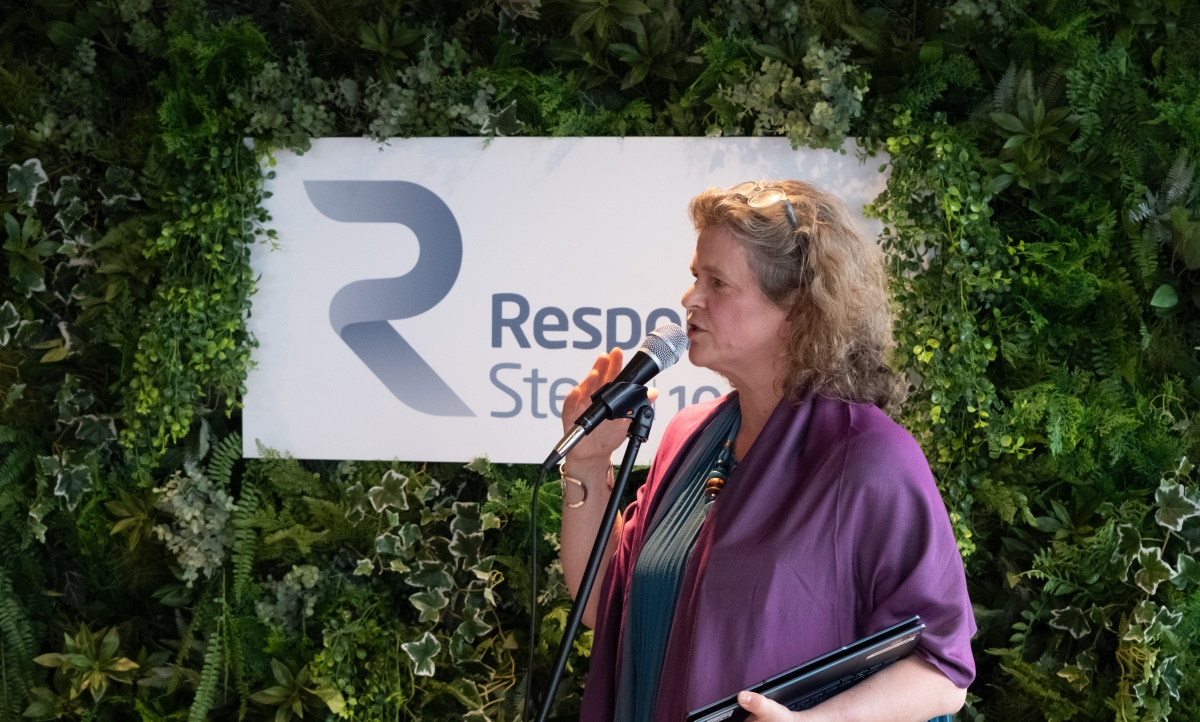
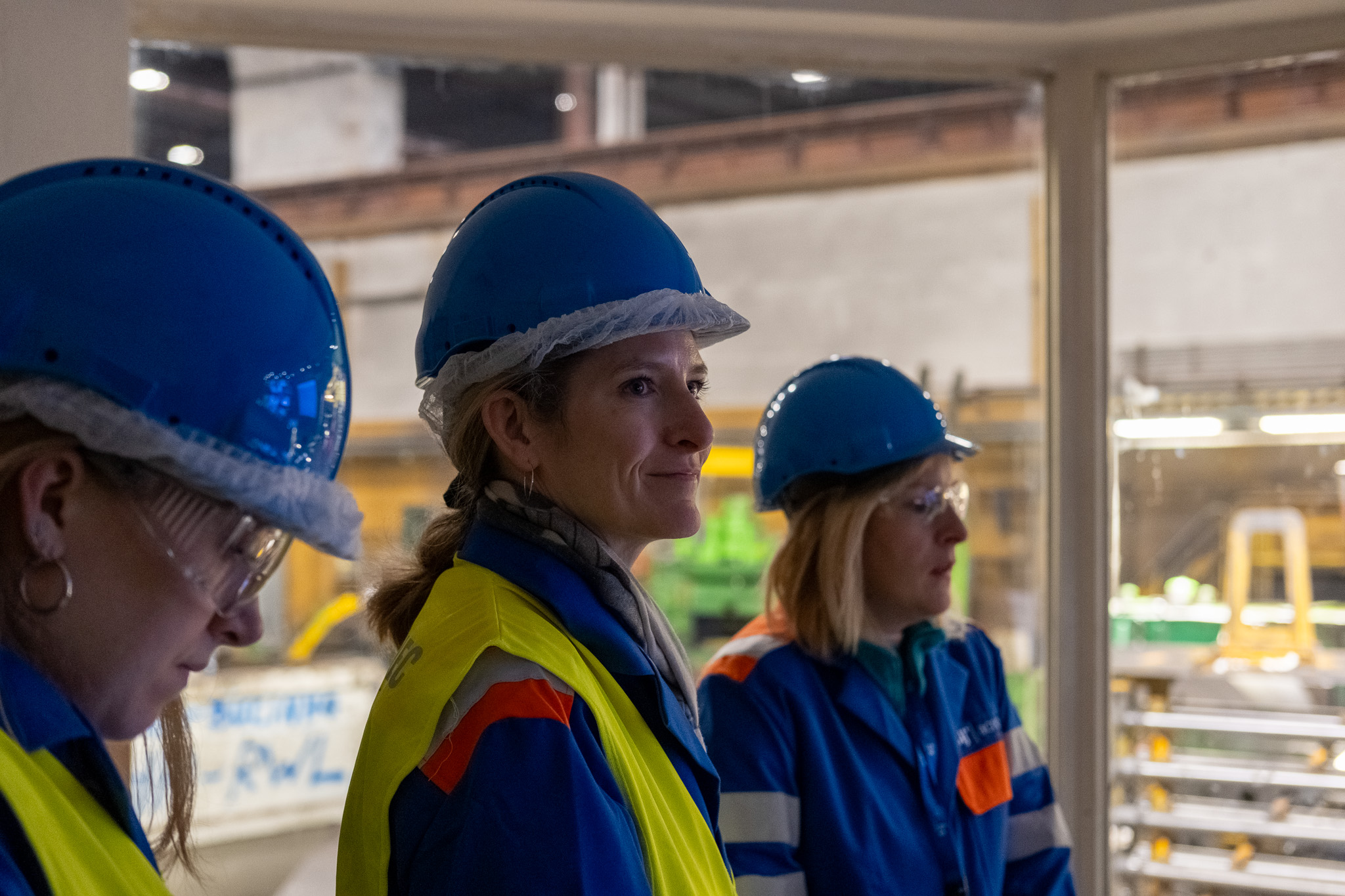
From October to January, ResponsibleSteel convened five Working Group (WG) and Technical Advisory Group (TAG) meetings, bringing together 23 representatives from 15 member organisations across certification bodies, civil society, steelmakers, and the wider steel value chain.
As a participant from SteelWatch noted during the process, “Having a diverse group of members involved in the revision process of the standard helps to achieve a balance between what steelmakers deem feasible and where the standard needs to set the bar to trigger ambitious action. ResponsibleSteel has done well navigating and drawing on different perspectives, turning them into concrete proposals that can be submitted for the next steps of the revision process.”
Three guiding principles framed these discussions:
- Ambition: ensuring alignment with global climate goals and science-based pathways
- Feasibility: recognising real-world constraints, particularly in the near term
- Simplicity: avoiding unnecessary complexity while improving clarity and accountability
A key theme that emerged was the foundational importance of credible transition plans that move beyond aspiration and, at the same time, are grounded in realistic assumptions about technology readiness, capital investment cycles, and enabling conditions. As noted by SteelWatch, “Aligning corporate- and site-level requirements is essential in ensuring that top-level corporate ambition and targets translate into actual investment decisions today, and subsequent material transformation and emissions reductions on the ground.”
Moving beyond outdated decarbonisation roadmaps
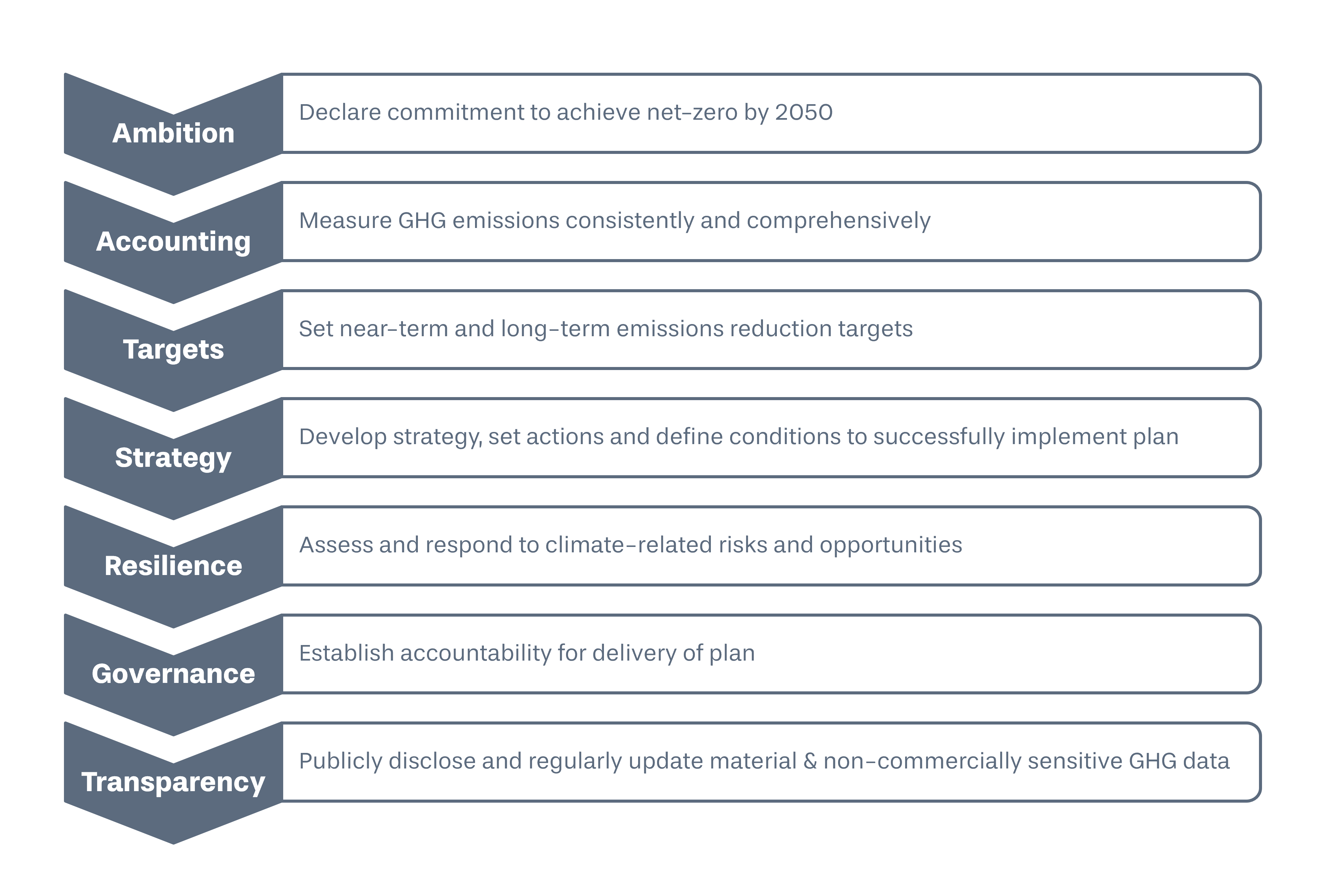
Under the current Production Standard, certified sites must demonstrate that they have a decarbonisation roadmap aligned with an existing model. However, the WG and TAG agreed that many of these models have not been updated in recent years and no longer reflect technological, economic, or policy realities. As a result, they risk undermining rather than strengthening transition planning. The revised approach moves away from a prescriptive reliance on external models and instead proposes to introduce an explicit requirement for a climate transition plan at the corporate and site level.
A participant from EMSTEEL, a ResponsibleSteel member and certified site, commented, “Revising the ResponsibleSteel Standard is an important step in strengthening the steel sector’s collective transition journey. The process provides members with a valuable opportunity to contribute practical insights, share operational experience, and help shape a standard that is both ambitious and implementable. ResponsibleSteel has done an excellent job in creating an inclusive and transparent revision process, encouraging constructive dialogue among members and ensuring diverse industry perspectives are reflected in the development of a stronger and more credible framework.”

What’s proposed to change in the Production Standard?
The proposed revisions strengthen and connect key elements of Principle 10, with a clearer and more coherent architecture across corporate and site levels.
Key improvements include:
- Quantitative, time-bound emissions reduction targets, covering Scope 1 and 2 emissions and material Scope 3 emissions
- Stronger links between corporate- and site-level planning, ensuring that corporate ambition translates into real investment decisions and on-the-ground transformation
- Improved intensity-based disclosures to support comparability, directly aligned with ResponsibleSteel’s broader harmonisation work
- Alignment with leading frameworks, such as IFRS S2 (International Financial Reporting Standards), while retaining flexibility for different regional and operating contexts
- Clearer guardrails for credibility, moving beyond temperature labels alone
There was strong agreement across the WG that clearer wording and guidance are essential to support consistent interpretation and implementation by sites and auditors alike.
Connecting the dots between the Production Standard’s criteria
One of the most important outcomes of the revision process so far has been a clearer set of connections between criteria that, while related, have not previously been well integrated.
In the current Production Standard:
- Corporate transition planning (10.1) is weakly connected to climate-related financial disclosures (10.2)
- Site-level transition planning (10.5) is not sufficiently aligned with corporate-level strategies
- Public GHG emissions disclosure requirements (10.7.1) are limited, focusing mainly on a site’s medium-term reduction target
The proposed changes aim to address these gaps by:
- Requiring climate transition plans to include climate-related financial risks and opportunities, including dependencies that may impose structural barriers, planned changes to business models and strategy;
- Aligning corporate- and site-level planning approaches to reduce carbon leakage risks and ensure consistency across operating boundaries; and
- Strengthening public disclosure requirements to better support accountability, comparability, and progress tracking over time.
Flexibility, credibility, and the reality of steelmaking
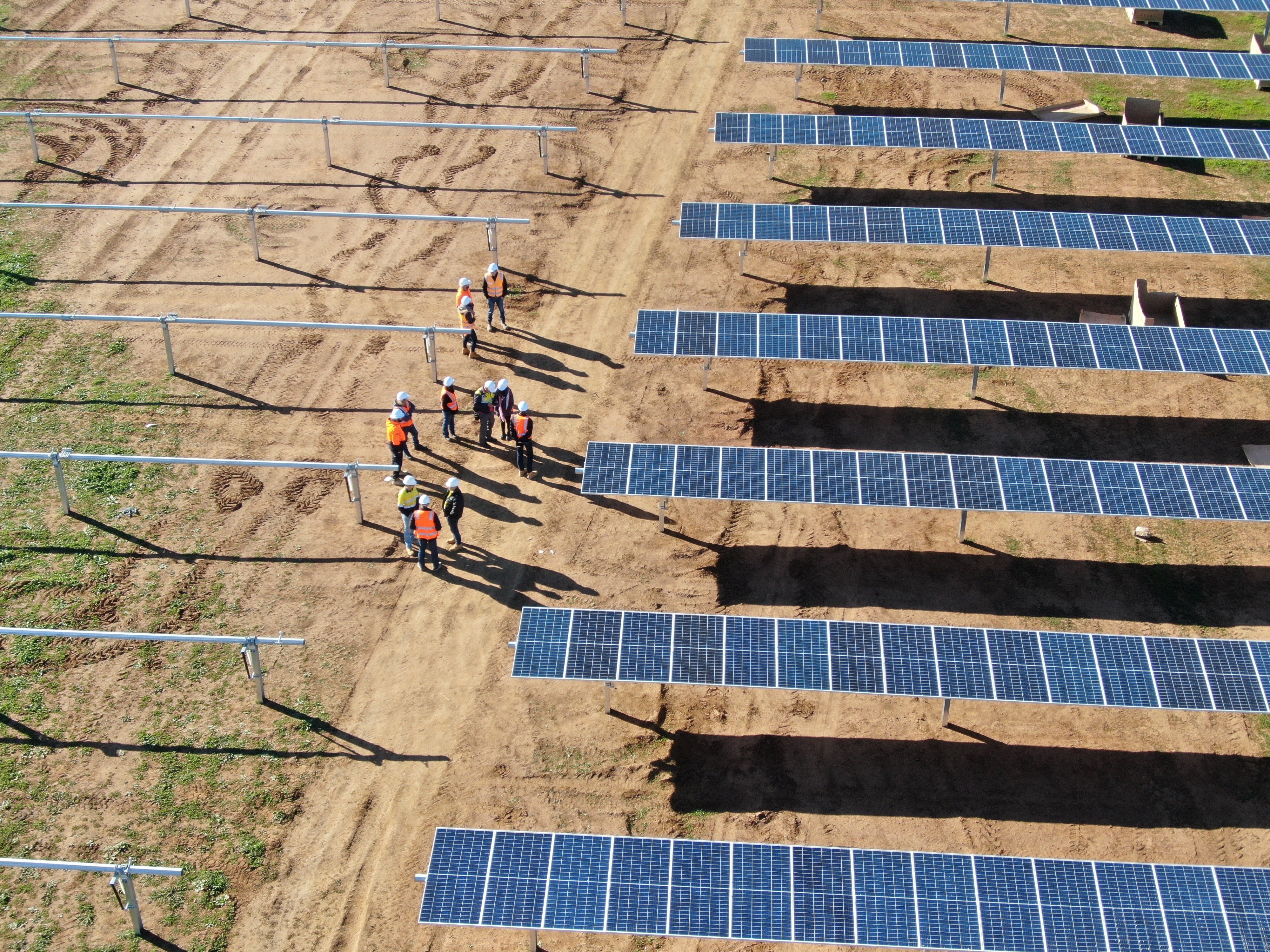
The WG and TAG discussions also surfaced a shared understanding of the structural barriers currently slowing decarbonisation in the steel industry. These include:
- Limited technology maturity at scale
- Supply chain and infrastructure constraints
- Energy availability and cost
- Inconsistent or insufficient policy support
- Weak demand signals for low-emission steel
- Trade and competitiveness pressures
Given the long investment timelines and asset lifetimes involved, feasibility in the near term is particularly critical. As such, there was strong support for a flexible, disclosure-driven approach that pairs quantitative targets with qualitative indicators of progress, allowing ResponsibleSteel to uphold high ambition and transparency while recognising that steelmakers cannot address systemic barriers alone.
As ResponsibleSteel’s Decarbonisation Analyst, Melav Salih observed, “A robust climate transition plan must embed decarbonisation within broader strategic and financial planning. It needs to recognise that steelmakers’ transition pathways are shaped by long-lived assets, billion-dollar investment decisions, and dependencies on an ecosystem of change that includes energy systems, infrastructure, policy, and markets.”
Looking ahead
As the Paris Agreement enters its second decade, and as legal, financial, and societal expectations on climate accountability intensify, ResponsibleSteel’s role as a credible, independent standard for the steel industry has never been more important.
By strengthening climate transition planning across corporate strategy, site-level action, financial disclosure, and public reporting, revisions to the Production Standard aim to support steelmakers in navigating this transition transparently and at pace.
Together with parallel work on harmonisation and disclosure alignment, the revisions to climate transition planning requirements represent a critical step toward turning climate commitments into credible, comparable, and feasible transition pathways for the global steel industry.
Learn more about the revision of ResponsibleSteel’s International Production Standard here.



ResponsibleSteel™ Auditor Training Session Autumn 2020
Image Source: worldsteel / Seong Joon Cho
We are pleased to announce that we will offer another ResponsibleSteel online auditor training this year. The dates will be 29 September to 01 October 2020 with sessions each day from 14:00 CET to 19:00 CET, including breaks.
Note that participation in a training session is one of the prerequisites for becoming a ResponsibleSteel approved auditor. Only auditors that are affiliated with a certification body who are Associate Members of ResponsibleSteel and have been approved by ResponsibleSteel may carry out audits against the ResponsibleSteel Standard.
If any of your auditors or colleagues would like to register for this online training session, then please:
- Review the auditor approval and qualification requirements in the ResponsibleSteel Assurance Manual to see if you/they meet our requirements (1.5 and Annex 3)
- If so, complete the auditor application form in the Annex of the Assurance Manual (Annex 2)
- Send the completed application form, a full and up to date CV and all the mentioned documentation to mbammert@responsiblesteel.org by 15 September
- Prior to the training, participants must have studied the ResponsibleSteel Standard and Assurance Manual in full
Note that the training participation fee is 300 USD per auditor.
All the documentation listed above can be accessed via https://www.responsiblesteel.org/certification/.


ResponsibleSteel™ welcomes Heathrow into membership
Heathrow is the UK’s busiest airport, and in 2019 served over 81 million passengers. We pride ourselves on giving excellent service, our vision is to give the Best Airport Service in the World. We want to do this, whilst minimising our carbon footprint and operating as the hub airport for the UK, connecting people, families and businesses across the globe. As we work towards our recovery from the impacts of COVID 19, we are continuing with the activity of maintaining, enhancing and developing the airport, and our capital works programme (2019 capital spend at circa £650m), is highly dependent on key materials such as steel.
Darren Colderwood, Director of Infrastructure at Heathrow, said: “We are striving to develop low-carbon, sustainable solutions, where we use re-use existing hardware, reduce our use of new materials, optimise the materials that we do use, and reduce the carbon footprint of everything that we do, and we are delighted to be joining Responsible Steel. We see this as a key next step in our pursuit of working with sustainably-sourced, low-carbon products that help us to achieve our objectives whilst minimising our impact on the planet.”
“We are delighted to welcome Heathrow – one of the world’s busiest airports – as a business member of ResponsibleSteel” said Ali Lucas, Executive Director, ResponsibleSteel. “It is incredibly encouraging to see that companies such as Heathrow who, whilst navigating the challenges of recovering from COVID 19 – recognise that becoming a member of and working together with ResponsibleSteel can help to achieve their objectives of using low carbon, sustainable products.”

MobileGlobal joins ResponsibleSteel™
MobileGlobal operates in Western Australia as a consultancy for Technology, Mining and Energy companies. We believe that Green Steel provides a significant opportunity for business and the environment. Our philosophy is that Green Steel should be green end to end. Our approach is to apply our skills in equities research, economics, governance, risk and compliance and financial markets to provide a view of possible outcomes and scenarios in this vital and exciting area. We believe that these skills may be of assistance to ResponsibleSteel in future.
“Responsibly produced steel is clearly the future of the industry. The question is how is it likely to evolve? Economic and financial analysis provides the framework to the answer and MobileGlobal wants to be part of this” said Thomas Picton-Warlow, Managing Director, MobileGlobal.
“MobileGlobal join Responsible Steel at an important time as we continue to develop our certification and standards work.” Said Ali Lucas, Executive Director, ResponsibleSteel. “The experience that MobileGlobal bring with their skills in financial and economic analysis will be of real value as we navigate the next stages of this work programme, and we are extremely excited to welcome them as Associate Members.”

Teck joins ResponsibleSteel™ as a new Business Member
Teck is a diversified resource company committed to responsible mining and mineral development with business units focused on steelmaking coal, copper, zinc and energy, headquartered in Vancouver, Canada.
Teck’s approach to business has been guided by its pursuit of sustainability throughout its more than 100-year history, and responsible mining and mineral development has been fundamental to its long-term success.
Teck has recently updated its sustainability strategy to set new goals in eight strategic themes. This includes setting a goal to become a carbon-neutral operator by 2050. Teck is currently amongst the lowest-carbon intensity producers for steelmaking coal in the world, positioning it well for the transition to a low-carbon economy.
Marcia Smith, Senior Vice President, Sustainability & External Affairs, Teck, said: “Steel is an essential building block for society and Teck is committed to responsible production of steelmaking coal and zinc, which are both important inputs to the steelmaking process. Joining Responsible Steel is part of our focus on collaborating with our customers and mining peers to further improve environmental and social performance across the industry.”
“Having significant representation from all parts of the steel supply chain is extremely important to ResponsibleSteel which is why we are so delighted to welcome Teck as a Business Member.” said Ali Lucas, Executive Director, ResponsibleSteel. “Teck joins us at a critical stage in our development, we as an organisation have many projects underway, and having input from Canada’s largest diversified mining company will really strengthen our work programmes.”

An update from Matthew Wenban-Smith
A reflection from Matthew Wenban-Smith on his time as Executive Director:
Dear Friends and Colleagues,
I started working for ResponsibleSteel at the end of 2016, with a remit to review the work that had been completed to date on the establishment of the programme, and to propose ways forward. Three years later I am delighted to be passing on the management of that programme to Ali Lucas, my successor as ResponsibleSteel Executive Director.
I will continue to work for ResponsibleSteel as its Policy and Standards Director, along with my colleague Marnie Bammert in her expanded role as Assurance and Technical Director.
I would like to take a moment though to thank you all – members and non-members alike, and my board and colleagues on the secretariat team – for your help, encouragement and support over the last three years.
ResponsibleSteel is now an active collaboration of more than 60 member organisations, including leading mining companies, steelmakers, car makers, construction companies, civil society organisations, assurance bodies, consultancies and business associations – all committed to maximising steel’s contribution to a sustainable society. Together, we have developed the world’s first multi-stakeholder approved standard for responsible steelmaking, and we have launched an assurance programme to identify and support steelmakers who meet that standard.
And the most important word is ‘we’. I am proud to say that ResponsibleSteel is a genuine multi-stakeholder organisation. We work by bringing diverse organisations together, to create value that our members cannot achieve on their own: business value for our business members, and social and environmental impact for our civil society members and supporters.
There’s a long way to go, but we have made a start, and it has been a privilege to be involved. I wish Ali all the best in her new role.
And finally – if you believe in what we are doing, and are not yet a ResponsibleSteel member – what are you waiting for?
With my very best regards, and best wishes in these difficult times,
Matthew

ResponsibleSteel™ welcomes CarbonChain into membership
CarbonChain’s mission is to make supply chains green again. CarbonChain has built technology solutions to enable commodities companies to measure the greenhouse gas (GHG) emissions in their supply chains. This allows our customers to understand and mitigate the risks they face from carbon pricing and climate legislation, as well as unlock sustainability-linked opportunities such as interest rate discounts and access to green financing.
The CarbonChain platform allows metals traders, mining companies, and manufacturers to receive automated, detailed carbon reporting for their individual trades/transactions. Importantly, the reports include a carbon intensity figure showing the amount of carbon dioxide emitted per metric ton of product delivered to their end-customer (e.g. X tonnes of carbon dioxide emitted per Y tonne of steel produced and delivered). This enables customers to compare the carbon emissions intensity of their different supply chains and ultimately take action to mitigate their transition risk to moving to a low-carbon economy carbon risk (i.e., carbon taxes, green borders, etc).
Based in London, U.K., CarbonChain has been supported by the U.K. government’s innovation arm, Innovate UK, The Mayor of London’s Business Launch Program and the London Business School Incubator. In addition to metals & mining, they work with traders, producers, and manufacturers in oil & gas and agriculture sectors.
The CEO of CarbonChain, Adam Hearne, said: “Transparent supply chains are the hallmark of any sustainable businesses. We believe that taking proactive steps in carbon reporting is essential for measuring and managing carbon emissions. Given the importance that steel plays to achieving a low carbon future, we are excited to join ResponsibleSteel and work with its members to manage carbon emission reductions in a fair and responsible manner.”
Executive Director of ResponsibleSteel, Ali Lucas, said: “As ResponsibleSteel is involved more and more in the whole steel supply chain – from mining all the way through to end user – it is a really opportune time to welcome CarbonChain as an Associate Member. We are sure that with their deep skills and expertise in the supply chain arena we, and our other ResponsibleSteel members, will benefit greatly from their participation in our various work programmes and projects over the coming months.”

SCS Global Services joins ResponsibleSteel as an Associate Member
SCS Global Services is a global leader in third-party environmental and sustainability verification, certification, auditing, testing, and standards development. Its programmes span a cross-section of industries, recognising achievements in natural resource management, green building, product manufacturing, food and agriculture, consumer products, and more. Headquartered in Emeryville, California, SCS has representatives and affiliate offices throughout the Americas, Asia/Pacific, Europe and Africa. Its broad network of auditors are experts in their fields, and the company is a trusted partner to many environmental NGOs due to its dedication to quality and professionalism. SCS is a chartered Benefit Corporation, reflecting its commitment to socially and environmentally responsible business practices. For more information visit www.scsglobalservices.com.
“SCS Global Services has a long history with the Steel Industry which includes conducting Lifecycle Assessments for North American Steel and leading certification audits to standards in the mining and metals sector. Given that iron and steel make up over 90 percent of all the metal produced globally, a concerted effort on improving environmental and social performance in this sector is critical for our planet. SCS is looking forward to a productive partnership with Responsible Steel given the alignment of our missions,” states Stanley Mathuram, Vice President, SCS Global Services.
“This is a perfect time for SCS Global Services to join ResponsibleSteel. We are delighted to welcome them as an Associate Member, and really look forward to having them participate and share their knowledge and skills in a number of our priority programmes and projects over the coming months and years” said Ali Lucas, Executive Director, ResponsibleSteel.

ResponsibleSteel – AGM 13th May 2020
ResponsibleSteel held its 2020 AGM on 13th May at 19:00 Melbourne time. The annual financial report and Director’s & Co Chair’s Report were unanimously approved.
A notice of resignation of Directorship was received from Matthew Wenban-Smith effective 14 May 2020.
The following were voted in as Directors of the ResponsibleSteel Board:
Alan Knight – ArcelorMittal
Gerry Tidd – BlueScope Steel
Francis Sullivan – HSBC
Andrew Marjoribanks – Independent Board Member
Giulia Carbone – IUCN
Matthias Hartwich – IndustriALL
Thomas Maddox – Fauna & Flora
With the following elected Office Bearers:
Alan Knight as Co Chair
Gerry Tidd as Co Chair
Francis Sullivan as Deputy Chair
The Secretariat would like to take this opportunity to congratulate all the Directors on their elections and we look forward to working with them over the coming year.
If you have any questions or would like access to the detailed minutes, please get in touch with George Deslandes – gdeslandes@responsiblesteel.org

Public consultation on Steel Product Certification Requirements – schedule update
As announced in our last newsletter, ResponsibleSteel is in the process of developing additional requirements in relation to raw materials and greenhouse gas emissions. While meeting the requirements published in November 2019 will allow steel sites to make claims about the way their site is operated, meeting the additional requirements will enable sites to also make claims about their steel products.
In developing the additional requirements, we held working group meetings and discussed the received input with our Board. Over the next weeks, we will revise our draft requirements before publishing them for stakeholder consultation. ResponsibleSteel stakeholders are advised that the first public consultation will take place between late July and late September.
Further information on the working groups are available on the Resources page.
If you have any questions please feel free to get in touch with George Deslandes – gdeslandes@responsiblesteel.org

ResponsibleSteel Virtual Members’ Meeting 2020
The ResponsibleSteel Members’ Meeting is taking place this year on 24th and 25th June. This will be a chance for our members – full members as well as associate members – to discuss ongoing ResponsibleSteel developments.
The meeting this year focuses on two specific issues: the requirements that steelmakers will need to meet to make claims about the steel products they produce and sell; and the development of the new ResponsibleSteel constitution.
Restrictions to control the coronavirus pandemic mean that the meeting will be virtual, rather than in person. Since we want to cover multiple time zones we cannot do full day sessions. Instead, we will hold 2-hour sessions and will repeat them so that all our members have an opportunity to participate.
On the 24th June, we will focus on the additional requirements in relation to GHG and raw materials that we are currently developing. The ResponsibleSteel Board has decided to give Members more opportunity to engage in the development of these additional requirements before they are launched for public consultation and we want to use the Members meeting to provide that opportunity. Draft proposals will be circulated in advance of the meeting, and the formal public consultation process will take place after the Members’ have had the opportunity to review and comment.
On 25th June ResponsibleSteel will seek feedback from members on a new draft constitution.
There is still time to join ResponsibleSteel in advance of the Members’ Meeting. If you would like to know more, please look at the membership pages of our website, or contact George Deslandes at gdeslandes@responsiblesteel.org for more information.

ResponsibleSteel Stakeholder Panel on Coronavirus
On 31st March ResponsibleSteel board members from IUCN, IndustriALL, ArcelorMittal and BlueScope Steel took part in an on-line panel to reflect on how the coronavirus crisis was affecting them personally and professionally, and to consider potential long-term effects.
The breadth and depth of impacts across such diverse organisations and across all geographies was striking. Giulia Carbone of IUCN noted that 2020 was to have been a ‘super year’ for biodiversity. But the pandemic has disrupted the quadrennial World Conservation Congress, the meeting of the Convention on Biological Diversity and the launch of a new global framework to protect life on earth. Alan Knight and Gerry Tidd, of ArcelorMittal and BlueScope Steel considered that while steelmaking is used to economic cycles, the severity, suddenness and global nature of the crisis created by the coronavirus is unprecedented. Markets are drying up and companies are fighting for survival. And Matthias Hartwich of IndustriALL observed that the crisis has put workers’ health at risk as companies try to continue to operate, and yet also threatens workers’ rights as businesses lay workers off without proper consultation or provision.
But perhaps just as striking were the personal commonalities. All four speakers were speaking from their homes. All four organisations were having to cope with new ways of working, trying to keep staff safe while maintaining core tasks, and having to deal with restrictions on travel and meetings.
And all four drew attention to surprising linkages – the impacts on small NGOs as their partnerships with businesses are affected, just as small and large businesses are struggling financially with knock on effects through global supply chains. The fact that 80% of the oxygen supplied to hospitals in New South Wales is a by-product of BlueScope’s steelmaking. Or that ArcelorMittal’s 3D printing capacity has been repurposed for the manufacture of ventilators.
Looking to the future Alan Knight reflected on what the crisis may mean for sustainable development and the climate debate. While it is too early to know, he hoped that there would be recognition of the deep connections between different systems, and the strength and resilience of governments, NGOs and businesses working together towards common social and environmental goals.
Thank you to all our speakers.
Please follow these links for more insight into how ArcelorMittal, BlueScope Steel, IndustriALL and IUCN are responding to coronavirus covid-19.

ERM CVS joins ResponsibleSteel™
ERM CVS is the independent Certification and Verification business within the ERM global sustainability services group with access to a network of 5500 practitioners in 40 countries to deliver innovative 3rd party assurance to manage sustainability challenges.
ERM CVS’ relationship with the metals, mining and manufacturing sectors cuts across all types and size of business and has created an informed and client driven approach. ERM CVS is a long standing provider against many schemes related to the Responsible Steel Standard with access to technical, sustainability and social experts to ensure our outputs reflect the goals of our clients in driving improvements in systems implementation and performance through the value chain.
Mick Jenkins, Managing Partner at ERM CVS, said: “We are very pleased to be able to make an active contribution to the responsible steel market through our independent and impartial services. The scheme links intentionally with our other certification and assurance services towards fuller sustainability sourcing and social balance through the value chain.”
Matthew Wenban-Smith, Executive Director, ResponsibleSteel, said: We are delighted to welcome ERM CVS as a Responsible Steel Associate Member. Ensuring we have a range of certification and verification organisations within our membership is crucial to ensure we get expert input to help us continue to develop the highest quality standard for the steel sector.”
